Fetal Anaemia: Causes, Diagnosis & Treatment in Canada

Share
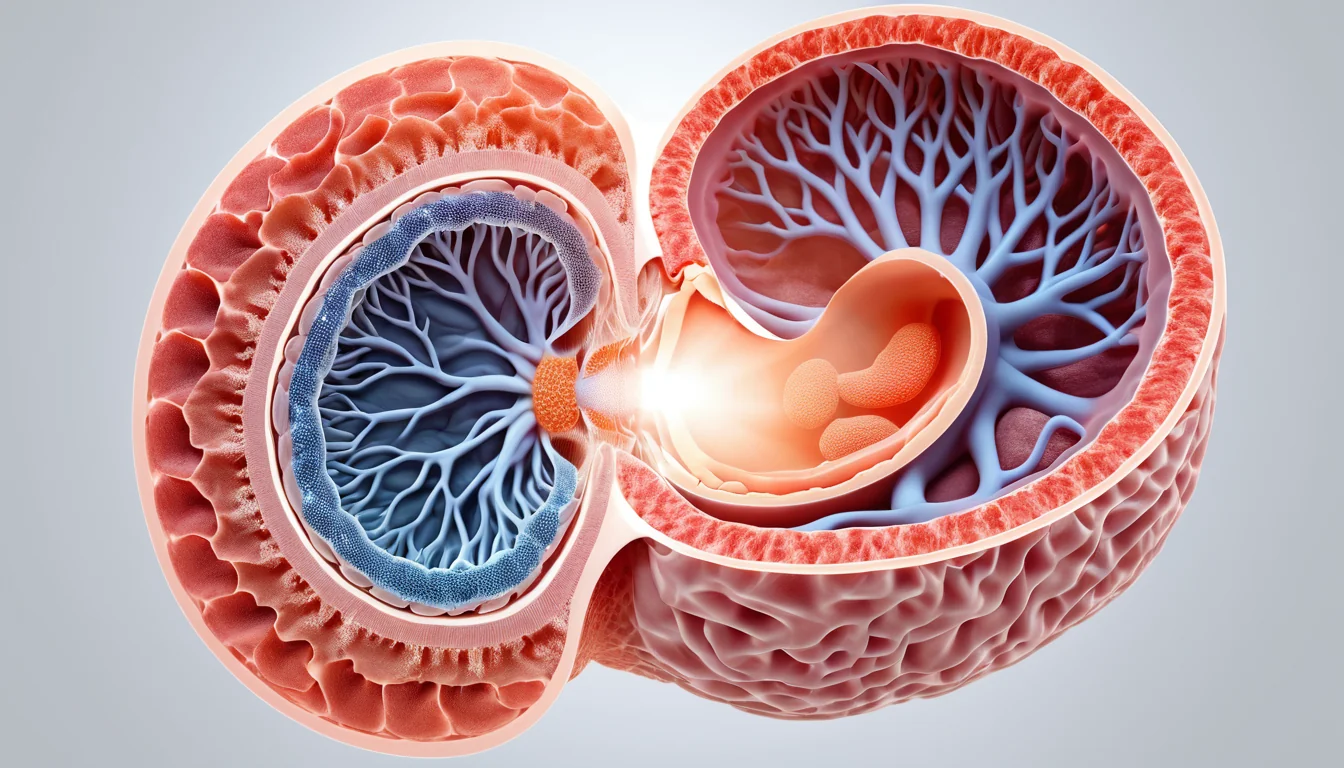
Fetal anaemia is a serious pregnancy complication in which a baby does not have enough healthy red blood cells while still developing in the womb. Red blood cells are responsible for carrying oxygen to every organ and tissue, and when levels drop too low, the baby’s heart must work harder to compensate — a situation that can become life-threatening without timely intervention. For expectant parents in Canada, understanding this condition is an important step toward ensuring the safest possible outcome.
How Is Fetal Anaemia Diagnosed in Canadian Prenatal Care?
Knowing the fetal anemia causes, risk factors, and available treatment options empowers Canadian families to ask the right questions during prenatal appointments. Whether the underlying issue is blood group incompatibility, a maternal infection, or a rare genetic condition, early detection through routine prenatal care can make all the difference. This guide covers everything Canadian parents need to know — from diagnosis to intrauterine blood transfusion and long-term outlook after birth.
What Is Fetal Anaemia?
| Risk Factor | Impact on Fetal Anaemia | Level of Risk | Prevention / Management |
|---|---|---|---|
| Rh (Rhesus) Incompatibility | Maternal antibodies cross the placenta and destroy fetal red blood cells, leading to haemolytic anaemia | High | Routine Rh screening; Rh immunoglobulin (RhoGAM) administered at 28 weeks and after delivery in Rh-negative mothers across Canada |
| Parvovirus B19 (Fifth Disease) Infection | Virus suppresses fetal red blood cell production in the bone marrow, causing aplastic anaemia | Moderate to High | Avoid close contact with infected individuals during pregnancy; regular ultrasound monitoring if exposure occurs |
| Twin-to-Twin Transfusion Syndrome (TTTS) | Unequal blood sharing between monochorionic twins causes anaemia in the donor twin and polycythaemia in the recipient | High | Early identification via ultrasound; referral to a fetal medicine specialist; laser ablation therapy at specialized Canadian centres |
| Fetomaternal Haemorrhage | Fetal blood leaks into maternal circulation, reducing fetal red blood cell volume and causing acute anaemia | Moderate | Kleihauer-Betke test to detect fetal cells in maternal blood; close fetal monitoring following abdominal trauma or unexplained fetal movement decrease |
| Alpha-Thalassaemia (Hb Bart’s Hydrops) | Genetic deletion of all four alpha-globin genes severely impairs haemoglobin production, often resulting in severe fetal anaemia and hydrops | Very High | Carrier screening offered in British Columbia and other provinces for at-risk populations; genetic counselling and prenatal diagnosis via chorionic villus sampling or amniocentesis |
Fetal anaemia refers to a low number — or poor quality — of red blood cells in a baby’s circulation during pregnancy. The condition ranges from mild to severe. In mild cases, careful monitoring may be all that is needed. In severe cases, the consequences can be serious and require immediate treatment.
When a baby has severe fetal anaemia, the heart tries to make up for the shortage of red blood cells. It pumps faster and harder to deliver more oxygen throughout the body. Over time, this extra strain can lead to heart failure.
As the heart struggles, fluid begins to build up inside the baby’s body — around the heart, lungs, and other organs. Doctors call this condition hydrops fetalis. Without treatment, hydrops fetalis is life-threatening. However, with early detection and proper care, outcomes for babies with fetal anaemia can be very positive.
What Causes Fetal Anaemia?
There are several known causes of fetal anaemia. Understanding the cause helps your medical team decide on the best monitoring and treatment plan.
Blood Group Incompatibility (Alloimmunisation)
The most common cause is a difference in blood antigens between mother and baby. This is called alloimmunisation. It happens when a baby inherits blood proteins from the father that the mother does not carry. The mother’s immune system may then produce antibodies that cross the placenta and attack the baby’s red blood cells. This destroys those cells and leads to fetal anaemia.
The most well-known example involves Rh factor incompatibility. In Canada, pregnant people are routinely screened for Rh incompatibility. An injection called Rh immunoglobulin (RhIg) can prevent alloimmunisation in most cases. Your family doctor or midwife will check for this early in your pregnancy.
Maternal Infections
Certain infections during pregnancy can also cause fetal anaemia. Parvovirus B19 — commonly known as “fifth disease” — is one of the most frequent culprits. This virus is common in children and can spread easily. If a pregnant person contracts it, the virus can cross the placenta and affect the baby’s ability to produce red blood cells. Blood tests can confirm whether a recent or past infection has occurred.
Rare Structural and Genetic Conditions
In some cases, fetal anaemia is linked to rare structural abnormalities, such as sacrococcygeal teratoma — a tumour that grows at the base of the baby’s spine. This can divert blood flow and reduce the red blood cell count in circulation. Furthermore, certain genetic and metabolic disorders are also associated with fetal anaemia. These include Down syndrome (Trisomy 21) and Niemann-Pick disease, among others.
For more background on how red blood cells work, Mayo Clinic’s overview of anaemia provides a helpful explanation in plain language.
How Is Fetal Anaemia Diagnosed?
Diagnosing fetal anaemia during pregnancy involves several tools. Your obstetric team may use one or more of the following methods, depending on your situation.
Prenatal Ultrasound
Ultrasound is often the first step. A specialised Doppler ultrasound measures blood flow speed in a vessel in the baby’s brain called the middle cerebral artery (MCA). When a baby is anaemic, the heart pumps blood faster. Therefore, higher-than-normal blood flow in this artery can signal anaemia. Ultrasound can also detect signs of hydrops fetalis, such as fluid buildup around the baby’s organs.
Maternal Blood Tests
A simple blood test from the mother can reveal whether she has antibodies that might be attacking the baby’s red blood cells. This test is often done as part of routine prenatal screening in Canada. Provincial health plans generally cover this testing. If antibodies are found, your care team will monitor the pregnancy more closely.
Amniocentesis and Fetal Blood Sampling
Amniocentesis involves inserting a thin needle through the mother’s abdomen to collect a small sample of amniotic fluid. This helps measure bilirubin levels — a substance released when red blood cells break down. Higher bilirubin levels suggest more red blood cell destruction, which points to anaemia.
In some cases, doctors perform a fetal blood sampling procedure. A needle is guided — using ultrasound imaging — into the umbilical vein to collect a small amount of the baby’s blood directly. This gives the most accurate picture of the baby’s red blood cell levels. As with any invasive procedure, there are small risks involved, including infection, preterm labour, or fetal distress. Your doctor will discuss these risks with you in detail before proceeding.
Health Canada’s maternal and newborn health resources offer additional guidance for Canadian families navigating complex pregnancies.
How Is Fetal Anaemia Treated?
Treatment for fetal anaemia depends on its severity. Mild cases may only need regular monitoring with Doppler ultrasound. However, moderate to severe anaemia usually requires active treatment before birth.
Intrauterine Blood Transfusion
The main treatment for significant fetal anaemia is an intrauterine blood transfusion (IUT). During this procedure, compatible red blood cells are delivered directly into the baby through the umbilical vein. The entire process is guided by real-time ultrasound imaging to ensure precision and safety.
This is a complex, time-consuming procedure performed in a hospital setting by a specialised maternal-fetal medicine team. In Canada, these specialists are available at major academic hospitals and high-risk obstetric centres. In some cases, the mother may need to stay in hospital for a few days afterward for observation.
Both the mother and baby are closely monitored throughout the procedure and during recovery. Depending on how the baby responds, a repeat transfusion may be needed every one to four weeks. The timing is based on ongoing ultrasound assessments of the baby’s condition.
Monitoring After Transfusion
After each transfusion, the care team tracks blood flow in the middle cerebral artery. This helps them decide if and when another transfusion is needed. The goal is to keep the baby as healthy as possible until a safe delivery can occur.
What Happens After the Baby Is Born?
Most newborns who received treatment for fetal anaemia in the womb are born in reasonably good health. However, there are a few things to watch for in the days after birth.
Jaundice in Newborns
Jaundice — or yellowing of the skin and eyes — is common in these babies and can sometimes be severe. It happens when bilirubin builds up in the blood. Bilirubin is released as red blood cells break down. When levels get too high, a baby needs treatment to bring them down safely.
Mild jaundice may only require careful monitoring with regular blood tests. In more serious cases, the neonatologist or paediatrician may recommend phototherapy — a treatment where the baby is placed under special blue lights that help the body break down bilirubin. Your care team will explain all available options and keep you involved in every decision.
Hospital Stay After Birth
Most babies treated for fetal anaemia before birth do not need an unusually long hospital stay. Some, however, may remain in hospital for a few extra days to complete phototherapy and allow for close observation. Your baby’s paediatrician or neonatal team will guide you through what to expect.
Breastfeeding is encouraged and supported throughout this time. Spending as much time as possible with your baby — including skin-to-skin contact — is beneficial for both of you.
Long-Term Outlook
Babies who receive proper treatment for fetal anaemia generally have an excellent prognosis. Most do not need long-term follow-up care specifically for anaemia. In some cases, follow-up may be recommended depending on any associated conditions. For future pregnancies, early screening is essential, as the risk of fetal anaemia may be higher. Your doctor will arrange appropriate monitoring from the beginning of your next pregnancy.
For a broader look at how anaemia affects the body, Healthline’s guide to anaemia is a reliable and easy-to-read resource.
When to See a Doctor
If you are pregnant and concerned about fetal anaemia, speak with your family doctor or midwife as soon as possible. They can arrange the appropriate blood tests and refer you to a maternal-fetal medicine specialist if needed. You do not need to wait for your next scheduled appointment — most provincial health plans cover urgent prenatal visits.
If you cannot reach your family doctor quickly, a walk-in clinic can assess your concerns and refer you onward. Early detection makes a significant difference in outcomes for both mother and baby. As always, this article is for general information only. Please consult a qualified healthcare provider for advice tailored to your specific situation.
Signs that warrant prompt attention during pregnancy include reduced fetal movement, unusual swelling, or a recent exposure to fifth disease (parvovirus). Do not wait — reach out to your care team right away.
Frequently Asked Questions About Fetal Anaemia
What is fetal anaemia and how serious is it?
Fetal anaemia is a condition where a baby in the womb does not have enough healthy red blood cells. It ranges from mild to severe. In severe cases, it can lead to heart failure and a dangerous buildup of fluid called hydrops fetalis, which is life-threatening without treatment.
Can fetal anaemia be detected during routine prenatal care in Canada?
Yes. Routine prenatal blood tests and ultrasounds can detect signs of fetal anaemia. In Canada, provincial health plans cover standard prenatal screening, including tests for Rh incompatibility, which is a common cause of fetal anaemia. If a risk is identified, your doctor will refer you to a specialist.
What causes fetal anaemia during pregnancy?
The most common cause of fetal anaemia is blood group incompatibility between mother and baby, known as alloimmunisation. Other causes include maternal infections like parvovirus B19, rare structural abnormalities in the fetus, and certain genetic disorders such as Down syndrome.
How is fetal anaemia treated before birth?
The main treatment for moderate to severe fetal anaemia is an intrauterine blood transfusion. During this procedure, compatible red blood cells are delivered into the baby through the umbilical vein under ultrasound guidance. The procedure is performed by a specialised team at a hospital and may need to be repeated every one to four weeks.
Will my baby have jaundice after being treated for fetal anaemia?
Jaundice is common in newborns who had fetal anaemia. It occurs when bilirubin — a substance released from broken-down red blood cells — builds up in the blood. Mild cases are monitored closely, while more severe cases are treated with phototherapy under special blue lights in hospital.
What is the long-term outlook for a baby diagnosed with fetal anaemia?
According to Mayo Clinic’s guide to Rh factor and blood group incompatibility in pregnancy, this information is supported by current medical research.
For more information, read our guide on mastitis treatment and other postpartum health concerns in Canada.
Babies who receive timely treatment for fetal anaemia generally have an excellent long-term outlook. Most do not require ongoing care specifically for anaemia after birth. However, future pregnancies will need early and close monitoring, as the risk of fetal anaemia may be higher in subsequent pregnancies.
Key Takeaways
- Fetal anaemia happens when a baby in the womb has too few or poor-quality red blood cells.
- The most common cause is blood group incompatibility (alloimmunisation) between mother and baby.
- Other causes include parvovirus B19 infection, rare structural abnormalities, and genetic conditions.
- Diagnosis uses Doppler ultrasound, maternal blood tests, and in some cases, fetal blood sampling or amniocentesis.
- Moderate to severe cases are treated with intrauterine blood transfusions, performed in a hospital by specialists.
- Newborns may develop jaundice, which is treated with phototherapy if bilirubin levels are too high.
- With proper treatment, most babies have an excellent prognosis and do not need long-term follow-up for anaemia.
- Always speak with your family doctor, midwife, or a walk-in clinic if you have concerns during pregnancy.
Frequently Asked Questions
What is fetal anaemia?
Fetal anaemia is a condition where an unborn baby has an abnormally low red blood cell count or haemoglobin level, reducing oxygen delivery to developing organs and tissues. It can range from mild to severe and, if left untreated, may lead to serious complications including hydrops fetalis or stillbirth.
What are the symptoms of fetal anaemia during pregnancy?
Fetal anaemia typically has no symptoms felt by the mother. Signs are detected through ultrasound, including an enlarged heart, fluid accumulation (hydrops fetalis), or increased blood flow velocity in the middle cerebral artery. Reduced fetal movement may occasionally prompt further investigation by a healthcare provider.
How is fetal anaemia treated in Canada?
The primary treatment for severe fetal anaemia is an intrauterine blood transfusion, performed by a maternal-fetal medicine specialist under ultrasound guidance. Mild cases may be monitored closely. Treatment depends on gestational age, severity, and underlying cause. Early delivery may be recommended if the fetus is mature enough.
Can fetal anaemia be prevented during pregnancy?
Some causes of fetal anaemia can be prevented or managed. Rh-negative mothers should receive Rh immunoglobulin (RhoGAM) injections to prevent Rh incompatibility. Screening for parvovirus B19 exposure and genetic conditions early in pregnancy also helps identify at-risk pregnancies, allowing for closer monitoring and timely intervention.
When should a pregnant woman see a doctor about fetal anaemia?
Contact your doctor or midwife immediately if you notice significantly reduced fetal movement, have been exposed to parvovirus B19 (fifth disease), or have a known Rh blood type incompatibility. Women with a history of fetal anaemia in previous pregnancies should discuss increased monitoring with a maternal-fetal medicine specialist early in pregnancy.

About the Author
Dr. Sarah Mitchell, MDDr. Sarah Mitchell is a board-certified family physician with over 15 years of clinical experience. She completed her MD at the University of Toronto and her residency at Toronto General Hospital. Dr. Mitchell specializes in preventive medicine and chronic disease management. She is a member of the College of Family Physicians of Canada (CFPC) and has published over 30 peer-reviewed articles on preventive health care.
View all articles →