Age-Related Hearing Loss: Causes, Signs & Treatment Canada

Share
Age-related hearing loss is one of the most common health conditions affecting older Canadians, with 1 in 3 adults over 65 experiencing a noticeable decline in hearing ability. Known medically as presbycusis, this gradual reduction in hearing typically affects both ears equally and worsens over time — yet many people wait years before seeking help.
What Causes Age-Related Hearing Loss in Canadians?
The good news is that presbycusis in seniors does not mean you simply have to live with muffled conversations and social isolation. Today, effective treatment options ranging from modern hearing aids to assistive listening devices can dramatically improve quality of life. Whether you are noticing the first signs yourself or are concerned about a loved one, understanding the causes, symptoms, and available support in Canada is the first step toward better hearing health.
What Is Age-Related Hearing Loss?
| Treatment Option | How It Helps | Best Suited For | Key Considerations |
|---|---|---|---|
| Hearing Aids | Amplifies sound and improves speech clarity; available in behind-the-ear, in-the-canal, and receiver-in-canal styles | Mild to severe hearing loss; most common first-line treatment | Covered partially by some provincial programs and private insurance; requires fitting by a registered audiologist; ongoing maintenance needed |
| Cochlear Implants | Bypasses damaged hair cells in the cochlea and directly stimulates the auditory nerve via a surgically implanted device | Severe to profound hearing loss where hearing aids provide little benefit | Covered by provincial health plans (e.g., Ontario, BC) for eligible adults; requires surgery, rehabilitation, and auditory therapy post-implant |
| Assistive Listening Devices (ALDs) | Reduces background noise and enhances specific sounds; includes amplified phones, TV streamers, and FM systems | Any degree of hearing loss; often used alongside hearing aids | Generally affordable and widely available; some devices available through provincial assistive technology programs |
| Auditory Rehabilitation & Communication Therapy | Teaches lip-reading, listening strategies, and coping skills to improve communication in daily life | All stages of age-related hearing loss, especially those adjusting to new hearing aids | Available through Canadian audiologists and speech-language pathologists; may be partially covered under extended health benefits |
| Medication Review & Ototoxic Drug Management | Identifies and adjusts medications that may worsen hearing loss, such as certain diuretics, antibiotics, or NSAIDs | Older adults on multiple medications with sudden or accelerated hearing decline | Should be conducted by a physician or pharmacist; does not restore existing hearing loss but may prevent further deterioration |
Age-related hearing loss is the slow reduction of hearing ability that happens as we grow older. It typically affects both ears equally and gets worse over time. Unlike hearing loss caused by injury or disease, presbycusis is considered a natural, physiological process — not a pathological condition.
However, natural does not mean untreatable. Many Canadians live full, active lives with presbycusis by using the right tools and supports. Understanding what causes it is the first step toward managing it well.
Signs and Symptoms of Age-Related Hearing Loss
The most obvious sign of age-related hearing loss is difficulty hearing everyday sounds and conversations. However, symptoms can vary widely from person to person. Some people struggle only with quiet sounds, while others have difficulty even with normal or loud voices.
Common Warning Signs
- Difficulty hearing high-pitched sounds, such as children’s voices or electronic beeps
- Needing to turn up the volume on the television or radio more than others in the room
- Struggling to follow conversations in noisy places, like restaurants or shopping centres
- Involuntarily beginning to lip-read when someone speaks to you
- Experiencing tinnitus — a ringing, buzzing, or whistling sound in one or both ears
In addition, you may notice that you frequently ask people to repeat themselves. You might also feel tired after conversations because of the extra effort it takes to follow along. These signs are worth taking seriously.
What Causes Age-Related Hearing Loss?
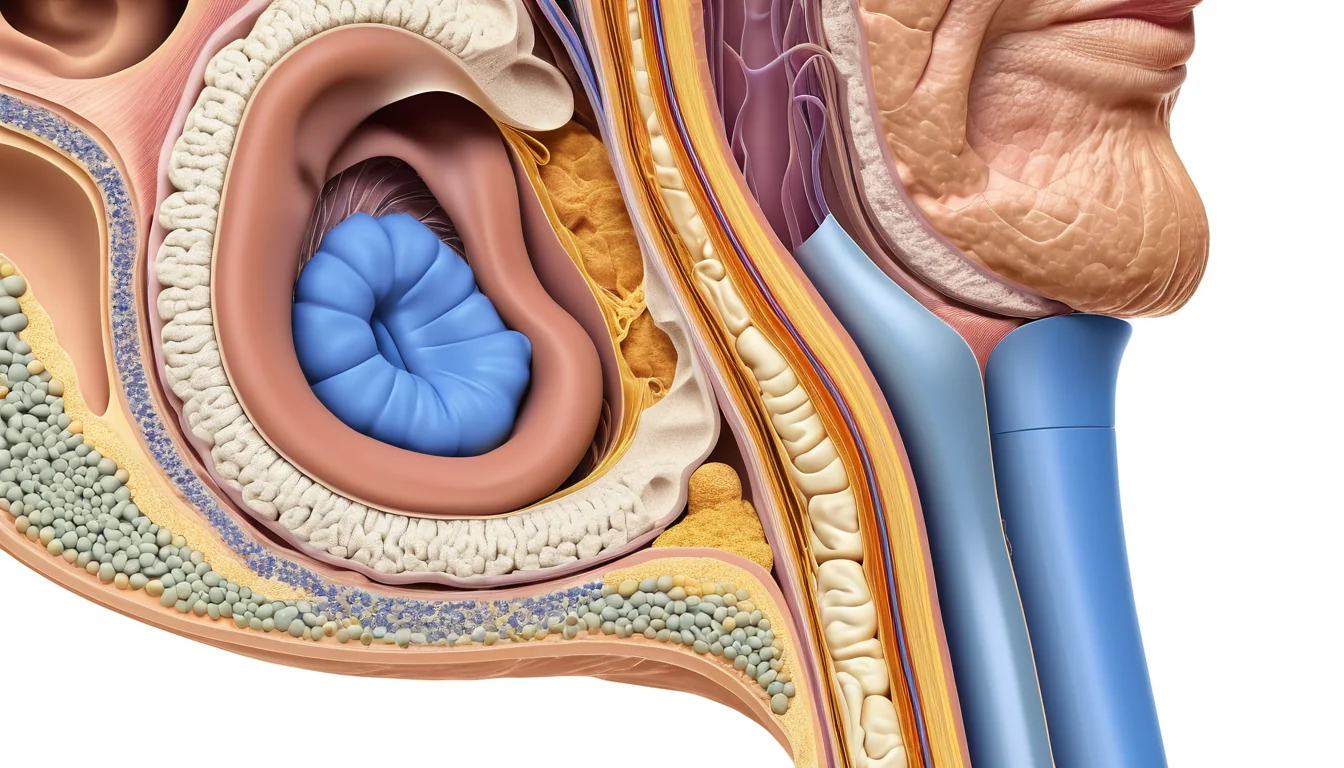
Age-related hearing loss most often results from structural changes deep inside the inner ear. As we age, tiny hair cells that detect sound vibrations can shrink, stiffen, or die. Once these cells are gone, they do not grow back.
Contributing Risk Factors
For many Canadians, presbycusis develops from a combination of causes rather than aging alone. Long-term exposure to loud noise — whether from work, concerts, or machinery — adds significantly to hearing damage over time. Furthermore, certain health conditions increase your risk, including:
- Type 2 diabetes — can damage blood vessels that supply the inner ear
- High blood pressure (hypertension) — reduces blood flow to the ear
- Family history of hearing loss — genetics play a meaningful role
- Long-term noise exposure — workplaces, loud music, or power tools
According to the World Health Organization, over 1.5 billion people worldwide live with some degree of hearing loss, and age remains one of the leading causes. Protecting your ears earlier in life is one of the best things you can do.
How Is Age-Related Hearing Loss Diagnosed?
Your family doctor is usually the first point of contact if you suspect age-related hearing loss. They can assess your symptoms and refer you to an ear, nose, and throat (ENT) specialist or an audiologist. Most provincial health plans in Canada cover a referral to a specialist, though coverage for hearing tests and devices varies by province.
The Hearing Examination
The ENT specialist will begin by examining the inside of your ear using an otoscope — a small, lighted instrument that magnifies the ear canal and eardrum. They look for signs of infection, inflammation, or damage to the eardrum. This helps rule out other causes of hearing loss before confirming presbycusis.
The Audiogram Test
An audiogram is the most common hearing test used to diagnose age-related hearing loss. During this test, you wear headphones and listen to a series of tones at different volumes and frequencies. Each time you hear a sound, you press a button. The results show which frequencies and volumes you can and cannot detect.
As the Mayo Clinic explains, audiograms are painless, non-invasive, and take about 30 minutes. They give your care team a clear picture of the degree and type of hearing loss you have. If infections, injury, or other medical causes are ruled out, and your age and test results match the pattern, presbycusis can be confidently diagnosed.
Treatment Options for Age-Related Hearing Loss
There is currently no cure for age-related hearing loss. However, several effective treatments can make a significant difference in how well you hear and how comfortably you go about daily life. Your hearing specialist will recommend options based on the severity of your hearing loss.
Hearing Aids
Hearing aids are the most common treatment for presbycusis. Modern hearing aids are small, discreet, and highly customisable. They amplify sounds based on your specific hearing profile, and many models connect wirelessly to smartphones and televisions. Your audiologist can adjust them for different listening environments.
It is worth noting that provincial coverage for hearing aids varies across Canada. Some provinces offer partial funding for seniors. Ask your family doctor or audiologist about programmes available in your province.
Assistive Listening Devices
Beyond hearing aids, a range of assistive devices can help at home and in public. These include amplified telephones, television listening systems, vibrating or flashing doorbell alerts, and smartphone apps that transcribe speech in real time. In addition, many public buildings in Canada, including community centres and theatres, are equipped with hearing loop systems that work directly with compatible hearing aids.
Cochlear Implants
For people with severe age-related hearing loss that does not respond to hearing aids, cochlear implants may be an option. A cochlear implant is a small electronic device surgically placed under the skin behind the ear. It bypasses the damaged hair cells and directly stimulates the auditory nerve. Most provincial health plans cover cochlear implant surgery, though eligibility criteria apply. Your ENT specialist can advise you on whether this option is appropriate for your situation.
How to Reduce Your Risk of Early Hearing Loss
While researchers have not found a way to fully prevent age-related hearing loss, you can take steps to slow it down. Protecting your hearing throughout life makes a real difference. Here are practical ways to reduce your risk:
- Wear earplugs or noise-cancelling earmuffs in loud environments — concerts, sporting events, construction sites
- Keep the volume on personal audio devices at 60% or lower
- Take listening breaks — give your ears rest after extended exposure to noise
- Manage chronic conditions like high blood pressure and diabetes with your doctor’s help
- Avoid prolonged exposure to noisy workplaces without proper hearing protection
According to Health Canada’s SoundCheck guide, noise-induced hearing damage is entirely preventable with the right habits and protective equipment. Starting these habits early is one of the most powerful things you can do for your long-term hearing health.
Living Well With Age-Related Hearing Loss
Age-related hearing loss is a progressive condition, meaning it tends to worsen gradually over time. However, with the right support, most people adapt well and continue their daily routines without major disruption. A positive attitude and a strong support network make a big difference.
Hearing loss can sometimes bring emotional challenges. Feelings of frustration, isolation, or sadness are common, especially in the early stages. Seeking support from loved ones and, if needed, a mental health professional is a healthy and important step.
Tips for Communicating With Hearing Loss
- Let family and friends know about your hearing loss so they can adjust how they communicate
- Ask people to face you when speaking — visual cues help enormously
- Request that others speak clearly and at a moderate pace, not just louder
- Choose quieter settings for important conversations when possible
- Do not hesitate to ask someone to repeat themselves — it is perfectly reasonable
Therefore, open communication with those around you is one of the most effective ways to manage age-related hearing loss in daily life. You do not have to navigate this alone.
When to See a Doctor
If you notice any changes in your hearing — even mild ones — it is worth speaking with your family doctor. Do not wait until hearing loss becomes severe before seeking help. Early intervention leads to better outcomes.
You can book an appointment with your family doctor, visit a walk-in clinic, or ask for a direct referral to an audiologist or ENT specialist. If you notice sudden hearing loss in one or both ears, treat it as a medical urgency and seek care right away, as this may indicate a condition that requires prompt treatment.
As always, the information in this article is for general educational purposes. Please consult your doctor or a qualified healthcare professional for advice tailored to your personal health situation.
Frequently Asked Questions About Age-Related Hearing Loss
At what age does age-related hearing loss typically begin?
Age-related hearing loss usually begins gradually in a person’s 50s or 60s, though many people do not notice it until later. By age 65, about 1 in 3 Canadians experiences some degree of hearing loss. The process is slow, which is why regular hearing check-ups are recommended as you get older.
Is age-related hearing loss permanent?
Yes, age-related hearing loss is generally permanent because the tiny hair cells in the inner ear do not regenerate once damaged. However, hearing aids, cochlear implants, and assistive devices can significantly improve hearing ability and quality of life. Treating it early tends to produce the best results.
Does the government cover hearing aids for seniors in Canada?
Coverage for hearing aids varies by province and territory in Canada. Some provincial health plans offer partial funding or subsidies for seniors with age-related hearing loss, while others do not cover hearing aids at all. Ask your family doctor or audiologist about available programmes and funding in your province.
Can age-related hearing loss be prevented?
There is no guaranteed way to prevent age-related hearing loss entirely, but you can reduce your risk significantly. Protecting your ears from loud noise throughout your life, managing conditions like high blood pressure and diabetes, and avoiding prolonged exposure to high-volume devices all help slow hearing decline. Starting these habits early makes the biggest difference.
What is the difference between presbycusis and noise-induced hearing loss?
Presbycusis is the natural hearing decline that comes with aging, while noise-induced hearing loss results specifically from damage caused by exposure to loud sounds over time. Many people experience both types together, as years of noise exposure can accelerate the natural aging process in the ear. Both forms of hearing loss are diagnosed and managed in similar ways.
Can tinnitus be a sign of age-related hearing loss?
According to Health Canada’s guidelines on hearing health for older adults, this information is supported by current medical research.
For more information, read our guide on chronic health conditions like uremia that can affect seniors.
Yes, tinnitus — a ringing, buzzing, or whistling sound in the ears — is a common symptom associated with age-related hearing loss. It does not always accompany presbycusis, but many people experience both at the same time. If you notice tinnitus alongside difficulty hearing, speak with your family doctor or an audiologist for an assessment.
Key Takeaways
- Age-related hearing loss (presbycusis) affects 1 in 3 Canadians over 65 and 1 in 2 over 75.
- It is a natural part of aging, but it does not have to reduce your quality of life.
- Common signs include difficulty following conversations, turning up the volume frequently, and tinnitus.
- Risk factors include noise exposure, diabetes, high blood pressure, and family history.
- Diagnosis involves a physical ear exam and an audiogram hearing test.
- Hearing aids are the most common and effective treatment; cochlear implants help in severe cases.
- Protecting your ears from loud noise throughout life is the best prevention strategy.
- Talk to your family doctor or visit a walk-in clinic if you notice any changes in your hearing.
Frequently Asked Questions
What is age-related hearing loss?
Age-related hearing loss, also called presbycusis, is a gradual decline in hearing that occurs as you get older. It typically affects both ears equally and develops slowly over time. Caused by changes in the inner ear, it is one of the most common conditions affecting Canadian adults over age 65.
What are the first signs of age-related hearing loss?
Early signs of age-related hearing loss include difficulty understanding speech in noisy environments, frequently asking people to repeat themselves, turning up the TV volume higher than others prefer, and struggling to hear high-pitched sounds. Tinnitus, a ringing or buzzing in the ears, may also accompany early hearing decline.
How is age-related hearing loss treated in Canada?
The most common treatment for age-related hearing loss is hearing aids, which amplify sound and significantly improve daily communication. Cochlear implants may be recommended for severe cases. Canadian audiologists can also suggest assistive listening devices, communication strategies, and auditory rehabilitation programs covered under some provincial health plans.
Can age-related hearing loss be prevented?
While aging itself cannot be prevented, you can reduce your risk by protecting ears from loud noise, wearing ear protection at concerts or work, avoiding prolonged headphone use at high volumes, managing cardiovascular health, and avoiding smoking. These steps help preserve inner ear function and slow the progression of hearing decline.
When should I see a doctor about hearing loss?
See your doctor or an audiologist if you frequently misunderstand conversations, struggle to hear on the phone, or need others to repeat themselves regularly. Early assessment is important, as untreated hearing loss is linked to cognitive decline, social isolation, and depression. Most Canadian provinces offer publicly funded audiology referrals through a family physician.

About the Author
Dr. Linda Chen, RD, PhDDr. Linda Chen is a registered dietitian and PhD in Nutritional Sciences from the University of British Columbia. With expertise in clinical nutrition, sports dietetics, and gut health, she has worked with leading Canadian hospitals and sports organizations. Dr. Chen is a member of Dietitians of Canada and regularly contributes to national nutrition policy discussions.
View all articles →