Burned Tongue: Treatment, Symptoms & When to See a Doctor

Share
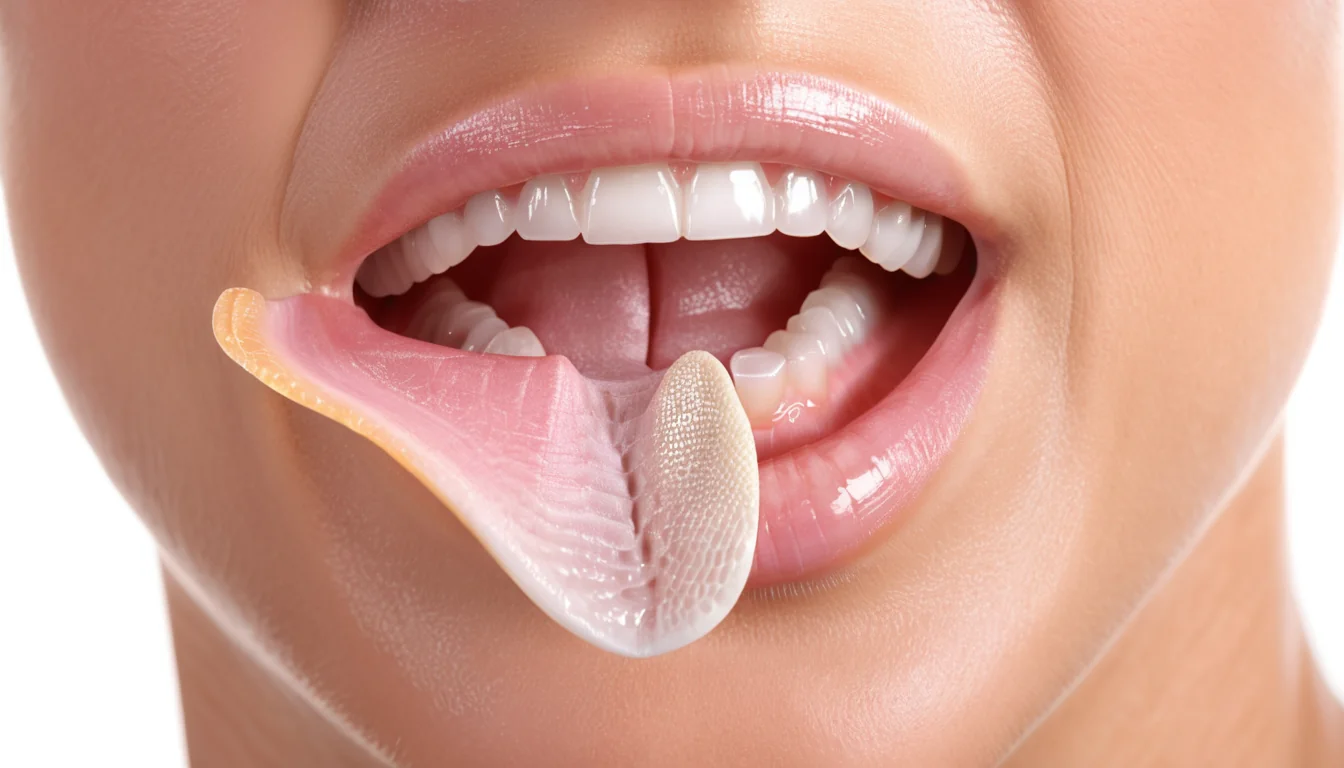
A burned tongue is one of the most common minor mouth injuries Canadians experience, usually caused by sipping hot coffee, tea, or eating food before it cools down. While painful and uncomfortable, most tongue burns heal on their own within one to two weeks without lasting damage.
How to Treat a Burned Tongue at Home in Canada
Understanding burned tongue treatment options can help you find fast relief and avoid complications. In this guide written for Canadian readers, you will learn how to ease the pain at home, recognize the severity of your burn, and know exactly when it is time to visit your family doctor or a walk-in clinic for professional care.
What Is a Burned Tongue?
| Burn Stage | Characteristics | Common Symptoms | Recommended Management |
|---|---|---|---|
| Mild (First-Degree) | Affects only the outer surface of the tongue; no blistering; most common type of burned tongue | Temporary pain, redness, increased sensitivity to hot or spicy foods, slight swelling | Cool water rinses, cold foods (yogurt, ice cream), over-the-counter pain relievers (acetaminophen or ibuprofen), avoid irritants |
| Moderate (Second-Degree) | Penetrates deeper tissue layers; blistering may occur; more significant tissue damage | Intense pain, visible blisters, pronounced swelling, difficulty eating and speaking, altered taste | Saltwater rinses, OTC oral analgesic gels, soft diet, monitor for signs of infection; consult a pharmacist |
| Severe (Third-Degree) | Full-thickness tissue damage; rare in everyday burns; may involve chemical or electrical burns | Numbness or loss of sensation, white or blackened tissue, severe swelling, inability to swallow normally | Immediate medical attention at an emergency department or urgent care clinic; do not attempt home treatment |
| Burning Mouth Syndrome | Chronic condition mimicking a burned tongue without an identifiable heat source; not a true burn | Persistent burning sensation, dry mouth, bitter or metallic taste, daily discomfort lasting months | Referral to a physician or dentist; may involve treatment for underlying causes such as nutritional deficiencies, hormonal changes, or anxiety |
| Chemical Burn | Caused by acidic or alkaline substances; severity varies based on the substance and exposure duration | Immediate intense burning, white patches, tissue erosion, excessive saliva production, potential swelling of the throat | Rinse thoroughly with water for 15–20 minutes; contact Health Canada’s Poison Control Centre (1-800-268-9017 in Ontario) or go to an emergency department |
Your tongue is a highly sensitive organ. It helps you taste flavours, feel textures, and swallow food safely. It is covered in tiny bumps called papillae, which contain your taste buds.
When you eat or drink something too hot, the heat can damage these papillae and taste buds. However, the tongue heals faster than most other parts of the body. Taste bud cells regenerate every one to two weeks, so a mild burn rarely causes lasting problems.
How Serious Is Your Burned Tongue? Understanding Burn Degrees
Not all tongue burns are the same. Like burns on any other part of the body, tongue burns are classified by how deeply the heat has damaged the tissue.
First-Degree Burns
A first-degree burn affects only the top layer of tissue. Your tongue may look pink or red and feel mildly sore. This is by far the most common type of tongue burn, and it heals quickly on its own.
Second-Degree Burns
A second-degree burn damages the surface tissue and some of the tissue beneath it. Your tongue will likely be more painful and may look red or swollen. In some cases, blisters can form. You should see a doctor if blisters develop.
Third-Degree Burns
A third-degree burn reaches the deepest layers of tongue tissue. Strangely, you may feel very little pain because the nerve endings are damaged. The tongue may appear white, black, or charred. This is a medical emergency. Go to your nearest emergency department immediately.
If you are unsure how serious your burn is, it is always better to get it checked out. Your family doctor or a local walk-in clinic can assess the burn quickly.
What Causes a Burned Tongue?
The most obvious cause is eating or drinking something too hot before it has cooled down. Many Canadians eat on the go and do not take the time to test the temperature of their food or drinks first.
Microwave ovens are a leading cause of burned tongues. Microwaves heat food unevenly. The outside of a dish might feel cool, while the inside is still extremely hot. That first bite can feel fine, but the second one can burn your tongue badly.
Hot beverages like coffee, tea, and hot chocolate are also common culprits. According to the World Health Organization, drinking very hot beverages regularly may also carry other health risks, so it is a good habit to let them cool slightly before drinking.
Symptoms of a Burned Tongue
The symptoms of a burned tongue depend on the severity of the burn. You may notice one or more of the following:
- A burning or stinging pain on the tongue
- Redness or pink colouring on the tongue
- Swelling or inflammation
- Loss of sensation or numbness
- A temporary loss of taste or a metallic taste in your mouth
- A smooth tongue surface, because damaged papillae may temporarily flatten
Most of these symptoms are short-lived. However, if they persist beyond one to two weeks, you should speak with your family doctor.
Burned Tongue vs. Geographic Tongue
Some people notice red, smooth patches on their tongue and wonder if they have a burn. However, this could be a harmless condition called geographic tongue. Geographic tongue causes smooth red patches bordered by white or grey tissue. It is not caused by heat and is not dangerous. If you are unsure, a doctor can tell the difference during a simple examination.
How to Treat a Burned Tongue at Home
For most first-degree and mild second-degree burns, home treatment is all you need. Here are several effective and safe remedies to relieve pain and support healing.
Drink Something Cold
Reaching for a cold drink right after burning your tongue is a natural instinct, and it is a good one. Cold water or cold milk can help stop the heat from penetrating deeper into the tissue. Keep sipping a cold drink for several minutes after the burn occurs.
Eat Soft or Cold Foods
For the first few days after a burned tongue, stick to soft, gentle foods. Good options include yogurt, cold applesauce, ice cream, and smoothies. These foods will not irritate the sensitive tissue as it heals.
Try Honey
Honey is a natural soother. It can coat the tongue and reduce discomfort. In addition, honey has natural antibacterial properties that may help prevent infection while the tissue heals. Apply a small amount directly onto the burned area.
Use Sugar
Sprinkling a small amount of plain sugar on the burned area may help ease pain. This is a simple, inexpensive remedy many people find surprisingly effective.
Rinse With Salt Water
A gentle salt water rinse can help keep the mouth clean and reduce the risk of infection. Dissolve about one-eighth of a teaspoon of salt in a cup of warm water. Swish gently and spit. Do not use too much salt, as this can irritate the wound further.
Take Over-the-Counter Pain Relief
Non-prescription pain relievers such as acetaminophen (Tylenol) or ibuprofen (Advil) can help manage tongue pain. Always follow the dosage instructions on the label.
Consider Vitamin E
Some evidence suggests that Vitamin E may help speed up the healing of burns. You can apply the contents of a 1,000 IU liquid Vitamin E capsule directly to the burned area on your tongue. As always, speak with a pharmacist or doctor before adding new supplements to your routine.
Keep Up Your Oral Hygiene
Continue brushing your teeth and flossing while your tongue heals. Just be careful not to brush the burned area directly. Keeping your mouth clean helps prevent bacteria from causing an infection.
What to Avoid
While your tongue heals, stay away from the following:
- Hot beverages and foods — heat will worsen the burn and increase pain
- Acidic foods — citrus fruits, tomatoes, and vinegar-based foods can irritate the tissue
- Spicy foods — spices can cause significant discomfort on a burned tongue
- Crunchy or salty snacks — these can scratch and irritate the healing surface
For more detailed guidance on managing mouth injuries, Mayo Clinic offers reliable information on oral health and burns.
When to See a Doctor for a Burned Tongue
Most burned tongues do not need medical attention. However, there are situations where you should see a healthcare provider promptly.
Visit your family doctor or a walk-in clinic if:
- Your tongue is not improving after one week
- You develop blisters on your tongue
- You notice signs of infection, such as increased swelling, pus, or fever
- You experience significant loss of taste that does not return
- You are unsure whether your burn is second or third degree
If your tongue looks white, black, or charred, or if you feel no sensation at all, go to the nearest emergency department right away. Third-degree burns require immediate medical care.
Canada’s provincial health plans cover visits to both family doctors and walk-in clinics for concerns like these, so do not hesitate to seek help. You can also find general guidance through Health Canada’s official health resources.
How Long Does a Burned Tongue Take to Heal?
A mild first-degree burn typically heals within a few days to a week. Your taste buds may feel less sharp during this time, but your sense of taste should return to normal within about a week.
Taste bud cells naturally regenerate every one to two weeks. Therefore, even if your sense of taste is temporarily altered, it will usually come back fully after a mild burn.
More serious burns take longer to heal and may require treatment from a doctor. Second-degree burns can take two to three weeks. Third-degree burns may require medical procedures and a much longer recovery.
Burned Tongue vs. Burning Mouth Syndrome
It is important to know the difference between a burned tongue and a condition called burning mouth syndrome. A burned tongue is a physical injury caused by heat. Burning mouth syndrome, on the other hand, causes a chronic burning sensation in the mouth with no obvious cause.
People with burning mouth syndrome may feel as though their tongue, lips, or the roof of their mouth are constantly burning, even without any injury. This condition can also cause a metallic taste or dry mouth. It is more common in women, particularly around menopause.
If you experience a persistent burning sensation in your mouth that was not caused by hot food or drink, speak with your family doctor. Burning mouth syndrome is a real medical condition that can be managed with the right treatment.
How to Prevent a Burned Tongue
Prevention is simple but easy to overlook, especially when you are hungry or in a hurry. Here are a few practical habits that can protect your tongue:
- Always test the temperature of hot drinks by sipping a very small amount first
- Let soups, stews, and microwaved foods sit for at least one to two minutes before eating
- Stir microwaved food thoroughly to distribute heat evenly before tasting
- Teach children to wait before eating hot food, since children are especially prone to tongue burns
These small habits can make a big difference. Most burned tongues are entirely preventable with just a moment of patience.
Frequently Asked Questions About a Burned Tongue
How long does a burned tongue take to heal?
A mild burned tongue usually heals within a few days to one week. Your taste buds regenerate every one to two weeks, so your sense of taste should return to normal quickly. More serious burns can take two to three weeks or longer and may need medical attention.
What is the fastest way to heal a burned tongue?
The fastest way to treat a burned tongue is to immediately drink cold water or milk and keep sipping for several minutes. Eating soft, cool foods like yogurt or ice cream can also help soothe the area. Applying honey directly to the burn may speed healing and reduce the risk of infection.
Can a burned tongue cause permanent taste loss?
A mild burned tongue very rarely causes permanent taste loss. Taste bud cells naturally regenerate within one to two weeks, so altered taste is usually temporary. However, if your sense of taste has not returned after two weeks, you should see your family doctor.
What is the difference between a burned tongue and burning mouth syndrome?
A burned tongue is a physical injury caused by eating or drinking something too hot. Burning mouth syndrome is a chronic condition that causes a persistent burning feeling in the mouth without any visible injury or heat source. If you have ongoing burning without a clear cause, speak with your doctor.
Should I see a doctor for a burned tongue?
Most burned tongues heal on their own and do not require a doctor visit. However, you should see your family doctor or visit a walk-in clinic if your tongue is not improving after one week, if blisters develop, or if you notice signs of infection. Third-degree burns are a medical emergency requiring immediate care.
Is milk good for a burned tongue?
Yes, milk is a soothing option for a burned tongue. It coats the tongue and can help reduce the burning sensation, similar to how it eases the heat from spicy foods. Drinking cold milk right after a burn and continuing to sip it for a few minutes can be especially helpful.
Key Takeaways
- A burned tongue is a common minor injury usually caused by eating or drinking something too hot.
- Most burned tongues are first-degree burns that heal on their own within a week or two.
- Immediate home treatment includes cold drinks, cold or soft foods, honey, sugar, and salt water rinses.
- Avoid hot, spicy, acidic, or crunchy foods while your tongue heals.
- See your family doctor or a walk-in clinic if your tongue is not healing after one week, if blisters appear, or if you notice signs of infection.
- Third-degree burns are a medical emergency — go to the emergency department right away.
- Burning mouth syndrome is a separate condition from a burned tongue and requires its own medical assessment.
- You can prevent most burned tongues by testing food and drink temperature before taking a full bite or sip.
According to Mayo Clinic’s guide to burning mouth syndrome, this information is supported by current medical research.
For more information, read our guide on listeria infection symptoms and treatment in Canada.
This article is for informational purposes only and is not a substitute for professional medical advice. Always consult your family doctor or a qualified healthcare provider if you have concerns about your health.
Frequently Asked Questions
What is a burned tongue?
A burned tongue occurs when hot food or beverages damage the sensitive tissue on the tongue’s surface. It typically causes a first-degree burn affecting the outer layer. Common triggers include hot coffee, tea, soup, or melted cheese. Symptoms usually resolve within a few days with proper care.
What are the symptoms of a burned tongue?
Burned tongue symptoms include immediate pain or stinging, redness, swelling, and temporary numbness or altered taste. The tongue’s surface may appear slightly raw or blistered in more severe cases. Sensitivity to spicy, salty, or acidic foods is also common and can persist for several days.
How do you treat a burned tongue at home?
Treat a burned tongue by immediately drinking cool water to reduce heat. Apply a small amount of honey for its soothing, antibacterial properties. Eat soft, cold foods like yogurt or ice cream. Avoid hot, spicy, or acidic foods. Over-the-counter pain relievers like acetaminophen or ibuprofen can help manage discomfort.
How can you prevent burning your tongue?
Prevent burning your tongue by waiting a few minutes before consuming hot beverages or food. Test food temperature before taking a full bite. Stir hot drinks to distribute heat evenly. Use a thermometer for children’s food. Avoiding the habit of drinking rapidly from takeout coffee cups significantly reduces burn risk.
When should you see a doctor for a burned tongue?
See a doctor if your burned tongue shows large blisters, severe swelling, signs of infection like pus or worsening pain, or does not improve within two weeks. Difficulty swallowing or breathing requires immediate emergency care. Persistent tongue pain unrelated to a burn should also be evaluated promptly by a healthcare provider.

About the Author
Dr. Linda Chen, RD, PhDDr. Linda Chen is a registered dietitian and PhD in Nutritional Sciences from the University of British Columbia. With expertise in clinical nutrition, sports dietetics, and gut health, she has worked with leading Canadian hospitals and sports organizations. Dr. Chen is a member of Dietitians of Canada and regularly contributes to national nutrition policy discussions.
View all articles →