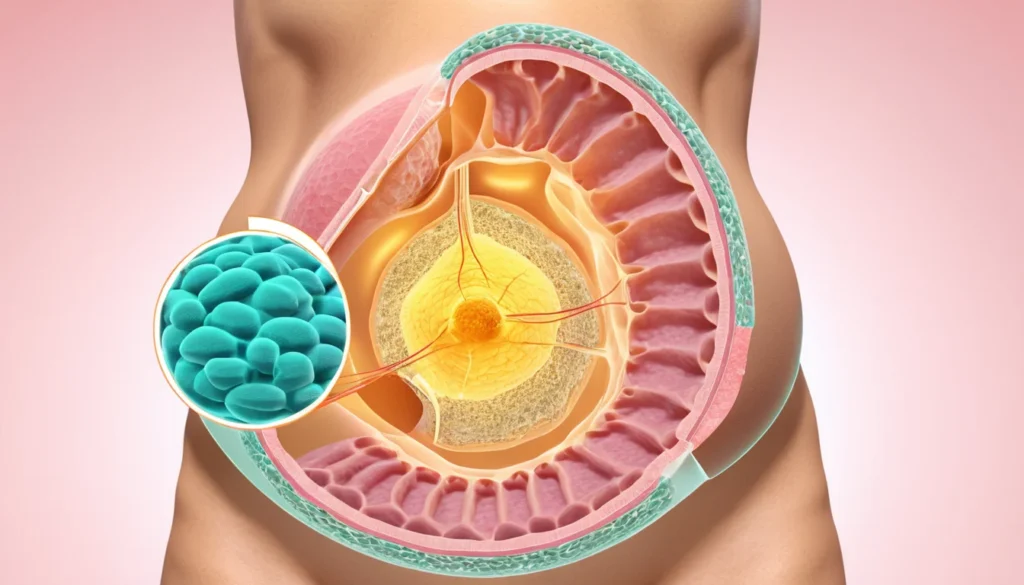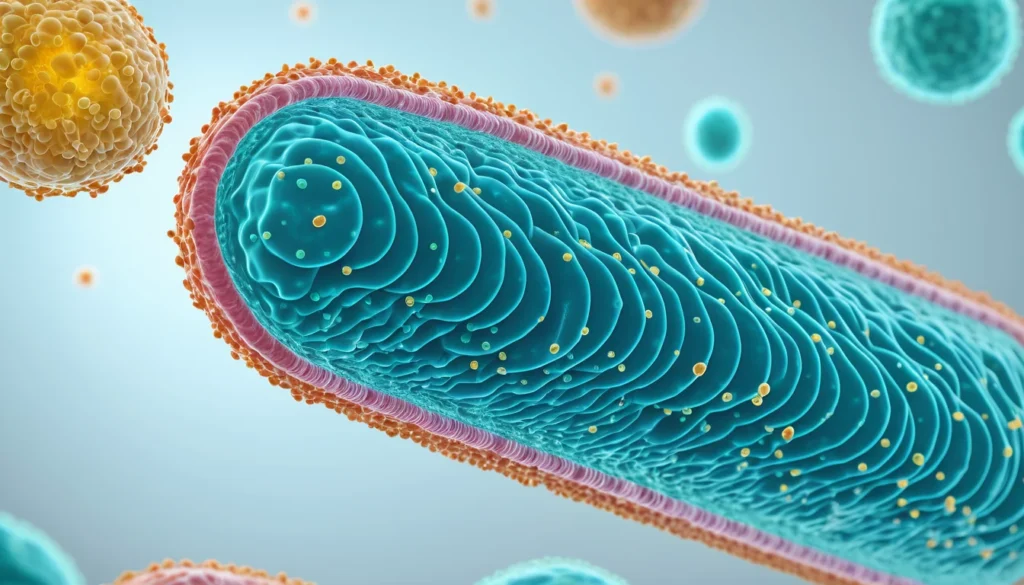
A listeria infection, also called listeriosis, is a serious foodborne illness caused by the bacterium Listeria monocytogenes that Canadians need to be aware of, especially during food recall seasons. It spreads primarily through contaminated food, including undercooked meat, unpasteurised dairy products, and unwashed raw vegetables. While healthy adults rarely become seriously ill, this infection can be life-threatening for vulnerable populations.
How to Recognize and Prevent a Listeria Infection in Canada
Understanding listeriosis symptoms and knowing how to prevent this dangerous foodborne illness Canada-wide is essential for protecting your family. Pregnant women, newborns, older adults, and people with weakened immune systems face the greatest risk of severe complications. By learning the warning signs, practising safe food handling, and knowing when to seek medical care, you can significantly reduce your chances of exposure to Listeria monocytogenes.
What Is a Listeria Infection?
Listeria Infection Symptoms: Severity and Key Characteristics
| Symptom | Description | Severity Level | When to Seek Care |
|---|---|---|---|
| Fever and Chills | Sudden onset of high fever (above 38°C) often accompanied by shaking chills and general malaise | Moderate to Severe | Seek care promptly if fever exceeds 38.5°C or persists more than 48 hours |
| Muscle Aches and Fatigue | Widespread muscle pain, body weakness, and persistent tiredness that interferes with daily activity | Mild to Moderate | Monitor closely; consult a healthcare provider if symptoms worsen over 24–48 hours |
| Gastrointestinal Distress | Nausea, vomiting, and diarrhea occurring within 24 hours of consuming contaminated food | Mild to Moderate | Seek care if dehydration occurs or symptoms last longer than 2–3 days |
| Stiff Neck and Severe Headache | Neck rigidity combined with intense headache; may indicate listeria infection has spread to the central nervous system (meningitis) | Severe | Go to the nearest emergency department immediately — this is a medical emergency |
| Confusion and Altered Mental Status | Disorientation, difficulty concentrating, slurred speech, or loss of balance indicating possible encephalitis or meningitis | Severe | Call 911 or go to the emergency room without delay |
| Pregnancy-Related Symptoms | Flu-like symptoms, reduced fetal movement, preterm labour, or stillbirth in pregnant individuals; the fetus faces the highest risk of serious complications | Severe (High-Risk) | Contact an obstetrician or go to the emergency room immediately if any symptoms develop during pregnancy |
Listeriosis is a rare but potentially severe bacterial infection. The bacterium Listeria monocytogenes lives in soil, water, and some animals. It can survive and even grow in cold environments, including your refrigerator.
Most people who encounter Listeria will not become seriously ill. However, in vulnerable individuals, the bacteria can enter the bloodstream and spread to the nervous system. This makes prompt diagnosis and treatment very important. Health Canada provides detailed guidance on listeria food safety.
Who Is at Risk of a Listeria Infection?
Although anyone can be exposed to Listeria, certain groups face a much higher risk of developing a serious illness. Knowing whether you belong to a high-risk group can help you take extra precautions.
Pregnant Women and Their Babies
Pregnant women are roughly ten times more likely to get a serious listeria infection than the general population. The infection can cross the placenta and directly harm the baby. As a result, listeriosis during pregnancy can lead to miscarriage, premature birth, stillbirth, or a severely ill newborn.
Newborns can also contract the infection just before or during delivery. In these cases, the illness can be very serious and requires immediate medical care.
Older Adults and People With Weakened Immune Systems
People over 60 are at increased risk because the immune system naturally weakens with age. In addition, people living with conditions such as cancer, HIV/AIDS, diabetes, or kidney disease face a higher chance of severe illness.
Those taking immunosuppressant medications — for example, after an organ transplant — are also in this higher-risk group. For these individuals, a listeria infection can quickly become life-threatening without fast treatment.
Healthy Adults and Children
Healthy adults and children can carry the bacteria without feeling ill at all. If symptoms do appear, they are usually mild and short-lived. However, it is still worth being cautious, especially around food safety practices.
Symptoms of a Listeria Infection
Symptoms of listeriosis can appear anywhere from a few days to several weeks after eating contaminated food. This wide window can make it difficult to trace the source. The Mayo Clinic outlines the full range of listeria symptoms.
Mild Symptoms
Many people experience a flu-like illness. Common mild symptoms include:
Fever and chills
Muscle aches and fatigue
Nausea and vomiting
Stomach cramps and diarrhoea
These symptoms often pass on their own in healthy individuals. However, if you are pregnant or immunocompromised, do not wait to see if they resolve — contact your healthcare provider right away.
Severe Symptoms
If the bacteria spread to the nervous system, the infection becomes much more dangerous. This is called invasive listeriosis. Severe symptoms include:
Stiff neck and severe headache
Confusion or changes in alertness
Loss of balance and coordination
Seizures
These are signs of meningitis or septicaemia (bacteria in the bloodstream). Both are medical emergencies. Go to your nearest emergency department immediately if you or someone you know develops these symptoms.
How Doctors Diagnose a Listeria Infection
Your doctor will begin with a physical examination and a review of your health history, including recent food choices. Two main tests help confirm a listeria infection.
Blood Culture
A blood culture is the most common diagnostic test. Your doctor draws a small sample of blood from a vein and sends it to a laboratory. The lab checks whether Listeria monocytogenes bacteria are present in your blood. Results usually take a day or two.
Spinal Fluid Test (Lumbar Puncture)
If your doctor suspects the infection has reached your nervous system, they may order a lumbar puncture (also called a spinal tap). A small sample of cerebrospinal fluid is collected and tested in a hospital setting. This test helps diagnose bacterial meningitis caused by Listeria.
Both tests are straightforward, and your care team will explain what to expect beforehand.
Treatment for Listeria Infection
The standard treatment for a listeria infection is antibiotics. Most people with a confirmed invasive infection are admitted to hospital so doctors can monitor their progress closely.
Intravenous Antibiotics
In hospital, antibiotics are usually given intravenously (directly into a vein). This method delivers the medication quickly and efficiently into the bloodstream. It also allows the care team to adjust the dose as needed.
Length of Treatment
A typical course of antibiotic treatment lasts about two weeks. However, people with weakened immune systems may need a longer course to prevent the infection from returning. Your doctor will decide the best approach based on your individual health situation.
It is important to complete the full course of antibiotics, even if you start to feel better. Stopping early can allow the bacteria to return and become harder to treat.
How to Prevent a Listeria Infection
Food safety is the most effective way to prevent a listeria infection. The good news is that simple, everyday habits can greatly reduce your risk. The World Health Organization shares key prevention strategies for listeriosis.
Safe Food Handling
Cook all meat, poultry, and eggs thoroughly to the recommended internal temperature.
Wash all fruits and vegetables under running water before eating or preparing them.
Wash your hands with warm, soapy water before and after handling raw food.
Clean cutting boards, knives, and kitchen surfaces after contact with raw meat or poultry.
Keep raw meat separate from ready-to-eat foods in your fridge.
Smart Food Choices for High-Risk Groups
If you are pregnant, older, or have a weakened immune system, take extra care with certain foods. Avoid unpasteurised milk and cheeses made from unpasteurised milk. Avoid ready-to-eat deli meats and hot dogs unless you heat them until steaming hot.
Also avoid refrigerated smoked seafood, such as smoked salmon, unless it is part of a cooked dish. These foods carry a higher risk of Listeria contamination because the bacteria can grow at fridge temperatures.
Proper Food Storage
Keep your refrigerator at or below 4°C (40°F). Use leftovers within three to four days. Clean the inside of your fridge regularly, especially the vegetable and deli drawers.
When to See a Doctor
If you develop fever, muscle aches, or gastrointestinal symptoms after eating potentially contaminated food, contact your family doctor or visit a walk-in clinic. This is especially important if you are pregnant, over 60, or have a condition that affects your immune system.
Most provincial health plans across Canada cover the cost of seeing a family doctor or walk-in clinic physician. You do not need to delay care due to cost concerns. If you develop signs of severe illness — such as a stiff neck, confusion, or seizures — call 9-1-1 or go to the nearest emergency department right away.
Always speak with your doctor or a qualified healthcare provider before drawing conclusions about your own health. This article is for informational purposes and does not replace professional medical advice.
Frequently Asked Questions About Listeria Infection
How do you get a listeria infection?
A listeria infection is most commonly caused by eating contaminated food. High-risk foods include unpasteurised dairy products, undercooked meat, deli meats, and unwashed raw vegetables. In rare cases, the infection can also spread from a pregnant mother to her baby before or during birth.
What are the first signs of a listeria infection?
Early signs of a listeria infection often resemble the flu. These include fever, chills, muscle aches, nausea, and diarrhoea. Symptoms can appear anywhere from one day to several weeks after eating contaminated food.
Is a listeria infection dangerous during pregnancy?
Yes, a listeria infection is particularly dangerous during pregnancy. It can lead to miscarriage, premature labour, stillbirth, or serious illness in the newborn. Pregnant women should avoid high-risk foods and speak with their doctor about food safety precautions.
How is a listeria infection treated?
A listeria infection is treated with antibiotics, usually given intravenously in a hospital setting. Treatment typically lasts around two weeks, though people with weakened immune systems may need a longer course. Early treatment greatly improves outcomes.
Can you get a listeria infection from the fridge?
Yes, unlike many bacteria, Listeria can survive and grow at refrigerator temperatures. This is why proper fridge hygiene and correct food storage are so important. Keep your fridge below 4°C and clean it regularly to reduce the risk.
Who is most at risk of a serious listeria infection?
According to Health Canada’s guidelines on listeria and food safety, this information is supported by current medical research.
For more information, read our guide on mastitis treatment and other infections during pregnancy.
Pregnant women, newborns, adults over 60, and people with weakened immune systems face the greatest risk from a listeria infection. Conditions such as cancer, HIV/AIDS, and diabetes can also increase the likelihood of severe illness. Healthy adults rarely develop serious complications.
Key Takeaways
Listeria infection is caused by the bacterium Listeria monocytogenes, found in contaminated foods.
Pregnant women, newborns, older adults, and immunocompromised individuals are at the highest risk of severe illness.
Mild symptoms include fever, muscle aches, and stomach upset; severe symptoms include stiff neck, confusion, and seizures.
Diagnosis involves a blood culture or lumbar puncture, and treatment uses intravenous antibiotics in hospital.
Simple food safety habits — cooking food thoroughly, washing produce, and avoiding unpasteurised dairy — are your best defence.
If you are in a high-risk group and feel unwell after eating suspicious food, contact your family doctor or a walk-in clinic promptly.
Always consult a healthcare professional for personal medical advice. This article is for general information only.
Frequently Asked Questions
What is a listeria infection?
A listeria infection, or listeriosis, is a serious foodborne illness caused by the bacterium Listeria monocytogenes. It spreads through contaminated foods like deli meats, soft cheeses, and raw sprouts. In Canada, it affects approximately 150 people annually, with higher risk among pregnant women, seniors, and immunocompromised individuals.
What are the symptoms of a listeria infection?
Listeria infection symptoms include fever, muscle aches, nausea, vomiting, and diarrhea. If the infection spreads to the nervous system, symptoms can include headache, stiff neck, confusion, loss of balance, and convulsions. Symptoms typically appear within 1–4 weeks after eating contaminated food.
How is listeria infection treated?
Listeria infection is treated with antibiotics, most commonly ampicillin, sometimes combined with gentamicin for severe cases. Mild gastrointestinal symptoms may resolve without treatment. However, high-risk individuals — including pregnant women and those with weakened immune systems — require prompt medical care to prevent life-threatening complications.
How can you prevent listeria from contaminated food?
Prevent listeria by avoiding high-risk foods like unpasteurized dairy, raw sprouts, and deli meats unless heated to steaming. Refrigerate leftovers within two hours, keep your fridge below 4°C, wash hands thoroughly, and sanitize cutting boards and surfaces regularly. Check Health Canada food recall alerts frequently.
When should you see a doctor for a listeria infection?
See a doctor immediately if you experience high fever, severe headache, stiff neck, confusion, or loss of balance after eating potentially contaminated food. Pregnant women, adults over 60, and immunocompromised individuals should seek medical attention at the first signs of illness, as listeriosis can become life-threatening rapidly.