Dry Mouth Causes: Symptoms & Treatments for Canadians

Share
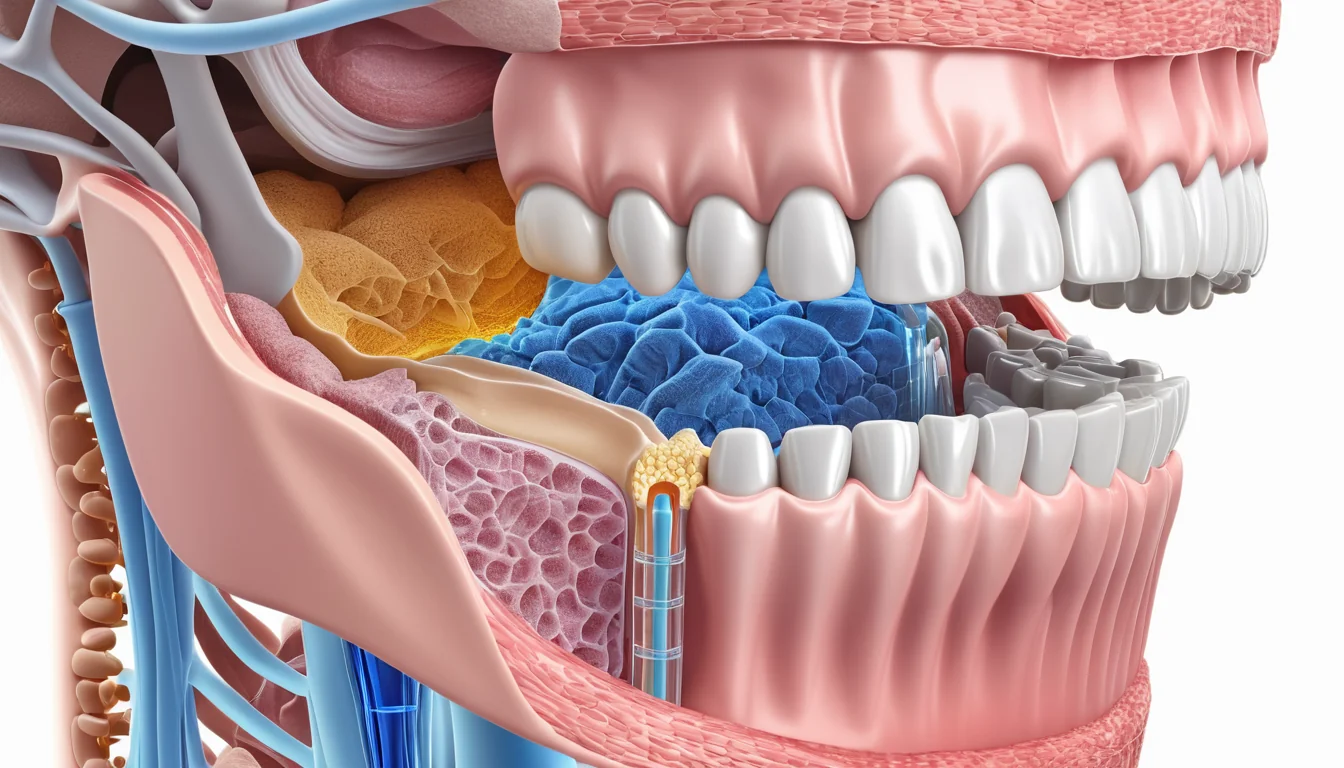
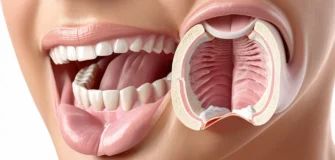
Dry mouth causes range from everyday medication use to underlying health conditions, and millions of Canadians deal with this uncomfortable problem daily. Medically known as xerostomia, dry mouth happens when your salivary glands fail to produce enough saliva to keep your mouth moist. Saliva plays a critical role in protecting your teeth, helping you taste food, and aiding digestion — so when production drops, your oral health and quality of life can suffer significantly.
What Are the Most Common Dry Mouth Causes?
Recognising dry mouth symptoms early is essential for preventing long-term dental damage and discomfort. For many Canadians, xerostomia is closely linked to prescription medications, ageing, or chronic conditions like diabetes. This guide explains exactly what triggers dry mouth, the warning signs to watch for, and how to manage it effectively — including when it is time to visit your family doctor or dentist.
What Is Dry Mouth (Xerostomia)?
| Risk Factor | How It Contributes to Dry Mouth | Potential Impact | Prevention / Management |
|---|---|---|---|
| Medications (e.g., antihistamines, antidepressants, diuretics) | Over 400 commonly prescribed medications reduce saliva production as a side effect | Moderate to severe; tooth decay, difficulty swallowing | Ask your doctor or pharmacist about alternatives; stay well hydrated |
| Sjögren’s Syndrome | Autoimmune condition that attacks saliva and tear glands, significantly reducing saliva flow | Severe; chronic oral dryness, increased infection risk | Diagnosed and managed by a rheumatologist; prescription saliva substitutes available |
| Radiation Therapy to Head or Neck | Damages salivary glands, often permanently reducing saliva output | Severe; long-term dental complications, difficulty eating | Protective dental care before treatment; discuss salivary gland-sparing techniques with oncologist |
| Diabetes (Type 1 and Type 2) | High blood glucose levels and dehydration impair salivary gland function | Moderate; gum disease, oral infections such as thrush | Maintain blood sugar control; regular dental check-ups (covered under some provincial plans) |
| Dehydration | Insufficient fluid intake reduces the body’s ability to produce adequate saliva | Mild to moderate; worsens in hot Canadian summers or during illness | Drink 6–8 glasses of water daily; increase intake during exercise or heat exposure |
| Tobacco and Alcohol Use | Both substances inhibit saliva production and irritate oral tissues over time | Mild to moderate; heightened risk of cavities and oral cancer | Access smoking cessation programs through Health Canada or provincial health services |
Dry mouth occurs when the glands in your mouth do not make enough saliva. Saliva is not just water — it contains enzymes that help break down food during digestion. It also washes away food particles, limits bacterial growth, and helps prevent tooth decay.
Without enough saliva, bacteria thrive and the risk of cavities and gum disease goes up. Swallowing and speaking can also become uncomfortable. For many Canadians, dry mouth is a daily challenge linked to medications or underlying health conditions.
Common Symptoms of Dry Mouth
Dry mouth can feel different from person to person. However, there are several signs that point to this condition. Recognising them early can help you get the right care sooner.
Common symptoms include:
- A dry or sticky feeling inside your mouth
- Thick or stringy saliva
- Cracked or dry lips
- Cracking at the corners of your mouth
- Bad breath (halitosis)
- Difficulty speaking, chewing, or swallowing
- A dry or sore throat
- Changes in your sense of taste
- Fungal infections in the mouth (such as oral thrush)
- Increased plaque, tooth decay, or gum problems
In addition, some women notice that lipstick sticks to the surface of their teeth — a small but telling sign of reduced saliva. If you experience several of these symptoms regularly, it is worth speaking to a healthcare provider.
What Causes Dry Mouth?
There are many possible causes of dry mouth. Understanding the root cause is the first step toward finding an effective treatment.
Medications
Medications are one of the most common causes of dry mouth. Hundreds of prescription and over-the-counter drugs list dry mouth as a side effect. These include antihistamines, decongestants, antidepressants, anti-anxiety medications, high blood pressure drugs, muscle relaxants, and medications for urinary incontinence or Parkinson’s disease.
If you recently started a new medication and noticed your mouth feels drier, that connection may be worth discussing with your pharmacist or doctor. Many Canadians do not realise their medication is the cause. According to Mayo Clinic’s overview of dry mouth, medication side effects are among the leading triggers of this condition.
Ageing
Getting older does not directly cause dry mouth. However, older adults are more likely to take multiple medications and to develop health conditions that affect saliva production. As a result, dry mouth is more common among seniors.
Cancer Treatment
Chemotherapy drugs can change the amount and consistency of saliva your body produces. Radiation therapy to the head or neck area can damage the salivary glands directly, sometimes causing a significant and long-lasting drop in saliva production. This is a well-known side effect for Canadians undergoing cancer treatment.
Nerve Damage
Injuries or surgeries that affect the nerves in your head or neck can lead to dry mouth. The salivary glands depend on nerve signals to function properly. When those signals are disrupted, saliva production can slow or stop.
Dehydration
When your body loses more fluids than it takes in, dehydration sets in. This can reduce saliva production and lead to dry mouth. Fever, heavy sweating, vomiting, or simply not drinking enough water throughout the day can all contribute.
Mouth Breathing
Breathing through your mouth — whether due to nasal congestion, nasal polyps, a deviated septum, or snoring at night — dries out your mouth and throat. This is often a temporary cause, but it can become chronic if the underlying breathing issue goes untreated.
Smoking and Tobacco Use
Smoking cigarettes or chewing tobacco can trigger and worsen dry mouth symptoms. Quitting tobacco is one of the most effective steps you can take to improve both your oral health and your overall health. Health Canada’s smoking and tobacco resources offer free tools to help Canadians quit.
Other Medical Conditions
Several health conditions are linked to dry mouth. These include Sjögren’s syndrome (an autoimmune disease that directly affects salivary and tear glands), diabetes, Parkinson’s disease, HIV/AIDS, anxiety disorders, and depression. Stroke and Alzheimer’s disease can also cause the sensation of a dry mouth, even when the salivary glands are working normally.
When to See a Doctor or Dentist
If you notice persistent dry mouth symptoms, book an appointment with your family doctor or dentist. You do not need a referral to see a dentist, and most walk-in clinics can also help you identify whether a medication or health condition is contributing to the problem.
Before your appointment, it helps to be prepared. Consider doing the following:
- Write down all your symptoms, even ones that seem unrelated
- Make a list of every medication, vitamin, and supplement you take
- Note any recent changes in your life, including new stress or lifestyle shifts
- Track when your symptoms started and whether they are constant or come and go
Your doctor or dentist may ask questions such as: When did the symptoms begin? Do you smoke or use tobacco? Have you started any new medications recently? What seems to make your symptoms better or worse? Being ready with these answers will help them find the cause more quickly.
As a general reminder, always consult your doctor or dentist before starting any new treatment for dry mouth, especially if you have an existing health condition or take prescription medications.
How Is Dry Mouth Diagnosed?
Your doctor or dentist will start with a physical examination of your mouth and a full medical history. In some cases, blood tests may be needed to check for underlying conditions like diabetes or Sjögren’s syndrome. Imaging tests of the salivary glands may also be ordered to look for blockages or damage.
Diagnosis is usually straightforward. However, finding the exact cause can take a little more investigation, particularly if multiple factors are involved.
Dry Mouth Treatments
Treatment for dry mouth depends on what is causing it. Your doctor or dentist will tailor a plan to your specific situation.
Medication Adjustments
If a medication is causing your dry mouth, your doctor may lower the dose or switch you to an alternative that does not have the same side effect. Never stop or change a prescribed medication on your own — always speak with your doctor first.
Prescription Saliva Stimulants
In some cases, doctors prescribe medications such as pilocarpine or cevimeline to stimulate saliva production. These are typically used for more severe cases, such as those caused by Sjögren’s syndrome or radiation damage to the salivary glands.
Home Remedies and Self-Care
For many people, simple lifestyle changes can make a meaningful difference. Furthermore, these steps support your overall oral health at the same time.
Try these practical strategies to manage dry mouth at home:
- Sip water frequently throughout the day
- Chew sugar-free gum or suck on sugar-free candies to stimulate saliva
- Limit caffeine, which can worsen dryness
- Avoid alcohol-based mouthwashes, as alcohol dries out the mouth
- Use a fluoride toothpaste and brush regularly to prevent tooth decay
- Rinse with a fluoride mouthwash or apply a fluoride gel before bed
- Avoid sugary and acidic foods, which raise your risk of cavities
- Use a humidifier in your bedroom at night
- Breathe through your nose when possible
- If you smoke, talk to your doctor about quitting
For more evidence-based tips on managing dry mouth, Healthline’s guide to dry mouth remedies offers additional practical advice.
Frequently Asked Questions About Dry Mouth
What is the most common cause of dry mouth?
The most common cause of dry mouth is medication side effects. Hundreds of drugs — including antihistamines, antidepressants, and blood pressure medications — can reduce saliva production. If you suspect a medication is causing your dry mouth, speak with your doctor or pharmacist about possible alternatives.
Can dry mouth damage your teeth?
Yes, dry mouth can significantly increase your risk of tooth decay and gum disease. Saliva helps neutralise acids and wash away bacteria, so without enough of it, your teeth become more vulnerable. Using fluoride toothpaste, rinsing with fluoride mouthwash, and seeing your dentist regularly can help protect your teeth.
Is dry mouth a sign of diabetes?
Dry mouth can be a symptom of diabetes, particularly if it is accompanied by frequent thirst, frequent urination, or unexplained weight loss. However, dry mouth has many possible causes. If you are concerned, your family doctor can run a simple blood test to check your blood sugar levels.
What can I drink to relieve dry mouth?
Plain water is the best choice for relieving dry mouth. Sipping water regularly throughout the day helps keep your mouth moist and supports saliva production. Avoid caffeinated drinks, alcohol, and sugary beverages, as these can worsen dryness and increase your risk of tooth decay.
Does dry mouth go away on its own?
Dry mouth caused by temporary dehydration or mouth breathing often resolves once the underlying issue is addressed. However, dry mouth linked to medications or chronic health conditions may not go away without proper treatment. A visit to your family doctor or dentist is the best way to find out what is causing your symptoms.
Can dry mouth cause bad breath?
According to Mayo Clinic’s overview of dry mouth symptoms and causes, this information is supported by current medical research.
For more information, read our guide on infections that affect oral and digestive health in Canada.
Yes, dry mouth is a common cause of bad breath (halitosis). Without enough saliva, bacteria build up more easily in the mouth, producing odour-causing compounds. Staying hydrated, chewing sugar-free gum, and maintaining good oral hygiene can all help reduce bad breath related to dry mouth.
Key Takeaways
- Dry mouth (xerostomia) happens when your salivary glands do not produce enough saliva.
- Saliva protects your teeth, helps you taste and swallow food, and supports digestion.
- The most common cause is medication side effects — speak to your doctor or pharmacist if you suspect this.
- Other causes include dehydration, mouth breathing, smoking, cancer treatment, nerve damage, and certain health conditions like diabetes or Sjögren’s syndrome.
- Symptoms include a sticky or dry feeling in the mouth, bad breath, difficulty swallowing, cracked lips, and increased tooth decay.
- Treatment depends on the cause and may involve adjusting medications, using prescription saliva stimulants, or making simple lifestyle changes at home.
- If you have persistent dry mouth symptoms, book an appointment with your family doctor, dentist, or visit a walk-in clinic.
- Always consult a healthcare professional before changing your medications or starting any new treatment.
Frequently Asked Questions
What are the most common dry mouth causes?
The most common dry mouth causes include prescription medications (antihistamines, antidepressants, blood pressure drugs), dehydration, mouth breathing, autoimmune conditions like Sjögren’s syndrome, diabetes, radiation therapy to the head and neck, and nerve damage. In Canada, medication side effects account for the majority of chronic dry mouth cases.
What are the symptoms of dry mouth?
Dry mouth symptoms include a sticky, parched feeling in the mouth, frequent thirst, cracked lips, bad breath, difficulty chewing and swallowing, a sore or dry throat, altered taste, and trouble speaking. Some people also experience a burning tongue sensation or increased tooth decay due to reduced saliva production.
How can you treat dry mouth at home?
You can treat dry mouth at home by sipping water frequently, chewing sugar-free gum, using over-the-counter saliva substitutes, avoiding caffeine and alcohol, using a humidifier at night, and breathing through your nose. Biotene products, widely available at Canadian pharmacies, can also provide effective short-term relief.
What are the dry mouth causes related to medications in Canada?
Over 400 commonly prescribed medications in Canada list dry mouth as a side effect. Key culprits include antihistamines, antidepressants, diuretics, antihypertensives, and bladder medications. If a prescription drug is causing your dry mouth, speak with your doctor or pharmacist about adjusting your dose or switching medications.
When should you see a doctor for dry mouth?
See a doctor or dentist if dry mouth persists for more than a few weeks, causes difficulty eating or swallowing, leads to frequent cavities, or is accompanied by joint pain and dry eyes. These signs may indicate an underlying condition like Sjögren’s syndrome or diabetes requiring professional diagnosis and treatment.

About the Author
Dr. Michael Ross, MD, FRCSCDr. Michael Ross is a fellowship-trained orthopedic surgeon at the University of Alberta Hospital, specializing in joint replacement and sports medicine. A Fellow of the Royal College of Surgeons of Canada (FRCSC), he has over 18 years of surgical experience and has authored multiple textbook chapters on musculoskeletal health. Dr. Ross is passionate about patient education and evidence-based medicine.
View all articles →