
Macroglossia: Causes, Symptoms & Treatment in Canada

Share
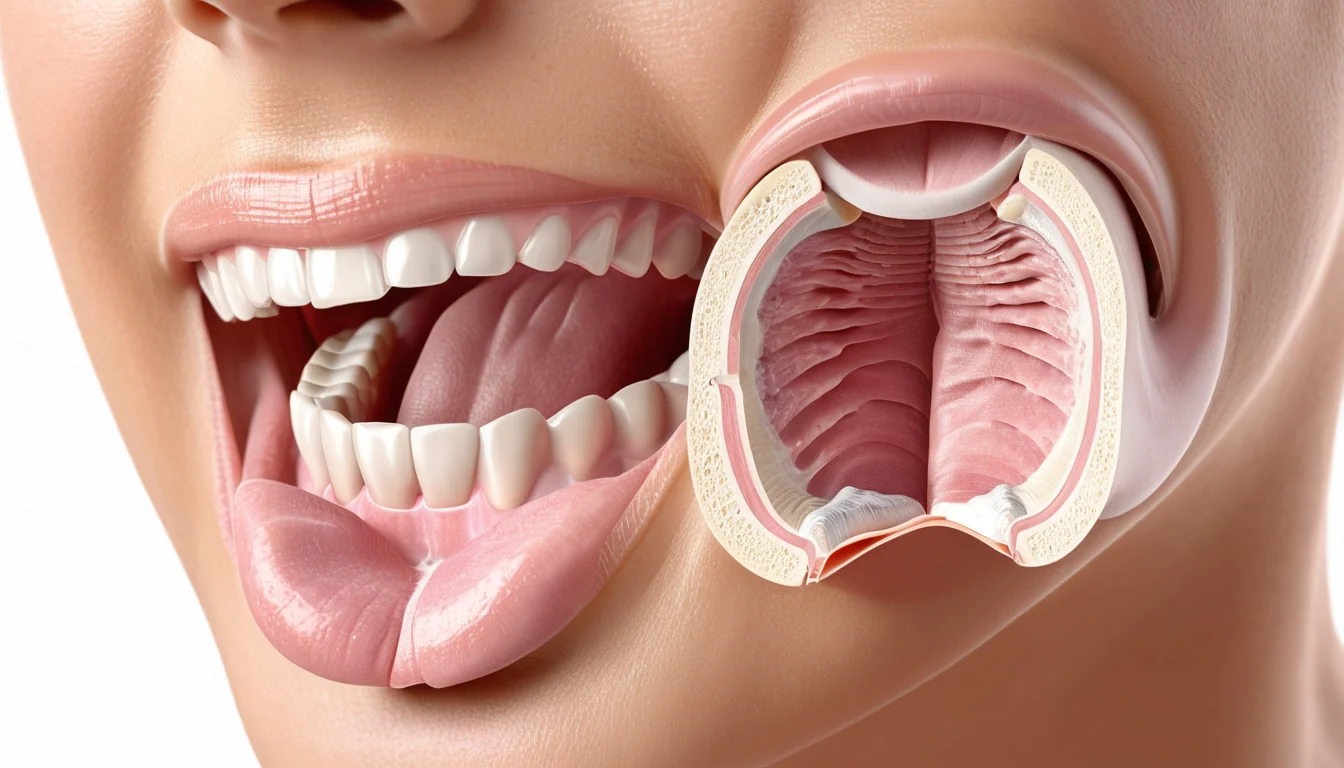
Macroglossia is a medical condition in which the tongue is abnormally large for the size of the mouth, making it difficult to eat, speak, or breathe normally. Though rare, this condition is seen more often in children than in adults across Canada and is almost always a sign of another underlying health issue rather than a standalone disease.
How Is Macroglossia Diagnosed and Treated in Canada?
Recognizing the enlarged tongue causes and symptoms early can make a significant difference in outcomes, especially for young children. Whether you are a parent noticing signs in your child or an adult experiencing tongue-related difficulties, understanding the available diagnosis and treatment options in Canada can help you take the right next steps toward proper care.
What Is Macroglossia?
| Type / Cause | Key Characteristics | Associated Conditions | Management Approach |
|---|---|---|---|
| Congenital Macroglossia | Present at birth; tongue enlarged due to abnormal tissue development; may worsen as child grows | Down syndrome (Trisomy 21), Beckwith-Wiedemann syndrome | Speech therapy, orthodontic evaluation, surgical reduction (glossectomy) in severe cases |
| Metabolic / Storage Disorders | Gradual tongue enlargement due to abnormal substance accumulation in tissue | Hypothyroidism, acromegaly, mucopolysaccharidoses (e.g., Hurler syndrome) | Treat underlying condition; hormone therapy for hypothyroidism; enzyme replacement therapy where applicable |
| Vascular / Structural Anomalies | Enlargement caused by abnormal blood or lymphatic vessel growth within tongue tissue | Hemangioma, lymphangioma, vascular malformations | Laser therapy, sclerotherapy, surgical excision; monitored by pediatric specialists in Canadian centres |
| Infiltrative / Systemic Disease | Abnormal protein or cell deposits cause progressive, firm tongue enlargement | Amyloidosis, multiple myeloma, sarcoidosis | Treat primary systemic disease; chemotherapy or immunotherapy as directed by hematologist or internist |
| Inflammatory / Allergic Macroglossia | Acute or chronic swelling due to immune response; may onset rapidly | Angioedema, severe allergic reactions, Ludwig’s angina | Antihistamines, corticosteroids, epinephrine for anaphylaxis; emergency care at Canadian emergency departments if airway is compromised |
| Neoplastic Macroglossia | Tumour growth within or involving the tongue causes localized or diffuse enlargement | Squamous cell carcinoma, rhabdomyosarcoma, lymphoma | Oncology referral; treatment may include surgery, radiation, and/or chemotherapy based on tumour type and stage |
The word macroglossia comes from Greek roots meaning “large tongue.” A person with this condition has a tongue that is too big to fit comfortably inside the mouth. As a result, the tongue often protrudes, or sticks out, past the lips.
Macroglossia is almost never a condition by itself. Instead, it is usually a sign of an inherited disorder or an acquired medical condition. Because it is difficult to measure objectively, its exact prevalence in Canada is not well known.
Signs and Symptoms of Macroglossia
The most noticeable sign of macroglossia is a tongue that rests outside the mouth. However, there are several other symptoms that can affect daily life. These symptoms can range from mild to severe.
Common signs and symptoms include:
- High-pitched, wheezing breathing caused by a partially blocked airway
- Low-pitched, snoring breathing during sleep or rest
- Difficulty eating solid or liquid foods, also called dysphagia
- Excessive drooling, which can be a social concern for children
- Speech difficulties, including slurred or unclear pronunciation
- Tongue protrusion, where the tongue rests outside the mouth
In addition, an enlarged tongue can affect the development of teeth and the jaw in growing children. This can lead to misaligned teeth or changes in the shape of the face over time.
Causes of Macroglossia
Macroglossia has many possible causes. These are generally divided into two groups: conditions you are born with (inherited) and conditions you develop during your lifetime (acquired).
Inherited Conditions Linked to Macroglossia
Several genetic and inherited conditions are known to cause an enlarged tongue. These conditions are present from birth and are often identified in newborns or young children.
- Beckwith-Wiedemann Syndrome: This is a growth disorder that causes larger-than-normal body size, enlarged organs, and an increased risk of certain cancers. About 90% of children with this syndrome also have macroglossia.
- Hunter Syndrome (Mucopolysaccharidosis): This is a group of diseases that affect the body’s ability to break down certain sugar molecules. Over time, this leads to a build-up that can enlarge the tongue and other tissues.
- Down Syndrome: Children born with Down syndrome have an extra chromosome. This affects brain development and physical function. An enlarged tongue or reduced muscle tone in the tongue is common in this condition.
Acquired Conditions Linked to Macroglossia
Some people develop macroglossia later in life because of a medical condition, infection, or treatment. These acquired causes are important to identify because treating the underlying condition often helps reduce tongue enlargement.
- Hypothyroidism: This is a common condition in Canada where the thyroid gland does not produce enough thyroid hormone. It slows the body’s metabolism. Hypothyroidism is one of the most frequent acquired causes of macroglossia, especially in children. Your family doctor can check for this with a simple blood test. You can learn more about thyroid health from Health Canada.
- Acromegaly: This is a rare hormonal disorder where the body produces too much growth hormone. People with acromegaly often experience enlargement of the tongue, jaw, hands, and feet.
- Amyloidosis: This is a condition where abnormal proteins build up in organs and tissues, causing them to stop working properly. Macroglossia is the most common oral symptom of amyloidosis.
- Diphtheria: This is a serious bacterial infection that can cause severe inflammation and swelling of the tongue. It is rare in Canada due to routine childhood vaccination.
Tumours Associated with Macroglossia
In some cases, macroglossia is caused by a tumour growing in or around the tongue. These tumours can be benign (non-cancerous) or malignant (cancerous).
- Lymphangioma: A benign tumour that grows in the lymphatic system. It can cause cysts to form on the lining of the mouth and tongue.
- Haemangioma: A benign tumour made up of extra blood vessels. These often appear in infants and may shrink on their own over time.
- Lymphoma: A cancer of the lymphatic system that can cause swelling in multiple areas, including the tongue.
For more detailed information on tongue conditions and oral health, visit the Mayo Clinic’s oral health resource centre.
How Is Macroglossia Diagnosed?
Diagnosing macroglossia involves two steps. First, a doctor confirms that the tongue is enlarged. Second, they work to identify any underlying condition causing it.
Your family doctor or a specialist will begin with a physical examination. They will look at your tongue and check the surrounding structures of your head and neck. They may also ask about your medical history and any family history of genetic conditions.
Further tests may include:
- CT Scan (Computed Tomography): This imaging test creates detailed, three-dimensional pictures of the mouth, head, and neck. It helps doctors see the full size and position of the tongue.
- MRI (Magnetic Resonance Imaging): This test uses magnetic waves to produce clear images of soft tissues and organs. It is often used alongside a CT scan for a more complete picture.
- Blood tests: These can check for thyroid function, hormone levels, or signs of infection or metabolic disorders.
- Genetic testing: If an inherited syndrome is suspected, a referral to a medical geneticist may be recommended through your provincial health plan.
Treatment Options for Macroglossia
Treatment for macroglossia depends on its cause and how much it affects daily life. In some infants and young children, the condition improves on its own as the bones and muscles of the face grow and develop.
However, when treatment is needed, doctors usually focus on two things at once: treating the underlying condition and managing the enlarged tongue directly.
Treating the Underlying Condition
For example, if macroglossia is caused by hypothyroidism, thyroid hormone replacement therapy can reduce tongue swelling over time. Similarly, treating amyloidosis or a tumour may lead to improvement in tongue size. This approach targets the root cause rather than just the symptom.
Direct Treatments for an Enlarged Tongue
- Corticosteroids: These medications help reduce inflammation and swelling. They are often used when the enlargement is caused by an inflammatory or immune-related condition.
- Orthodontic and dental treatment: A dentist or orthodontist can help manage the effects of an enlarged tongue on tooth alignment and jaw development.
- Surgery (Glossectomy): In about 10% of macroglossia cases, surgery is needed to reduce the size of the tongue. This is typically recommended when the condition severely affects breathing, eating, or speech. Surgical care is available through provincial health systems with a referral from your family doctor.
- Speech therapy: A speech-language pathologist can help children and adults improve communication skills affected by tongue size.
For a broader overview of conditions affecting the mouth and throat, Healthline offers helpful guides on oral and throat health.
Macroglossia in Children
Macroglossia is more commonly identified in children than in adults. In many cases, it points to an inherited condition that needs early diagnosis and management.
If you notice that your child’s tongue appears too large for their mouth, or if they are having trouble feeding, breathing, or speaking, bring it up with your paediatrician as soon as possible. Early identification can make a significant difference in outcomes. A referral to a paediatric geneticist may also be appropriate, depending on the suspected cause.
Some newborns show signs of macroglossia right after birth. In these cases, the hospital team will usually arrange follow-up care before discharge.
When to See a Doctor
You should speak with a healthcare provider if you or your child shows any signs of an enlarged tongue. In Canada, your first point of contact is typically your family doctor. If you do not have a family doctor, a walk-in clinic can assess you and arrange referrals if needed.
Seek immediate care at an emergency department if the tongue swelling is causing severe breathing difficulty. This is a medical emergency and should not be managed at home.
If macroglossia has already been diagnosed and you are receiving treatment for an underlying condition, continue that treatment and report any changes to your doctor. Do not hesitate to ask for a referral to a specialist, such as an endocrinologist, oral surgeon, or geneticist, through your provincial health plan.
Always consult a qualified healthcare professional before making any decisions about your health or your child’s health. This article is for informational purposes only and does not replace medical advice.
Frequently Asked Questions About Macroglossia
What is macroglossia and what causes it?
Macroglossia is a condition where the tongue is abnormally large for the size of the mouth. It is usually caused by an underlying condition such as Down syndrome, hypothyroidism, Beckwith-Wiedemann syndrome, or a tumour. In rare cases, macroglossia can occur without any other medical condition.
Is macroglossia dangerous?
Macroglossia can be serious if it affects breathing, eating, or speech. In severe cases, an enlarged tongue can partially block the airway, which requires urgent medical attention. However, many people with mild macroglossia manage well with appropriate treatment of the underlying cause.
Can macroglossia go away on its own?
In some infants and young children, macroglossia improves naturally as the face and jaw grow larger. However, this depends on the underlying cause. If macroglossia is linked to a treatable condition such as hypothyroidism, treating that condition can also reduce tongue size over time.
How is macroglossia treated in Canada?
Treatment for macroglossia in Canada typically starts with your family doctor or paediatrician, who can refer you to the right specialist. Options include medication, orthodontic treatment, speech therapy, and in about 10% of cases, surgery to reduce tongue size. Coverage may be available through your provincial health plan.
Is macroglossia common in children with Down syndrome?
Yes, an enlarged or protruding tongue is commonly associated with Down syndrome. However, in many children with Down syndrome, the tongue appears large partly because of reduced muscle tone rather than the tongue itself being abnormally sized. A paediatrician can assess your child and recommend appropriate support.
What is the difference between macroglossia and a swollen tongue?
According to Mayo Clinic’s overview of tongue-related conditions, this information is supported by current medical research.
For more information, read our guide on other rare conditions like cholesteatoma.
Macroglossia refers to a tongue that is structurally enlarged, often due to a chronic or inherited condition. A swollen tongue, on the other hand, is usually caused by a temporary issue such as an allergic reaction, infection, or injury. If your tongue swells suddenly, seek medical attention right away as it may signal a serious allergic reaction.
Key Takeaways
- Macroglossia means having an abnormally large tongue that may protrude outside the mouth.
- It is most often a sign of another condition, such as Down syndrome, hypothyroidism, or Beckwith-Wiedemann syndrome.
- Symptoms can include difficulty breathing, eating, speaking, and excessive drooling.
- Diagnosis involves a physical exam, imaging tests like CT or MRI, and blood or genetic testing.
- Treatment focuses on the underlying cause and may include medication, dental care, speech therapy, or surgery in serious cases.
- Macroglossia is more common in children, and early diagnosis leads to better outcomes.
- In Canada, your family doctor or a walk-in clinic is your first step. Specialist referrals are available through provincial health plans.
- Always speak with a healthcare professional if you are concerned about tongue size or related symptoms in yourself or your child.
Frequently Asked Questions
What is macroglossia?
Macroglossia is a medical condition characterized by an abnormally enlarged tongue that may protrude beyond the teeth or lips. It can be congenital (present at birth) or acquired later in life. Common causes include Down syndrome, Beckwith-Wiedemann syndrome, hypothyroidism, tumours, and certain storage disorders affecting tongue tissue.
What are the symptoms of macroglossia?
Symptoms of macroglossia include a visibly enlarged tongue that extends past the teeth, difficulty speaking, swallowing, or breathing, excessive drooling, open-bite dental problems, and sleep apnea. In severe cases, it can cause feeding difficulties in infants and noticeable changes in facial structure over time.
How is macroglossia treated in Canada?
Treatment depends on the underlying cause and severity. Mild cases may require speech therapy or orthodontic care. Moderate to severe macroglossia is often treated with surgical tongue reduction (glossectomy), performed by oral and maxillofacial surgeons. Treating the root cause, such as managing hypothyroidism or a tumour, is also essential.
Can macroglossia be prevented?
Most cases of macroglossia cannot be prevented, as many causes are genetic or congenital. However, early management of underlying conditions like hypothyroidism or acromegaly may reduce tongue enlargement. Routine prenatal care and early genetic screening can help identify associated syndromes before or shortly after birth.
When should you see a doctor about an enlarged tongue?
See a doctor promptly if you or your child has a tongue that protrudes beyond the lips, causes breathing difficulties, interferes with feeding or speech, or appears suddenly enlarged. Emergency care is needed if swelling obstructs the airway. Early diagnosis ensures timely treatment and prevents complications.

About the Author
Dr. Linda Chen, RD, PhDDr. Linda Chen is a registered dietitian and PhD in Nutritional Sciences from the University of British Columbia. With expertise in clinical nutrition, sports dietetics, and gut health, she has worked with leading Canadian hospitals and sports organizations. Dr. Chen is a member of Dietitians of Canada and regularly contributes to national nutrition policy discussions.
View all articles →