
Neck Pain from Injury: Causes, Types & Prevention Canada

Share
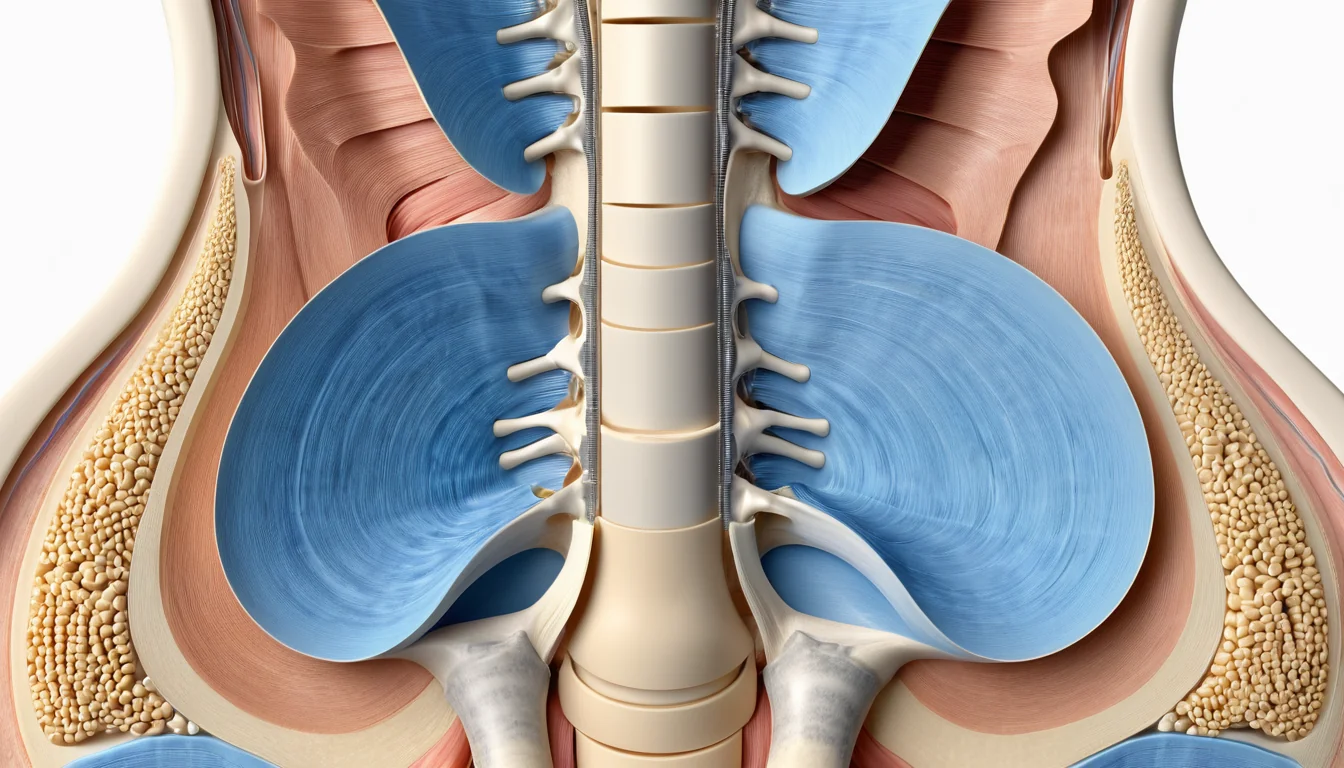
Neck pain from injury is one of the most common reasons Canadians visit their family doctor, a walk-in clinic, or an emergency room each year. Whether caused by a car accident, a sports collision, a workplace incident, or even a sudden awkward movement, the resulting pain can range from mild stiffness to severe, debilitating discomfort that disrupts daily life. Understanding what type of injury you are dealing with is the critical first step toward getting the right care and recovering safely.
Understanding Neck Pain from Injury: Why It Happens and Who Is at Risk
The cervical spine is a remarkably complex structure, and its vulnerability to damage means that conditions like whiplash neck injury, muscle strains, and pinched nerves are extremely common across all age groups in Canada. In this comprehensive guide, you will learn about the most frequent causes and types of neck injuries, how to recognize warning signs, and what steps you can take to protect yourself. Always consult a qualified healthcare provider if you experience persistent or worsening neck pain — early intervention makes a real difference in recovery outcomes.
Why Is the Neck So Vulnerable to Injury?
| Injury Type | Common Characteristics | Typical Symptoms | Recommended Management |
|---|---|---|---|
| Whiplash (Cervical Acceleration-Deceleration) | Rapid back-and-forth neck movement; most common in rear-end motor vehicle collisions | Neck stiffness, headache, shoulder pain, reduced range of motion, fatigue | Active rehabilitation, physiotherapy, gradual return to activity; avoid prolonged cervical collar use |
| Cervical Strain or Sprain | Overstretching or tearing of muscles, tendons, or ligaments in the neck | Localized pain, muscle spasm, tenderness, swelling, difficulty turning head | Rest, ice/heat therapy, NSAIDs, gentle stretching, physiotherapy as symptoms allow |
| Cervical Herniated Disc | Disc material pushes beyond its normal boundary, often from trauma or repetitive strain | Sharp radiating arm pain (radiculopathy), numbness, tingling, weakness in hands or fingers | Conservative care first (physiotherapy, medication); surgery considered if neurological deficits persist beyond 6–12 weeks |
| Cervical Fracture | Break in one or more cervical vertebrae; result of high-impact trauma such as falls or sports injuries | Severe neck pain, inability to move neck, possible neurological symptoms or loss of sensation | Immediate immobilization, emergency medical care; surgical stabilization or halo brace depending on severity |
| Stinger or Burner Injury | Compression or stretching of the brachial plexus nerve; common in contact sports such as hockey and football | Brief burning or electric shock sensation down one arm, temporary weakness or numbness | Removal from activity until symptoms fully resolve; neurological assessment if recurrent; gradual return-to-play protocol |
The neck, also called the cervical spine, supports the full weight of your head — roughly 5 kilograms. It also allows a wide range of movement in every direction. This combination of weight and flexibility makes it one of the most injury-prone areas of the body.
The cervical spine contains seven vertebrae, along with muscles, ligaments, nerves, and discs. Any force or sustained pressure on these structures can lead to neck pain from injury. Understanding what caused your pain is the first step toward the right treatment.
Common Causes of Neck Pain from Injury
Many everyday situations can put your neck at risk. Some causes are sudden and traumatic, while others build up slowly over time. Here are the most common ones Canadians should know about.
- Car accidents — especially rear-end collisions
- Falls — from stairs, ladders, or slipping on ice
- Improper lifting — picking up heavy objects with poor technique
- Repetitive movements — such as long hours at a computer
- Contact sports — football, hockey, and rugby carry high collision risk
- Diving into unknown water — hitting the bottom or an underwater obstacle
- Sleeping in an awkward position — especially with an unsupportive pillow
Depending on the cause, neck pain may come with other symptoms. These can include headaches, shoulder pain, numbness, or tingling in the arms and hands. If you notice any of these alongside neck pain, it is important to seek medical advice promptly.
Types of Neck Injuries You Should Know
Not all neck injuries are the same. Each type affects different tissues and requires a different approach to treatment. Here is a breakdown of the most common types of neck pain from injury seen in Canadian clinics.
Whiplash
Whiplash is the most well-known neck injury. It happens when the neck snaps forward and backward rapidly, usually in a rear-end car collision. This sudden movement overstretches the soft tissues of the neck — muscles, ligaments, and nerves.
Symptoms of whiplash include neck pain and stiffness, headaches starting at the base of the skull, dizziness, and tingling or numbness in the arms. Some people feel fine right after an accident, but symptoms can appear hours or even days later. If you have been in a collision, it is worth checking in with your family doctor even if you feel okay initially.
According to the Mayo Clinic’s overview of whiplash, most people recover fully with conservative treatment, including rest, physiotherapy, and over-the-counter pain relief.
Neck Strain and Sprain
A neck strain involves overstretched or torn muscles. A sprain involves the ligaments. Both are common in sports and can also result from lifting something too heavy without proper form. The pain is usually worse with any movement of the neck.
However, the good news is that most strains and sprains heal well with rest and anti-inflammatory medications like ibuprofen or naproxen. Your pharmacist or doctor can help you choose the right option. Following the R.I.C.E. method — Rest, Ice, Compression, and Elevation — can also help in the first 48 hours.
Stiff Neck from Poor Posture
Spending hours at a computer, reading in bed, or sleeping on a pillow that doesn’t support your neck can cause muscle tension over time. This is sometimes called “tech neck” and is increasingly common among Canadians who work from home.
The muscles along the back of the neck become overworked and tight. Over time, this can lead to chronic neck pain if the underlying habits don’t change. Simple ergonomic adjustments to your workspace can make a significant difference.
Pinched Nerve in the Neck
A pinched nerve, or cervical radiculopathy, happens when a nerve in the neck is compressed or irritated. This is a common sports injury but can also occur from everyday activities. It causes neck pain that may radiate down the arm, along with numbness, tingling, or a burning sensation.
The symptoms from a pinched nerve often ease on their own within a few weeks. In the meantime, a healthcare provider may recommend physiotherapy, a soft neck collar, or medication to manage discomfort. For more information, visit Healthline’s guide to pinched nerves in the neck.
Herniated Disc in the Neck
Between each vertebra in your neck sits a disc — a cushion-like pad that absorbs shock. Heavy lifting or sudden trauma can cause one of these discs to slip or rupture. When that happens, it can press on nearby nerves, causing pain that travels from the neck down into the arm or hand.
A herniated disc in the neck often improves with physiotherapy and rest. In more severe cases, a specialist may discuss additional options. Your family doctor can refer you to the right provider through your provincial health plan.
Spinal Cord Injury
This is the most serious type of neck injury. It can happen when trauma is severe enough to damage the vertebrae protecting the spinal cord — for example, in a high-speed car crash or diving accident. Spinal cord injuries can cause partial or complete paralysis and are considered medical emergencies.
If someone suffers a suspected spinal cord injury, do not move them. Call 911 immediately. Health Canada’s resources on spinal cord injuries provide guidance on prevention and support for those affected.
Can Neck Pain Be Caused by Nerve Damage?
Yes — and this is an important question. When neck pain from injury is accompanied by symptoms spreading into the arms, hands, or fingers, a cervical nerve may be involved. Nerves are specialized cells that carry signals between the brain, spinal cord, and the rest of the body.
When a nerve in the neck is damaged, compressed, or irritated, it can disrupt these signals. As a result, you may feel pain, numbness, tingling, or weakness far from the site of the original injury. This is why neck pain is never just a “neck problem” — it can affect your entire upper body.
What Causes Nerve Damage in the Neck?
Several conditions can lead to nerve involvement in the cervical spine. The most common include:
- Herniated disc — a displaced disc presses directly on a nerve root
- Cervical stenosis — the spinal canal narrows, squeezing nearby nerves
- Degenerative disc disease — natural aging causes discs to wear down, reducing cushioning and increasing nerve pressure
- Bone spurs — bony growths that develop near worn joints and irritate nerve tissue
A proper medical evaluation is the only way to know if a nerve is involved. Your family doctor may order imaging such as an X-ray or MRI to get a clearer picture.
How to Prevent Neck Injuries
Many common neck injuries are preventable. Small changes in daily habits and safety practices can go a long way in protecting your cervical spine. Here are practical steps recommended for Canadians of all ages.
- Always wear your seatbelt — it is the single most effective way to reduce whiplash risk in a car accident
- Never drink and drive — impaired driving significantly raises collision risk
- Check water depth before diving — always enter feet-first in unfamiliar water to avoid hitting your head or neck on the bottom
- Wear a helmet — when riding a motorcycle, snowmobile, or ATV, a properly fitted helmet protects your entire head and neck
- Use proper lifting technique — bend at the knees, keep your back straight, and hold objects close to your body
- Set up an ergonomic workspace — keep your monitor at eye level and take breaks to stretch your neck and shoulders
- Use a supportive pillow — choose a pillow that keeps your neck aligned with your spine while you sleep
- Strengthen your neck muscles — regular exercise and physiotherapy can build the support structures around your cervical spine
In contact sports like hockey and football, avoiding head-first collisions and wearing appropriate protective gear are essential safety measures. Many provincial sport organizations in Canada have updated their rules to reduce head and neck injuries among youth athletes.
When to See a Doctor for Neck Pain
Not all neck pain needs an emergency room visit, but some situations absolutely do. Seek emergency care immediately if neck pain follows a serious accident or fall, or if you experience weakness, numbness, or loss of coordination in your arms or legs. These may signal a spinal cord injury.
For less urgent but persistent neck pain, start with your family doctor. If you don’t have one, most provinces have walk-in clinics where you can be assessed without an appointment. Your doctor may refer you to a physiotherapist, chiropractor, or specialist, all of which may be partially covered under your provincial health plan.
As a general rule, if your neck pain from injury has not improved after one to two weeks of rest and over-the-counter treatment, it is time to get it checked out. Early evaluation leads to better outcomes and can rule out more serious causes.
Frequently Asked Questions About Neck Pain from Injury
How long does neck pain from injury usually last?
The duration depends on the type and severity of the injury. Minor neck strains and whiplash often improve within a few weeks with rest and proper care. However, more complex injuries involving nerves or discs may take several months and may require physiotherapy or specialist treatment.
When is neck pain from injury a medical emergency?
Neck pain is a medical emergency when it follows a serious accident, fall, or diving injury. You should call 911 immediately if there is numbness, weakness, or paralysis in the arms or legs alongside neck pain. These symptoms may indicate a spinal cord injury, which requires urgent care.
Can whiplash cause long-term neck pain?
Yes, some people experience long-term or chronic neck pain after whiplash, especially if the injury was severe or left untreated. Early physiotherapy and appropriate pain management can reduce the risk of chronic symptoms. Speak with your family doctor to get a proper care plan started as soon as possible.
What is the difference between a neck strain and a neck sprain?
A neck strain involves injury to the muscles or tendons in the neck, while a neck sprain involves the ligaments. Both cause pain and stiffness, and both are common results of sports injuries or accidents. Treatment for each is similar and usually includes rest, ice, and anti-inflammatory medication.
Can poor posture really cause neck pain from injury?
Poor posture does not cause sudden trauma, but it can gradually injure the muscles and joints of the neck over time. Holding your neck in an awkward position for hours — such as looking down at a phone — places ongoing strain on the cervical spine. This cumulative stress is a very real and growing cause of neck pain among Canadians.
Is physiotherapy covered for neck injuries in Canada?
According to Mayo Clinic’s overview of neck pain symptoms and causes, this information is supported by current medical research.
For more information, read our guide on pressure-related conditions like airplane ear.
Coverage varies by province and by the cause of your injury. Some provincial health plans offer partial coverage for physiotherapy, and many workplace or private insurance plans cover additional sessions. If your neck injury resulted from a car accident, your auto insurance policy may also provide coverage — check with your insurer for details.
Key Takeaways
- Neck pain from injury can result from car accidents, falls, sports, heavy lifting, or poor posture.
- The most common types of neck injury include whiplash, strains and sprains, pinched nerves, and herniated discs.
- Symptoms can include neck stiffness, headaches, and tingling or numbness that travels into the arms.
- Spinal cord injuries are rare but serious — call 911 if you suspect one after a major accident.
- Many neck injuries can be prevented with seatbelts, helmets, safe lifting habits, and good posture.
- If your neck pain does not improve within one to two weeks, visit your family doctor or a walk-in clinic.
- Always consult a qualified healthcare provider before starting any treatment programme for neck pain.
Frequently Asked Questions
What is neck pain from injury?
Neck pain from injury occurs when trauma damages the cervical spine’s muscles, ligaments, discs, or vertebrae. Common causes include whiplash from car accidents, sports collisions, and falls. It ranges from mild muscle soreness to severe nerve compression, often causing stiffness, restricted movement, and radiating pain into the shoulders or arms.
What are the most common symptoms of neck pain from injury?
Common symptoms include sharp or aching neck pain, stiffness, reduced range of motion, headaches, and muscle spasms. Nerve involvement may cause tingling, numbness, or weakness radiating into the shoulders, arms, or hands. Symptoms can appear immediately after injury or develop gradually over 24 to 48 hours.
How is an injured neck treated in Canada?
Treatment typically begins with rest, ice or heat therapy, and over-the-counter pain relievers like ibuprofen or acetaminophen. Physiotherapy, chiropractic care, and massage therapy are commonly covered through provincial health plans or private insurance. Severe cases may require prescription medications, corticosteroid injections, or surgical consultation with a specialist.
When should you see a doctor for neck pain after an injury?
Seek immediate medical attention if neck pain follows a significant impact and is accompanied by numbness, tingling, weakness in the arms or legs, severe headache, dizziness, or loss of bladder control. These symptoms may indicate spinal cord involvement or fracture, requiring urgent evaluation at an emergency department or urgent care clinic.
How can you prevent neck pain from injury during sports or daily activities?
Prevention includes strengthening neck and upper back muscles through regular exercise, maintaining good posture, using proper protective equipment during contact sports, and adjusting workstation ergonomics. Always wear a seatbelt while driving. Avoiding prolonged screen time without breaks also significantly reduces the risk of strain-related cervical injuries.

About the Author
Dr. Sarah Mitchell, MDDr. Sarah Mitchell is a board-certified family physician with over 15 years of clinical experience. She completed her MD at the University of Toronto and her residency at Toronto General Hospital. Dr. Mitchell specializes in preventive medicine and chronic disease management. She is a member of the College of Family Physicians of Canada (CFPC) and has published over 30 peer-reviewed articles on preventive health care.
View all articles →