Airplane ear is one of the most common complaints among Canadian air travellers, causing uncomfortable pressure, popping, or pain in the ears during a flight. Whether you are flying from Toronto to Vancouver or heading overseas, that strange blocked sensation during takeoff and landing affects millions of passengers every year. The good news is that airplane ear is almost always temporary and easy to manage with a few simple strategies.
What Causes Airplane Ear and How Can You Treat It?
The discomfort occurs when cabin air pressure changes faster than your Eustachian tube can adjust, creating an imbalance between the pressure inside and outside your middle ear. This is medically known as ear barotrauma, and it is especially noticeable during rapid climbs and descents. Understanding why it happens and how to prevent it can make your next flight far more comfortable.
What Is Airplane Ear?
Treatment Options for Airplane Ear: A Comparison Guide
| Treatment Option | How It Works | Benefits | Considerations |
|---|---|---|---|
| Valsalva Maneuver | Pinch nose, close mouth, and gently blow to equalize pressure in the middle ear | Immediate relief; no cost; available anywhere | Avoid blowing too forcefully; not recommended if you have a cold or sinus infection |
| Decongestant Nasal Spray (e.g., Otrivin) | Reduces swelling in nasal passages and Eustachian tube to improve pressure equalization | Fast-acting; available over the counter at Canadian pharmacies | Use 30–60 minutes before descent; not suitable for children under 6 or those with high blood pressure |
| Oral Decongestants (e.g., pseudoephedrine) | Systemic reduction of mucosal swelling to open the Eustachian tube | Effective for moderate airplane ear symptoms; widely available in Canada | May cause increased heart rate or insomnia; requires valid ID at Canadian pharmacies |
| Pressure-Equalizing Earplugs (e.g., EarPlanes) | Filter and slow air pressure changes reaching the eardrum during ascent and descent | Drug-free; reusable; suitable for children and frequent flyers | Must be inserted before takeoff; available at most Canadian airports and pharmacies |
| Yawning and Swallowing | Activates muscles that open the Eustachian tube, allowing pressure to equalize naturally | Completely natural; safe for all ages including infants | May not be sufficient for severe pressure changes or blocked Eustachian tubes |
| Medical Consultation (ENT Specialist) | Assessment and treatment of underlying conditions such as chronic Eustachian tube dysfunction | Addresses root cause; may prevent recurrent airplane ear episodes | Referral typically required through a family physician under provincial health plans |
Airplane ear is the discomfort you feel in your ears when air pressure changes rapidly during a flight. It most often happens during takeoff and landing, when the plane climbs or descends quickly. The medical term for this condition is ear barotrauma, but most Canadians simply call it airplane ear.
In normal conditions, the air pressure inside and outside your ears is balanced. However, when a plane changes altitude quickly, the cabin pressure shifts. Your ears need time to catch up, and until they do, you may feel pain, stuffiness, or a blocked sensation. Some people also notice muffled hearing or a popping sound.
Why Does Airplane Ear Happen? The Role of the Eustachian Tube
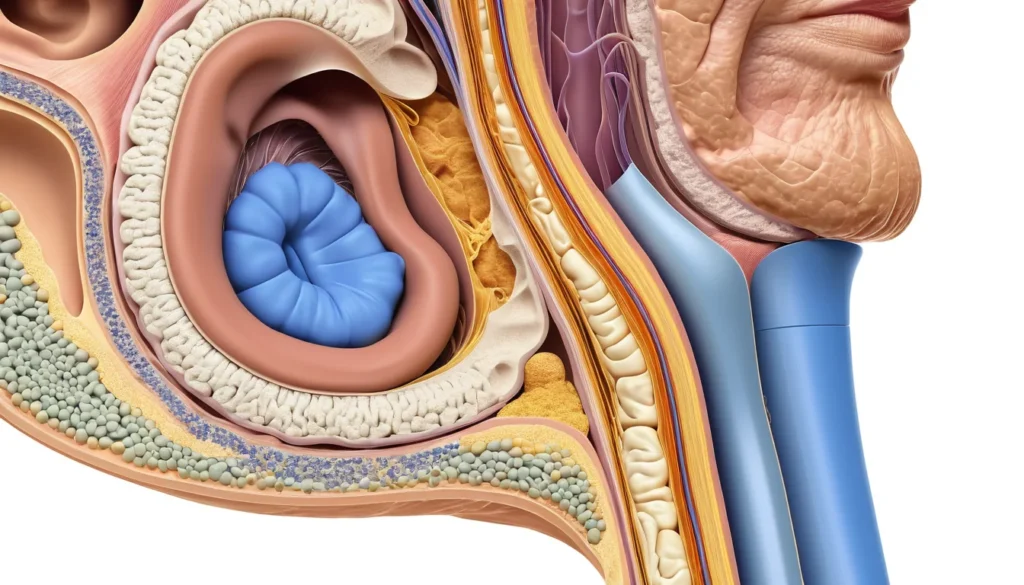
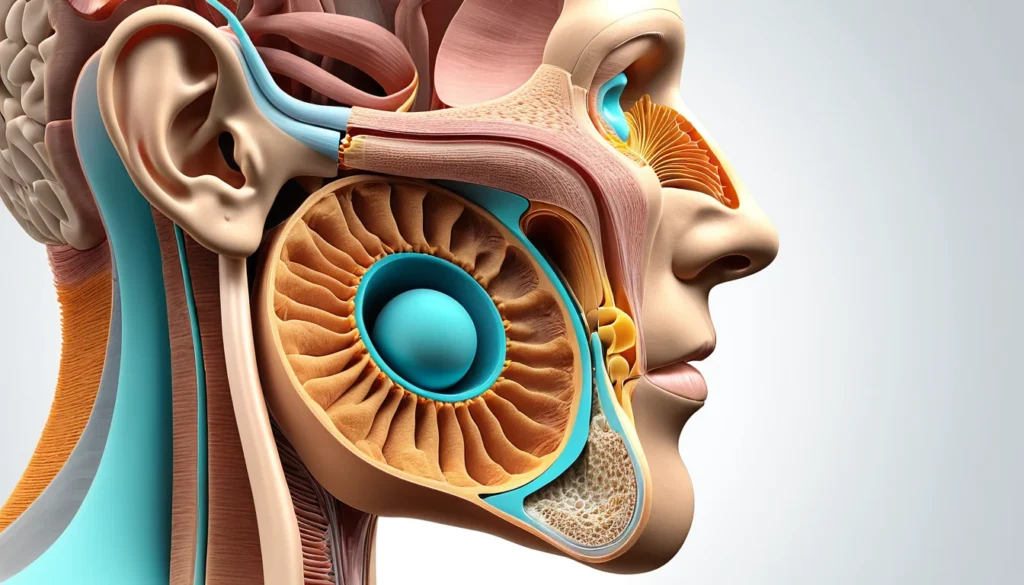
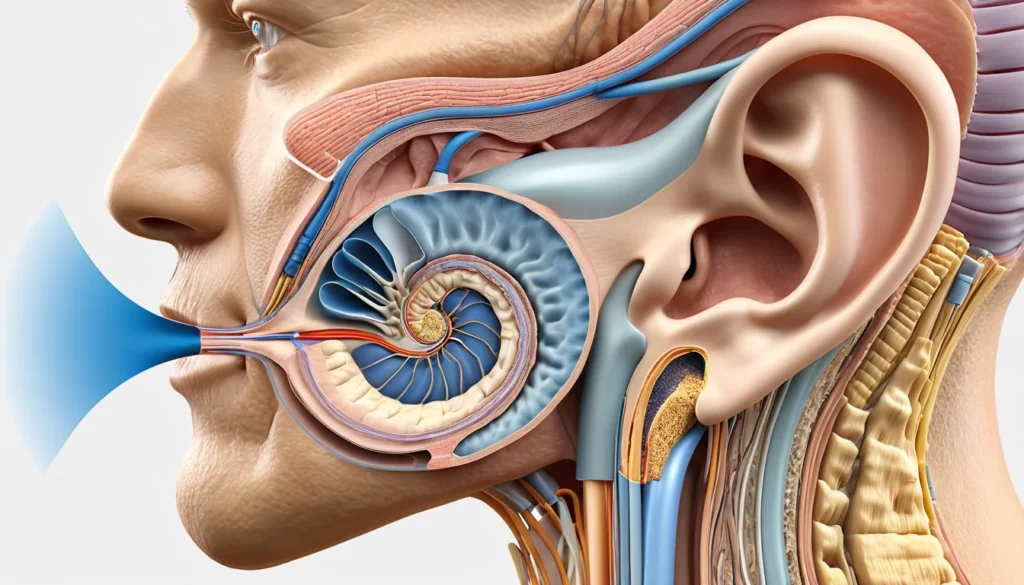
The key player here is a small passage called the Eustachian tube. This narrow tube connects your middle ear to the back of your nose and throat. It opens and closes every time you swallow or yawn, which helps keep the air pressure on both sides of your eardrum equal.
When cabin pressure changes too quickly, the Eustachian tube does not have enough time to react. As a result, there may be too much or too little air behind your eardrum. This pressure imbalance pushes on your eardrum, causing pain and affecting how well you can hear. Sounds may become muffled and hard to make out.
Furthermore, certain conditions make the Eustachian tube work less effectively. If you are flying with a cold, sinus infection, nasal congestion, or seasonal allergies, your Eustachian tubes may already be partially blocked. This makes airplane ear symptoms worse and harder to relieve. According to Mayo Clinic’s overview of airplane ear, people with these conditions are at higher risk for discomfort during flights.
Who Is at Risk?
Anyone who flies can experience airplane ear. However, some people are more likely to feel stronger symptoms. These include people with a cold or upper respiratory infection, those with sinus congestion or allergies, and individuals with a history of ear infections.
Children are also more vulnerable. Their Eustachian tubes are smaller and positioned differently than in adults, making it harder for pressure to equalise. Infants cannot deliberately swallow or yawn on demand, which is why they often cry during descent. If you are flying with a baby, feeding them during takeoff and landing helps trigger the swallowing reflex and eases the pressure naturally.
Symptoms of Airplane Ear
Airplane ear symptoms can range from mild to quite uncomfortable. They are most common during descent, but can also occur during takeoff. Symptoms usually clear up once the plane lands and pressure equalises.
Common symptoms include:
Blocked or stuffed ears that feel full or plugged
Discomfort or pain deep inside the ear
Muffled or reduced hearing that makes sounds seem distant
A popping or clicking sensation as the ear tries to adjust
Temporary ringing in the ears (tinnitus) in some cases
In most cases, these symptoms disappear within minutes to hours after landing. However, if symptoms persist for more than a day or become severe, it is worth getting checked out.
How to Relieve Airplane Ear During Your Flight
There are several effective ways to prevent and relieve airplane ear. Most of them are easy to do right in your seat. The key is to stay awake during takeoff and landing so you can respond quickly when discomfort begins.
Swallowing and Yawning
Swallowing and yawning are two of the most natural ways to open the Eustachian tubes. Try to swallow or yawn as soon as you feel pressure building in your ears. Doing this repeatedly helps the tube open wider and equalise pressure more effectively.
Chewing Gum
Chewing gum during takeoff and descent is a well-known and simple remedy. The constant chewing motion encourages frequent swallowing, which keeps the Eustachian tubes active. Keep a pack of gum in your carry-on bag as a easy preventive measure.
The Valsalva Manoeuvre
This technique involves gently blowing air through your nose while keeping your mouth closed and pinching your nostrils shut. The gentle pressure pushes air into the Eustachian tubes and helps equalise pressure behind the eardrum. Be careful not to blow too hard, as this can cause injury.
Decongestants and Nasal Sprays
If you are flying with a cold or allergies, consider taking an over-the-counter decongestant about 30 to 60 minutes before your flight. This can help reduce swelling in your nasal passages and allow your Eustachian tubes to open more easily. A saline nasal spray used before boarding can also help. Talk to your pharmacist at your local pharmacy to find the right option for you.
Filtered Earplugs for Flying
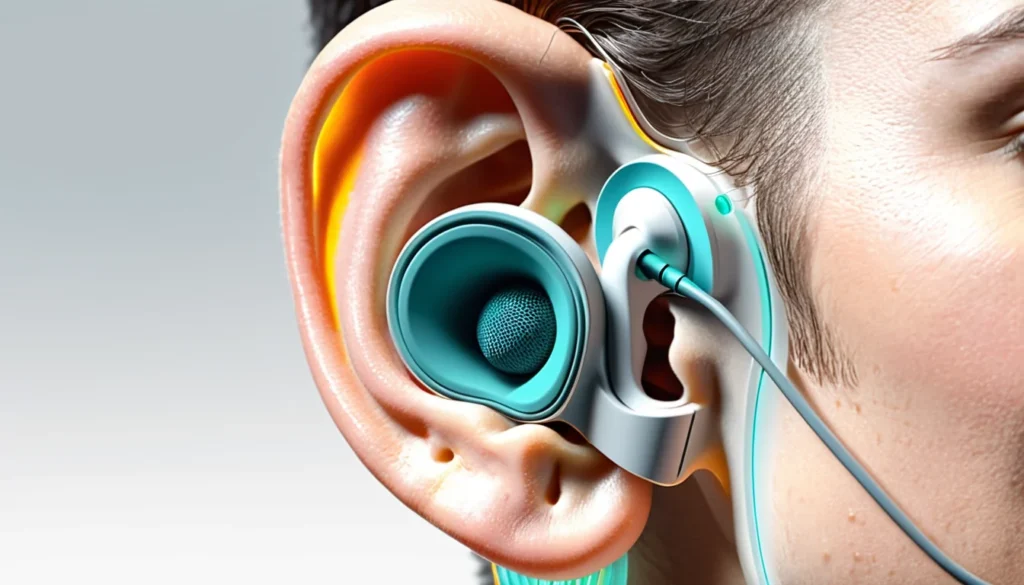
Specialised earplugs designed for flying are available at most pharmacies across Canada. These earplugs contain a small filter that slows the rate of pressure change reaching your eardrum. This gives your Eustachian tube more time to adjust. They are reusable and affordable, making them a great travel investment.
For more tips on protecting your hearing during travel, Healthline’s guide to airplane ear relief offers a helpful breakdown of evidence-based strategies.
When to See a Doctor
Airplane ear usually resolves on its own within a few hours of landing. However, sometimes the discomfort is more serious and needs medical attention. Do not ignore symptoms that linger or worsen after your flight.
Visit your family doctor or a walk-in clinic if you experience any of the following after flying:
Ongoing ear pain that does not improve within 24 hours
Persistent muffled hearing or hearing loss that does not clear up
Dizziness or vertigo, which is a spinning sensation that affects your balance
Fluid or blood draining from the ear
Ringing in the ears that continues after landing
These symptoms could point to a more serious issue, such as a perforated (ruptured) eardrum. A ruptured eardrum can happen when pressure is very severe. It causes sudden sharp pain that may then ease quickly, followed by drainage and hearing loss. In most cases, a ruptured eardrum heals on its own within a few weeks, but your doctor will want to confirm the diagnosis and monitor your recovery.
Your family doctor can examine your ears using a simple instrument called an otoscope. If needed, they may refer you for a hearing test (audiometry) or a tympanometry test, which measures how well your eardrum is moving. Walk-in clinics across Canada are equipped to handle these assessments. Your provincial health plan covers most of these visits at no direct cost to you.
If you do not have a regular family doctor, Health Canada’s resources on accessing health care can help you find services in your area.
Can You Prevent Airplane Ear?
In many cases, yes. Prevention is easier than treatment, especially if you know you are prone to ear discomfort during flights. A few simple habits can make a big difference.
Stay awake during takeoff and landing. This is the most important tip. When you are awake, you can swallow, yawn, and react to pressure changes as they happen. Sleeping through these phases means your ears cannot adapt in time.
Avoid flying when you are congested. If possible, reschedule your flight if you have a bad cold, active sinus infection, or a current ear infection. Flying in these conditions significantly raises your risk of severe airplane ear and complications.
For children, bring snacks, a bottle, or a pacifier for descent. Encourage older children to chew gum or drink water during takeoff and landing. Keeping them calm and engaged also helps, as crying can actually increase ear pressure in some cases.
How long does airplane ear last after a flight?
For most people, airplane ear clears up within a few minutes to a few hours after landing, once the air pressure around you returns to normal. In some cases, mild discomfort or muffled hearing may last up to a day. If your symptoms last longer than 24 hours, it is a good idea to visit a walk-in clinic or your family doctor.
Is airplane ear dangerous?
Airplane ear is rarely dangerous and usually resolves on its own without any treatment. However, in uncommon cases, severe pressure can lead to a perforated eardrum, which causes sudden pain, hearing loss, and sometimes fluid drainage. If you experience these symptoms after a flight, see a doctor promptly to rule out complications.
What helps airplane ear in children and babies?
For babies and toddlers, feeding, nursing, or offering a pacifier during takeoff and landing encourages swallowing, which naturally helps equalise ear pressure. Older children can chew gum or sip water during these phases. If your child has a cold or ear infection before a flight, speak with your family doctor about whether it is safe to travel and what precautions to take.
Should I take a decongestant before flying to prevent airplane ear?
Taking an over-the-counter decongestant 30 to 60 minutes before your flight can help reduce nasal and Eustachian tube congestion, making it easier for your ears to adjust to pressure changes. This is especially useful if you are flying with a cold or allergies. However, always check with your pharmacist or doctor before using decongestants, particularly if you have heart conditions or take other medications.
Does chewing gum actually prevent airplane ear?
Yes, chewing gum is a simple and effective way to help prevent airplane ear. The act of chewing encourages frequent swallowing, which repeatedly opens the Eustachian tubes and helps balance the pressure on both sides of your eardrum. It works best when you start chewing before the plane begins its descent.
Can I fly if I have an ear infection?
According to Mayo Clinic’s guide to airplane ear, this information is supported by current medical research.
For more information, read our guide on signs and symptoms you should never ignore.
Flying with an active ear infection is not recommended if you can avoid it, because the existing inflammation in your ear makes airplane ear symptoms much worse and increases the risk of eardrum damage. If you must fly, speak with your family doctor beforehand. They may recommend a decongestant, ear drops, or other precautions to protect your ears during the flight.
Key Takeaways
Airplane ear is a common, usually temporary condition caused by rapid air pressure changes during flight.
It happens when the Eustachian tubes cannot equalise pressure fast enough across the eardrum.
Symptoms include ear pain, blocked ears, muffled hearing, and occasional popping or ringing.
Simple remedies like swallowing, yawning, chewing gum, and the Valsalva manoeuvre help relieve symptoms quickly.
People with colds, allergies, or sinus congestion are at greater risk and should consider decongestants before flying.
Most cases resolve within hours of landing without any medical treatment.
See your family doctor or visit a walk-in clinic if pain, hearing loss, or dizziness persists beyond 24 hours after your flight.
As always, speak with a healthcare professional before starting any new medication or if you have concerns about your ear health.
Frequently Asked Questions
What is airplane ear?
Airplane ear, medically known as ear barotrauma, occurs when the air pressure inside your middle ear fails to equalize with the cabin pressure during a flight. This pressure imbalance stresses the eardrum, causing discomfort, muffled hearing, or pain during takeoff and landing.
What are the symptoms of airplane ear?
Common symptoms include ear pain or discomfort, a feeling of fullness or stuffiness in the ear, muffled or reduced hearing, ringing in the ears (tinnitus), and mild dizziness. In severe cases, you may experience sharp pain, significant hearing loss, or a sensation of fluid in the ear.
How do you relieve airplane ear pain during a flight?
To relieve airplane ear, try swallowing, yawning, or chewing gum to activate the Eustachian tube. The Valsalva maneuver — gently pinching your nose and blowing softly — helps equalize pressure. Decongestant nasal sprays used before descent and filtered earplugs can also provide effective relief.
How can you prevent airplane ear when flying?
Prevent airplane ear by staying hydrated, avoiding alcohol and caffeine, and using filtered pressure-regulating earplugs. Take an oral decongestant or nasal spray 30 minutes before landing. Avoid flying when congested from a cold or sinus infection, as blocked Eustachian tubes significantly increase your risk.
When should you see a doctor for airplane ear?
See a doctor if ear pain persists for more than a few days after flying, or if you experience severe hearing loss, significant dizziness, or fluid drainage from the ear. These signs may indicate a ruptured eardrum or infection requiring prompt medical evaluation and treatment.