Toxoplasmosis in Pregnancy: Risks & Prevention Canada

Share
Toxoplasmosis in pregnancy is a serious concern for expectant mothers across Canada, and understanding this infection could help protect both you and your baby. Caused by a tiny parasite called Toxoplasma gondii, the infection often goes unnoticed in healthy adults but can pose significant dangers to an unborn child. Learning how the parasite spreads, recognizing the warning signs, and knowing how to reduce your risk are essential steps every Canadian parent-to-be should take.
How Toxoplasmosis in Pregnancy Affects Your Baby
While most healthy people recover from Toxoplasma gondii without symptoms, the pregnancy risk is far greater. If the parasite crosses the placenta, it can lead to devastating complications including brain damage, vision loss, and even miscarriage. The good news is that congenital toxoplasmosis in Canada remains relatively uncommon, and with the right prevention strategies, you can significantly lower your chances of infection during pregnancy.
What Is Toxoplasmosis?
| Risk Factor | Level of Risk | Potential Impact on Pregnancy | Prevention Measures |
|---|---|---|---|
| Contact with cat litter or feces | High | Direct exposure to Toxoplasma gondii oocysts; risk of congenital infection in the fetus | Have another person change the litter box daily; wear gloves if unavoidable; wash hands thoroughly afterward |
| Eating raw or undercooked meat | High | Ingestion of tissue cysts can lead to acute maternal infection and placental transmission | Cook all meat to Health Canada-recommended internal temperatures (e.g., 74°C/165°F for poultry); avoid raw cured meats |
| Gardening or contact with outdoor soil | Moderate | Soil contaminated with cat feces may contain oocysts that increase infection risk | Wear gloves when gardening; wash hands and produce thoroughly; avoid touching face while outdoors |
| Drinking untreated or contaminated water | Moderate | Waterborne oocysts may cause infection, particularly in rural or remote Canadian communities | Drink municipally treated or boiled water; avoid untreated surface water sources when pregnant |
| Immunocompromised status (e.g., HIV, organ transplant) | Very High | Reactivation of latent infection is possible; significantly increased risk of severe congenital toxoplasmosis | Inform obstetric care provider immediately; close monitoring and possible prophylactic treatment under specialist guidance |
| Consuming unpasteurized dairy products | Low to Moderate | Possible exposure to T. gondii; compounded risk alongside other foodborne pathogens during pregnancy | Choose only pasteurized milk and dairy products; follow Public Health Agency of Canada food safety guidelines during pregnancy |
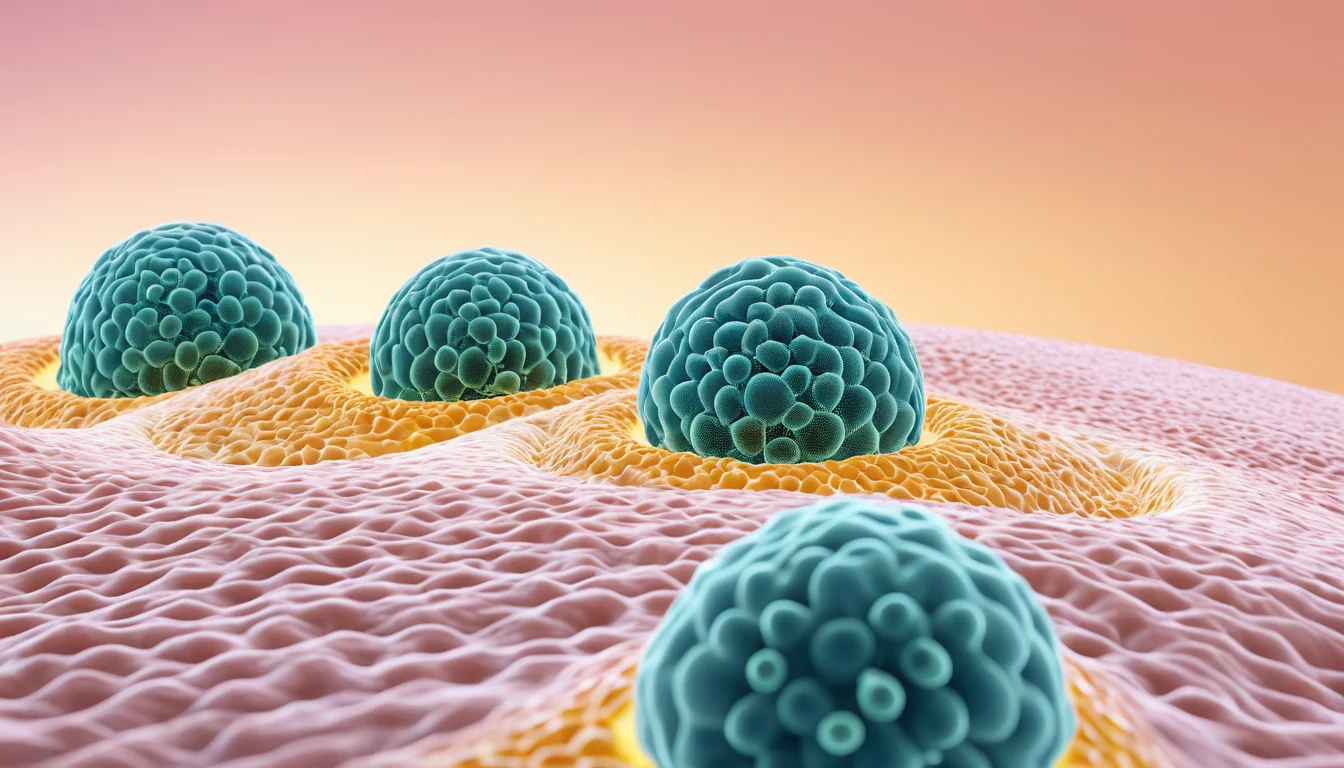
Toxoplasmosis is a common infection found in birds and mammals, including humans. It is caused by the parasite Toxoplasma gondii, which can live in soil, water, raw meat, and cat feces. Most people who get infected never feel sick at all.
However, toxoplasmosis in pregnancy is a different story. If a pregnant woman becomes infected and passes the parasite to her unborn baby, it can cause serious complications. These include brain damage and vision loss. Fortunately, only a small percentage of infected pregnant women pass the parasite to their babies.
Once your body has fought off a toxoplasmosis infection, your immune system builds antibodies. As a result, you cannot be infected again — unless your immune system is weakened by a condition like HIV or chemotherapy.
How Does Toxoplasmosis Spread?
Cats are the only known carriers that shed the parasite in their feces. When a cat is infected, its feces can contain Toxoplasma gondii eggs for about two weeks. These eggs can survive in moist soil for up to 18 months.
Indoor cats that never go outside and never hunt mice are very unlikely to carry the parasite. However, it is still wise to take precautions during pregnancy.
Common Ways the Infection Spreads
There are two main routes of infection for people. Knowing them helps you take simple steps to stay safe.
- Fecal-oral transmission: This happens when you touch something contaminated with infected cat feces and then touch your mouth. For example, cleaning a litter box, gardening in soil where cats have been, or eating unwashed vegetables can all put you at risk.
- Eating undercooked or raw meat: The parasite can live in animal muscle tissue. Eating meat that has not been properly cooked or frozen can introduce the parasite into your body.
In addition, contaminated water is another possible source of infection. Always wash fruits and vegetables thoroughly, and wash your hands after handling raw meat or working in the garden.
Symptoms of Toxoplasmosis
Most people infected with Toxoplasma gondii have no symptoms at all. That is one reason why toxoplasmosis can be easy to miss during pregnancy.
Symptoms in Healthy Adults
A small number of people develop mild, flu-like symptoms that can last a few months. These may include:
- Swollen lymph nodes, especially in the neck
- Muscle aches and cramps
- Fever
- Fatigue
- Sore throat
- Skin rash
Because these symptoms are so general, many people never connect them to a toxoplasmosis infection. Therefore, testing is often the only reliable way to know if you have been infected.
Symptoms in People With Weakened Immune Systems
People with conditions like HIV, those who have had an organ transplant, or those undergoing cancer treatment face a much higher risk. In these cases, toxoplasmosis can become life-threatening. It may affect the brain, lungs, eyes, or heart. Antibiotic therapy is used to treat severe infections in these patients.
Symptoms in Newborns
Most babies born with toxoplasmosis — known as congenital toxoplasmosis — show no obvious symptoms at birth. However, without treatment, problems can develop over time. These can range from mild to severe and may include:
- Eye pain, vision problems, or blindness
- Brain damage leading to intellectual disabilities
- Seizures
Alarmingly, blindness from congenital toxoplasmosis can appear up to 20 years after birth. This is why early testing and treatment after birth are so important.
Toxoplasmosis in Pregnancy: Risks to Your Baby
Toxoplasmosis in pregnancy poses the greatest danger when a woman is infected for the first time while pregnant. If you were already infected before becoming pregnant and have developed antibodies, the parasite cannot reach your baby.
The parasite can cross the placenta and infect the baby up to two months after the mother’s infection. The timing of infection matters greatly:
- Infection in the first half of pregnancy: The risk of severe damage is higher. Brain and eye damage are more likely.
- Infection later in pregnancy: The baby is more likely to become infected, but the damage is often less severe.
Recent research suggests that giving antibiotics to the mother during pregnancy does not always cure the baby’s infection. However, treatment does significantly reduce the risk and severity of eye damage in the baby. Children who are infected and left untreated after birth may experience worsening symptoms over their first 20 years of life, including intellectual disability and vision loss.
For more detailed information on how infections can affect pregnancy, visit Health Canada’s pregnancy health resources.
Risk Factors and How to Reduce Your Risk
The good news is that many risk factors for toxoplasmosis are easy to manage with simple daily habits. If you are pregnant or planning to become pregnant, these steps can significantly lower your risk.
Things That Increase Your Risk
- Eating undercooked, raw, or cured meat of any kind
- Eating unwashed fruits, vegetables, or drinking untreated water
- Touching your face or mouth after handling raw meat
- Cleaning a cat’s litter box without gloves and proper handwashing
- Inhaling dust from a litter box
- Gardening or farming in soil that may contain cat feces, without washing hands afterward
The parasite can survive in soil for many months. Therefore, always wear gloves when gardening and wash your hands thoroughly afterward.
Practical Prevention Tips for Pregnant Canadians
- Ask someone else in your household to clean the litter box during your pregnancy
- If you must clean the litter box yourself, wear disposable gloves and wash hands well with soap and water
- Cook all meat to a safe internal temperature — use a food thermometer
- Wash all fruits and vegetables before eating them
- Avoid drinking water from lakes, rivers, or other untreated sources when hiking or camping
- Wear gloves when gardening and wash hands before eating
According to the World Health Organization’s food safety guidelines, proper food handling is one of the most effective ways to prevent parasitic infections like toxoplasmosis.
Diagnosis and Treatment in Canada
If you are pregnant or planning a pregnancy, your family doctor or midwife may recommend a blood test to check for toxoplasmosis antibodies. This simple test shows whether you have had a past infection and are now protected, or whether you are at risk.
Provincial health plans across Canada typically cover prenatal blood work. Ask your doctor what tests are included in your prenatal care package. If you do not have a family doctor, a walk-in clinic can also arrange this type of testing and refer you to a specialist if needed.
If a new infection is detected during pregnancy, your doctor may prescribe antibiotics. Treatment aims to reduce the risk of the parasite reaching your baby and to lessen the severity of any damage if infection has already occurred. Newborns who test positive for congenital toxoplasmosis are typically treated with antibiotics for the first year of life.
For a deeper look at how this condition is managed medically, the Mayo Clinic’s overview of toxoplasmosis provides reliable, evidence-based information.
When to See a Doctor
If you are pregnant or trying to conceive, talk to your family doctor or midwife about toxoplasmosis testing as early as possible. Early testing gives you the most options and the best chance of protecting your baby.
You should also contact your doctor if you develop flu-like symptoms during pregnancy, such as swollen glands, fever, or fatigue — even if you feel only mildly unwell. These symptoms can be easy to dismiss, but they may be worth investigating.
If you do not have a regular family doctor, visit a walk-in clinic or contact your provincial health line (such as Health811 in Ontario or 811 in British Columbia) to get guidance and a referral. Many provincial prenatal programmes include routine screening for infections that could affect your baby.
Always consult your doctor or a qualified healthcare provider before making any decisions about your health during pregnancy. This article provides general information and is not a substitute for professional medical advice.
Can I keep my cat if I am pregnant?
Yes, you can keep your cat during pregnancy, but you should take precautions to reduce the risk of toxoplasmosis in pregnancy. Ask someone else to clean the litter box, or wear disposable gloves and wash your hands thoroughly if you must do it yourself. Indoor cats that do not hunt or go outside carry very little risk.
How is toxoplasmosis diagnosed during pregnancy in Canada?
Toxoplasmosis is diagnosed through a blood test that checks for antibodies to Toxoplasma gondii. Your family doctor, midwife, or a walk-in clinic can order this test, and it is often covered under provincial prenatal blood work. Talk to your healthcare provider early in your pregnancy about whether this test is recommended for you.
What happens if I get toxoplasmosis while pregnant?
If you develop toxoplasmosis in pregnancy for the first time, your doctor will likely prescribe antibiotics to reduce the risk of the infection passing to your baby. The severity of any harm to the baby depends largely on how far along the pregnancy is at the time of infection. Earlier infections carry a higher risk of serious complications like brain or eye damage.
Can toxoplasmosis cause miscarriage?
In rare cases, a severe toxoplasmosis infection early in pregnancy can lead to miscarriage or stillbirth. However, most cases of toxoplasmosis in pregnancy do not result in miscarriage. The more common concern is congenital toxoplasmosis, where the baby is born with the infection and may develop eye or brain problems over time.
Is toxoplasmosis common in Canada?
Toxoplasmosis is present in Canada, though exact infection rates vary. Many Canadians have been exposed to the parasite at some point in their lives without knowing it, as most healthy adults show no symptoms. Pregnant women are the group most at risk for serious complications, which is why prenatal screening is an important part of pregnancy care.
Can you get toxoplasmosis from eating meat in Canada?
According to Public Health Agency of Canada’s guide to toxoplasmosis, this information is supported by current medical research.
For more information, read our guide on mastitis treatment and symptoms during pregnancy in Canada.
Yes, eating undercooked or raw meat is one of the most common ways people get toxoplasmosis, including in Canada. Any type of meat can carry the parasite, including pork, lamb, and venison. Always cook meat to a safe internal temperature and use a food thermometer to be sure.
Key Takeaways
- Toxoplasmosis in pregnancy is caused by the parasite Toxoplasma gondii and can cause serious harm to an unborn baby, including brain damage and vision loss.
- Most healthy adults have no symptoms and recover on their own without knowing they were infected.
- Cats are the main animal carrier of the parasite, but the infection can also spread through raw or undercooked meat, unwashed produce, and contaminated soil or water.
- If you were infected before your pregnancy and have built up antibodies, your baby is protected.
- Simple habits — like wearing gloves when gardening, washing produce, cooking meat properly, and avoiding litter box duty — can greatly reduce your risk.
- Talk to your family doctor, midwife, or walk-in clinic about prenatal blood tests to check your toxoplasmosis status early in pregnancy.
- Babies born with congenital toxoplasmosis can be treated with antibiotics, which helps reduce long-term complications.
- Always speak with a healthcare professional for advice specific to your situation.
Frequently Asked Questions
What is toxoplasmosis in pregnancy?
Toxoplasmosis in pregnancy is an infection caused by the parasite Toxoplasma gondii. It can be contracted through undercooked meat, contaminated soil, or cat feces. While healthy adults rarely experience serious illness, infection during pregnancy can pass to the unborn baby, potentially causing serious complications including miscarriage, stillbirth, or congenital disabilities.
What are the symptoms of toxoplasmosis in pregnancy?
Most pregnant women with toxoplasmosis have no symptoms at all. When symptoms do occur, they resemble mild flu-like illness, including swollen lymph nodes, fatigue, mild fever, muscle aches, and headache. Because symptoms are often absent or easily overlooked, many infections go undetected without specific medical testing.
How is toxoplasmosis in pregnancy treated in Canada?
In Canada, toxoplasmosis in pregnancy is typically treated with antibiotics such as spiramycin, pyrimethamine, or sulfadiazine, depending on gestational age and severity. Treatment aims to reduce the risk of transmission to the baby and minimize fetal complications. A specialist in maternal-fetal medicine will usually guide treatment decisions.
How can pregnant Canadians prevent toxoplasmosis?
Pregnant Canadians can reduce toxoplasmosis risk by thoroughly cooking meat to safe internal temperatures, washing hands after handling raw meat or gardening, avoiding changing cat litter when possible, washing fruits and vegetables thoroughly, and avoiding contact with stray cats or soil in areas frequented by outdoor cats.
When should a pregnant woman see a doctor about toxoplasmosis?
See your doctor immediately if you experience flu-like symptoms, swollen glands, or have had potential exposure to Toxoplasma gondii during pregnancy, such as handling cat litter or eating undercooked meat. Early testing and prompt treatment significantly improve outcomes for both mother and baby. Never wait for symptoms to worsen.

About the Author
Dr. Linda Chen, RD, PhDDr. Linda Chen is a registered dietitian and PhD in Nutritional Sciences from the University of British Columbia. With expertise in clinical nutrition, sports dietetics, and gut health, she has worked with leading Canadian hospitals and sports organizations. Dr. Chen is a member of Dietitians of Canada and regularly contributes to national nutrition policy discussions.
View all articles →