
Clogged Ears: Causes, Treatments & When to Act Canada

Share
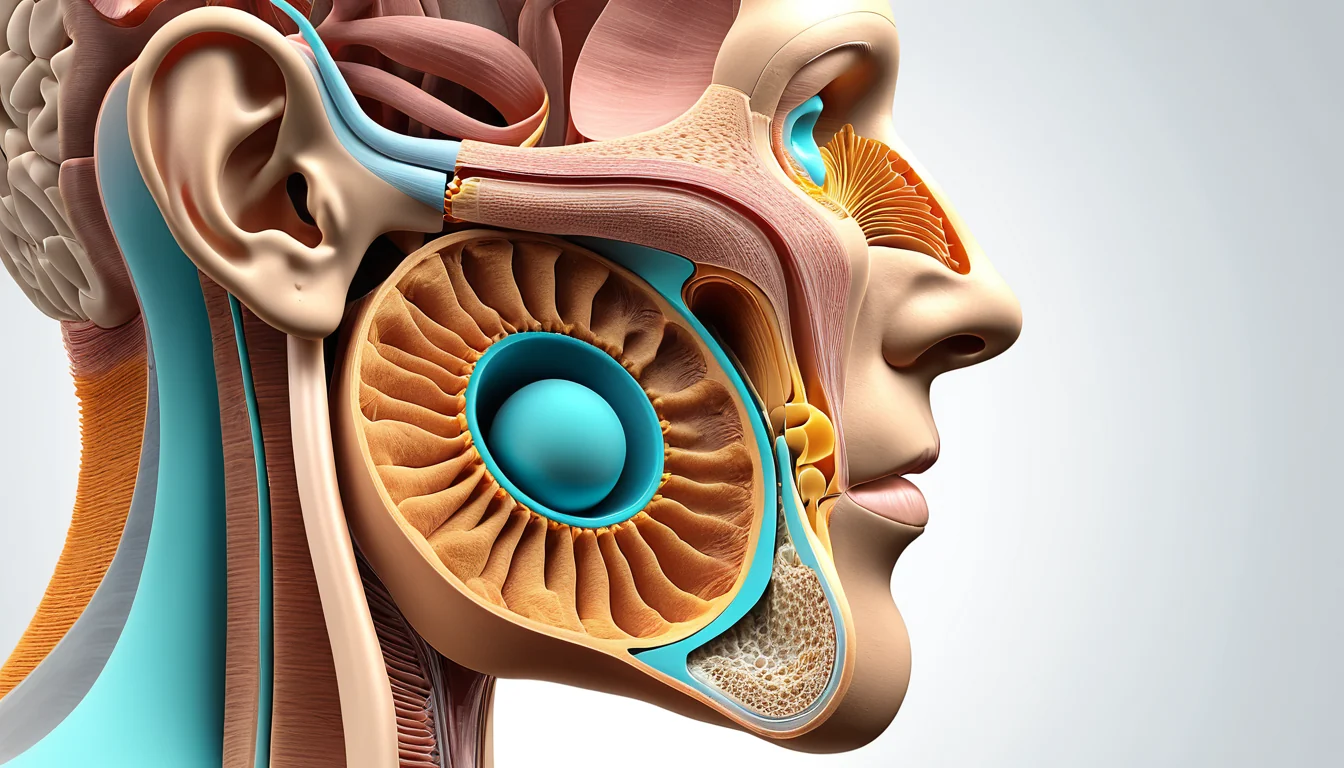
Clogged ears are one of the most common ear complaints that Canadians bring to their family doctor or walk-in clinic. That plugged, muffled feeling can range from a minor annoyance after a swim to a warning sign that needs prompt medical attention. Whether the sensation hits suddenly during a flight or creeps in over several days, understanding what is happening inside your ear is the first step toward relief.
Common Causes of Clogged Ears in Canada
In many cases, the feeling of an ear that feels blocked traces back to everyday issues such as earwax buildup treatment at home, altitude changes, or seasonal allergies — all of which are especially relevant in Canada’s diverse climate. In this guide we explain the most common clogged ear causes, walk you through the tests Canadian doctors use to pinpoint the problem, and outline exactly how each condition is treated so you can take the right next step.
What Does It Feel Like to Have Clogged Ears?
| Cause | Key Characteristics | Severity | Recommended Management |
|---|---|---|---|
| Earwax Buildup (Cerumen Impaction) | Gradual muffled hearing, fullness, possible tinnitus; common in those using cotton swabs | Mild to Moderate | Mineral oil drops, over-the-counter ear irrigation kits, or removal by a healthcare provider |
| Eustachian Tube Dysfunction | Popping, crackling, pressure sensation; often triggered by colds, allergies, or altitude changes | Mild to Moderate | Valsalva maneuver, decongestants, nasal corticosteroid sprays; see a physician if persistent |
| Ear Infection (Otitis Media or Externa) | Pain, discharge, fever, reduced hearing; more common in children; swimmer’s ear affects the outer canal | Moderate to Severe | Prescription antibiotic ear drops or oral antibiotics; prompt evaluation by a physician required |
| Sinus Congestion or Allergies | Pressure behind ears, seasonal or year-round symptoms, often accompanied by nasal stuffiness | Mild | Antihistamines, nasal saline rinses, decongestants; allergy testing if symptoms are chronic |
| Fluid Behind the Eardrum (Otitis Media with Effusion) | Persistent fullness, muffled hearing without pain; common in children after respiratory infections | Moderate | Watchful waiting up to 3 months; ENT referral and possible pressure-equalizing tubes if unresolved |
| Barotrauma | Sudden ear pressure or pain during flying, diving, or rapid altitude changes; possible temporary hearing loss | Mild to Moderate | Yawning, swallowing, chewing gum; decongestants before flying; medical evaluation if pain persists |
A clogged ear usually feels full, muffled, or pressurised. Many people also notice reduced hearing on one or both sides. Some people experience ringing in the ear (called tinnitus) or mild dizziness at the same time.
The sensation can come on suddenly — for example, during a flight — or build slowly over days. Either way, it tells you that something is affecting the ear canal, the middle ear, or the Eustachian tube that connects your ear to the back of your throat.
Common Causes of Clogged Ears
There are many reasons why ears become blocked. Some are harmless and clear up on their own. Others need treatment from a healthcare provider. Below are the most frequent causes.
Earwax Buildup
Your ear naturally produces cerumen, or earwax, to protect the ear canal from bacteria and debris. Most of the time, wax works its way out on its own. However, in some people the wax hardens and forms a plug that blocks the canal.
A wax blockage can cause clogged ears, mild pain, ringing, and dizziness. Using cotton swabs often makes things worse because they push the wax deeper toward the eardrum. Many pharmacies across Canada carry over-the-counter earwax softening drops that can help loosen a minor buildup.
Water in the Ear Canal
After a shower, bath, or swim, water can get trapped in the outer ear canal. This creates a temporary clogged feeling that usually clears up once the water drains or evaporates. However, if water stays in the canal for an extended period, it can lead to an outer ear infection — often called swimmer’s ear.
To prevent this, gently tilt your head to each side after swimming and dry your outer ear with a soft towel. Avoid inserting anything into the canal to dry it.
Ear Infections
Ear infections are a very common cause of clogged ears, especially in children. An outer ear infection (otitis externa) affects the ear canal, while a middle ear infection (otitis media) affects the space behind the eardrum. Both cause swelling, fluid buildup, and reduced hearing.
In addition to a blocked feeling, you may notice ear pain, fever, or fluid draining from the ear. Without proper treatment, a middle ear infection can lead to prolonged hearing loss. Therefore, it is important to see a doctor promptly if you suspect an ear infection. Health Canada recommends that children with recurring ear infections be assessed by a specialist.
Altitude and Pressure Changes
Flying, diving, or driving up a mountain can all cause clogged ears. This happens when the Eustachian tube cannot equalise the pressure between the middle ear and the outside environment quickly enough. The result is a temporary feeling of fullness or pain.
For most people, yawning, swallowing, or chewing gum helps the pressure equalise on its own. These simple actions open the Eustachian tube and let air flow through. The clogged feeling usually resolves within minutes to hours.
Nasal Congestion and Allergies
The nose, throat, and ears are closely connected. When you have a cold, sinus infection, allergic rhinitis, or nasal polyps, mucus can travel through the Eustachian tube into the middle ear. This leads to the same muffled hearing and blocked sensation.
Furthermore, chronic conditions like allergic rhinitis or sinusitis can cause recurring clogged ears. Treating the underlying nasal problem often relieves the ear symptoms at the same time. Talk to your family doctor about allergy testing or nasal spray options covered under your provincial health plan.
Loud Noise Exposure
Sudden loud sounds — like a concert, an explosion, or heavy machinery — can temporarily or permanently damage the eardrum and inner ear structures. This is sometimes called acoustic trauma or barotrauma. It shows up as clogged ears, muffled hearing, or ringing.
According to the World Health Organization, over one billion young people worldwide are at risk of noise-induced hearing loss from unsafe listening habits. Wearing hearing protection in loud environments is one of the most effective ways to prevent this.
Age-Related Hearing Changes
As we age, the sensory cells in the inner ear gradually wear down. This natural process, called presbycusis, often creates a muffled or blocked feeling alongside gradual hearing loss. It typically affects both ears and is more common in men.
Conditions like high blood pressure and metabolic disorders can speed up this process. If you or a family member notice progressive hearing loss, speak to a family doctor who can arrange a referral to an audiologist.
Less Common Causes
In some cases, clogged ears are linked to less common conditions such as benign growths (polyps, osteomas, or cholesteatomas) inside the ear canal or middle ear. Cleft palate in newborns can allow milk to enter the middle ear through the Eustachian tube, which is one reason newborn hearing screening is done shortly after birth in every Canadian province.
High blood pressure and certain metabolic conditions can also reduce hearing over time. These are reasons why routine check-ups with your family doctor matter for your long-term hearing health.
Medical Tests Used to Diagnose Clogged Ears
Finding the cause of clogged ears starts with a visit to a doctor. Your family doctor or an ear, nose, and throat (ENT) specialist may use several tests to get a clear picture.
Common diagnostic tools include:
- Tuning fork tests — a simple bedside test to check the type of hearing loss
- Tympanometry — measures eardrum movement and middle ear pressure
- Audiogram (hearing test) — maps the range of sounds you can and cannot hear
- Otoacoustic emissions (OAE) — used especially in newborn hearing screening
- CT scan or MRI — ordered when a growth or structural problem is suspected
- Nasopharyngoscopy — a small camera used to look at the Eustachian tube and surrounding structures
Your doctor will choose the right combination of tests based on your symptoms and medical history.
How Are Clogged Ears Treated?
Treatment depends entirely on the cause. There is no single remedy that works for every situation.
For Pressure-Related Blockage
If altitude changes are the cause, the ear usually clears up on its own. Yawning, swallowing, or chewing gum speeds up the process by opening the Eustachian tube. Nasal decongestant sprays can also help before flying if you have a cold.
For Earwax Blockage
Over-the-counter earwax softening drops or sprays — available at most Canadian pharmacies — can break up a minor wax plug. If the blockage is stubborn, a doctor or nurse can remove it safely by irrigation or suction. Never try to dig out a wax plug at home with a cotton swab or any other object.
For Ear Infections
Bacterial ear infections usually require antibiotics prescribed by a doctor. Viral infections may resolve on their own, but a doctor should still assess them. Fungal infections need antifungal drops. Ear drops to reduce pain and inflammation are often recommended alongside the main treatment.
Most provincial health plans cover visits to walk-in clinics or family doctors for ear infections. Early treatment reduces the risk of complications like long-term hearing loss.
For Allergy or Sinus-Related Blockage
Antihistamines, nasal corticosteroid sprays, and decongestants can reduce the inflammation that causes ear congestion in these cases. In addition, treating underlying allergies with immunotherapy may provide long-term relief. Ask your family doctor about what options are right for you.
For Noise Damage
Unfortunately, noise-induced hearing damage cannot be reversed. However, further damage can be prevented by using ear protection consistently. Mayo Clinic recommends foam earplugs or noise-cancelling earmuffs in any environment louder than 85 decibels.
For Growths or Structural Problems
Polyps, cholesteatomas, and osteomas typically require surgical removal by an ENT specialist. Your family doctor can refer you through your provincial health system if a growth is suspected.
When to See a Doctor About Clogged Ears
Some cases of clogged ears resolve quickly without treatment. However, you should visit your family doctor or a walk-in clinic if you notice any of the following:
- The blocked feeling lasts more than a few days
- You have significant ear pain or discharge
- You notice sudden or worsening hearing loss
- You have ringing in the ear (tinnitus) that does not go away
- You feel dizzy or have trouble with balance
- A young child is pulling at their ear, seems irritable, or has a fever
- You recently had a head injury or very loud noise exposure
Your provincial health plan covers most ear-related assessments by a family doctor. If a specialist visit is needed, your doctor will arrange a referral to an ENT clinic. Do not ignore persistent symptoms — early treatment protects your long-term hearing. Always consult a qualified healthcare provider before starting any treatment for ear problems.
Frequently Asked Questions About Clogged Ears
Why do my ears feel clogged but there is no pain?
Clogged ears without pain are often caused by earwax buildup, Eustachian tube dysfunction, or mild fluid behind the eardrum. Allergies and nasal congestion are also common culprits. If the blocked feeling lasts more than a week, it is a good idea to visit your family doctor or walk-in clinic.
How do I unclog my ears at home safely?
For pressure-related clogged ears, try yawning, swallowing, or chewing gum to open the Eustachian tube. For minor earwax buildup, over-the-counter earwax softening drops available at Canadian pharmacies can help. Avoid using cotton swabs, as they can push wax deeper and worsen the blockage.
Can a cold or sinus infection cause clogged ears?
Yes. When you have a cold or sinus infection, mucus and swelling can block the Eustachian tube and cause clogged ears with muffled hearing. Treating the congestion with a nasal spray or decongestant usually helps the ear symptoms improve as well. See a doctor if symptoms last longer than ten days.
Is it safe to use cotton swabs to clean my ears?
Most ear specialists advise against using cotton swabs inside the ear canal. Swabs tend to push earwax deeper, which can create a firm wax plug and lead to clogged ears or even eardrum injury. The outer ear can be gently wiped with a damp cloth — the canal generally cleans itself.
When should I be worried about clogged ears?
You should see a doctor if your clogged ears are accompanied by significant pain, discharge, dizziness, or sudden hearing loss. Persistent blockage lasting more than a few days also warrants a visit to your family doctor or a walk-in clinic. Early assessment helps prevent complications like long-term hearing damage.
Can clogged ears affect my hearing permanently?
According to Mayo Clinic’s overview of ear congestion causes, this information is supported by current medical research.
For more information, read our guide on breast mastitis symptoms and treatment in Canada.
In many cases, clogged ears cause only temporary hearing reduction that improves once the underlying cause is treated. However, untreated ear infections, prolonged noise exposure, or unmanaged growths can lead to lasting hearing loss. Seeking timely medical care is the best way to protect your hearing long term.
Key Takeaways
- Clogged ears have many causes, from harmless water in the canal to infections or pressure changes.
- Earwax buildup is one of the most common and treatable causes — avoid cotton swabs.
- Ear infections need prompt medical care to prevent lasting hearing damage.
- Yawning, swallowing, or chewing gum can relieve pressure-related clogged ears quickly.
- Allergies, sinus infections, and nasal polyps can all affect ear health.
- Protect your hearing by wearing ear protection in loud environments.
- If symptoms last more than a few days or include pain, dizziness, or discharge, visit your family doctor or a walk-in clinic covered by your provincial health plan.
- Always speak with a qualified healthcare provider before starting any treatment for ear concerns.
Frequently Asked Questions
What causes clogged ears?
Clogged ears are commonly caused by earwax buildup, Eustachian tube dysfunction, sinus congestion, ear infections, or changes in air pressure (such as flying or diving). Allergies and colds are frequent triggers in Canada, especially during winter months when respiratory illnesses peak.
What are the symptoms of clogged ears?
Common symptoms include muffled or reduced hearing, a feeling of fullness or pressure inside the ear, mild earache, ringing (tinnitus), dizziness, and sometimes popping or crackling sounds. Symptoms may affect one or both ears and can vary in intensity depending on the underlying cause.
How do you safely unclog ears at home?
Safe home remedies include yawning, swallowing, or the Valsalva maneuver to equalize pressure. Warm olive oil drops or over-the-counter ear drops can soften earwax. A warm compress may relieve congestion-related blockages. Avoid cotton swabs, as they push wax deeper and risk eardrum injury.
How can you prevent clogged ears?
Prevent clogged ears by managing allergies and sinus congestion promptly, chewing gum or swallowing during flights, wearing earplugs when swimming, and avoiding cotton swabs. Regular check-ups with a Canadian audiologist or family doctor can catch earwax buildup before it causes significant blockage or hearing issues.
When should you see a doctor for clogged ears?
See a doctor if clogged ears persist beyond one to two weeks, are accompanied by significant hearing loss, severe pain, discharge, fever, or dizziness. Canadians should seek prompt medical attention if symptoms follow a head injury, sudden hearing loss, or do not improve with basic home treatment.

About the Author
Dr. Linda Chen, RD, PhDDr. Linda Chen is a registered dietitian and PhD in Nutritional Sciences from the University of British Columbia. With expertise in clinical nutrition, sports dietetics, and gut health, she has worked with leading Canadian hospitals and sports organizations. Dr. Chen is a member of Dietitians of Canada and regularly contributes to national nutrition policy discussions.
View all articles →