Scoliosis in Children: Signs, Causes & Treatment Canada

Share
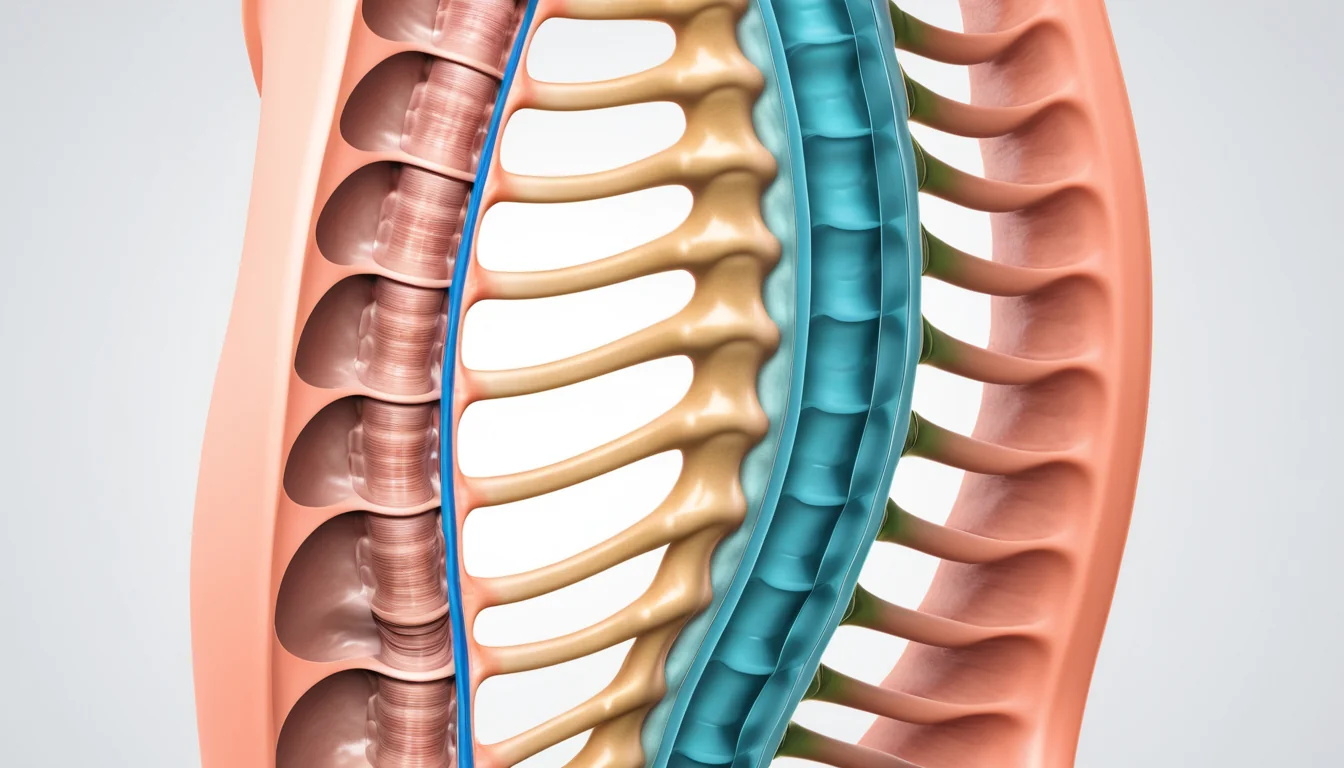
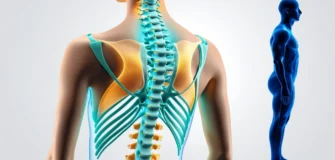
Scoliosis in children is one of the most common spinal conditions that Canadian families encounter, yet it often goes unnoticed until a child experiences a rapid growth spurt during adolescence. Characterized by an abnormal sideways curve of the spine, this condition can range from mild to severe and may affect your child’s posture, confidence, and overall well-being if left undetected.
How to Recognize Scoliosis in Children: Early Signs Every Parent Should Know
Understanding the early signs of scoliosis in kids is the first step toward protecting your child’s long-term spine health. Along with related conditions like kyphosis and lordosis, pediatric spinal curve abnormalities require timely attention. The good news for Canadian parents is that early detection through routine screening and access to excellent treatment options across Canada can make a significant difference in outcomes.
What Are Scoliosis, Kyphosis, and Lordosis?
| Treatment Option | Best Suited For | Key Benefits | Important Considerations |
|---|---|---|---|
| Observation & Monitoring | Curves less than 25°; skeletally immature children | Non-invasive; regular X-rays track progression; no lifestyle disruption | Requires follow-up every 4–6 months with a pediatric specialist; available through most Canadian children’s hospitals |
| Bracing (Orthotic) | Curves between 25°–45°; children still growing | Can halt curve progression in up to 72% of cases; preserves spinal flexibility | Must be worn 16–23 hours daily; custom-fitted by a certified orthotist; covered by most provincial health plans |
| Physiotherapy (e.g., Schroth Method) | Mild to moderate curves; used alongside bracing | Improves posture, core strength, and breathing; reduces pain | Requires trained physiotherapist; ongoing sessions needed; may not be fully covered by provincial insurance |
| Spinal Fusion Surgery | Curves greater than 45°–50°; progressive cases | Permanently corrects severe curvature; long-term spinal stability | Performed at major pediatric centres (e.g., SickKids, CHEO); recovery takes 3–6 months; reserved for significant cases |
| Growing Rod / Vertebral Body Tethering | Young children with severe curves still growing | Allows continued spinal growth while managing curve; less invasive than fusion | May require multiple surgeries as child grows; available at select specialized Canadian pediatric hospitals |
These three conditions all involve abnormal curves of the spine. Each one affects a different region and direction of the spine. Understanding the differences helps parents know what signs to watch for.
Scoliosis
Scoliosis is a sideways curve of the spine. When viewed from behind, the spine bends in the shape of a “C” or an “S” instead of running straight. The curve is considered significant when it measures more than 10 degrees. It most commonly affects the lower back region.
One important fact: scoliosis does not usually cause pain. Many parents and children are surprised to learn this. The condition can go undetected for years without a proper check-up.
Kyphosis
Kyphosis is an exaggerated forward curve of the upper spine. It gives the back a rounded or hunched appearance. You may hear it described informally as a “hunchback.” In response, the neck and lower back often arch more deeply to keep the body balanced.
Kyphoscoliosis is a combined condition. It involves both a forward curve and a sideways curve of the spine at the same time. This makes it more complex to manage.
Lordosis
A natural inward curve exists in the neck and lower back. However, lordosis becomes a problem when this inward curve is too pronounced or when it appears in a part of the spine where it does not belong. Left untreated, the spine can become permanently shaped this way over time.
Causes and Risk Factors of Scoliosis in Children
In about 80% of cases, doctors cannot identify a specific cause. This is called idiopathic scoliosis. It is the most common form and tends to run in families. However, several other factors can contribute to spinal curvature in children.
Medical and Genetic Causes
Some children are born with spinal differences that lead to scoliosis. Conditions like spina bifida, muscular dystrophy, or cerebral palsy can all affect spinal development. A family history of spinal curvature also increases the risk. In addition, vitamin D deficiency (which can cause rickets) may affect bone formation and posture.
Vision problems like severe nearsightedness can also play a role. When a child constantly tilts or twists to see better, this repeated asymmetrical posture can strain the spine over time. Similarly, significant hearing loss can cause a child to lean habitually to one side.
Lifestyle and Postural Factors
Poor posture from an early age can contribute to spinal changes. Sitting incorrectly at a school desk, hunching over a tablet or phone, or carrying a heavy backpack on one shoulder all add stress to a growing spine. A sudden growth spurt during puberty can also worsen an existing curve.
Lack of regular physical activity is another risk factor. Strong back and core muscles help support the spine. Children who avoid sports or structured movement may develop weaker postural muscles over time. Furthermore, skipping physiotherapy when it has been recommended can allow the condition to progress faster.
Signs and Symptoms to Watch For
Because scoliosis in children is usually painless, parents need to look for visual clues. Catching these signs early gives your child the best chance of successful treatment without surgery.
Visual Signs of Scoliosis
Stand behind your child and look carefully at their back. Ask them to bend forward at the waist with arms hanging down. Look for these warning signs:
- One shoulder sitting higher than the other
- One shoulder blade sticking out more than the other
- The head not sitting directly above the centre of the body
- One hip appearing higher or more prominent
- Uneven waistline
- One side of the ribcage appearing raised when bending forward
These signs are best seen from directly behind the child. If you notice any of these changes, bring them to your family doctor’s attention right away.
Signs of Kyphosis
A child with kyphosis often holds their head far forward. The upper body may lean noticeably to the front. The pelvis may also appear to jut out. These signs can sometimes be mistaken for simple “bad posture,” so a professional assessment is important.
Health Consequences If Left Untreated
When spinal curvature goes undiagnosed and untreated, the effects go well beyond appearance. Over time, the changes can become permanent and may require surgery to correct. For this reason, routine check-ups during childhood are so important.
A severely curved spine can affect breathing. The rib cage may become distorted, reducing the space available for the lungs to expand fully. This can lead to changes in metabolism and strain on the heart, especially in cases of significant scoliosis or kyphosis. The Mayo Clinic outlines how severe scoliosis can affect lung and heart function.
Internal organs can also be affected as the spine shifts. The endocrine system and nervous system may be impacted over the long term. In addition, teenagers with visible spinal deformities often experience lower self-esteem and emotional distress during a critical time in their development. These psychological effects are just as real as the physical ones.
Treatment Options Available in Canada
Treatment depends on the type and severity of the spinal curve. Most provincial health plans in Canada cover assessment and treatment for spinal conditions in children. Your family doctor is the first step in getting the right care.
Conservative Treatment
For mild curves, a physiotherapy programme is often the first recommendation. A registered physiotherapist will design exercises to strengthen the muscles that support the spine. This helps slow or stop the progression of the curve. Your child’s orthopaedic specialist may also refer you to a kinesiologist or rehabilitation centre.
Bracing is another common option for children who are still growing. A back brace does not straighten the spine. However, it can prevent the curve from getting worse while the child grows. The brace is typically worn for many hours per day and may be adjusted regularly as the child develops. Health Canada supports access to assistive devices including orthopaedic bracing through provincial programmes.
Surgical Treatment
Surgery is recommended only when the spinal curve measures more than 50 degrees. At that point, the curve is severe enough that it poses real risks to breathing and organ function. The goal of surgery is to stop the curve from worsening. However, the spine will not be fully straightened.
Spinal fusion is the most common surgical procedure used. Metal rods are attached to the spine to hold it in a corrected position while the bones fuse together. Recovery takes time, but most children and teens return to normal activities within several months. Your surgeon will explain all the risks and benefits based on your child’s specific case.
Prevention and Healthy Spine Habits
While most cases of scoliosis in children cannot be prevented, there are many things families can do to support healthy spinal development. These habits also reduce the risk of worsening an existing curve. The World Health Organization recognizes musculoskeletal health as a key part of overall well-being.
During Pregnancy and Early Childhood
Good nutrition during pregnancy sets the foundation for healthy bone development. Mothers should ensure adequate intake of calcium, vitamin D, and iron. Early treatment of any deficiencies, such as anemia or low calcium, gives the baby a healthy start.
After birth, breastfeeding, timely vaccinations, and proper nutrition all support healthy development. Preventing rickets through adequate vitamin D is especially important in Canada, where sunlight exposure is limited for much of the year. Your family doctor can advise on appropriate vitamin D supplementation for your child.
Posture and Physical Activity
Teach your child good sitting and standing posture from an early age. Ensure their school chair and desk are adjusted to the correct height. Encourage them to wear their backpack on both shoulders, and choose a bag with wide, padded straps. Keep the backpack’s weight under 10% of your child’s body weight.
Regular physical activity is one of the best ways to support a healthy spine. Swimming, gymnastics, and core-strengthening exercises are particularly beneficial. Time outdoors in parks and green spaces also supports physical and mental well-being. Make movement a regular part of your family’s routine.
When to See a Doctor
You should not wait for pain before seeking help. Many spinal conditions in children develop silently. If you notice any changes in your child’s posture, shoulder alignment, or the shape of their back, book an appointment with your family doctor as soon as possible.
If you do not have a family doctor, a walk-in clinic can provide an initial assessment and refer you to the appropriate specialist. In most provinces, your family doctor or walk-in physician can refer your child to a paediatric orthopaedic specialist covered under your provincial health plan.
Routine wellness visits and school-based screening programmes are also valuable. Many provinces include a basic posture and spine check during school health assessments. Do not skip these appointments. Early detection truly changes outcomes for children with spinal curvature.
Always consult your family doctor or a qualified healthcare provider before starting any treatment programme for your child. This article is for general information only and does not replace professional medical advice.
What are the early signs of scoliosis in children?
The early signs of scoliosis in children include uneven shoulders, one shoulder blade sticking out more than the other, and an uneven waistline. The head may not sit directly above the centre of the body. Because scoliosis does not usually cause pain, visual checks are the best way to catch it early.
At what age does scoliosis typically appear in children?
Scoliosis in children most commonly appears during puberty, between the ages of 10 and 15, when growth spurts are rapid. However, it can develop at any age, including in infancy. Early adolescence is the most critical time for monitoring spinal development.
Does scoliosis cause back pain in children?
In most cases, scoliosis does not cause back pain in children. This is one reason why the condition can go undetected for so long. Pain may develop later if the curve is severe or if the child tries to hold a corrected posture without proper support.
Can scoliosis be treated without surgery in Canada?
Yes, many cases of scoliosis in children are treated without surgery through physiotherapy programmes and bracing. Surgery is generally only recommended when the spinal curve exceeds 50 degrees. Most provincial health plans in Canada cover assessment and non-surgical treatment options through your family doctor or orthopaedic specialist.
What is the difference between scoliosis and kyphosis?
Scoliosis is a sideways curve of the spine, while kyphosis is an excessive forward curve of the upper back. Both are abnormal spinal curvatures that can affect children and adolescents. A child can have both conditions at the same time, which is called kyphoscoliosis.
How is scoliosis diagnosed in Canada?
According to Mayo Clinic’s overview of scoliosis symptoms and causes, this information is supported by current medical research.
For more information, read our guide on low back surgery options available in Canada.
Scoliosis in children is typically diagnosed through a physical examination, followed by X-rays to measure the degree of spinal curvature. Your family doctor or walk-in clinic can provide an initial assessment and refer your child to a paediatric orthopaedic specialist. Laboratory tests may also be ordered to rule out other underlying conditions.
Key Takeaways
- Scoliosis in children is a sideways spinal curve that often has no known cause and causes no pain.
- Kyphosis and lordosis are related conditions involving abnormal forward or inward spinal curves.
- Early detection through regular check-ups is the most important step in preventing serious complications.
- Treatment options include physiotherapy, bracing, and in severe cases, surgery — all available through Canadian provincial health plans.
- Healthy posture habits, regular physical activity, and good nutrition all support a healthy spine from birth.
- If you notice any postural changes in your child, speak with your family doctor or visit a walk-in clinic without delay.
Frequently Asked Questions
What is scoliosis in children?
Scoliosis in children is an abnormal sideways curvature of the spine, typically forming an S or C shape. It most commonly develops during growth spurts before puberty. While mild cases cause few problems, moderate to severe curvature can affect posture, lung function, and overall spinal health if left untreated.
What are the early signs of scoliosis in children?
Early signs include uneven shoulders, one shoulder blade appearing more prominent, an uneven waist, or one hip sitting higher than the other. A child may also lean slightly to one side. Scoliosis is often painless initially, making routine school screening and paediatric check-ups essential for early detection.
How is scoliosis treated in Canada?
Treatment depends on curve severity and the child’s growth stage. Options include observation with regular X-rays for mild curves, back bracing to prevent progression in growing children, and surgery for severe cases exceeding 45–50 degrees. Canadian paediatric specialists, including orthopaedic surgeons and physiotherapists, collaborate to create individualized treatment plans.
Can scoliosis in children be prevented?
Most scoliosis cases, particularly idiopathic scoliosis, cannot be prevented as the exact cause is unknown. However, early detection through regular paediatric check-ups significantly reduces the risk of severe progression. Maintaining good posture, staying physically active, and ensuring adequate calcium and vitamin D intake support overall spinal health.
When should I take my child to see a doctor for scoliosis?
See a doctor promptly if you notice uneven shoulders or hips, a visibly curved spine, or one shoulder blade protruding more than the other. Also seek medical advice if your child complains of persistent back pain or breathing difficulties. Early diagnosis allows for more effective, less invasive treatment options.

About the Author
Dr. Sarah Mitchell, MDDr. Sarah Mitchell is a board-certified family physician with over 15 years of clinical experience. She completed her MD at the University of Toronto and her residency at Toronto General Hospital. Dr. Mitchell specializes in preventive medicine and chronic disease management. She is a member of the College of Family Physicians of Canada (CFPC) and has published over 30 peer-reviewed articles on preventive health care.
View all articles →