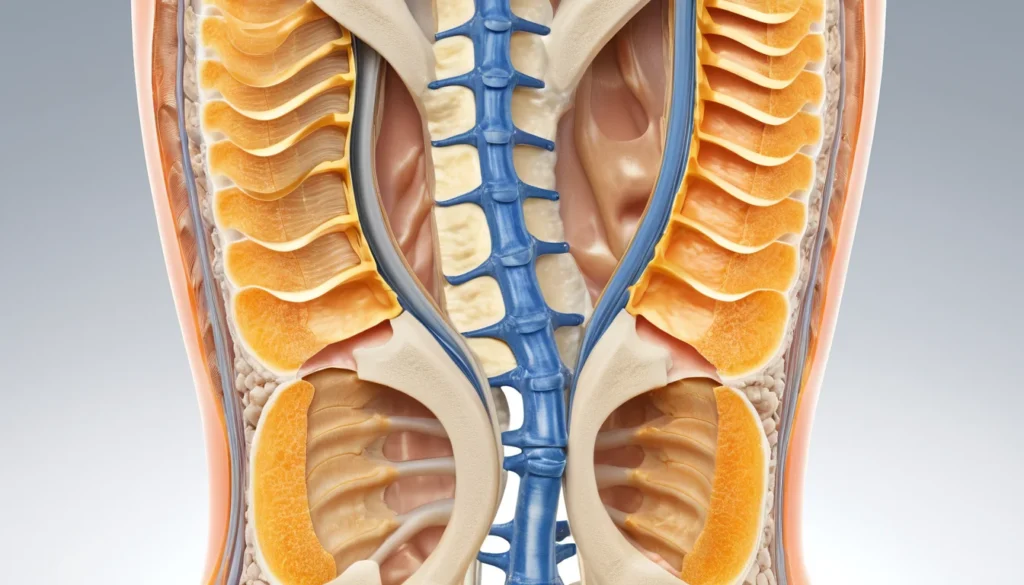
Back pain in Canada is one of the most widespread health complaints, affecting millions of people from coast to coast every year. In fact, it ranks as the second most common reason Canadians visit their family doctor, right after colds and flu. Whether it presents as a dull ache or a sharp, stabbing sensation, back pain disrupts daily life for people of all ages and backgrounds.
Why Back Pain in Canada Affects So Many People
According to the World Health Organization, low back pain is the leading cause of disability worldwide, and Canada is no exception. Understanding the causes of back pain is the first step toward finding effective relief and getting back to the activities you love. From office workers in Toronto to farmers in Saskatchewan, this condition does not discriminate, making awareness and prevention essential for every Canadian.
What Is Back Pain?
Common Types of Back Pain in Canada: Characteristics and Management
| Type of Back Pain | Key Characteristics | Common Causes | Recommended Management |
|---|---|---|---|
| Acute Back Pain | Sudden onset; lasts fewer than 6 weeks; often sharp or stabbing | Muscle strain, lifting injury, sudden movement | Rest, ice/heat therapy, OTC anti-inflammatories (e.g., ibuprofen), gentle movement |
| Subacute Back Pain | Persists 6–12 weeks; may fluctuate in intensity | Incomplete healing, repeated strain, poor posture | Physiotherapy, gradual exercise program, ergonomic adjustments |
| Chronic Back Pain | Lasts longer than 12 weeks; often dull, persistent ache | Degenerative disc disease, arthritis, ongoing muscle imbalance | Multidisciplinary care, cognitive behavioural therapy, prescribed medications, specialist referral |
| Radicular Back Pain (Sciatica) | Radiates down leg; burning or electric sensation; may cause numbness | Herniated disc, spinal stenosis, nerve compression | Physiotherapy, nerve pain medications, epidural injections, surgical consultation if severe |
| Mechanical Back Pain | Worsens with movement or prolonged sitting/standing; improves with rest | Poor posture, sedentary lifestyle, occupational strain — prevalent in back pain Canada statistics | Active rehabilitation, core strengthening, workplace ergonomic assessments |
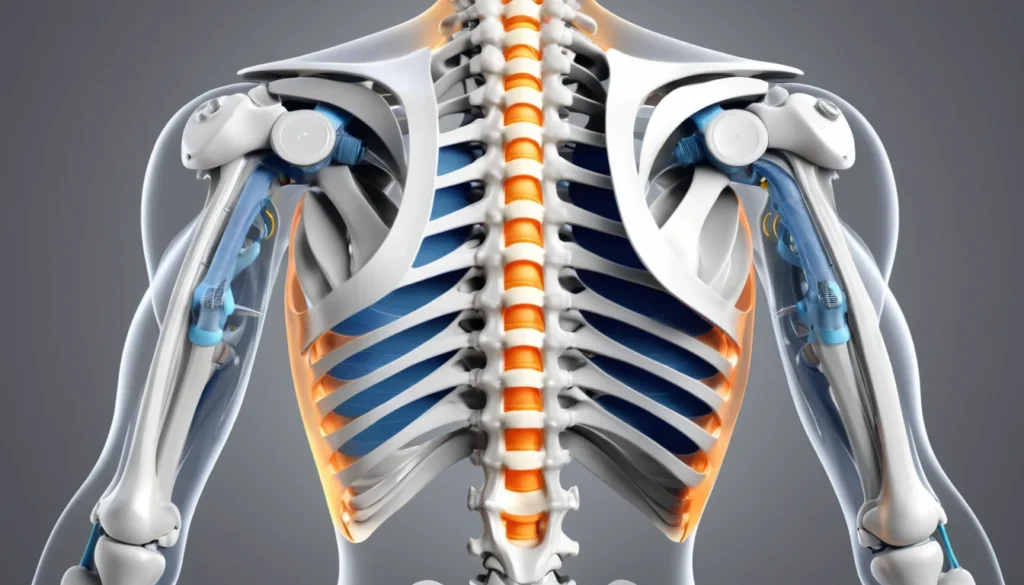
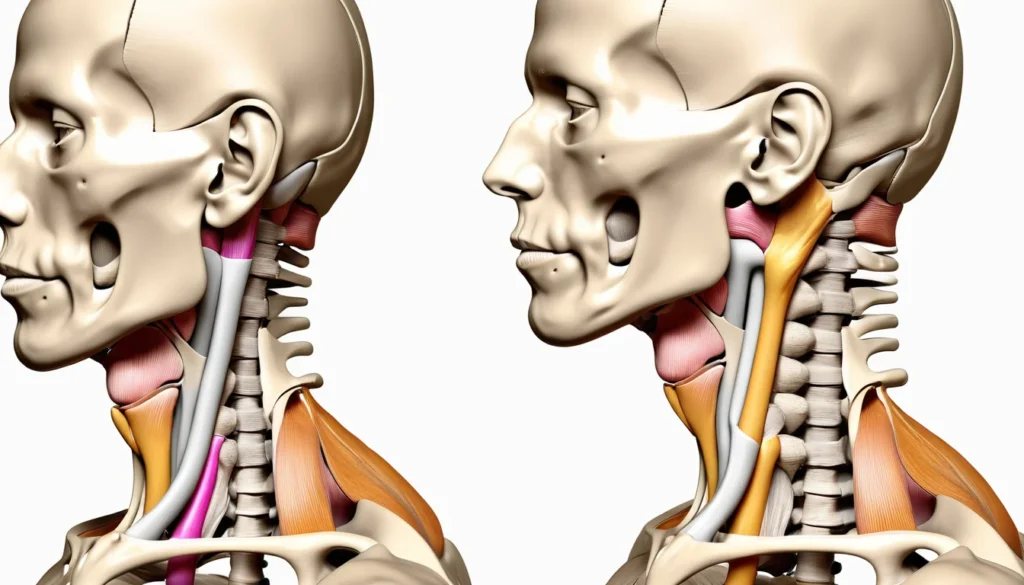
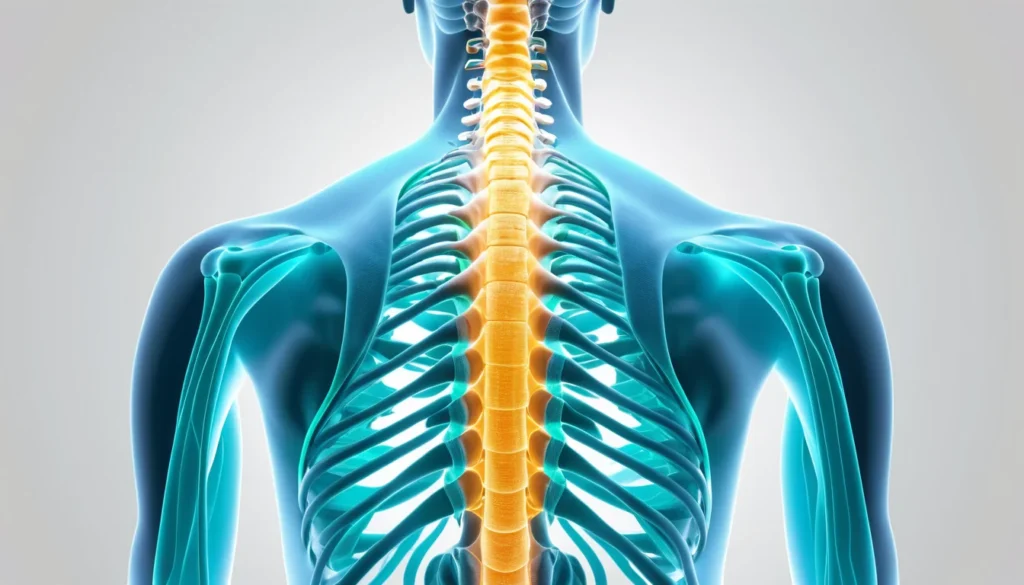
Back pain can occur anywhere along the spine, from the neck down to the tailbone. However, the lower back is the most common location. This makes sense, because the lower back supports most of your body’s weight.
Pain can also develop in the mid or upper back. In some cases, pain that seems to come from the back may actually start somewhere else, such as the groin area. This can sometimes point to problems with the ovaries or testicles.
Acute vs. Chronic Back Pain
Doctors divide back pain into two main types. Acute back pain lasts less than one month. Chronic back pain persists for more than three months. Knowing which type you have helps your doctor choose the right treatment plan.
Common Causes of Back Pain
Back pain is common because it has so many possible causes. Unlike a condition such as high blood pressure, back pain is a symptom — not a disease on its own. This means many different problems can trigger it.
Muscle and Ligament Strains
Muscle and ligament strains cause the majority of lower back pain cases. These injuries often happen from heavy lifting, sudden awkward movements, or overuse. They can be very painful, but most heal within a few weeks with rest and gentle movement.
Structural Problems
Problems with the spine’s structure also cause back pain. These include:
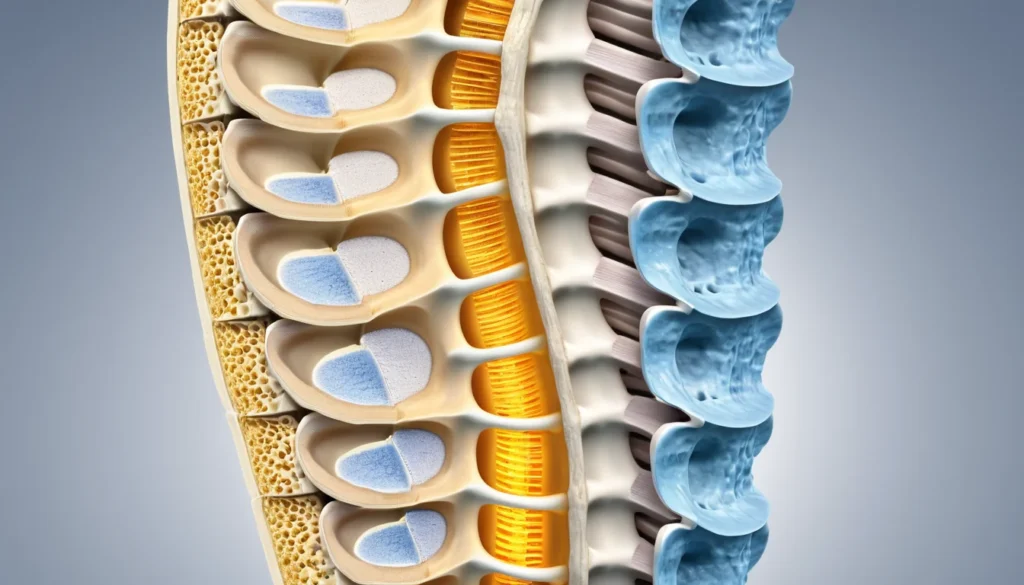
Disc problems — discs act as cushions between the vertebrae and can bulge or rupture
Arthritis — joint inflammation that narrows the space around the spinal cord
Osteoporosis — bones become weak and brittle, leading to small fractures
Rheumatoid arthritis — more common in younger people, this autoimmune condition attacks the joints
As we age, degenerative conditions become more common. The vertebrae and discs gradually break down over time. For example, older Canadians are more likely to develop arthritis-related back pain than younger adults.
Lifestyle and Other Risk Factors
Several lifestyle factors raise your risk of developing back pain. These include:
Smoking — it reduces blood flow to the lower spine, starving the discs of nutrients
Obesity — extra weight puts more pressure on the spine
A sedentary job or inactive lifestyle
Physically demanding work or intense exercise without proper form
Anxiety or depression — mental health has a strong link to chronic pain
Furthermore, some factors are outside our control. Women are more likely to experience back pain, especially during pregnancy. Men, however, tend to report more severe episodes, often linked to physical labour.
Back Pain Prevention: What You Can Do Today
The good news is that prevention works. Making small changes to your daily habits can greatly reduce your risk of developing back pain. As the saying goes, prevention is better than the cure.
Exercise Regularly
Regular physical activity is one of the best things you can do for your back. Walking, swimming, and moderate aerobic exercise all help keep the spine healthy. Aim for at least 150 minutes of moderate activity per week, as recommended by Health Canada.
Strengthen Your Core and Stay Flexible
Strong core muscles support the spine and reduce strain on the back. Exercises like yoga, Pilates, and gentle stretching improve both strength and flexibility. Therefore, adding even 10 to 15 minutes of core work to your day can make a real difference.
Watch Your Posture and Lifting Technique
How you sit, stand, and lift objects matters more than most people think. When lifting, bend your knees and keep the load close to your body. Avoid twisting your spine while carrying something heavy.
If you work at a desk, check that your chair supports your lower back. Keep your feet flat on the floor and your screen at eye level. Simple adjustments like these protect your back over the long term.
Maintain a Healthy Weight and Quit Smoking
Carrying extra body weight puts added stress on your spine. Maintaining a healthy weight through balanced eating and regular movement reduces this pressure. In addition, quitting smoking improves blood flow to the spinal discs, helping them stay healthy and hydrated.
Treatment Options for Back Pain
Most cases of back pain do not require surgery. In fact, the majority of acute episodes improve with simple, conservative care. Treatment options range from home remedies to specialist interventions, depending on the severity.
At-Home Care
For mild to moderate back pain, a few days of rest can help — but do not rest for too long. Staying gently active speeds recovery. Over-the-counter anti-inflammatory medications, such as ibuprofen, can ease pain and reduce swelling.
Applying ice in the first 48 hours helps with swelling. After that, switching to heat can relax tight muscles. Always follow the instructions on any medication you take.
Alternative and Professional Therapies
Many Canadians find relief through alternative therapies. These include:
Massage therapy
Acupuncture
Chiropractic care
These treatments are often covered partially or fully under provincial health plans or extended health benefits. Check with your provincial health authority or benefits provider to find out what is covered in your area.
Medical and Surgical Treatment
For more serious cases, your doctor may prescribe stronger medications or refer you to a specialist. Surgery is only considered when other treatments have failed and there is a clear structural problem, such as a severely herniated disc. However, surgical cases represent a small minority of all back pain patients.
According to the Mayo Clinic, most people with back pain see improvement within a few weeks using non-surgical treatments.
When to See a Doctor About Back Pain
Most episodes of back pain will improve on their own. However, certain warning signs mean you should see your family doctor or visit a walk-in clinic right away. Do not ignore these red flags.
Seek medical attention if your back pain:
Follows an accident, fall, or direct blow to the back
Is constant, severe, or gets worse at night or when lying down
Spreads down one or both legs, especially below the knee
Causes weakness, numbness, or tingling in the legs or feet
Comes with swelling or redness over the spine, which may suggest infection
Is accompanied by unexplained weight loss
Occurs alongside bowel or bladder problems
If you are unsure whether your symptoms are serious, your family doctor is always a great first call. Most walk-in clinics across Canada can also assess back pain and refer you onward if needed. It is always better to get checked than to wait and worry.
New Research and the Future of Back Pain Treatment
Researchers around the world are actively studying chronic back pain. Current studies are looking at which medications work best, what causes long-term pain to develop, and whether surgery truly outperforms non-surgical care in specific cases.
Spinal conditions are among the leading causes of disability in middle-aged adults. As a result, finding better treatments is a major priority for health systems in Canada and globally. New approaches in physiotherapy, pain management, and minimally invasive surgery continue to show promise.
What is the most common cause of back pain?
The most common cause of back pain is muscle or ligament strain, often from heavy lifting, sudden movements, or poor posture. Structural issues like herniated discs and arthritis are also frequent causes. Most cases of back pain improve with rest, gentle movement, and over-the-counter pain relief.
How long does back pain usually last?
Acute back pain typically lasts less than one month and often improves on its own within a few weeks. Chronic back pain is defined as pain that persists for more than three months. If your back pain lasts longer than a few weeks, it is a good idea to speak with your family doctor.
When should I go to the doctor for back pain?
You should see a doctor if your back pain is severe, follows an injury, spreads down your legs, or comes with numbness, tingling, or weakness. Back pain paired with unexplained weight loss or bladder and bowel changes also needs prompt medical attention. A walk-in clinic or your family doctor can assess your symptoms and guide next steps.
Can back pain be prevented?
Yes, many cases of back pain can be prevented with healthy habits. Regular exercise, good posture, proper lifting technique, and maintaining a healthy weight all protect your spine. Quitting smoking also helps, as it improves blood flow to the spinal discs.
Is back pain covered under Canadian provincial health plans?
Visits to your family doctor or a walk-in clinic for back pain are covered under most provincial health plans. However, therapies like massage, physiotherapy, and chiropractic care may require extended health benefits or out-of-pocket payment. Check with your provincial health authority to understand what is included in your coverage.
Does back pain require surgery?
According to World Health Organization data on back pain and disability, this information is supported by current medical research.
For more information, read our guide on low back surgery options in Canada.
The vast majority of back pain cases do not require surgery. Most people improve with rest, physiotherapy, and medication. Surgery is usually only considered when a clear structural problem exists and all other treatments have not provided relief after an extended period.
Key Takeaways
Back pain is the second most common reason Canadians visit a doctor, after colds and flu.
It can be acute (under one month) or chronic (over three months).
The most common causes are muscle strains, disc problems, arthritis, and osteoporosis.
Lifestyle factors like smoking, obesity, and inactivity increase your risk.
Regular exercise, good posture, and a healthy weight are your best defences.
Most back pain improves without surgery, using rest, medication, and physiotherapy.
See your family doctor or visit a walk-in clinic if you notice any red flag symptoms.
Always consult a healthcare professional before starting a new treatment plan for back pain.
Frequently Asked Questions
What is back pain and why is it so common in Canada?
Back pain is discomfort or achiness anywhere along the spine, from the neck to the tailbone. Back pain in Canada affects roughly 4 in 5 adults at some point in their lives, making it one of the leading causes of disability. Sedentary lifestyles, aging populations, and desk-based work are primary contributing factors.
What are the most common symptoms of back pain?
Common back pain symptoms include a dull, persistent ache in the lower back, sharp stabbing pain, muscle stiffness, and reduced range of motion. Some people experience pain that radiates down one or both legs, known as sciatica. Symptoms can range from mild and temporary to severe and chronic, lasting over three months.
When should I see a doctor for back pain in Canada?
See a doctor immediately if your back pain follows an injury, is accompanied by numbness, tingling, or leg weakness, or causes loss of bladder or bowel control. Also seek care if pain is severe, worsens at night, or persists beyond four to six weeks without improvement despite rest and over-the-counter treatment.
What are the best treatments for back pain?
Effective back pain treatments include staying active, physiotherapy, and over-the-counter anti-inflammatory medications like ibuprofen. Heat or ice therapy can ease acute pain. For chronic cases, a doctor may recommend massage therapy, chiropractic care, cognitive behavioural therapy, or in rare situations, surgery. Most cases resolve with conservative, non-surgical approaches within weeks.
How can Canadians prevent back pain from getting worse?
Canadians can prevent back pain by maintaining a healthy weight, exercising regularly to strengthen core muscles, and practicing proper posture at work and home. Ergonomic workstations, safe lifting techniques, and avoiding prolonged sitting are key strategies. Quitting smoking also helps, as it reduces spinal disc degeneration and improves overall musculoskeletal health.