Back Pain Relief: How Qi Gong Supports Spine Health

Share
Back pain relief is something millions of Canadians search for every year, and for good reason — back and spine problems remain one of the most common reasons people visit their family doctor or a walk-in clinic across the country. Whether you are dealing with a dull ache after sitting at your desk all day or chronic discomfort that limits your daily activities, finding a safe and effective solution matters.
How Qi Gong Supports Back Pain Relief Naturally
The good news is that an ancient Chinese practice called Qi Gong offers a gentle, natural back pain treatment that supports your spine health — and you can do most of it right at home. Rooted in centuries of traditional medicine and now supported by modern research, Qi Gong for back pain combines slow, mindful movements with deep breathing to help restore flexibility, ease tension, and promote healing throughout your body.
Why Your Spine Health Matters
| Treatment Option | Key Benefits | Considerations | Best Suited For |
|---|---|---|---|
| Qi Gong | Improves spinal flexibility, strengthens core muscles, reduces stress-related tension, low impact on joints | Requires consistent practice; results develop gradually over weeks; instructor guidance recommended for beginners | Chronic low back pain, older adults, those seeking mind-body approaches |
| Physiotherapy | Personalized exercise programs, addresses underlying biomechanical issues, covered under many provincial health plans | May require multiple sessions; out-of-pocket costs vary by province if not covered by extended benefits | Post-injury rehabilitation, acute and chronic back conditions, post-surgical recovery |
| Chiropractic Care | Spinal manipulation may provide short-term relief, improves joint mobility, widely available across Canada | Not covered under most provincial health insurance; not suitable for osteoporosis or spinal instability | Mechanical low back pain, muscle tension, minor spinal misalignment |
| Over-the-Counter NSAIDs (e.g., Ibuprofen) | Fast-acting pain and inflammation relief, readily accessible at Canadian pharmacies without prescription | Not recommended for long-term use; risk of gastrointestinal and cardiovascular side effects; consult pharmacist | Short-term management of acute back pain flare-ups |
| Yoga | Enhances flexibility and core strength, reduces pain perception, widely available in community centres across Canada | Some poses may aggravate certain conditions; medical clearance advised for herniated discs or severe pain | Mild to moderate chronic back pain, stress-related muscle tension, general spine health maintenance |
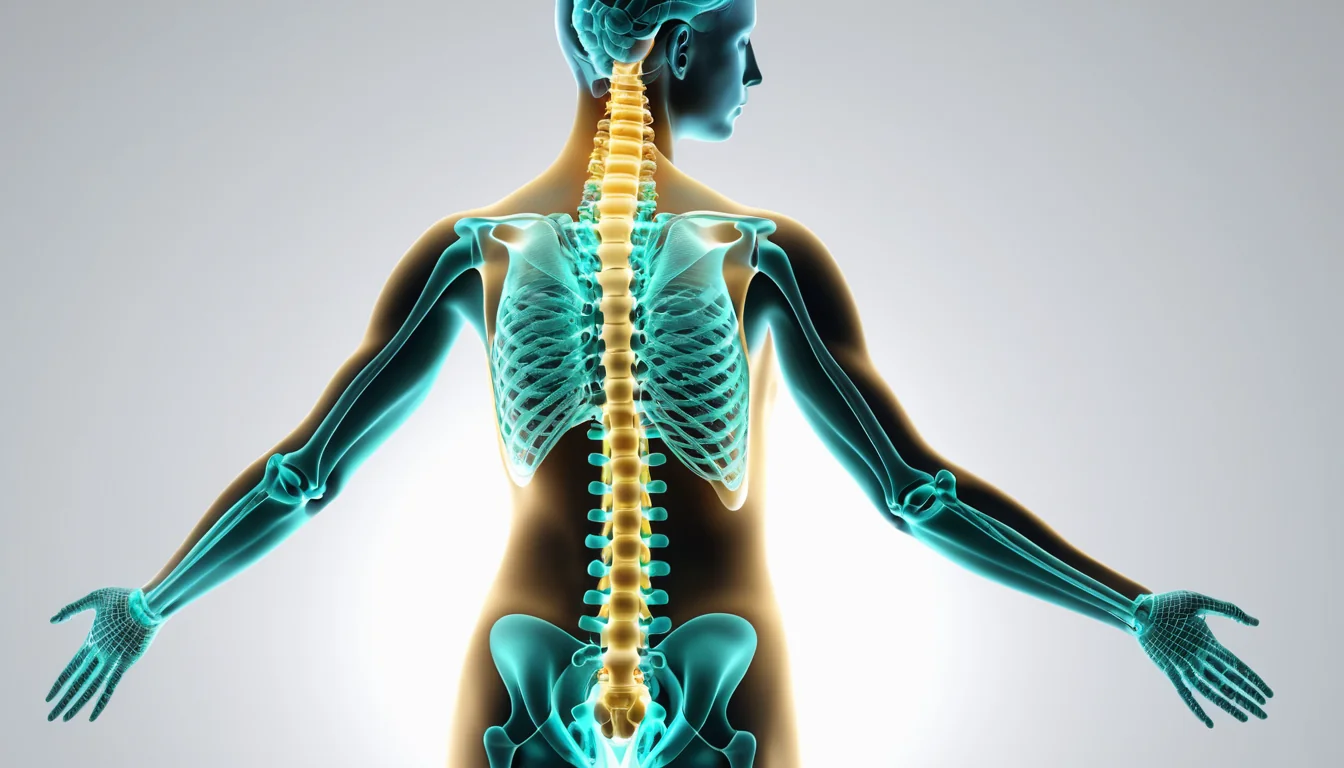
Your spine is one of the most important structures in your body. It supports your entire trunk and makes almost every movement possible — from bending to pick something up off the floor to turning your head to check your blind spot while driving.
Traditional Chinese medicine has long recognised the importance of a flexible, healthy spine. Modern science agrees. A healthy spine is essential not just for movement, but also for nerve function throughout your whole body.
Unfortunately, many Canadians lead largely sedentary lives. Long hours at a desk, commuting, and too much screen time all contribute to poor posture and limited spinal movement. Over time, this can lead to pain, stiffness, and even reduced mobility.
What Is Qi Gong?
Qi Gong (pronounced “chee gung”) is a centuries-old Chinese practice that combines slow, deliberate movements with breathing techniques and focused awareness. The word “Qi” refers to the body’s vital energy, while “Gong” means skill or practice.
Historians have found pictorial records of Qi Gong practice dating back roughly 7,000 years. Today, there are over 3,000 recognised styles of Qi Gong practised around the world. Millions of people practise it daily to maintain good health and energy.
The Three Stages of Qi Gong Practice
Qi Gong is not just physical exercise. It works on three levels at once:
- Regulating the body: Improving posture, alignment, and physical movement.
- Regulating the breath: Using specific breathing patterns to calm the nervous system and improve oxygen flow.
- Harmonising the mind: Developing focus and reducing mental stress, which often contributes to physical tension.
For back pain relief specifically, this three-part approach is especially powerful. Tension in the mind often shows up as tension in the muscles of the back and neck.
How Qi Gong Supports Back Pain Relief
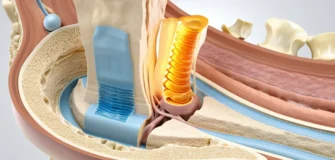
Qi Gong for the spine works by gently decompressing the discs between your vertebrae — the small, cushion-like structures that absorb shock and allow your spine to move freely. When these discs are compressed from sitting or poor posture, pain and stiffness follow.
Regular Qi Gong practice helps lengthen and relax the muscles along the spine. It also improves alignment, so each vertebra can move more independently. Think of it like gently separating links in a chain that have become stuck together.
What Does Qi Gong Actually Involve?
A typical Qi Gong programme for spine health includes more than 50 exercises. These combine gentle movements, special breathing techniques, and self-massage. Once learned, you can practise almost anywhere — at home, at the office, or even while waiting in line at the grocery store.
The exercises are low-impact and suitable for most fitness levels. However, it is always a good idea to start with a qualified instructor, especially if you already have a diagnosed spine condition.
For more information on the benefits of mind-body exercise, visit the World Health Organization’s physical activity guidelines.
Conditions That May Benefit From Qi Gong
Qi Gong has been used in traditional Chinese medicine for both prevention and healing for thousands of years. Research suggests it may support a wide range of health conditions, particularly those connected to spine and nerve health.
People with the following conditions have reported benefits from regular Qi Gong practice:
- Scoliosis and kyphosis (abnormal spinal curvature)
- Osteoporosis (bone density loss, which is especially common in older Canadian women)
- Arthritis affecting the spine and joints
- Lumbar and cervical spondylosis (wear and tear of the lower and upper spine)
- Chronic lower back pain
- Insomnia and sleep problems
- Migraines and headaches
- Dizziness and balance issues
- Digestive problems linked to nerve compression
- Difficulty concentrating or memory concerns
It is important to understand that Qi Gong is a complementary practice. It works best alongside — not instead of — medical care from your family doctor or specialist.
The Mayo Clinic provides helpful context on mind-body practices like Qi Gong and their role in managing chronic pain and stress.
Qi Gong and Osteoporosis: A Special Note for Canadians
Osteoporosis is a significant health concern in Canada, particularly for women over 50 and older adults in general. According to Osteoporosis Canada, approximately 2 million Canadians are affected by this condition.
Qi Gong is a weight-bearing, low-impact practice. This means it places gentle stress on the bones, which can help stimulate bone density. Furthermore, it improves balance and coordination — two key factors in preventing falls, which are the leading cause of fractures in people with osteoporosis.
If you have osteoporosis or a history of fractures, speak with your doctor before starting any new exercise programme. Your provincial health plan may also cover physiotherapy or exercise programmes as part of an osteoporosis management plan — check with your family doctor or provincial health authority.
How to Get Started With Qi Gong for Back Pain Relief
Starting Qi Gong does not require any special equipment or a gym membership. However, learning proper form from a qualified instructor at the beginning is strongly recommended. Poor technique can reduce the benefits or, in rare cases, cause strain.
Finding a Class in Canada
Many community centres, YMCAs, and recreation centres across Canada offer Qi Gong or Tai Chi classes. These are often listed through your local parks and recreation department. Some provincial health programmes also offer group exercise classes for seniors and adults managing chronic conditions.
Online classes have become widely available since 2020. These can be a convenient option, especially for Canadians in rural or remote areas who may not have a local instructor nearby.
Simple Tips for Practising at Home
Once you have learned the basics, daily home practice is easy to maintain. Here are a few tips to get the most out of your routine:
- Practise in the morning to set a positive tone for the day.
- Wear comfortable, loose-fitting clothing that allows free movement.
- Choose a quiet space where you will not be interrupted.
- Start with 10 to 15 minutes and gradually increase over time.
- Focus on your breath throughout each movement.
- Never push through sharp or sudden pain — stop and rest if needed.
Consistency matters more than duration. Even 10 minutes of daily Qi Gong can produce noticeable improvements in flexibility, posture, and back pain relief over several weeks.
Learn more about building a sustainable exercise habit at Healthline’s guide to back pain exercises.
When to See a Doctor
Qi Gong is a safe and gentle practice for most people. However, back pain can sometimes signal a more serious underlying problem. You should speak with your family doctor or visit a walk-in clinic if you experience any of the following:
- Sudden, severe back pain with no clear cause
- Back pain that radiates down one or both legs
- Numbness, tingling, or weakness in your legs or feet
- Back pain following an injury or fall
- Pain that does not improve after several weeks of rest and gentle exercise
- Back pain combined with fever, unexplained weight loss, or bladder/bowel changes
Your family doctor can refer you to a physiotherapist, chiropractor, or orthopaedic specialist through your provincial health plan if needed. In Ontario, for example, OHIP covers many specialist referrals. Other provinces have similar coverage — check with your local health authority for details.
Always consult your doctor before starting a new exercise or wellness programme, especially if you have an existing health condition or take prescription medication.
Frequently Asked Questions About Back Pain Relief and Qi Gong
Is Qi Gong effective for back pain relief?
Yes, many studies and clinical reviews suggest that Qi Gong can provide meaningful back pain relief, particularly for chronic lower back pain. It works by improving flexibility, reducing muscle tension, and promoting better spinal alignment. However, results vary from person to person, and it works best as part of a broader wellness approach.
How long does it take to see results from Qi Gong for back pain?
Most people begin to notice improvements in flexibility and reduced discomfort within four to eight weeks of consistent daily practice. Back pain relief tends to deepen over time as posture and muscle balance improve. Practising for at least 10 to 15 minutes every day gives the best results.
Can I do Qi Gong if I have osteoporosis?
Qi Gong is generally considered safe and beneficial for people with osteoporosis because it is a low-impact, weight-bearing practice that can help improve balance and reduce fall risk. Always speak with your family doctor before beginning any new exercise programme if you have osteoporosis or a history of fractures. A qualified Qi Gong instructor can also modify exercises to suit your needs.
What is the difference between Qi Gong and Tai Chi?
Both Qi Gong and Tai Chi are ancient Chinese practices that combine slow movement, breath control, and mindful awareness. Tai Chi follows a set sequence of movements, while Qi Gong includes a wider variety of exercises and techniques that can be practised individually. Both offer benefits for back pain relief, balance, and overall well-being.
Is Qi Gong covered by provincial health plans in Canada?
Qi Gong classes themselves are generally not covered by provincial health plans, but some extended health benefit plans through employers may cover mind-body or wellness classes. In some cases, physiotherapy programmes that include elements of Qi Gong or therapeutic exercise may be partially covered. Check with your provincial health authority or benefits provider for details specific to your plan.
Can Qi Gong help with migraines and insomnia as well as back pain?
According to Mayo Clinic’s guide to back pain causes and symptoms, this information is supported by current medical research.
For more information, read our guide on low back surgery options in Canada.
Traditional Qi Gong practice has long been used to address a range of conditions beyond back pain relief, including migraines, insomnia, and dizziness. The breathing and relaxation techniques involved help regulate the nervous system, which may reduce the frequency and intensity of headaches and improve sleep quality. Speak with your doctor if these symptoms are ongoing or significantly affecting your daily life.
Key Takeaways
- Back pain relief is one of the most sought-after health goals for Canadians, and Qi Gong offers a natural, evidence-informed option.
- Your spine supports your entire body — keeping it flexible and strong is essential for long-term health.
- Qi Gong is an ancient Chinese practice combining movement, breathwork, and mindful awareness to support spine health.
- Regular practice may help with chronic back pain, osteoporosis, insomnia, migraines, and more.
- Qi Gong is suitable for most people and can be practised at home, at a community centre, or online.
- Always consult your family doctor or visit a walk-in clinic before starting a new health programme, especially if you have an existing condition.
- If you experience severe, sudden, or worsening back pain, seek medical attention promptly through your provincial health system.
Frequently Asked Questions
What is Qi Gong and how does it help with back pain relief?
Qi Gong is a traditional Chinese mind-body practice combining slow movements, controlled breathing, and meditation. It helps back pain relief by improving spinal flexibility, strengthening core muscles, reducing inflammation, and releasing tension in surrounding tissues. Research supports its effectiveness for chronic lower back pain, making it a safe, low-impact option for Canadians.
What are the most common symptoms of chronic back pain?
Common chronic back pain symptoms include persistent aching or stiffness along the spine, sharp localized pain, radiating pain into the hips or legs (sciatica), muscle spasms, and reduced flexibility. Symptoms lasting longer than 12 weeks are considered chronic and may significantly impact daily activities, sleep quality, and overall well-being.
Can Qi Gong provide long-term back pain relief for seniors?
Yes, Qi Gong is particularly effective for seniors seeking long-term back pain relief. Its gentle, low-impact movements improve posture, balance, and spinal mobility without straining joints. Studies show regular practice reduces pain intensity and disability in older adults. Many Canadian community centres and physiotherapy clinics now offer senior-friendly Qi Gong programs.
How can I prevent back pain from returning through regular exercise?
Preventing recurring back pain involves strengthening core muscles, maintaining good posture, and staying flexible. Practices like Qi Gong, yoga, and targeted physiotherapy exercises are highly effective. Canadians should also avoid prolonged sitting, use ergonomic workstations, lift objects properly with bent knees, and maintain a healthy body weight to reduce spinal strain.
When should I see a doctor in Canada for back pain?
See a doctor immediately if back pain follows an injury, is accompanied by numbness, tingling, or weakness in the legs, causes bladder or bowel problems, occurs with unexplained weight loss, or persists beyond four to six weeks despite rest. These may signal serious conditions requiring urgent medical evaluation beyond self-managed treatments like Qi Gong.

About the Author
Dr. Sarah Mitchell, MDDr. Sarah Mitchell is a board-certified family physician with over 15 years of clinical experience. She completed her MD at the University of Toronto and her residency at Toronto General Hospital. Dr. Mitchell specializes in preventive medicine and chronic disease management. She is a member of the College of Family Physicians of Canada (CFPC) and has published over 30 peer-reviewed articles on preventive health care.
View all articles →