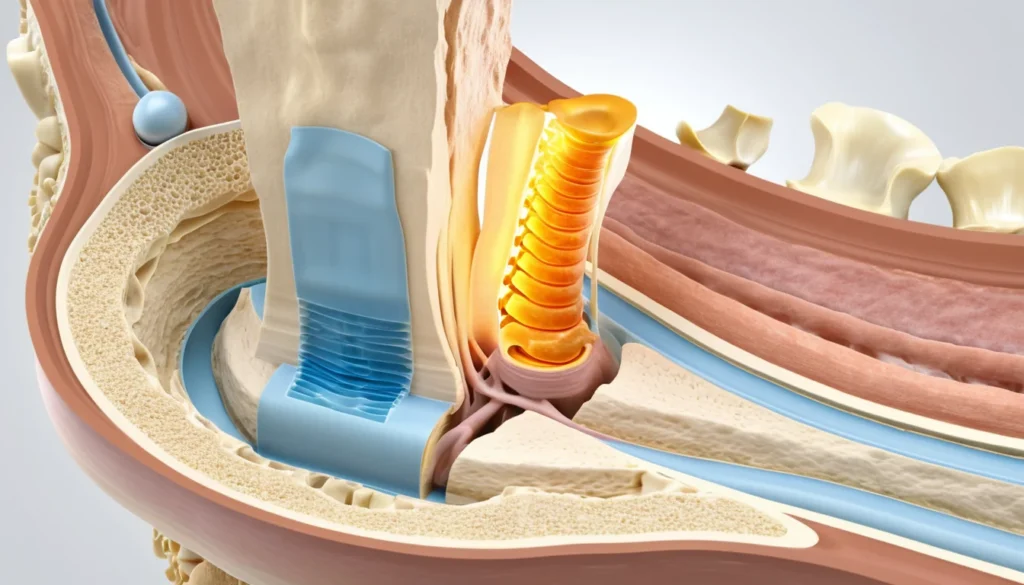
Neck arthritis is one of the most common causes of chronic neck pain in Canada, particularly among adults over the age of 50. It develops when the cartilage and joints in your cervical spine gradually break down, leading to persistent stiffness, inflammation, and discomfort that can interfere with daily life.
How Neck Arthritis Develops and What Causes It
Also known as cervical spondylosis treatment options range from physiotherapy to medications, and understanding the condition early can make a significant difference in managing your symptoms. This guide explains what neck arthritis is, how it develops, what symptoms to watch for, and the treatment options available to Canadians. As always, consult your family doctor or a qualified healthcare provider for advice specific to your situation.
What Is Neck Arthritis?
Treatment Options for Neck Arthritis: A Comparison Guide
| Treatment Option | Key Benefits | Important Considerations | Typical Timeline |
|---|---|---|---|
| Physiotherapy | Improves range of motion, strengthens supporting muscles, reduces pain without medication | Requires consistent attendance; may be covered by provincial health plans or private insurance | 6–12 weeks of regular sessions |
| NSAIDs (e.g., ibuprofen, naproxen) | Reduces inflammation and pain; available over-the-counter in Canada | Not recommended for long-term use; monitor for GI and cardiovascular side effects | Short-term relief within days |
| Corticosteroid Injections | Targeted anti-inflammatory relief for moderate to severe neck arthritis symptoms | Administered by a specialist; limited to a few injections per year to prevent joint damage | Relief may last weeks to months |
| Chiropractic Care | Manual adjustments may relieve stiffness and improve spinal alignment | Consult a physician first; partially covered under some provincial and extended health plans | Multiple sessions over 4–8 weeks |
| Surgery (e.g., cervical fusion, disc replacement) | Addresses structural causes; provides long-term relief when conservative treatments fail | Reserved for severe cases; involves recovery time and carries surgical risks | Recovery typically 3–6 months |
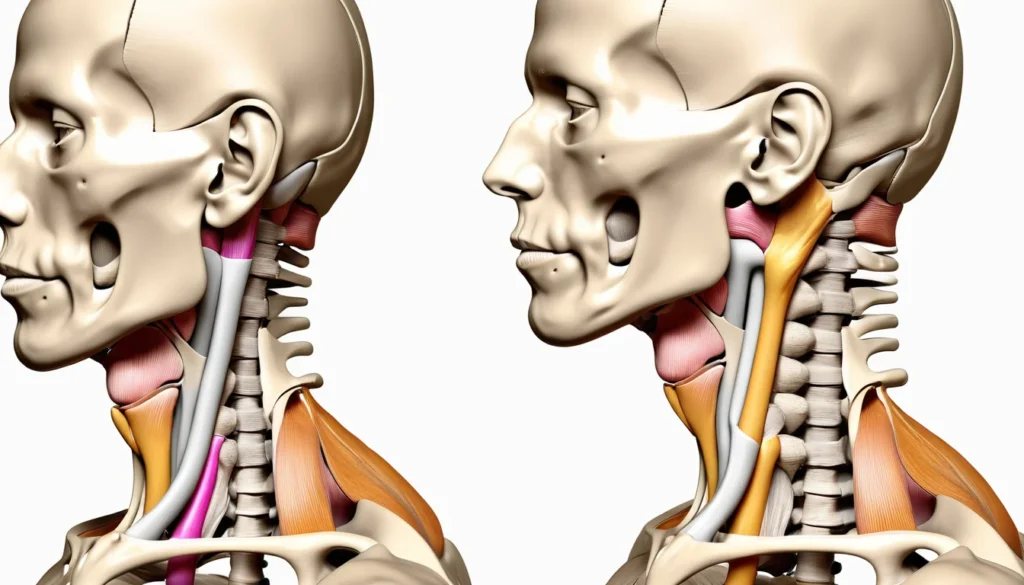
Neck arthritis, also called cervical arthritis or cervical osteoarthritis, refers to the gradual wear and breakdown of the joints in your neck. Your neck is a complex structure that supports your head and allows a wide range of movement. Over time, the cartilage and other tissues inside these joints can deteriorate.
Like other joints in your body, the joints in your neck can be affected by several types of arthritis. Each type has its own cause and pattern of damage. Understanding which type you have helps guide the right treatment.
Types of Neck Arthritis
Cervical osteoarthritis is the most common type. It develops when the cartilage inside your neck joints wears down from everyday use over many years. As the cartilage thins, bones begin to rub against each other, causing pain and inflammation.
Rheumatoid arthritis is an autoimmune disease. Your immune system mistakenly attacks the lining of your joints, including those in your neck. When it affects the cervical spine, it most often targets the upper neck and the base of the skull at the back.
Ankylosing spondylitis is another form of arthritis that causes inflammation in the ligaments and tendons around the spine. It usually starts in the lower back and hips, but it can gradually move upward and reach the cervical spine over time.
Anatomy of the Neck and How Neck Arthritis Develops
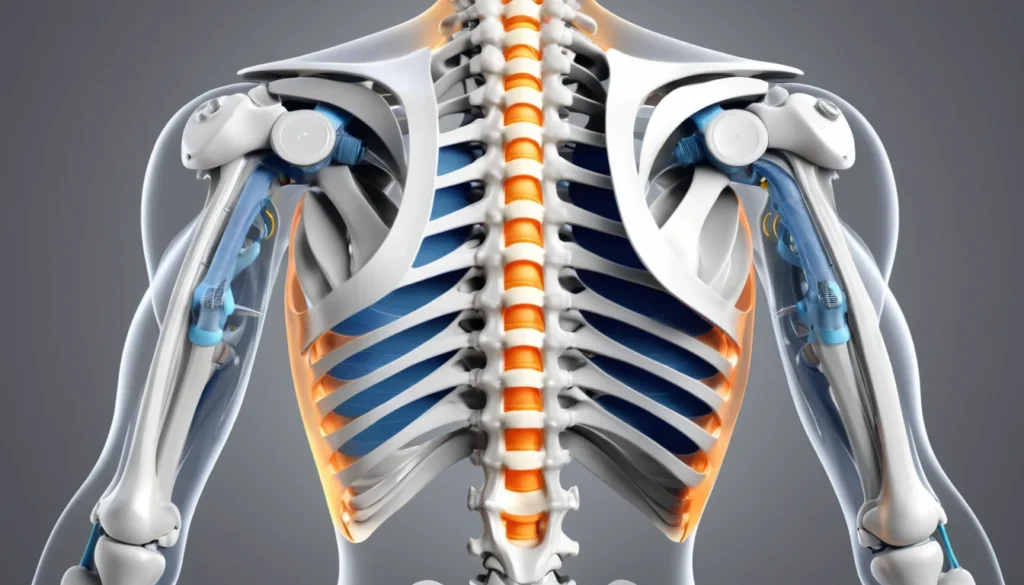
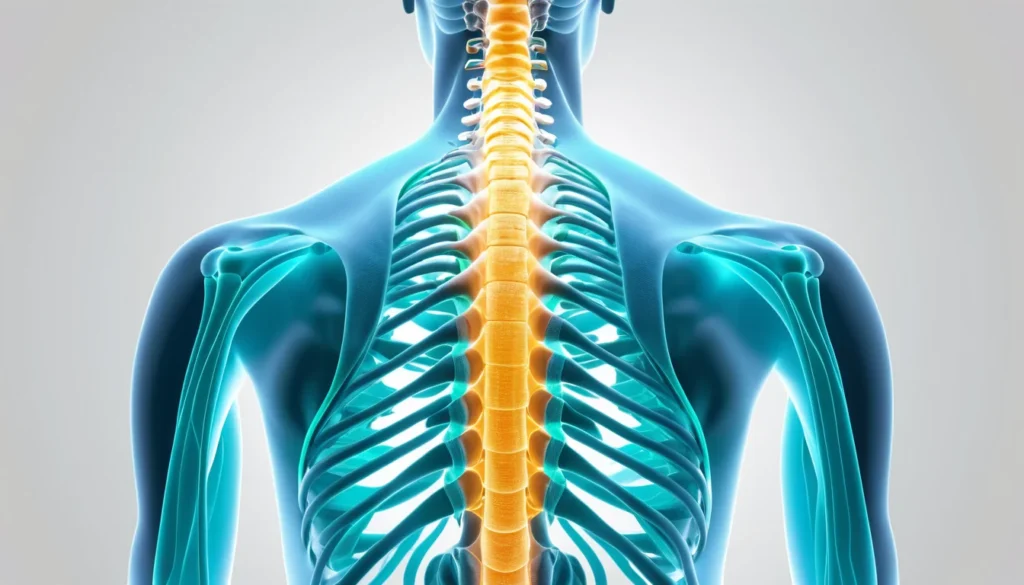
Your spine is made up of 24 small bones called vertebrae, stacked on top of one another. The cervical spine, which makes up your neck, contains the top seven of these vertebrae. These bones are connected by cartilage and cushioned by small, fluid-filled sacs called joints.
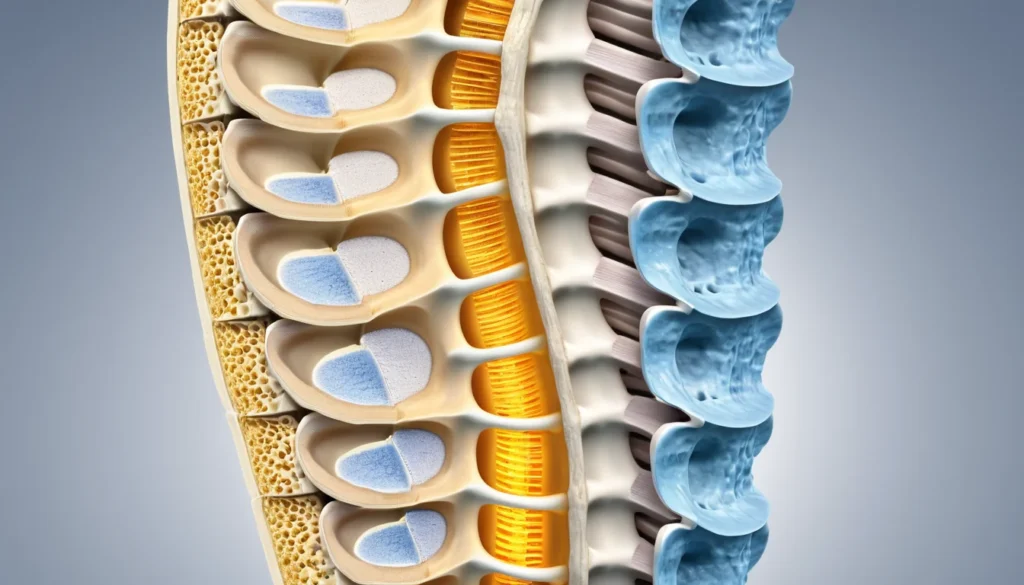
Inside each joint, a liquid called synovial fluid acts as a lubricant. This fluid, along with the cartilage, allows your vertebrae to move smoothly against each other without friction or damage. However, as you age, this system begins to wear down.
When cartilage starts to thin or break down, the bones lose their cushioning. They begin to make direct contact with each other during movement. This friction triggers inflammation, pain, and sometimes the growth of small bony spurs. According to the Mayo Clinic, cervical spondylosis affects more than 85% of people over the age of 60.
Symptoms of Neck Arthritis
The symptoms of neck arthritis tend to develop slowly and get worse over time. Many people first notice stiffness and discomfort in the morning, which often improves as the day goes on and the joints warm up.
Common Symptoms to Watch For
A tight, sharp, or burning pain in the neck area
Pain that spreads toward the head or upper back
Neck stiffness, especially in the morning
Limited range of motion, making it hard to turn your head left, right, up, or down
Tenderness when pressing on the neck
Muscle spasms in the neck, upper back, or shoulders
Problems with balance or walking, or weakness in your arms or legs
In some cases, neck arthritis can press on nearby nerves or the spinal cord. This may cause tingling, numbness, or weakness that travels down the arms or legs. If you notice these symptoms, contact your family doctor or visit a walk-in clinic as soon as possible.
For a broader overview of how arthritis affects the body, visit Health Canada’s official health information portal.
Risk Factors for Neck Arthritis
Age is the biggest risk factor for developing neck arthritis. The condition is very common in middle-aged and older adults. However, several other factors can raise your risk as well.
Factors That May Increase Your Risk
Family history: If a close relative has had cervical spondylosis or another form of arthritis, your risk is higher.
Smoking: Research clearly links smoking to increased neck pain and faster joint deterioration.
Occupation: Jobs that involve repetitive neck movements, heavy lifting, or working in awkward positions can speed up wear and tear.
Previous neck injury: A past injury to your neck, such as whiplash from a car accident, can raise your risk of developing arthritis in that area later in life.
Mental health: Depression and anxiety have been linked to a greater experience of chronic pain, including neck pain.
Understanding your personal risk factors is a useful first step. Share this information with your doctor so they can help you take preventive steps early.
How Neck Arthritis Is Diagnosed
Your family doctor will usually start by asking you questions about your symptoms, medical history, and lifestyle. This conversation helps them understand when the pain started, what makes it better or worse, and whether it affects your daily activities.
After this, your doctor will perform a physical examination. They will gently press on your neck and shoulders to look for tender spots or stiffness. They will also ask you to move your neck in different directions to assess your range of motion.
What Your Doctor Is Looking For
Muscle strength in your arms and hands
Reflexes and nerve function
Sensitivity to touch along the neck and spine
Blood flow and circulation
Your gait and balance
In many cases, your doctor will order imaging tests to get a clearer picture. An X-ray can reveal bone changes, while an MRI provides detailed images of soft tissues, cartilage, and nerves. These tests help confirm whether neck arthritis is present and how severe it is.
Your provincial health plan typically covers these diagnostic tests when ordered by a physician. If you do not have a family doctor, most walk-in clinics in Canada can begin the assessment process and refer you to a specialist if needed.
Treatment Options for Neck Arthritis
The good news is that most people with neck arthritis can manage their symptoms without surgery. There are many effective non-surgical treatments available. The right approach depends on your symptoms, overall health, and how the condition affects your daily life.
Rest and Activity Modification
Giving your neck a break can make a real difference, especially during a flare-up. Avoid activities that put extra strain on your neck. Simple changes, like adjusting your workstation or sleeping position, can also help reduce discomfort.
Physiotherapy
A registered physiotherapist can design a personalized exercise programme for you. This programme focuses on strengthening the muscles around your neck and improving flexibility. Regular physiotherapy can reduce pain and help you move more freely over time.
Heat and Cold Therapy
Applying an ice pack to the sore area helps reduce swelling and numb sharp pain. For some people, heat works better by increasing blood flow and relaxing tense muscles. Whether you use heat or cold, apply it for 15 minutes at a time and wait at least two hours before reapplying.
Medications
Over-the-counter pain relievers such as acetaminophen or anti-inflammatory drugs like ibuprofen can help manage mild to moderate pain. Your doctor may also prescribe muscle relaxants to ease spasms in the neck and upper back. Always read the label carefully and follow your doctor’s or pharmacist’s advice before starting any medication.
Steroid Injections
For more persistent pain, your doctor may recommend a corticosteroid injection directly into the affected joint. Many patients experience significant short-term pain relief from these injections. They are typically used when other treatments have not provided enough relief on their own.
To learn more about how arthritis is managed, Healthline offers a detailed overview of cervical arthritis and its treatment approaches.
When to See a Doctor
You should speak with your family doctor if neck pain lasts more than a few weeks, or if it is getting worse over time. Do not wait if the pain is affecting your sleep, work, or daily activities.
Seek care right away if you experience any of the following alongside neck pain:
Numbness or tingling in your arms or hands
Weakness in your arms or legs
Loss of bladder or bowel control
Difficulty walking or maintaining balance
Severe pain that comes on suddenly
If you do not have a family doctor, a walk-in clinic is a good first step. They can assess your symptoms, order tests, and refer you to a specialist or physiatrist if needed. Most provincial health plans in Canada cover these visits at no direct cost to you.
Frequently Asked Questions About Neck Arthritis
What are the first signs of neck arthritis?
The first signs of neck arthritis often include stiffness and a dull ache in the neck, especially in the morning. Many people also notice that their range of motion slowly decreases, making it harder to turn their head fully. These symptoms tend to improve with gentle movement throughout the day.
Can neck arthritis go away on its own?
Neck arthritis is a degenerative condition, which means it does not fully reverse on its own. However, symptoms can often be well managed with physiotherapy, lifestyle changes, and appropriate medication. Many Canadians live comfortably with neck arthritis by following a consistent treatment plan recommended by their doctor.
Is neck arthritis the same as cervical spondylosis?
Yes, cervical spondylosis is another term commonly used for neck arthritis, specifically referring to age-related wear and tear of the cervical spine. Both terms describe the same process of cartilage breakdown and joint degeneration in the neck. Your doctor may use either term when discussing your diagnosis.
What is the best treatment for neck arthritis in Canada?
Most Canadians with neck arthritis are treated with a combination of physiotherapy, pain medication, and lifestyle adjustments. Your family doctor or a specialist can create a treatment plan that fits your specific needs and is covered, at least in part, by your provincial health plan. Surgery is rarely needed and is only considered when other treatments have not worked.
Can neck arthritis cause headaches?
Yes, neck arthritis can cause headaches, particularly at the base of the skull. This happens when inflamed or stiff joints in the upper cervical spine put pressure on nearby nerves. These headaches are sometimes called cervicogenic headaches and can be treated as part of an overall neck arthritis management plan.
Does neck arthritis get worse with age?
According to Mayo Clinic’s overview of cervical spondylosis, this information is supported by current medical research.
For more information, read our guide on low back surgery options for spinal conditions in Canada.
Neck arthritis tends to progress gradually over time, as it is largely driven by age-related changes in the spine. However, the rate at which it worsens varies from person to person. Staying active, maintaining a healthy weight, and following your doctor’s treatment plan can help slow the progression and reduce symptoms.
Key Takeaways
Neck arthritis is a common condition caused by the gradual breakdown of cartilage and joints in the cervical spine.
The three main types are cervical osteoarthritis, rheumatoid arthritis, and ankylosing spondylitis.
Symptoms include neck stiffness, pain, limited movement, and sometimes tingling or weakness in the arms or legs.
Age, smoking, family history, and past neck injuries are all known risk factors.
Most cases are diagnosed through a physical exam and imaging tests, and are managed without surgery.
Treatment options include physiotherapy, heat and cold therapy, medication, and in some cases, steroid injections.
If you are concerned about neck pain, speak with your family doctor or visit a walk-in clinic — your provincial health plan covers most diagnostic and treatment services.
Frequently Asked Questions
What is neck arthritis?
Neck arthritis, also called cervical spondylosis, is age-related wear and tear affecting the discs, joints, and bones in the cervical spine. It occurs when cartilage breaks down and bone spurs develop. It is extremely common, affecting over 85% of Canadians over age 60, though symptoms vary widely.
What are the symptoms of neck arthritis?
Common neck arthritis symptoms include chronic neck pain and stiffness, headaches at the base of the skull, grinding sensations when turning the head, and muscle weakness. Some people experience numbness or tingling radiating into the shoulders and arms. Symptoms often worsen with prolonged sitting or certain postures.
How is neck arthritis treated in Canada?
Neck arthritis treatment typically begins with conservative options including physiotherapy, anti-inflammatory medications, and chiropractic care. Your Canadian doctor may also recommend corticosteroid injections or a cervical collar. Surgery is considered only for severe cases involving nerve compression. Most patients manage symptoms effectively with non-surgical approaches.
Can neck arthritis be prevented?
While aging-related neck arthritis cannot be fully prevented, you can reduce your risk by maintaining good posture, staying physically active, and strengthening neck muscles. Avoiding prolonged screen time, using ergonomic workstations, and not smoking also help protect cervical spine health and slow cartilage degeneration.
When should I see a doctor for neck arthritis pain?
See a doctor promptly if you experience severe or worsening neck pain, numbness, tingling, or weakness in your arms or hands, or loss of bladder and bowel control. These may signal nerve or spinal cord compression requiring urgent medical attention. Early diagnosis in Canada helps prevent permanent neurological damage.