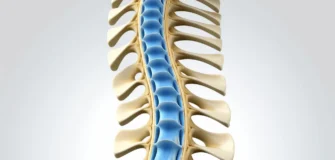
Sacroiliac Joint Pain: Causes, Symptoms & Treatment Canada

Share
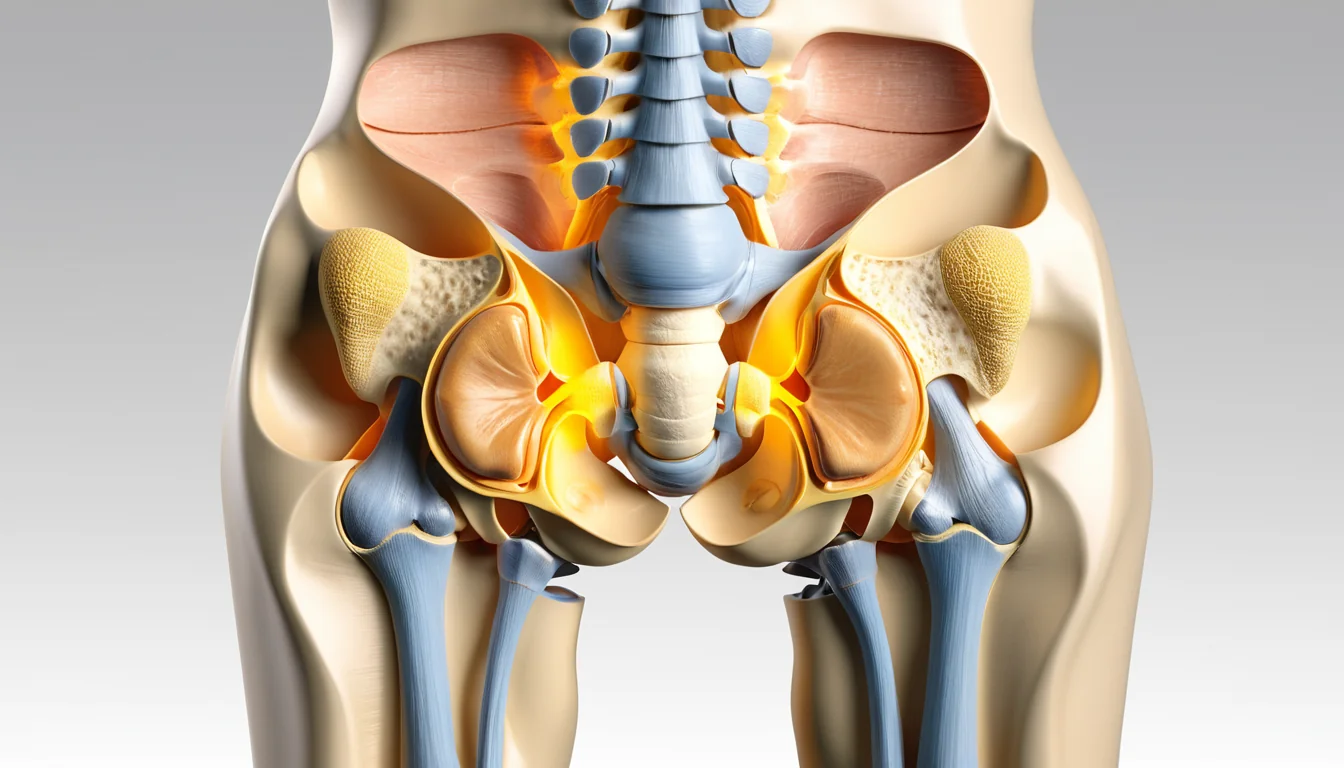
Sacroiliac joint pain is a common yet often misdiagnosed condition that affects thousands of Canadians each year. Also known as sacroiliitis, it develops when one or both of the sacroiliac joints — located where the lower spine meets the pelvis — become inflamed, causing pain that can radiate through the buttocks, lower back, and down the leg.
Understanding Sacroiliac Joint Pain: Causes and Risk Factors
Many Canadians experiencing lower back and buttock pain may not realize their SI joint is the source. Because SI joint dysfunction closely mimics other spinal conditions, getting an accurate diagnosis is essential. The good news is that effective treatments — including physiotherapy, medication, and minimally invasive procedures — are widely available across Canada to help you return to your daily routine with confidence.
What Is Sacroiliac Joint Pain?
| Treatment Option | Benefits | Considerations | Typical Duration |
|---|---|---|---|
| Physiotherapy | Strengthens stabilizing muscles, improves mobility, reduces recurrence risk | Requires consistent attendance and home exercise compliance | 6–12 weeks of sessions |
| NSAIDs (e.g., Ibuprofen, Naproxen) | Reduces inflammation and pain quickly; widely available in Canada | Not suitable for those with kidney disease, peptic ulcers, or cardiovascular conditions | Short-term use, 1–2 weeks |
| Corticosteroid Injections | Provides targeted, rapid relief of sacroiliac joint pain and inflammation | Limited to 2–3 injections per year; requires imaging guidance; referral needed | Relief lasts weeks to months |
| Radiofrequency Ablation (RFA) | Longer-lasting pain relief by disrupting nerve signals to the joint | Specialist referral required; not universally covered by provincial health plans | Relief may last 1–2 years |
| Sacroiliac Joint Fusion (Surgery) | Permanent stabilization for severe, refractory sacroiliac joint pain | Reserved for cases unresponsive to conservative treatment; surgical risks apply | Recovery 3–6 months |
| Chiropractic Manipulation | May improve joint mobility and reduce pain through manual adjustment | Evidence varies; not appropriate for inflammatory arthritis or fracture-related causes | Ongoing sessions as needed |
Your sacroiliac (SI) joints connect the bottom of your spine to your pelvis. You have one on each side of your lower back. When these joints become inflamed, the result is sacroiliac joint pain, or sacroiliitis.
This condition is often mistaken for other types of lower back pain. As a result, it can be difficult to diagnose without the right tests. However, once identified, it responds well to treatment.
Signs and Symptoms of Sacroiliac Joint Pain
The most common symptom is pain in the buttocks and lower back. However, the discomfort can also spread to the groin and down one or both legs, sometimes as far as the foot.
Many people notice that movement actually helps ease the pain. Staying still for too long tends to make things worse. For example, you may feel stiff and sore first thing in the morning after sleeping, or after sitting at your desk for a long stretch.
Activities That Can Worsen Symptoms
Certain movements and positions tend to trigger or increase sacroiliac joint pain. These include:
- Sleeping or resting in bed for a long period
- Standing for extended periods of time
- Putting more weight on one leg than the other
- Climbing stairs
- Running or jogging
- Taking long strides while walking
If you notice your pain getting worse during any of these activities, it is a good idea to speak with your family doctor or visit a walk-in clinic for an assessment.
Common Causes of Sacroiliac Joint Pain
Several conditions and events can lead to inflammation of the SI joint. Understanding the cause helps guide the best treatment plan.
Trauma or Injury
A sudden, forceful impact — such as a fall from a height or a car accident — can damage the sacroiliac joint. This type of injury causes immediate inflammation and pain.
Arthritis
Osteoarthritis can wear down the cartilage in the SI joint over time. In addition, certain types of inflammatory arthritis, such as ankylosing spondylitis, are strongly linked to sacroiliitis. Mayo Clinic provides a detailed overview of sacroiliitis and its connection to arthritis.
Pregnancy and Childbirth
During pregnancy and vaginal delivery, the SI joints loosen and stretch to prepare for childbirth. The extra weight carried during pregnancy can also change the way a person walks, placing added stress on these joints.
Infection
In rare cases, the SI joint can become infected. This is a less common cause but requires prompt medical attention if suspected.
Risks and Complications
Sacroiliac joint pain can make everyday tasks much harder. Bending over, rising from a chair, or holding a position for any length of time can all become painful challenges.
Because the pain is often chronic — meaning it lasts a long time — it can take a toll on mental health as well. Many people with ongoing SI joint pain experience disrupted sleep, low mood, and even depression. Recognising these effects early is important so you can get the full support you need. Health Canada offers resources on managing chronic pain and its effects on overall wellness.
How Is Sacroiliac Joint Pain Diagnosed?
Diagnosis usually starts with a physical examination. Your doctor will press on your hips and buttocks to locate the source of the pain. They will also move your legs into different positions to see which movements trigger discomfort.
Imaging Tests
If a physical exam points to the SI joint, your doctor may order imaging tests to confirm the diagnosis. These can include:
- X-ray: Can reveal signs of joint damage or arthritis in the pelvis
- MRI (Magnetic Resonance Imaging): Provides a more detailed picture and helps rule out other conditions
Diagnostic Injection
In some cases, your doctor may recommend a freezing injection directly into the SI joint. If the pain disappears after the injection, it confirms that the joint is the source of the problem. This test is both diagnostic and temporarily therapeutic.
Treatment Options for Sacroiliac Joint Pain
Treatment depends on how severe your symptoms are and what is causing the inflammation. The good news is that most people improve with non-surgical options. Therefore, surgery is rarely needed.
Medications
Several types of medication can help manage sacroiliac joint pain:
- Non-steroidal anti-inflammatory drugs (NSAIDs): These are the first-line treatment. Some, like ibuprofen, are available over the counter at your local pharmacy. Always speak with your doctor or pharmacist about the right dose for you.
- Muscle relaxants: These help reduce muscle spasms that often accompany SI joint inflammation, easing your overall discomfort.
- Biologic medications: For cases linked to inflammatory arthritis, biologic drugs that target the immune system may be prescribed by a specialist.
Physiotherapy
A physiotherapist — available through most provincial health plans or by referral from your family doctor — can design an exercise programme tailored to your needs. The focus is usually on gentle stretching and mobility exercises. These improve flexibility and reduce pain over time without putting extra stress on the joint.
Physiotherapy is often one of the most effective long-term strategies for managing SI joint pain. Consistency is key — sticking to your exercise programme between appointments makes a real difference.
Injections and Minimally Invasive Procedures
When medications and physiotherapy are not enough, your doctor may suggest additional interventions:
- Corticosteroid injections: A steroid is injected directly into the SI joint to reduce inflammation and pain. These are limited to a few times per year, as repeated steroid use can weaken nearby bones and tendons.
- Radiofrequency ablation: A specialised technique that uses radiofrequency energy to damage the nerve fibres carrying pain signals from the SI joint.
- Spinal cord stimulation: A small electrical device is implanted near the spine to interrupt pain signals before they reach the brain.
Surgery
In rare cases where all other treatments have failed, a surgeon may fuse the two bones of the SI joint together. This is called joint fusion surgery. While it can provide lasting relief, it is considered a last resort due to the risks involved and the recovery time required.
Home Remedies and Lifestyle Changes
There are also simple steps you can take at home to manage your symptoms day to day:
- Rest wisely: Avoid activities that trigger your pain, but do not stay completely still. Gentle movement usually helps more than bed rest.
- Good posture: Maintaining a proper posture while sitting and standing takes pressure off the SI joint.
- Heat and ice: Applying an ice pack wrapped in a cloth for the first 48 to 72 hours after a flare can reduce swelling. After that, a heating pad can help relax tight muscles around the joint.
For more guidance on managing joint pain at home, Healthline offers practical advice on sacroiliitis self-care strategies.
When to See a Doctor
If you have persistent lower back or buttock pain that is not improving after a week or two, do not wait it out. Book an appointment with your family doctor. If you cannot get in quickly, a walk-in clinic can assess your symptoms and start the diagnostic process.
Seek care right away if your pain follows a fall or accident, if you have a fever along with back pain, or if you notice weakness or numbness spreading down your leg. These signs may point to a more serious condition that needs prompt attention.
Remember, getting an accurate diagnosis early leads to faster, more effective treatment. Your provincial health plan covers most diagnostic tests and referrals, so do not hesitate to use the healthcare resources available to you.
Always consult your family doctor or a qualified healthcare provider before starting any new treatment or exercise programme. This article is for informational purposes only and is not a substitute for professional medical advice.
What does sacroiliac joint pain feel like?
Sacroiliac joint pain typically feels like a dull or sharp ache in the lower back, buttocks, or groin. The pain may radiate down one leg, similar to sciatica. It often feels worse after long periods of sitting or lying still, and better with gentle movement.
How is sacroiliac joint pain different from regular lower back pain?
Sacroiliac joint pain originates from the SI joint, where the spine meets the pelvis, rather than from the spinal discs or muscles. It tends to affect one side more than the other and is often worsened by activities like climbing stairs or walking with long strides. A doctor can perform specific physical tests to tell the difference.
Can sacroiliac joint pain go away on its own?
Mild sacroiliac joint pain may improve with rest, ice, and over-the-counter anti-inflammatory medication. However, if the pain persists for more than a couple of weeks or keeps returning, it is important to see a doctor. Without proper treatment, chronic SI joint pain can affect your sleep, mood, and daily functioning.
Is walking good for sacroiliac joint pain?
Yes, gentle walking is generally beneficial for sacroiliac joint pain because movement helps reduce stiffness and improve circulation around the joint. However, avoid long strides or uneven terrain, as these can aggravate symptoms. Your physiotherapist can recommend a safe walking programme suited to your condition.
What is the fastest way to relieve sacroiliac joint pain?
For quick short-term relief, alternating ice and heat on the affected area can help reduce inflammation and relax tight muscles. Over-the-counter NSAIDs like ibuprofen can also provide fast relief. For lasting improvement, physiotherapy and a guided exercise programme are the most effective long-term strategies.
Is sacroiliac joint pain covered under provincial health plans in Canada?
According to Mayo Clinic’s overview of sacroiliitis, this information is supported by current medical research.
For more information, read our guide on low back surgery options in Canada.
Most diagnostic tests, doctor visits, and specialist referrals related to sacroiliac joint pain are covered under provincial health insurance plans across Canada. Some treatments, such as physiotherapy sessions, may require private insurance or out-of-pocket payment depending on your province. Check with your provincial health authority or family doctor for details specific to your coverage.
Key Takeaways
- Sacroiliac joint pain (sacroiliitis) is inflammation of the joints connecting your lower spine to your pelvis.
- Symptoms include lower back and buttock pain that may radiate down the leg, often worse with prolonged rest.
- Common causes include trauma, arthritis, pregnancy, and — rarely — infection.
- Diagnosis involves a physical exam, imaging tests (X-ray or MRI), and sometimes a diagnostic injection.
- First-line treatments are physiotherapy and anti-inflammatory medications, both of which are effective for most people.
- More advanced options include corticosteroid injections, radiofrequency ablation, and — as a last resort — surgery.
- If your pain is ongoing or severe, speak with your family doctor or visit a walk-in clinic. Early diagnosis leads to better outcomes.
Frequently Asked Questions
What is sacroiliac joint pain?
Sacroiliac joint pain occurs when the sacroiliac joints — connecting your lower spine to your pelvis — become inflamed, damaged, or move abnormally. It causes discomfort in the lower back, buttocks, and sometimes the legs. It affects people of all ages and is a common cause of lower back pain in Canada.
What are the symptoms of sacroiliac joint pain?
Common symptoms include dull or sharp pain in the lower back, buttocks, hips, or groin. Pain often worsens when standing, climbing stairs, or sitting for long periods. Some people experience stiffness, burning sensations, or pain radiating down one leg, which can be mistaken for sciatica.
How is sacroiliac joint pain treated in Canada?
Treatment typically includes physiotherapy, anti-inflammatory medications, and ice or heat therapy. A Canadian physiotherapist or chiropractor may recommend targeted exercises and manual therapy. For persistent cases, corticosteroid injections or radiofrequency ablation may be offered through a pain specialist or orthopedic clinic.
Can sacroiliac joint pain be prevented?
Prevention involves maintaining a healthy weight, strengthening core and gluteal muscles, and practising good posture. Avoiding prolonged sitting, wearing supportive footwear, and using proper lifting techniques also reduce risk. Regular low-impact exercise like walking or swimming helps keep the sacroiliac joints stable and mobile.
When should I see a doctor for sacroiliac joint pain?
See a doctor if your lower back or buttock pain persists beyond a few weeks, worsens with activity, or disrupts daily life. Seek immediate medical attention if pain follows an injury, or is accompanied by numbness, leg weakness, or loss of bladder and bowel control, as these may signal a serious condition.

About the Author
Dr. Sarah Mitchell, MDDr. Sarah Mitchell is a board-certified family physician with over 15 years of clinical experience. She completed her MD at the University of Toronto and her residency at Toronto General Hospital. Dr. Mitchell specializes in preventive medicine and chronic disease management. She is a member of the College of Family Physicians of Canada (CFPC) and has published over 30 peer-reviewed articles on preventive health care.
View all articles →