Scoliosis Treatment Canada: Causes, Symptoms & Options

Share
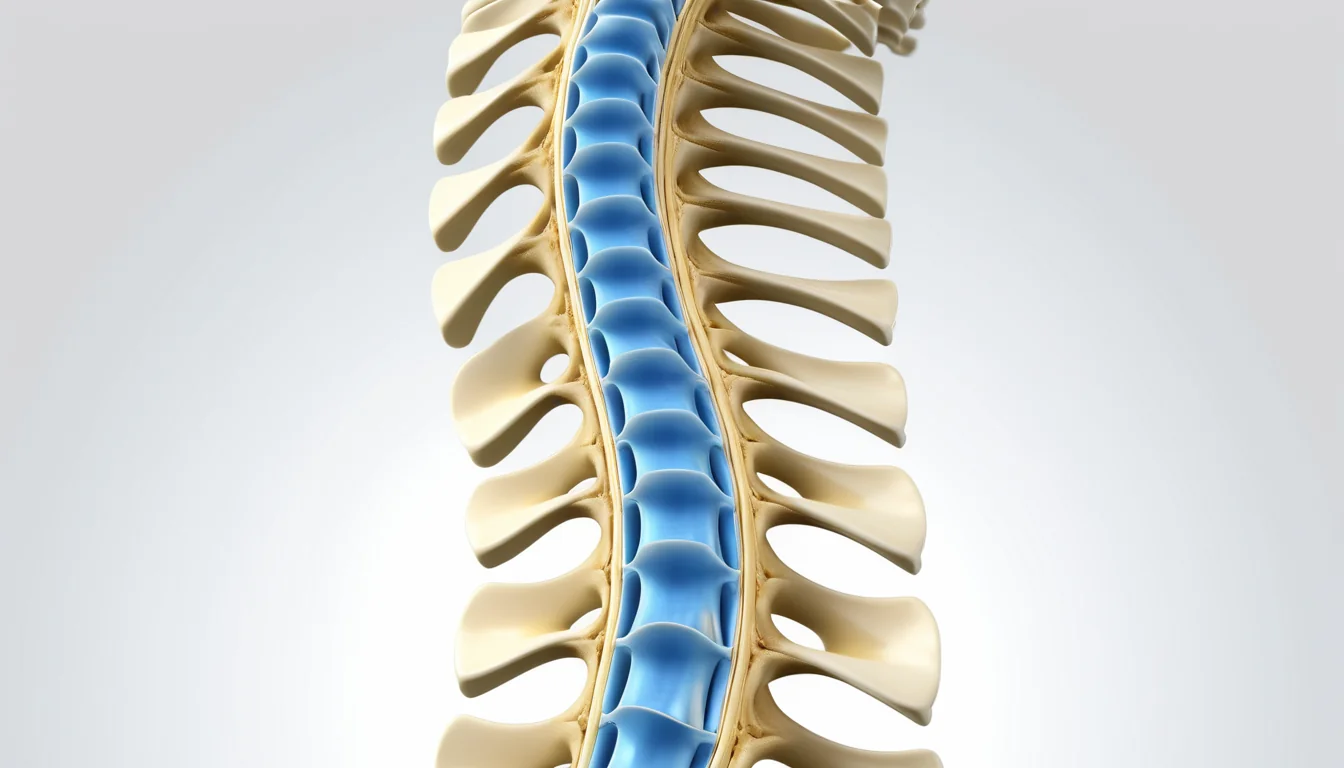
Scoliosis treatment Canada options have advanced significantly, giving patients and families more choices than ever for managing this common spinal condition. Scoliosis causes the spine to curve sideways into an “S” or “C” shape instead of running straight, and it most often appears during childhood or the teenage years — though adults can develop it too.
How Is Scoliosis Treatment in Canada Approached?
Understanding scoliosis causes and symptoms is the first step toward getting the right care. Whether you are a parent noticing uneven shoulders in your child or an adult experiencing new back discomfort, this guide covers everything Canadian patients need to know — from early diagnosis and monitoring to bracing, surgery, and physiotherapy — so you can make confident, informed decisions about your spinal health.
What Is Scoliosis?
| Treatment Option | Best Suited For | Key Benefits | Important Considerations |
|---|---|---|---|
| Observation & Monitoring | Curves under 25°; skeletally immature patients | Non-invasive; regular X-rays track progression; no lifestyle disruption | Requires consistent follow-up with a specialist every 4–6 months; available through provincial health plans |
| Bracing (e.g., Boston or Rigo-Chêneau Brace) | Curves between 25°–45°; growing adolescents | Can halt curve progression; avoids surgery; covered under some provincial programs | Must be worn 16–23 hours daily; custom-fitted by certified orthotists; effectiveness depends on compliance |
| Physiotherapy & Exercise (e.g., Schroth Method) | Mild to moderate curves; all age groups | Improves posture, strength, and pain; no surgical risk; widely available across Canada | Requires trained scoliosis physiotherapist; results vary; ongoing commitment needed |
| Spinal Fusion Surgery | Curves exceeding 45°–50°; cases unresponsive to bracing | Permanently corrects severe curvature; long-term structural stability; performed at major Canadian spine centres | Lengthy recovery (6–12 months); surgical risks include infection and nerve injury; waitlists vary by province |
| Vertebral Body Tethering (VBT) | Skeletally immature patients with curves 35°–60° | Motion-preserving alternative to fusion; allows continued spinal growth; minimally invasive | Newer procedure with limited long-term data; available at select Canadian centres; not universally covered |
Normally, your spine runs straight down the centre of your back. With scoliosis, the spine bends to one side. In some cases, the spine also twists or rotates around its own axis.
Scoliosis most commonly affects the mid-back (thoracic spine) or the lower back (lumbar spine). A spinal curve of less than 10 degrees is considered a normal variation. Scoliosis is diagnosed when the curve measures more than 10 degrees.
According to Mayo Clinic, scoliosis affects about 2–3% of the population. However, most cases are mild and do not cause serious health problems.
What Causes Scoliosis?
In about 80% of cases, doctors do not know the exact cause. This is called idiopathic scoliosis. It tends to run in families, which suggests a genetic link.
There are two main types of scoliosis: non-structural and structural.
Non-Structural Scoliosis
Non-structural scoliosis involves a sideways curve without rotation of the spine. It is usually reversible because it is caused by an underlying condition. Common causes include:
- Muscle pain or spasm
- Inflammation, such as appendicitis
- A difference in leg length
Once the underlying cause is treated, the spinal curve often improves or disappears entirely.
Structural Scoliosis
Structural scoliosis involves a curve with rotation of the spine. This type is not reversible on its own. Common causes include:
- Idiopathic causes — no known cause, the most common type
- Congenital conditions — present at birth, such as spina bifida, where the spinal canal does not close properly
- Neuromuscular conditions — such as cerebral palsy, Marfan syndrome, or muscular dystrophy
- Degenerative changes — in adults, ageing can cause changes to the spine through osteoarthritis or osteoporosis
Between 5 and 7% of scoliosis cases result from congenital spinal abnormalities. These curves tend to be stiffer and may worsen as a child grows.
Recognising the Symptoms of Scoliosis
Scoliosis in children and teens often causes no pain early on. In many cases, a parent or teacher is the first to notice something is off. For example, a child’s clothing may not hang evenly, or their posture may look uneven.
Here are common signs to watch for in children and teens:
- One shoulder appears higher than the other
- One hip sits higher than the other
- The head does not appear centred over the body
- One shoulder blade sticks out more than the other
- When bending forward from the waist, the ribs appear higher on one side
- The waistline looks flatter on one side
In most children and teens, scoliosis does not cause back pain. However, if your child has back pain along with a curved spine, see a doctor promptly. Pain in this age group can sometimes signal other conditions, such as a spinal tumour, and should be investigated.
Scoliosis Symptoms in Adults
Adults with scoliosis may or may not experience back pain. In many cases, it is hard to know whether the scoliosis itself is causing the pain. As the curve worsens in adults, it can lead to back pain and, in severe cases, difficulty breathing.
Other spinal conditions, such as kyphosis (a forward rounding of the upper back), can cause similar symptoms. A proper diagnosis from a healthcare provider is essential.
How Scoliosis Progresses Over Time
Most cases of scoliosis are mild and do not worsen over time. Small curves generally cause no pain or complications. However, in moderate to severe cases, the curve can continue to grow — especially during periods of rapid growth, such as the teenage years.
Curves smaller than 30 degrees often stop progressing once the skeleton stops growing. Larger curves, however, may continue to worsen throughout adolescence and even into adulthood if left untreated.
Only about 10% of children diagnosed with scoliosis will need active treatment, such as a back brace or surgery.
Factors That Affect Curve Progression
Several factors can predict whether a curve will get worse:
- Skeletal maturity at diagnosis — the less mature the skeleton, the higher the risk of progression. Doctors use the Risser test (an X-ray measurement) to assess bone maturity.
- Curve size — larger curves are more likely to worsen over time.
- Curve location — curves in the upper spine tend to progress more than those in the lower spine.
Furthermore, girls are at a higher risk than boys of developing larger, more severe curves. Therefore, close monitoring is especially important for girls diagnosed during their growth years.
As scoliosis worsens, the vertebrae rotate toward the inside of the curve. In severe cases, the ribs on one side of the body crowd together, while the ribs on the other side spread apart. This rib deformity — called a rib hump — can reduce lung capacity and make breathing harder.
How Is Scoliosis Treated in Canada?
Treatment for scoliosis depends on the severity of the curve, the patient’s age, and the risk of the curve getting worse. Most Canadians with mild scoliosis do not need active treatment — just regular monitoring.
For more information on spine health and related programmes, visit Health Canada.
Observation and Monitoring
For mild curves, a doctor will typically schedule follow-up appointments every 4 to 6 months to track any changes. This is the most common approach for children and teens whose curves are small and stable.
Bracing
A back brace is often recommended when the curve is between 25 and 45 degrees and the skeleton is still growing. The brace does not straighten the spine, but it can stop the curve from getting worse. Bracing is most effective in children and teens who are still growing.
Surgery
Surgery may be considered when the curve exceeds 45 to 50 degrees, or when the curve is causing significant pain or breathing problems. The most common procedure is spinal fusion, where the curved vertebrae are joined together to prevent further movement.
Your specialist will discuss the risks and benefits of surgery with you in detail. Surgical decisions are always personalised to the patient.
Physiotherapy and Exercise
Physiotherapy does not cure scoliosis, but it can help manage pain and improve posture and strength. In Canada, a referral to a physiotherapist is often part of the overall care plan. Ask your family doctor or specialist about what is covered under your provincial health plan.
The Healthline overview of scoliosis provides additional context on exercise approaches that may complement medical treatment.
When to See a Doctor About Scoliosis
If you notice signs of an uneven spine in your child — or in yourself — it is a good idea to get checked out. You do not need to wait for symptoms to become severe.
Here is when to seek care:
- You notice uneven shoulders, hips, or a rib hump in your child
- Your child or teen complains of back pain alongside a visible curve
- You are an adult with a known curve that seems to be getting worse
- You have difficulty breathing related to spinal changes
Start by booking an appointment with your family doctor. They can do an initial assessment and refer you to a specialist if needed. If you do not have a family doctor, a walk-in clinic can also evaluate your spine and arrange for X-rays. Most provincial health plans cover diagnostic imaging and specialist referrals for scoliosis.
Always consult a qualified healthcare provider before making any decisions about your health or your child’s treatment. The information in this article is for educational purposes only and is not a substitute for professional medical advice.
Frequently Asked Questions About Scoliosis
Is scoliosis a serious condition?
Most cases of scoliosis are mild and do not cause serious health problems. However, severe curves can lead to back pain, rib deformity, and breathing difficulties. Regular monitoring by a doctor helps catch any progression early.
Can scoliosis be corrected without surgery?
Yes, many cases of scoliosis are managed without surgery. Mild curves are often just monitored over time, while moderate curves in growing children may be treated with a back brace. Surgery is only recommended for severe or rapidly progressing curves.
At what age does scoliosis usually develop?
Scoliosis most commonly develops between the ages of 8 and 18, often showing up during growth spurts in adolescence. However, it can also appear in younger children due to congenital causes, or in adults as a result of ageing and degenerative spine changes.
Does scoliosis cause back pain?
In children and teens, scoliosis usually does not cause back pain. Back pain is more common in adults with scoliosis, especially as the curve progresses. If a child with scoliosis has back pain, a doctor should investigate to rule out other causes.
Is scoliosis hereditary?
Scoliosis does appear to run in families, particularly the idiopathic form. If a parent or sibling has scoliosis, other family members may have a higher risk. However, having a family history does not mean scoliosis will definitely develop.
How is scoliosis diagnosed in Canada?
According to Mayo Clinic’s overview of scoliosis symptoms and causes, this information is supported by current medical research.
For more information, read our guide on learn more about low back surgery options in Canada.
A family doctor or specialist can diagnose scoliosis through a physical examination and X-rays. The Adam’s forward bend test is a common screening tool where the patient bends forward and the doctor checks for rib asymmetry. Most provincial health plans in Canada cover diagnostic imaging for scoliosis when referred by a physician.
Key Takeaways
- Scoliosis is a sideways curve of the spine, diagnosed when the curve is greater than 10 degrees.
- In 80% of cases, the cause is unknown — this is called idiopathic scoliosis.
- It most often appears in children and teens, especially during growth spurts.
- Common signs include uneven shoulders, uneven hips, and a visible rib hump.
- Most cases are mild and only need regular monitoring by a doctor.
- Treatment options include observation, back bracing, physiotherapy, and surgery for severe cases.
- Girls are at higher risk of developing more severe curves than boys.
- If you notice signs of scoliosis in your child or yourself, speak with your family doctor or visit a walk-in clinic.
Frequently Asked Questions
What is scoliosis?
Scoliosis is an abnormal lateral curvature of the spine, forming an ‘S’ or ‘C’ shape when viewed from behind. It most commonly develops during adolescence but can affect people of any age. A spinal curve measuring greater than 10 degrees on an X-ray is required for a clinical diagnosis.
What are the early warning signs of scoliosis?
Early signs include uneven shoulders, one shoulder blade protruding more than the other, an uneven waist, and one hip appearing higher than the other. In some cases, back pain or fatigue after prolonged standing or sitting may occur. Mild scoliosis often produces no visible symptoms initially.
What scoliosis treatment options are available in Canada?
Scoliosis treatment in Canada depends on curve severity and patient age. Options include observation with regular monitoring, custom spinal bracing prescribed by orthotists, physiotherapy, and surgery such as spinal fusion for severe cases. Provincial health plans typically cover medically necessary treatments, though brace costs vary by province.
Can scoliosis be prevented?
Idiopathic scoliosis, the most common form, cannot currently be prevented as its exact cause is unknown. However, early detection through school screening programs or routine checkups can prevent curves from worsening. Maintaining good posture and core strength supports spinal health but does not eliminate the risk of developing scoliosis.
When should I see a doctor about scoliosis treatment in Canada?
See a doctor if you notice uneven shoulders, a visibly curved spine, or persistent back pain in a child or teenager. In Canada, your family physician can provide a referral to an orthopaedic specialist or physiatrist. Early intervention before skeletal maturity significantly improves treatment outcomes and may prevent surgical intervention.

About the Author
Dr. Linda Chen, RD, PhDDr. Linda Chen is a registered dietitian and PhD in Nutritional Sciences from the University of British Columbia. With expertise in clinical nutrition, sports dietetics, and gut health, she has worked with leading Canadian hospitals and sports organizations. Dr. Chen is a member of Dietitians of Canada and regularly contributes to national nutrition policy discussions.
View all articles →