Kyphosis Treatment: Causes, Symptoms & Care in Canada

Share
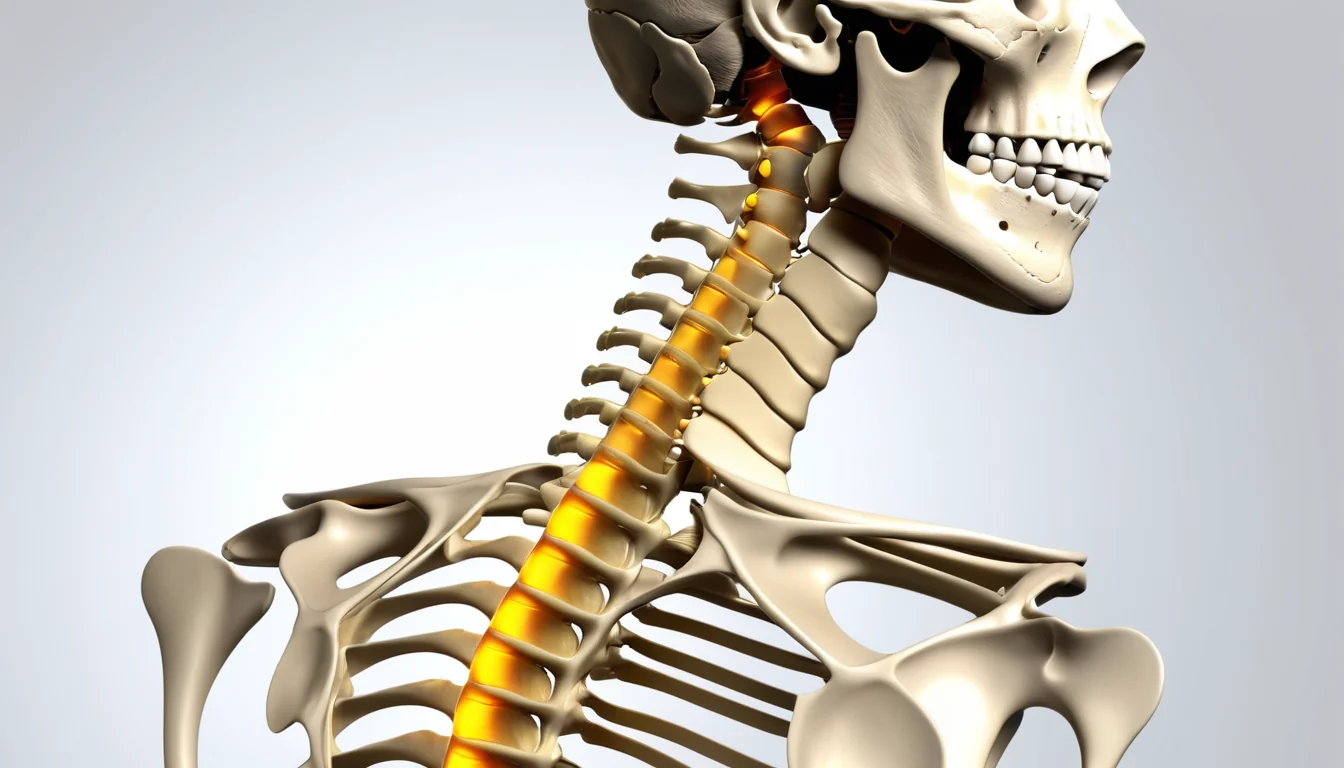
Kyphosis treatment begins with understanding this common spinal condition, which involves an abnormal forward rounding of the upper back exceeding 50 degrees. Sometimes referred to as a hunchback or roundback, kyphosis can develop in children, teenagers, and adults alike, and Canadian healthcare providers are well equipped to diagnose and manage it at every stage.
How Kyphosis Treatment Works in Canada
In Canada, kyphosis causes and symptoms are often first identified during routine check-ups or school screening exams. While a mild curve in the thoracic spine is perfectly normal, an exaggerated curve can lead to pain, stiffness, and even breathing difficulties if left untreated. This guide explains the different types of kyphosis, what puts you at risk, and how Canadian doctors diagnose and treat the condition.
What Is Kyphosis?
| Treatment Option | Best Suited For | Key Benefits | Important Considerations |
|---|---|---|---|
| Physiotherapy & Exercise | Mild to moderate postural kyphosis in all age groups | Strengthens back muscles, improves posture, reduces pain without medication | Requires ongoing commitment; typically covered under extended health benefits in Canada |
| Bracing (Orthotic Support) | Children and adolescents with Scheuermann’s kyphosis who are still growing | Can halt curve progression during growth; non-invasive | Must be worn 16–23 hours daily; less effective once skeletal maturity is reached |
| Pain Management & Medications | Adults with pain-related symptoms from osteoporotic or degenerative kyphosis | Reduces inflammation and discomfort; NSAIDs and bone-strengthening medications available | Long-term NSAID use carries risks; osteoporosis medications require specialist monitoring |
| Spinal Surgery (Spinal Fusion) | Severe curves exceeding 75°, neurological symptoms, or failed conservative treatment | Corrects significant deformity, relieves nerve compression, provides long-term stability | Lengthy recovery (6–12 months); wait times through the Canadian public system can be significant |
| Kyphoplasty / Vertebroplasty | Osteoporotic compression fractures causing kyphosis in older adults | Minimally invasive; rapid pain relief and partial vertebral height restoration | Not universally covered by provincial health plans; effectiveness varies by patient |
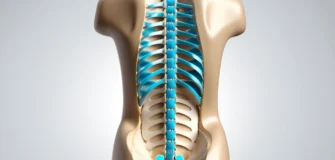
Your spine is made up of three main sections: seven cervical (neck) vertebrae, 12 thoracic (upper back) vertebrae, and five lumbar (lower back) vertebrae. The thoracic spine naturally curves slightly outward. However, when this curve becomes exaggerated, the condition is called kyphosis.
Below the lumbar vertebrae sits the sacrum, which contains five fused bones. At the very base of the spine is the coccyx, or tailbone. Strong fibrous ligaments hold all of these bones together. The thoracic vertebrae also connect to the ribs, which is why severe kyphosis can sometimes affect breathing.
In mild cases, kyphosis causes few medical problems. In severe cases, it can put pressure on the lungs, nerves, and other organs. This may cause pain, breathing difficulties, or other health concerns. For more information on spinal health, visit Health Canada’s official health resources.
Common Symptoms of Kyphosis
Kyphosis does not always cause noticeable symptoms, especially in mild cases. However, when symptoms do appear, they can include the following:
- A visibly rounded or hunched upper back
- Mild to moderate back pain
- Stiffness or tenderness along the spine
- Fatigue, especially after sitting or standing for a long time
- A forward-leaning posture
In more severe cases, a person may experience shortness of breath, difficulty swallowing, or numbness and weakness in the legs. These symptoms suggest that the spinal curve is pressing on nearby nerves or organs. Therefore, it is important not to ignore these signs.
Kyphosis can sometimes go undetected during routine check-ups or school scoliosis screening programmes. Parents should watch for a rounded upper back or poor posture in their children, especially during growth spurts.
Types of Kyphosis in Children and Teenagers
Kyphosis most commonly develops during childhood or adolescence, when the spine is still growing. There are three main types that affect young people.
Postural Kyphosis
Postural kyphosis is the most common type. It appears most often during adolescence and is more frequent in girls. Poor posture over time can stretch the spinal ligaments and cause the vertebrae to develop abnormally. This type of kyphosis is often accompanied by an exaggerated inward curve of the lower back, called hyperlordosis. Hyperlordosis is the spine’s way of compensating for the excessive upper-back curve.
Scheuermann’s Kyphosis
Scheuermann’s kyphosis also tends to appear during adolescence, most often between the ages of 10 and 15. It is slightly more common in boys. In this condition, the vertebrae develop a wedge shape instead of their normal rectangular shape. This can be seen clearly on an X-ray. Small nodules called Schmorl’s nodes may also appear on the affected vertebrae, caused by pressure from the spinal discs. The exact cause of Scheuermann’s kyphosis is not fully understood. However, it does tend to run in families. Some people with this type of kyphosis also develop scoliosis, a sideways curvature of the spine. Adults who had Scheuermann’s kyphosis as children may experience increasing back pain as they age.
Congenital Kyphosis
Congenital kyphosis develops before birth. A malformation of the spine during fetal development can cause vertebrae to fuse together, or bones may not form properly. This type of kyphosis can worsen as the child grows. In some cases, it can lead to paralysis of the lower body, a serious condition called paraplegia. Early diagnosis and treatment are essential for congenital kyphosis.
Causes of Kyphosis in Adults
In adults, kyphosis is often related to an underlying health condition that affects the bones, joints, or connective tissue of the spine. Several conditions can lead to spinal deformity and kyphosis in adults.
- Osteoporosis: This condition causes bones to become thin and weak. Vertebral compression fractures can result, leading to a stooped posture and kyphosis. Osteoporosis is especially common in older Canadians, particularly postmenopausal women.
- Degenerative arthritis: Wear and tear on the spinal bones and intervertebral discs over time can cause the spine to curve forward.
- Ankylosing spondylitis: This is an inflammatory type of arthritis that primarily affects the spine. It causes the joints to become stiff and fused over time.
- Connective tissue disorders: Conditions such as Marfan syndrome can affect the body’s ability to hold joints in their correct position.
- Spinal infections: Tuberculosis and other spinal infections can destroy joint tissue, leading to kyphosis.
- Cancer or tumours: Tumours growing on or near the vertebrae can cause the spine to shift into an abnormal position.
- Spina bifida: This is a birth defect in which part of the spine does not form completely, causing defects in both the spinal cord and the vertebrae.
- Paralysis-related conditions: Conditions such as cerebral palsy or polio can cause muscle weakness and spinal stiffness, contributing to kyphosis.
In addition, certain cancer treatments, including radiation therapy to the spine, can sometimes lead to kyphosis later in life. If you have had spinal radiation, speak to your family doctor about monitoring your spinal health.
For a detailed overview of spinal conditions, Mayo Clinic’s kyphosis resource provides thorough, evidence-based information.
Who Is at Risk for Kyphosis?
Certain groups of people are more likely to develop kyphosis. Understanding your risk can help you take action early.
- Teenage girls with poor posture are at higher risk for postural kyphosis.
- Boys between 10 and 15 years old are more likely to develop Scheuermann’s kyphosis.
- Older adults with osteoporosis face a greater risk of vertebral fractures that can cause kyphosis.
- People with connective tissue disorders, such as Marfan syndrome or Ehlers-Danlos syndrome, have a higher risk.
- People with inflammatory spinal conditions, such as ankylosing spondylitis, are also at increased risk.
Furthermore, a family history of kyphosis — particularly Scheuermann’s type — increases your likelihood of developing the condition. Staying active, maintaining good posture, and getting regular check-ups can all help reduce your risk.
How Is Kyphosis Diagnosed and Treated?
A healthcare provider will typically start by reviewing your medical history and performing a physical exam. They will observe your posture and the shape of your back. An X-ray is usually needed to measure the degree of spinal curvature and confirm a diagnosis of kyphosis. In some cases, an MRI or CT scan may also be ordered to get a closer look at the spinal cord and surrounding tissues.
Treatment for kyphosis depends on the patient’s age, the underlying cause, and the severity of the curve. Mild kyphosis may require no treatment at all, or only physical therapy and exercises to strengthen the back and improve posture. For growing children and teenagers, a back brace may be recommended to prevent the curve from worsening. In severe cases, particularly when the curve is pressing on the spinal cord or causing significant pain, surgery may be considered. Spinal fusion surgery is the most common surgical approach for kyphosis. However, surgery is only recommended when other treatments have not helped. For more on treatment options and spinal health, Healthline’s guide to kyphosis treatments offers a helpful overview.
When to See a Doctor About Kyphosis
You should contact your family doctor if you or your child shows any signs of kyphosis, such as a visibly rounded upper back, persistent back pain, or poor posture that does not improve. Early diagnosis leads to better outcomes, especially in children and teenagers who are still growing. If you do not have a family doctor, a walk-in clinic can assess your symptoms and refer you to a specialist if needed. In Canada, referrals to orthopaedic surgeons or spinal specialists are typically covered under provincial health plans, though wait times may vary by province. Do not wait for symptoms to become severe before seeking help. Even mild kyphosis is worth monitoring with a healthcare professional.
Always consult a qualified healthcare provider for a proper diagnosis and treatment plan. The information in this article is for educational purposes only and is not a substitute for professional medical advice.
Frequently Asked Questions About Kyphosis
What is the difference between kyphosis and scoliosis?
Kyphosis is an excessive forward curve of the upper spine, while scoliosis is a sideways curve of the spine. Both are types of spinal deformity, but they affect the spine in different directions. Some people have both conditions at the same time, particularly those with Scheuermann’s kyphosis.
Can kyphosis be corrected without surgery?
In many cases, kyphosis can be managed without surgery. Physical therapy, posture exercises, and back braces are common non-surgical treatments. However, severe kyphosis that causes pain or affects organ function may require surgical intervention, which your doctor can discuss with you.
Is kyphosis painful?
Mild kyphosis is often painless and may not even be noticeable. More severe kyphosis can cause back pain, muscle fatigue, and stiffness along the spine. In advanced cases, kyphosis may press on nerves or organs, leading to additional symptoms such as numbness, weakness, or breathing difficulties.
At what age does kyphosis usually develop?
Kyphosis can develop at any age, but it most commonly appears during adolescence when the spine is still growing. Postural and Scheuermann’s kyphosis typically develop between the ages of 10 and 15. In older adults, kyphosis often results from osteoporosis or degenerative spinal conditions.
Does bad posture cause kyphosis?
Poor posture can contribute to postural kyphosis, especially in teenagers. Slouching over time can stretch spinal ligaments and alter how the vertebrae develop. However, not all kyphosis is caused by posture — other types have structural or medical causes that are not related to how a person sits or stands.
Is kyphosis covered under provincial health plans in Canada?
According to Mayo Clinic’s overview of kyphosis symptoms and causes, this information is supported by current medical research.
For more information, read our guide on learn more about low back surgery options in Canada.
Yes, diagnosis and treatment for kyphosis are generally covered under provincial and territorial health plans in Canada. This includes visits to your family doctor, specialist referrals, X-rays, and medically necessary surgeries. However, some therapies, such as certain types of physical therapy or custom bracing, may require additional coverage through private insurance.
Key Takeaways
- Kyphosis is an exaggerated forward curve of the upper spine, typically greater than 50 degrees.
- It can affect people of any age, but is most common in teenagers and older adults.
- Common types include postural kyphosis, Scheuermann’s kyphosis, and congenital kyphosis.
- In adults, causes include osteoporosis, degenerative arthritis, and connective tissue disorders.
- Symptoms range from a rounded back and mild pain to breathing difficulties in severe cases.
- Treatment options include physical therapy, back bracing, and surgery for severe cases.
- If you notice signs of kyphosis in yourself or your child, speak to your family doctor or visit a walk-in clinic. Early action makes a real difference.
Frequently Asked Questions
What is kyphosis?
Kyphosis is an excessive forward curvature of the upper spine, creating a rounded or hunched appearance. The spine normally curves slightly, but kyphosis causes an abnormal curve greater than 50 degrees. It can affect people of all ages and ranges from mild postural issues to severe structural spinal deformities requiring medical treatment.
What are the symptoms of kyphosis?
Common kyphosis symptoms include a visibly rounded upper back or hump, back pain and stiffness, muscle fatigue, and tight hamstrings. Severe cases may cause difficulty breathing, numbness or weakness in the legs, and balance problems. Many mild cases cause no pain and are only noticed through posture changes.
What are the kyphosis treatment options available in Canada?
Kyphosis treatment in Canada depends on severity and cause. Options include physiotherapy, back-strengthening exercises, pain management, and posture correction. For adolescents with progressive curves, back bracing is recommended. Severe structural kyphosis causing neurological symptoms or significant deformity may require spinal fusion surgery, available at major Canadian spine centres.
Can kyphosis be prevented?
Postural kyphosis can often be prevented through regular exercise, core-strengthening activities, and maintaining good posture. Adequate calcium and vitamin D intake helps prevent osteoporosis-related kyphosis in older Canadians. Early detection through routine checkups is key, as congenital and Scheuermann’s kyphosis cannot always be prevented but can be managed effectively.
When should you see a doctor about kyphosis treatment?
See a doctor if you notice an increasing spinal curve, persistent back pain, significant posture changes, or difficulty standing straight. Seek immediate medical attention if kyphosis is accompanied by leg weakness, numbness, or bladder or bowel problems, as these may indicate spinal cord compression requiring urgent evaluation by a Canadian spine specialist.

About the Author
Dr. Sarah Mitchell, MDDr. Sarah Mitchell is a board-certified family physician with over 15 years of clinical experience. She completed her MD at the University of Toronto and her residency at Toronto General Hospital. Dr. Mitchell specializes in preventive medicine and chronic disease management. She is a member of the College of Family Physicians of Canada (CFPC) and has published over 30 peer-reviewed articles on preventive health care.
View all articles →