Chronic Cervicitis: Causes, Symptoms & Treatment Canada

Share
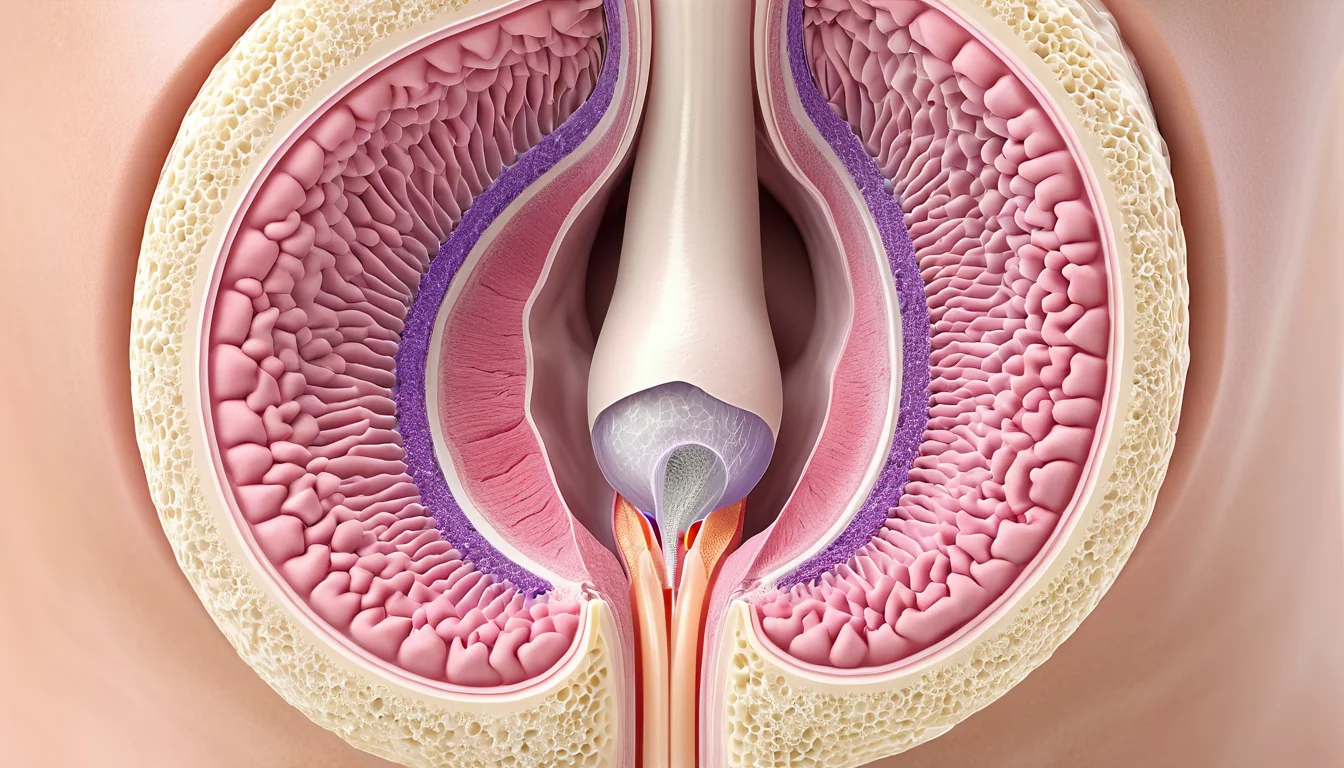
Chronic cervicitis is a persistent inflammation of the cervix that affects a significant number of Canadian women each year, making it one of the most common reasons for gynaecological visits across the country. This condition occurs when the lower part of the uterus — the narrow passage connecting to the vagina — remains inflamed over weeks or months, often without obvious warning signs. The good news is that chronic cervicitis is treatable, and early care can protect your long-term reproductive health.
Understanding Chronic Cervicitis: What Every Canadian Woman Should Know
Understanding cervicitis causes and treatment is essential for every woman. Whether triggered by a bacterial infection, a sexually transmitted infection, or non-infectious irritants, cervical inflammation symptoms can range from unusual discharge to discomfort during intercourse. In Canada, healthcare providers follow evidence-based guidelines to diagnose and manage this condition effectively, helping patients avoid serious complications such as pelvic inflammatory disease or fertility problems.
What Is Chronic Cervicitis?
| Treatment Option | How It Works | Benefits | Considerations |
|---|---|---|---|
| Antibiotic Therapy (e.g., Azithromycin, Doxycycline) | Targets and eliminates bacterial infections such as chlamydia or gonorrhea causing cervical inflammation | Highly effective for infectious causes; typically resolves symptoms within 1–2 weeks | Requires accurate STI testing first; partner treatment may be necessary; available through provincial health coverage |
| Antiviral Medication (e.g., Acyclovir) | Suppresses viral replication in cases caused by herpes simplex virus (HSV) | Reduces symptom severity and frequency of outbreaks; manages chronic recurrence | Does not cure HSV; long-term management required; discuss options with a Canadian sexual health clinic |
| Cryotherapy | Freezes and destroys abnormal or inflamed cervical tissue using liquid nitrogen | Effective for persistent non-infectious chronic cervicitis; minimally invasive outpatient procedure | May cause temporary discharge and cramping; follow-up Pap smear recommended; performed by a gynecologist |
| Laser Therapy | Uses focused laser energy to remove inflamed cervical tissue with precision | Minimal damage to surrounding tissue; effective for refractory cases unresponsive to other treatments | Less widely available across Canadian provinces; higher cost; referral to a specialist typically required |
| Hormonal Therapy | Addresses cervicitis linked to hormonal imbalance or atrophic changes, particularly in perimenopausal women | Restores cervical tissue health; reduces inflammation caused by estrogen deficiency | Not appropriate for all patients; requires assessment for hormone-sensitive conditions before prescribing |
The cervix is a small but important part of the female reproductive system. It acts as a passageway between the uterus and the vagina. It plays a role in menstruation, sexual function, fertility, and pregnancy.
Cervicitis means the cervix has become inflamed. When this inflammation lasts for a long time, doctors call it chronic cervicitis. In many cases, the vagina becomes inflamed at the same time. When both areas are affected, the condition is sometimes called cervico-vaginal inflammation.
Chronic cervicitis can develop silently over months or even years. Many women do not realise they have it until a routine Pap test or pelvic exam reveals a problem. However, leaving it untreated can lead to more serious health issues, so it is worth understanding the signs.
Causes of Chronic Cervicitis
Chronic cervicitis is most often caused by an infection. However, physical trauma and certain devices can also trigger it. Understanding the cause helps your doctor choose the right treatment.
Common Infections That Cause Cervicitis
Several bacteria, parasites, and viruses can cause chronic cervicitis. The most common include:
- Chlamydia trachomatis — one of the most common sexually transmitted infections (STIs) in Canada
- Trichomonas vaginalis — a parasite that causes a common STI
- Human papillomavirus (HPV) — a very widespread virus with many strains
- Herpes simplex virus — the virus responsible for genital herpes
- Neisseria gonorrhoeae — the bacteria that causes gonorrhoea
- Candida (yeast) — especially when combined with Trichomonas
Less common causes include syphilis, tuberculosis, and mycoplasma infections. For more information on sexually transmitted infections in Canada, visit Health Canada’s sexual health resources.
Non-Infectious Risk Factors
Not all cases of chronic cervicitis are caused by infection. Other risk factors include:
- Tears or injuries to the cervix during childbirth
- Trauma from sexual activity or tampon use
- Intrauterine devices (IUDs)
- Medical procedures such as uterine scraping (curettage) or hysteroscopy
- Congenital ectopy — when the inner lining of the cervical canal slides outward
These physical causes can irritate the cervical tissue over time. As a result, the cervix may become inflamed even without an active infection.
Recognising the Symptoms of Chronic Cervicitis
One of the reasons chronic cervicitis is so often missed is that it can cause very few symptoms. Many women live with it for years without knowing. However, there are some signs to watch for.
The Main Symptom: Unusual Vaginal Discharge
The most common symptom of chronic cervicitis is a persistent vaginal discharge. This discharge is usually thin, slightly stringy, and not particularly heavy. It may sometimes contain small streaks of blood.
The colour and texture of the discharge can vary depending on the underlying cause. For example, a yeast infection typically causes a thick, white discharge, while a bacterial infection may cause a greyer or yellower discharge.
Other Possible Symptoms
In most cases, chronic cervicitis does not cause pain, fever, or changes in your menstrual cycle. However, if nearby pelvic structures also become inflamed, additional symptoms may appear. These can include:
- Lower back or abdominal pain
- Painful periods (dysmenorrhoea)
- Pain during sexual intercourse (dyspareunia)
- Heavier-than-normal periods (menorrhagia)
Furthermore, chronic inflammation of the cervix can affect cervical mucus. This can make it harder for sperm to travel through the cervix, which may contribute to fertility challenges. According to Mayo Clinic, cervicitis is often linked to STIs and should be assessed by a healthcare provider.
How Chronic Cervicitis Is Diagnosed
If your doctor suspects chronic cervicitis, they will use a combination of tests to confirm the diagnosis. Early and accurate diagnosis is important for choosing the right treatment.
Physical Examination
Your doctor will begin with a pelvic exam. This involves a vaginal examination and a speculum exam — where a small instrument is gently inserted to allow the doctor to see the cervix clearly. They will look for inflammation, ulcers, unusual discharge, or changes in the shape of the cervix.
Laboratory Tests
Your doctor will likely take swab samples from the cervix and vagina. These samples are tested to identify the type of infection present. A culture and sensitivity test may also be done to help choose the most effective antibiotic if bacteria are involved.
Pap Test and Colposcopy
A Pap test (also called a Pap smear) checks for abnormal cervical cells. This is a routine part of women’s healthcare in Canada and is covered by most provincial health plans. Your family doctor or a walk-in clinic can arrange a referral if needed.
A colposcopy is a more detailed examination. A doctor uses a special magnifying instrument called a colposcope to look closely at the cervix. During this procedure, a solution may be applied to the cervical tissue to highlight any abnormal areas.
Biopsy
In some cases, the doctor may take a small tissue sample (biopsy) from the cervix. This is sent to a laboratory for closer analysis. A biopsy gives the most definitive diagnosis of chronic cervicitis and rules out other conditions.
Possible Complications of Untreated Chronic Cervicitis
Chronic cervicitis is generally not dangerous in the short term. Many women manage normal daily life with only mild symptoms. However, if left untreated, it can lead to more serious complications.
Pelvic Inflammatory Disease
The inflammation can spread to nearby structures, including the ligaments that support the uterus and pelvic organs. This condition is called parametritis and can cause chronic pelvic pain, painful periods, and pain during sex.
Fallopian Tube Damage and Infertility
If the infection spreads to the fallopian tubes, it causes salpingitis. This is a serious condition. Scarring or blockage of the tubes can make it difficult or impossible to conceive naturally. Therefore, treating chronic cervicitis promptly is important for women who plan to have children.
Urinary Tract Infections
Chronic infection near the cervix can also increase the risk of recurring urinary tract infections (UTIs). These can be uncomfortable and may require repeated antibiotic treatment.
Cervical Narrowing
Long-term inflammation can sometimes cause the cervical opening to narrow — a condition called cervical stenosis. This can affect menstrual flow and fertility.
Link to Cervical Cancer Risk
Chronic cervicitis does not cause cervical cancer. However, ongoing cervical irritation — especially from HPV — can create conditions that increase risk over time. Treating chronic cervicitis is considered a preventive step in protecting cervical health. The World Health Organization recommends regular cervical screening for all women as a key cancer prevention strategy.
Treatment Options for Chronic Cervicitis
Treatment for chronic cervicitis depends on the underlying cause. Your doctor will tailor the treatment plan to your specific situation. In general, treatment is carried out in two stages: first, treating the active infection, and then addressing any lasting cervical changes.
Antibiotic or Antiviral Therapy
If an infection is causing the cervicitis, your doctor will prescribe the appropriate medication. Bacterial infections are treated with antibiotics. Viral causes, such as herpes, are managed with antiviral medications. Yeast-related cases are treated with antifungal medicines.
It is important to complete the full course of any medication, even if symptoms improve quickly. In addition, if the cause is a sexually transmitted infection, your partner may also need treatment to prevent reinfection.
Follow-Up Care
After treatment, your doctor will schedule a follow-up exam. This ensures the infection has cleared and the cervix is healing properly. In some cases, repeat Pap tests or colposcopy may be recommended.
If structural changes to the cervix remain after the infection is treated, further procedures may be needed. Your gynaecologist will discuss the best options with you.
When to See a Doctor
You should speak with your family doctor if you notice any unusual vaginal discharge that persists for more than a few days. This is especially important if the discharge has an unusual colour, odour, or contains blood.
If you do not have a family doctor, a walk-in clinic can assess your symptoms and arrange testing. Most provincial health plans in Canada cover gynaecological examinations and Pap tests. Do not wait — early treatment leads to better outcomes and helps prevent complications.
You should seek prompt care if you experience pelvic pain, pain during sex, or changes in your menstrual cycle alongside unusual discharge. These symptoms together may suggest the infection has spread beyond the cervix.
Always consult a qualified healthcare provider before starting or changing any treatment. This article is for informational purposes only and does not replace professional medical advice.
Frequently Asked Questions About Chronic Cervicitis
What is chronic cervicitis and is it serious?
Chronic cervicitis is a long-term inflammation of the cervix, usually caused by infection or physical irritation. It is generally not dangerous in the short term, but untreated chronic cervicitis can lead to pelvic inflammatory disease, fertility problems, or recurring infections. See your doctor for proper diagnosis and treatment.
Can chronic cervicitis go away on its own?
Chronic cervicitis rarely resolves without treatment, especially when caused by a bacterial or viral infection. Without proper care, the inflammation can persist for years and increase the risk of complications. Your family doctor or walk-in clinic can recommend the right course of treatment.
What does cervicitis discharge look like?
The discharge associated with chronic cervicitis is typically thin, persistent, and slightly stringy. It may vary in colour from clear to yellow or grey depending on the underlying cause, and it sometimes contains small streaks of blood. Any unusual discharge that lasts more than a few days should be assessed by a healthcare provider.
Can chronic cervicitis affect fertility?
Yes, chronic cervicitis can affect fertility in some cases. The ongoing inflammation can alter cervical mucus, making it harder for sperm to reach the egg. If the infection spreads to the fallopian tubes, it can cause scarring that blocks the tubes entirely, making conception more difficult.
How is chronic cervicitis diagnosed in Canada?
Chronic cervicitis is diagnosed through a combination of a pelvic exam, vaginal swabs, a Pap test, and sometimes a colposcopy. These tests are available through your family doctor or a gynaecologist, and most are covered by provincial health plans across Canada. Early diagnosis leads to faster and more effective treatment.
Is chronic cervicitis linked to cervical cancer?
According to Mayo Clinic’s guide to cervicitis symptoms and causes, this information is supported by current medical research.
For more information, read our guide on pelvic and sacroiliac joint pain causes in Canada.
Chronic cervicitis does not directly cause cervical cancer, but long-term cervical irritation — particularly from HPV — can increase the risk over time. Treating chronic cervicitis promptly is considered a preventive measure for cervical health. Regular Pap tests remain the most important tool for early cancer detection in Canada.
Key Takeaways
- Chronic cervicitis is a persistent inflammation of the cervix, affecting a large number of women at some point in their lives.
- The most common causes are sexually transmitted infections such as chlamydia, HPV, and gonorrhoea, as well as physical trauma or IUD use.
- The main symptom is an ongoing, thin vaginal discharge. Many women have no other symptoms for years.
- Diagnosis involves a pelvic exam, swab tests, Pap test, and possibly a colposcopy — most of which are covered by provincial health plans.
- Untreated chronic cervicitis can lead to pelvic inflammatory disease, fallopian tube damage, fertility issues, and recurring urinary infections.
- Treatment depends on the cause and typically involves antibiotics, antivirals, or antifungals, followed by a follow-up exam.
- If you notice persistent unusual discharge or pelvic discomfort, speak with your family doctor or visit a walk-in clinic promptly.
Frequently Asked Questions
What is chronic cervicitis?
Chronic cervicitis is long-term inflammation of the cervix, the lower part of the uterus that connects to the vagina. It develops when acute cervicitis goes untreated or recurs repeatedly. Common causes include bacterial infections, sexually transmitted infections (STIs), or irritation from contraceptive devices. It affects many Canadian women of reproductive age.
What are the symptoms of chronic cervicitis?
Chronic cervicitis symptoms include unusual vaginal discharge (grey, yellow, or green), pelvic pain, pain during intercourse, bleeding between periods or after sex, and frequent urination. Many women experience mild or no symptoms at all, making routine gynecological exams essential for early detection and diagnosis.
How is chronic cervicitis treated in Canada?
Treatment depends on the underlying cause. Bacterial or STI-related chronic cervicitis is treated with prescribed antibiotics. If caused by irritation, removing the irritant resolves inflammation. Severe or persistent cases may require cryotherapy or laser therapy. Canadian doctors typically confirm the cause through swabs before prescribing targeted treatment.
Can chronic cervicitis be prevented?
Yes, chronic cervicitis can often be prevented by practicing safe sex using condoms, getting regular Pap smears and STI screenings, and promptly treating any vaginal or cervical infections. Avoiding harsh douches or irritating hygiene products also reduces risk. Regular checkups with your Canadian healthcare provider are strongly recommended.
When should you see a doctor for chronic cervicitis?
See a doctor if you experience unusual vaginal discharge, pelvic pain, painful intercourse, or spotting between periods. Seek prompt care if symptoms persist longer than a few days or worsen. Early diagnosis prevents complications such as pelvic inflammatory disease (PID) and protects long-term reproductive health.

About the Author
Dr. James Okafor, MD, PhDDr. James Okafor holds an MD and PhD in Neurological Sciences from McGill University. With 12 years of experience in clinical neurology and mental health research, he has contributed to landmark studies on depression, anxiety, and cognitive health. Dr. Okafor is a Fellow of the Royal College of Physicians and Surgeons of Canada and serves on the editorial board of two peer-reviewed journals.
View all articles →