Cervical Polyps: Symptoms, Removal & Treatment Canada

Share
Cervical polyps are small, finger-like growths that form on the cervix — the lower part of the uterus that connects to the vagina. They are among the most common gynaecological findings in Canada, and while they are usually benign (non-cancerous), they can cause symptoms like unusual discharge or irregular spotting that should not be ignored.
What Causes Cervical Polyps and Who Is at Risk?
Understanding cervical polyp symptoms early can help you take the right steps toward diagnosis and care. Whether you are experiencing unexpected bleeding or your doctor discovered a polyp during a routine Pap test, this guide explains what causes polyps on the cervix, how cervical polyp removal works in Canada, and when to see your family doctor or visit a walk-in clinic for evaluation.
What Are Cervical Polyps?
| Treatment Option | How It Works | Benefits | Considerations |
|---|---|---|---|
| Watchful Waiting | Monitoring small, asymptomatic cervical polyps over time without immediate intervention | Non-invasive; avoids unnecessary procedures; suitable for small polyps in postmenopausal patients | Requires regular follow-up appointments; not recommended if symptoms are present or polyp grows |
| Polypectomy (Office Removal) | Polyp twisted off at its base or removed with forceps during a routine clinic visit | Quick, minimally invasive procedure; usually no anesthesia required; same-day return to normal activities | Mild cramping or spotting post-procedure; small risk of recurrence; biopsy of removed tissue recommended |
| Electrocautery or Cryotherapy | Base of the polyp destroyed using heat (electrocautery) or freezing (cryotherapy) to prevent regrowth | Reduces recurrence risk; effective for larger polyps with a broad base | May cause temporary discharge or spotting; slightly longer recovery than simple polypectomy |
| Hysteroscopic Removal | Polyps removed under direct visualization using a hysteroscope, typically in a hospital or surgical clinic setting | Highly precise; suitable for larger or multiple cervical polyps; allows simultaneous uterine assessment | May require local or general anesthesia; longer recovery time; referral to a gynaecologist typically needed in Canada |
| Hormonal Therapy | Addresses underlying hormonal imbalances (e.g., excess estrogen) that may contribute to polyp formation | May reduce risk of recurrence; beneficial for patients with associated hormonal conditions | Does not directly remove existing polyps; used as adjunct therapy; requires assessment by a Canadian healthcare provider |
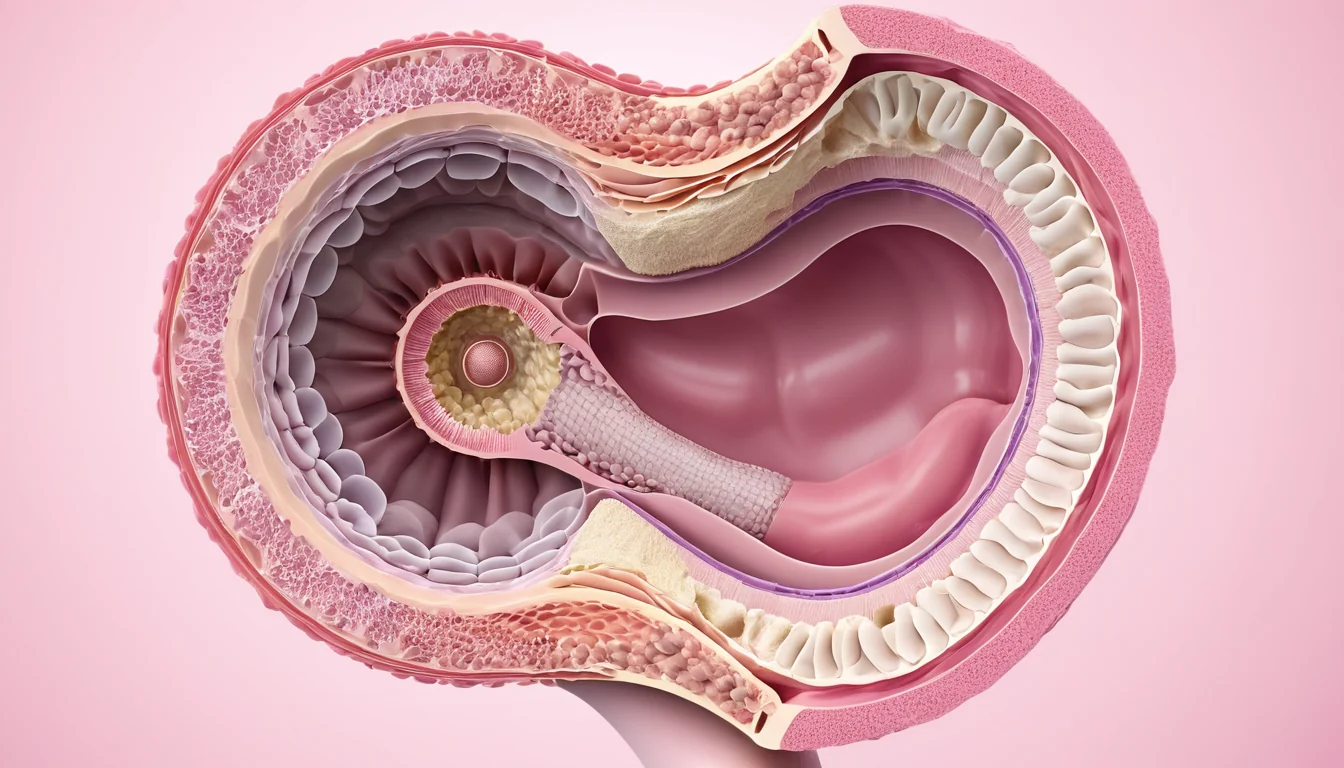
Cervical polyps are small, soft growths that develop on the cervix. They most often grow from the inner lining of the cervical canal, which is called the endocervical canal. Less often, they grow from the outer surface of the cervix.
In structure, a cervical polyp has a soft, spongy core made of connective tissue and blood vessels. This core is covered by a layer of cells called epithelium. The epithelium can be one of several types, depending on where the polyp forms.
Cervical polyps are usually small — most are less than 1 centimetre across. However, they can range from a few millimetres up to about 3 centimetres. In very rare cases, a polyp can grow large enough to extend into or beyond the vaginal opening.
What Do Cervical Polyps Look Like?
Cervical polyps often have a bright red, pink, purple, or brick-red colour. Their colour depends on their blood supply. They tend to have a smooth, fragile surface that can bleed easily when touched.
Many polyps are pedunculated, meaning they hang from a thin stalk. Others are sessile, meaning they have a broad, flat base and sit directly on the cervix. You may have just one polyp, or occasionally several at the same time.
For more information on cervical anatomy and women’s reproductive health, visit the Health Canada women’s health resources.
Common Symptoms of Cervical Polyps
Cervical polyps are most common in women in their 30s to 50s who have been pregnant before. Many women have no symptoms at all. In these cases, a polyp is often found by chance during a routine Pap test or pelvic exam.
However, when symptoms do appear, they can include the following:
- Abnormal vaginal discharge: This may be watery, mucus-like, or heavier than usual.
- Spotting between periods: You may notice a few drops of blood between your regular periods.
- Bleeding after sex: This is called post-coital bleeding and is one of the most common signs.
- Heavier periods: Some women notice a change in their menstrual flow.
- Bleeding after menopause: Any vaginal bleeding after menopause should always be investigated promptly.
It is important to note that these symptoms can also point to other conditions. For example, cervical cancer and endometrial cancer can cause similar symptoms. This is why you should never ignore unusual bleeding or discharge.
Could It Be Something Else?
A doctor will consider other possible causes before confirming a diagnosis of cervical polyps. These include uterine fibroids (called leiomyomas) and endometrial polyps, which form inside the uterus. Your doctor may order additional tests to rule these out.
According to the Mayo Clinic, any post-menopausal bleeding or unexplained pelvic symptoms should be evaluated by a healthcare provider as soon as possible.
What Causes Cervical Polyps?
The exact cause of cervical polyps is not fully understood. However, researchers believe several factors may play a role. Understanding these possible causes can help explain why some women develop polyps and others do not.
Possible contributing factors include:
- Chronic inflammation: Long-term irritation or infection of the cervix may trigger abnormal tissue growth.
- Hormonal changes: Shifts in estrogen levels — during pregnancy, perimenopause, or with hormonal medications — may encourage polyp development.
- Pregnancy: Increased blood flow and hormonal shifts during pregnancy may contribute to polyp growth.
- Multiple pregnancies: Women who have been pregnant more than once appear to have a higher risk.
Because hormones seem to play a role, cervical polyps are most common during a woman’s reproductive years. They become less common after menopause. However, if a polyp does appear after menopause, it requires careful investigation.
Diagnosis: How Are Cervical Polyps Found?
A doctor can usually spot a cervical polyp during a routine pelvic exam or Pap test. The polyp may be visible at the opening of the cervix. In some cases, a polyp on a long stalk can even protrude through the vaginal opening.
If a polyp is found, your doctor will likely recommend removing it. The removed tissue is then sent to a laboratory for a pathology report. This is an important step because it confirms whether the polyp is benign or whether any abnormal cells are present.
Additional Tests You May Need
In some cases, especially after menopause, your doctor may recommend further testing. This could include an ultrasound to examine the uterus, or a procedure called a hysteroscopy to look inside the uterine cavity. These tests help check for endometrial polyps or signs of endometrial cancer, which has been associated with cervical polyps in post-menopausal women.
Your provincial health plan may cover these diagnostic procedures. Ask your family doctor about what is covered under your provincial health insurance.
Cervical Polyp Removal: What to Expect
Removing a cervical polyp is a straightforward outpatient procedure. It is usually done in a doctor’s office or women’s health centre. You do not need general anaesthesia in most cases.
Here is what typically happens during cervical polyp removal:
- You lie on an exam table, as you would for a Pap test.
- The doctor inserts a speculum to gently widen the vaginal opening.
- Small forceps are used to grasp the polyp at its base or stalk.
- The polyp is gently twisted and removed. This usually takes only a few minutes.
- The area may be treated to stop any minor bleeding.
Most women feel only mild cramping or pressure during the procedure. Recovery is quick. You may have light spotting for a day or two afterward. Most women return to normal activities the same day.
After the Procedure
Your doctor will send the removed polyp to a pathology laboratory. Results are typically available within one to two weeks. In most cases, the polyp will be confirmed as benign. However, in rare cases, the tissue may show signs of dysplasia (abnormal cell changes), metaplasia, or in very rare cases, carcinoma (cancer).
Furthermore, your doctor will advise you on follow-up care based on the pathology results. If results are normal, you will likely return to your regular Pap test schedule. If abnormal cells are found, your doctor will discuss next steps with you.
For a general overview of cervical health and screening, you can review resources from Healthline’s women’s health section.
Treatment Options for Cervical Polyps
The right treatment depends on your symptoms, age, and whether the polyp causes any problems. Your doctor will help you choose the best approach for your situation.
Watchful Waiting
If a cervical polyp is small and causes no symptoms, your doctor may suggest monitoring it over time. Because most cervical polyps are benign, removal is not always immediately necessary. Regular check-ups allow your doctor to track any changes in size or appearance.
Polyp Removal (Polypectomy)
Removal is recommended when a polyp causes symptoms, grows larger, or simply needs to be confirmed as benign through lab testing. As described above, removal is a simple in-office procedure with minimal discomfort and fast recovery.
Post-Menopausal Considerations
In women who have gone through menopause, cervical polyps carry a slightly higher concern. Research has found a link between cervical polyps and endometrial cancer in post-menopausal women. Therefore, doctors will often recommend a full evaluation of the uterine lining (endometrium) in this group, in addition to polyp removal.
When to See a Doctor
You should contact your family doctor or visit a walk-in clinic if you notice any of the following:
- Unusual vaginal bleeding, especially after sex or between periods
- Any vaginal bleeding after menopause
- Abnormal vaginal discharge that is heavier, coloured, or has an unusual odour
- Pelvic pain or pressure that is new or unexplained
Do not wait for your next scheduled Pap test if you are experiencing symptoms now. Walk-in clinics across Canada can assess you quickly if your regular family doctor is not immediately available. Many provinces also have women’s health centres that offer pelvic exams and referrals.
Early assessment of cervical polyps and any related symptoms is always the safest approach. Always speak with a qualified healthcare provider before drawing any conclusions about your health. This article is for general information only and does not replace professional medical advice.
Frequently Asked Questions About Cervical Polyps
Are cervical polyps dangerous or cancerous?
Most cervical polyps are benign, meaning they are not cancerous. However, in rare cases, a cervical polyp can show abnormal cell changes or, very rarely, signs of cancer. This is why doctors always send removed polyps to a laboratory for testing.
Can cervical polyps go away on their own?
Cervical polyps do not typically disappear on their own. Small, symptom-free polyps may be monitored over time, but most doctors recommend removing them to confirm they are benign. Removal also eliminates any symptoms they may be causing.
Is cervical polyp removal painful?
Cervical polyp removal is usually a quick, in-office procedure that causes only mild cramping or pressure. Most women tolerate it well without any anaesthesia. You may have light spotting for a day or two after the procedure.
Can cervical polyps affect fertility or pregnancy?
In most cases, cervical polyps do not significantly affect fertility. However, a large polyp near the cervical opening could potentially interfere with sperm movement. If you are trying to conceive and have been diagnosed with cervical polyps, speak with your doctor about whether removal is recommended.
Will cervical polyps come back after removal?
Cervical polyps can recur after removal, though this is not very common. Regular pelvic exams and Pap tests help detect any new polyps early. Your doctor will advise you on the appropriate follow-up schedule after your procedure.
Does my provincial health plan cover cervical polyp removal in Canada?
According to Mayo Clinic’s overview of cervical polyps, this information is supported by current medical research.
For more information, read our guide on learn about other common health conditions affecting Canadians.
In most Canadian provinces, cervical polyp removal performed in a doctor’s office or hospital outpatient setting is covered under provincial health insurance plans. However, coverage can vary by province and clinical setting. Check with your family doctor or provincial health authority to confirm what is covered in your area.
Key Takeaways
- Cervical polyps are small, usually benign growths on the cervix that are common in women aged 30 to 50.
- Many women have no symptoms, but polyps can cause spotting, post-sex bleeding, or abnormal vaginal discharge.
- The cause is not fully known, but chronic inflammation, hormonal factors, and pregnancy may all play a role.
- Removal is a simple, quick procedure done in a doctor’s office, and the removed tissue is always tested in a lab.
- Post-menopausal women with cervical polyps should also have their uterine lining evaluated, as there is a link to endometrial cancer in this group.
- Always speak with your family doctor or visit a walk-in clinic if you notice unusual vaginal bleeding or discharge.
- This article provides general health information only. It does not replace the advice of a qualified healthcare professional.
Frequently Asked Questions
What are cervical polyps?
Cervical polyps are small, benign (non-cancerous) growths that develop on the cervix, the lower part of the uterus that connects to the vagina. They are typically red or purple, finger-shaped, and range from a few millimetres to several centimetres. Most are harmless, but they can sometimes cause abnormal bleeding.
What are the symptoms of cervical polyps?
Many cervical polyps cause no symptoms and are discovered during routine Pap tests. When symptoms occur, they include abnormal vaginal bleeding between periods, after sex, or after menopause, as well as unusually heavy menstrual periods and abnormal white or yellow vaginal discharge. Pain is uncommon.
How are cervical polyps removed in Canada?
Cervical polyp removal is a quick, minimally invasive procedure typically performed in a doctor’s office or clinic. A gynaecologist uses forceps to gently twist and detach the polyp. The base may be treated with electrocautery to prevent regrowth. The procedure takes minutes and usually requires no anaesthesia or hospital stay.
Can cervical polyps be prevented?
There is no guaranteed way to prevent cervical polyps, as their exact cause is unclear. However, attending regular Pap tests and gynaecological exams helps with early detection. Practicing safe sex to reduce HPV and sexually transmitted infections, and maintaining hormonal balance, may help lower your overall risk.
When should you see a doctor about cervical polyps?
See your doctor promptly if you experience bleeding between periods, spotting after sexual intercourse, unusually heavy periods, or abnormal vaginal discharge. Postmenopausal bleeding always warrants immediate medical attention. Even without symptoms, attending regular Pap tests is essential, as polyps are often only detected during routine cervical screenings.

About the Author
Dr. James Okafor, MD, PhDDr. James Okafor holds an MD and PhD in Neurological Sciences from McGill University. With 12 years of experience in clinical neurology and mental health research, he has contributed to landmark studies on depression, anxiety, and cognitive health. Dr. Okafor is a Fellow of the Royal College of Physicians and Surgeons of Canada and serves on the editorial board of two peer-reviewed journals.
View all articles →