Hip Fracture: Causes, Risks & Recovery Guide for Canada

Share
A hip fracture is more than just a broken bone — it can be a life-changing event, especially for older Canadians. Each year, tens of thousands of Canadians experience a hip fracture, often resulting in surgery, extended hospital stays, and months of rehabilitation. Understanding what causes this serious injury and who is most at risk is the first step toward staying safe and independent.
What Causes a Hip Fracture and Who Is Most at Risk?
For many older adults, even a minor fall can lead to a broken hip recovery journey that lasts several months or longer. This is because aging naturally reduces bone density, making bones more fragile and vulnerable to fracture. The good news is that with the right knowledge about risk factors and prevention strategies, you or a loved one can take meaningful steps to protect bone health and reduce the chance of a hip fracture.
What Is a Hip Fracture?
| Treatment Option | Best Suited For | Key Benefits | Important Considerations |
|---|---|---|---|
| Internal Fixation (Screws/Plates) | Younger patients; hip fractures where bone can be realigned | Preserves natural hip joint; shorter surgery time; lower implant cost | Risk of bone not healing properly (nonunion); may require follow-up surgery in older adults |
| Partial Hip Replacement (Hemiarthroplasty) | Older adults with displaced femoral neck fractures | Reliable pain relief; faster return to mobility; lower dislocation risk than total replacement | Does not address arthritis in the socket; possible need for conversion to total replacement later |
| Total Hip Replacement (Total Arthroplasty) | Active older adults with pre-existing hip arthritis | Best long-term function and pain relief; addresses both sides of the joint | Longer surgery; higher short-term complication risk; requires rigorous post-op physiotherapy |
| Non-Surgical Management | Patients unfit for surgery due to serious medical conditions | Avoids surgical and anaesthetic risks; palliative comfort focus | Prolonged bed rest increases risk of blood clots, pressure sores, and pneumonia; rarely leads to full recovery |
| Inpatient Rehabilitation (e.g., LTCH or Rehab Unit) | Patients needing intensive physiotherapy post-surgery | Structured recovery under multidisciplinary care; covered under provincial health plans across Canada | Bed availability varies by province; transition from acute care requires LHIN/Home and Community Care referral |
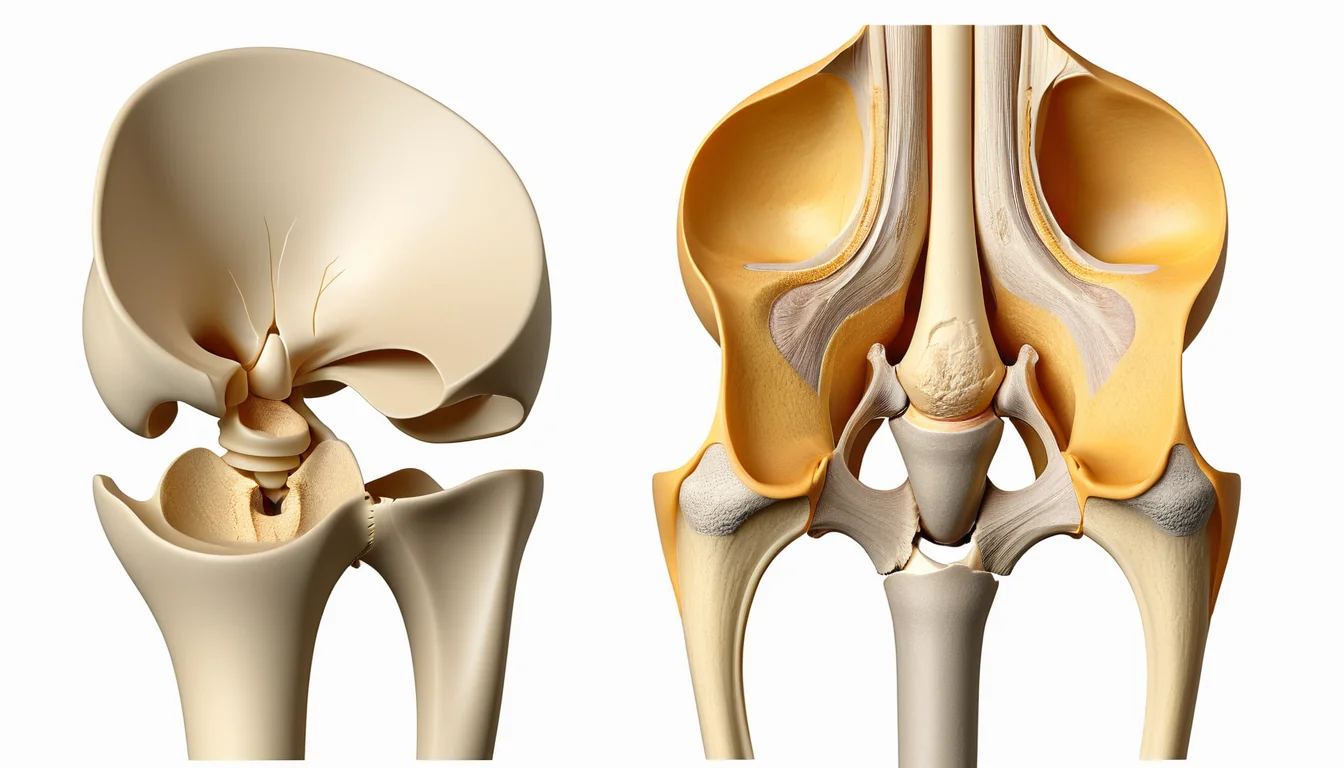
A hip fracture is a break in the upper part of the thigh bone (femur), near where it connects to the hip joint. Most hip fractures happen in people over the age of 65. However, they can occur at any age following a serious injury or trauma.
For older adults, even a minor fall can cause a hip fracture. This is because bones naturally become less dense and more brittle with age. The good news is that understanding your risks can help you take steps to prevent one.
Signs and Symptoms of a Hip Fracture
Recognizing a hip fracture quickly is very important. Getting treatment early can reduce complications and improve recovery outcomes. If you suspect a hip fracture, call 911 or go to your nearest emergency room immediately.
Common signs and symptoms include:
- Inability to move after a fall
- Severe pain in the hip or groin area
- Unable to bear weight on the affected leg
- Stiffness, bruising, and swelling around the hip
- The injured leg appears shorter than the other
- The foot and leg on the injured side turn outward
These symptoms appear suddenly, usually right after a fall or injury. However, in rare cases involving stress fractures, the pain may develop more gradually over time.
Common Causes of Hip Fractures
Falls are the leading cause of hip fractures in older Canadian adults. As people age, their bones lose strength and become more prone to breaking — even from low-impact accidents like tripping on a rug or slipping on ice.
In younger adults and children, a hip fracture typically requires a high-impact injury, such as a car accident or a serious sports collision. Therefore, the causes differ significantly depending on a person’s age and overall bone health.
Lifestyle Factors That Contribute to Hip Fractures
Certain lifestyle habits can weaken your bones over time and raise your risk of a hip fracture. These include:
- A diet low in calcium and vitamin D
- Physical inactivity or a sedentary lifestyle
- Smoking cigarettes
- Drinking alcohol excessively
- Long-term use of certain medications that affect bone density
The good news is that most of these factors are within your control. Small changes in daily habits can make a big difference in protecting your bone health over the long term.
Risk Factors for Hip Fractures
Several factors can increase a person’s chance of experiencing a hip fracture. Knowing your risk factors helps you and your family doctor make a plan to reduce them before a fracture occurs.
Age
The risk of a hip fracture rises sharply with age. As people get older, bone density decreases, vision and balance worsen, and reaction times slow down. This combination makes older adults much more vulnerable to falls and fractures.
Sex
Women account for approximately 80% of all hip fractures. This is largely because women lose bone density faster than men, especially after menopause. The drop in estrogen levels during menopause speeds up bone loss significantly. According to Health Canada, osteoporosis affects approximately two million Canadians, the majority of whom are women.
Osteoporosis and Chronic Health Conditions
Osteoporosis is the single biggest risk factor for hip fractures. It causes bones to become porous and weak, making them far more likely to break. In addition, other chronic conditions can raise your risk, including:
- Hyperthyroidism and other endocrine disorders
- Intestinal conditions that reduce the absorption of calcium and vitamin D
- Arthritis, which can affect balance and coordination
- Conditions that cause dizziness or balance problems
If you manage a chronic health condition, talk to your family doctor about how it might affect your bone health. They can refer you to a specialist or recommend appropriate screening.
Certain Medications
Some medications used for long-term conditions — such as high blood pressure or asthma — can gradually weaken bones when taken over many years. Corticosteroids, in particular, are well known for reducing bone density. Ask your pharmacist or doctor if any of your current medications affect your bone health.
Nutrition
Not getting enough calcium and vitamin D during your younger years reduces your peak bone mass. As a result, you may enter your later years with weaker bones and a higher fracture risk. A diet rich in dairy, leafy greens, and fortified foods helps build stronger bones early in life.
Physical Inactivity
Weight-bearing exercises — such as walking, hiking, or light strength training — help keep bones and muscles strong. People who live a sedentary lifestyle tend to have lower bone density and poorer balance. Both of these factors increase the risk of a hip fracture.
Complications of a Hip Fracture
A hip fracture is a serious injury, and the complications can sometimes be life-threatening — especially in older adults. Even with treatment, recovery is often long and challenging.
If surgery is not immediately possible, a doctor may use an external traction system to stabilize the hip. However, this approach carries its own risks, including prolonged immobility. Extended bed rest increases the chance of developing dangerous complications such as:
- Deep vein thrombosis (blood clots in the leg veins)
- Superficial thrombophlebitis (clotting near the skin surface)
- Pressure sores (bedsores)
- Urinary tract infections
- Pneumonia
- Significant muscle weakness and loss of mobility
Furthermore, long-term immobility after a hip fracture can lead to a permanent loss of independence. This is why early movement and rehabilitation are so critical to recovery. The Mayo Clinic provides detailed information on hip fracture complications and what patients can expect during recovery.
Treatment and Recovery After a Hip Fracture
Most hip fractures require surgery, followed by a structured rehabilitation programme. The type of surgery depends on where and how severe the fracture is. Your surgeon will recommend the best approach for your specific situation.
After surgery, your healthcare team will encourage you to start moving as soon as it is safely possible. Early activity helps prevent pneumonia, blood clots, and pressure sores. It also speeds up the overall recovery process.
Rehabilitation and Returning to Daily Life
Following surgery, many patients move to a rehabilitation centre for a period of recovery. There, a team of physiotherapists and occupational therapists help patients regain strength, balance, and independence. In Canada, your provincial health plan may cover some or all of this rehabilitative care — check with your provincial health authority for details.
Recovery from a hip fracture can take a year or longer. The more active and engaged a patient is in their recovery programme, the better their outcomes tend to be. Support from family members and a dedicated care team plays a huge role in regaining mobility.
How to Prevent a Hip Fracture
Prevention is always better than treatment. Many hip fractures are preventable with the right lifestyle choices and home safety measures. Taking action now can significantly lower your risk — no matter your age.
Build and Protect Bone Health
One of the most effective ways to prevent a hip fracture is to prevent osteoporosis. To support strong, healthy bones:
- Eat foods rich in calcium: milk, cheese, yogurt, dark leafy greens, seafood, and almonds
- Get enough vitamin D through sunlight, fortified foods, or supplements
- Avoid smoking and limit alcohol consumption
- Do regular weight-bearing exercise, such as walking or strength training
- Ask your doctor about bone density screening, especially if you are a woman over 65
Some Canadians may need prescription medication to slow the progression of osteoporosis. Your family doctor can assess your bone density and recommend whether medication is right for you.
Prevent Falls at Home
Since falls cause the majority of hip fractures in older adults, fall prevention is essential. Simple changes around your home can dramatically reduce your risk:
- Remove loose rugs, clutter, and electrical cords from walkways
- Install grab bars in bathrooms near the toilet and shower
- Make sure your home is well lit, especially stairways and hallways
- Wear supportive, non-slip footwear indoors and outdoors
- Have your vision and balance checked regularly by your healthcare provider
According to the World Health Organization, falls are the second leading cause of accidental injury deaths worldwide — and they are largely preventable with the right precautions.
When to See a Doctor
If you or someone you know has fallen and is experiencing severe hip or groin pain, cannot bear weight, or cannot move their leg normally, seek emergency care right away. Call 911 or go to your nearest emergency room. Do not wait for a walk-in clinic in this situation — a hip fracture requires immediate medical attention.
However, if you are concerned about your bone health, risk of osteoporosis, or fall prevention strategies, your family doctor or a walk-in clinic is a great place to start. Ask about a bone density test (DEXA scan), which is covered under many provincial health plans for eligible patients. Early detection of bone loss can help prevent a hip fracture before it ever happens.
How long does it take to recover from a hip fracture?
Recovery from a hip fracture typically takes between six months and one year, depending on the person’s age, overall health, and how active they are in their rehabilitation programme. Most patients require surgery followed by physiotherapy at a rehabilitation centre. The more engaged a patient is in their recovery, the better their chances of regaining full mobility.
What is the most common cause of a hip fracture in older adults?
Falls are the most common cause of a hip fracture in older adults. As people age, bones become weaker due to reduced density, and balance tends to decline — making even a minor trip or slip dangerous. Osteoporosis significantly increases the risk that a fall will result in a fracture.
Can a hip fracture be prevented?
Yes, many hip fractures are preventable. Eating a diet rich in calcium and vitamin D, exercising regularly, avoiding smoking and excessive alcohol, and making your home fall-safe are all effective strategies. Speak with your family doctor about bone density screening and whether medications or supplements are appropriate for your situation.
Is a hip fracture covered under provincial health plans in Canada?
Surgery and hospital care for a hip fracture are generally covered under provincial health plans across Canada. Rehabilitation services may also be covered, though the extent of coverage varies by province. Contact your provincial health authority or speak with your hospital’s social worker for details specific to your situation.
What are the signs of a hip fracture after a fall?
After a fall, signs of a hip fracture include severe pain in the hip or groin, inability to stand or bear weight on the affected leg, swelling or bruising, and the leg appearing shorter or rotated outward. If you notice these signs in yourself or someone else, call 911 immediately — a hip fracture is a medical emergency.
What is the difference between a hip fracture and a broken hip?
According to Mayo Clinic’s overview of hip fracture symptoms and causes, this information is supported by current medical research.
For more information, read our guide on back pain causes, treatment, and prevention tips for Canadians.
A hip fracture and a broken hip refer to the same injury — a break in the upper part of the thigh bone (femur) near the hip joint. Doctors typically use the term “hip fracture” in medical settings. Both terms describe a serious injury that almost always requires surgery and a lengthy recovery period.
Key Takeaways
- A hip fracture is a serious injury that most often affects Canadians over age 65.
- Falls are the leading cause, and osteoporosis is the biggest underlying risk factor.
- Women are at higher risk due to faster bone loss after menopause.
- Symptoms include severe hip or groin pain, inability to bear weight, and outward rotation of the leg.
- Most hip fractures require surgery followed by a structured rehabilitation programme.
- Prevention includes a calcium-rich diet, regular exercise, fall-proofing your home, and regular check-ins with your family doctor.
- If you suspect a hip fracture, call 911 or go to the emergency room immediately.
- Always speak with your doctor or a qualified healthcare provider before making changes to your health routine or if you have concerns about your bone health.
Frequently Asked Questions
What is a hip fracture?
A hip fracture is a break in the upper portion of the femur (thigh bone), near the hip joint. It most commonly occurs in older adults following a fall. In Canada, hip fractures are a leading cause of injury-related hospitalization in seniors and often require surgery followed by rehabilitation.
What are the symptoms of a hip fracture?
Common symptoms include sudden, severe pain in the hip or groin, inability to bear weight on the affected leg, swelling or bruising around the hip, and the leg appearing shorter or turned outward. Some people with stress fractures may experience only a dull, persistent ache without a specific injury event.
How is a hip fracture treated in Canada?
Most hip fractures require surgery, either repair with screws and plates or a partial or total hip replacement, depending on fracture severity and patient health. Canadian guidelines recommend surgery within 48 hours when possible. Post-surgery, physiotherapy and rehabilitation are essential for restoring mobility and preventing complications.
How can you prevent a hip fracture as you age?
Prevention strategies include regular weight-bearing exercise to build bone density, adequate calcium and vitamin D intake, fall-proofing your home, getting a bone density (DEXA) scan if over 65, and discussing osteoporosis medications with your doctor. Quitting smoking and limiting alcohol also significantly reduce fracture risk.
When should you see a doctor for a hip fracture?
Seek emergency care immediately if you experience severe hip or groin pain after a fall, cannot stand or walk, or notice leg deformity. Even without a fall, persistent hip pain in older adults or those with osteoporosis warrants prompt medical evaluation, as stress fractures can worsen rapidly without treatment.

About the Author
Dr. Linda Chen, RD, PhDDr. Linda Chen is a registered dietitian and PhD in Nutritional Sciences from the University of British Columbia. With expertise in clinical nutrition, sports dietetics, and gut health, she has worked with leading Canadian hospitals and sports organizations. Dr. Chen is a member of Dietitians of Canada and regularly contributes to national nutrition policy discussions.
View all articles →