Knee Pain Causes: Prevention & When to See a Doctor

Share
Knee pain causes range from gradual wear and tear to sudden sports injuries, making it one of the most common reasons Canadians visit their family doctor or a walk-in clinic. Your knee is a complex joint that connects your thigh bone to your lower leg, bearing tremendous stress with every step you take. Understanding what’s behind your discomfort is the first step toward lasting relief.
What Are the Most Common Knee Pain Causes in Adults?
Whether you’re dealing with early knee arthritis symptoms, recovering from an active lifestyle injury, or simply noticing stiffness after years of daily use, this guide is designed specifically for Canadian readers. We break down knee anatomy, the most common knee conditions, proven prevention strategies, and exactly when it’s time to seek professional medical care — all in plain, easy-to-follow language.
What Causes Knee Pain?
| Type of Knee Pain | Key Characteristics | Who Is Most Affected | Management Approach |
|---|---|---|---|
| Osteoarthritis | Gradual onset, stiffness after rest, aching pain, reduced range of motion, joint swelling | Adults over 50; more common in women; affects approximately 1 in 8 Canadians | Physiotherapy, weight management, NSAIDs, corticosteroid injections, eventual joint replacement |
| ACL or Meniscus Tear | Sudden sharp pain, audible pop at time of injury, rapid swelling, joint instability | Active adults and athletes; common in hockey, skiing, and soccer players in Canada | RICE method initially, physiotherapy, arthroscopic surgery for severe tears, structured rehabilitation |
| Patellofemoral Pain Syndrome (Runner’s Knee) | Dull aching pain around or behind the kneecap, worsens with stairs, squatting, or prolonged sitting | Runners, cyclists, young adults; higher prevalence among female athletes | Activity modification, strengthening exercises, orthotics, taping techniques, physiotherapy |
| Patellar Tendinitis (Jumper’s Knee) | Pain and tenderness directly below the kneecap, stiffness after activity, worsens with jumping or kneeling | Volleyball and basketball players; active individuals aged 15–35 | Eccentric strengthening exercises, load management, physiotherapy, platelet-rich plasma (PRP) therapy |
| Bursitis | Localized swelling, warmth, tenderness over the kneecap or inner knee, pain with pressure or movement | Tradespeople, gardeners, individuals with occupations requiring frequent kneeling | Rest, ice, compression, NSAIDs, aspiration of bursa if needed, addressing underlying cause |
| Iliotibial (IT) Band Syndrome | Sharp or burning pain on the outer side of the knee, worsens with repetitive activity, common in long-distance runners | Long-distance runners, cyclists, hikers; prevalent among endurance athletes in Canada | Stretching and foam rolling, hip strengthening, gait analysis, temporary reduction in training volume |
Knee pain can develop in two main ways. The first is gradual wear and tear on the joint over time, as seen in conditions like osteoarthritis. The second is a sudden injury, such as a hard blow to the knee or a sharp, twisting movement that pushes the joint past its normal range of motion.
Some causes of knee pain are difficult to predict or prevent, especially those linked to accidents or sports injuries. However, many knee problems can be reduced or avoided with the right habits and a little planning. For more on joint health, visit Health Canada’s official health resources.
Understanding Knee Anatomy
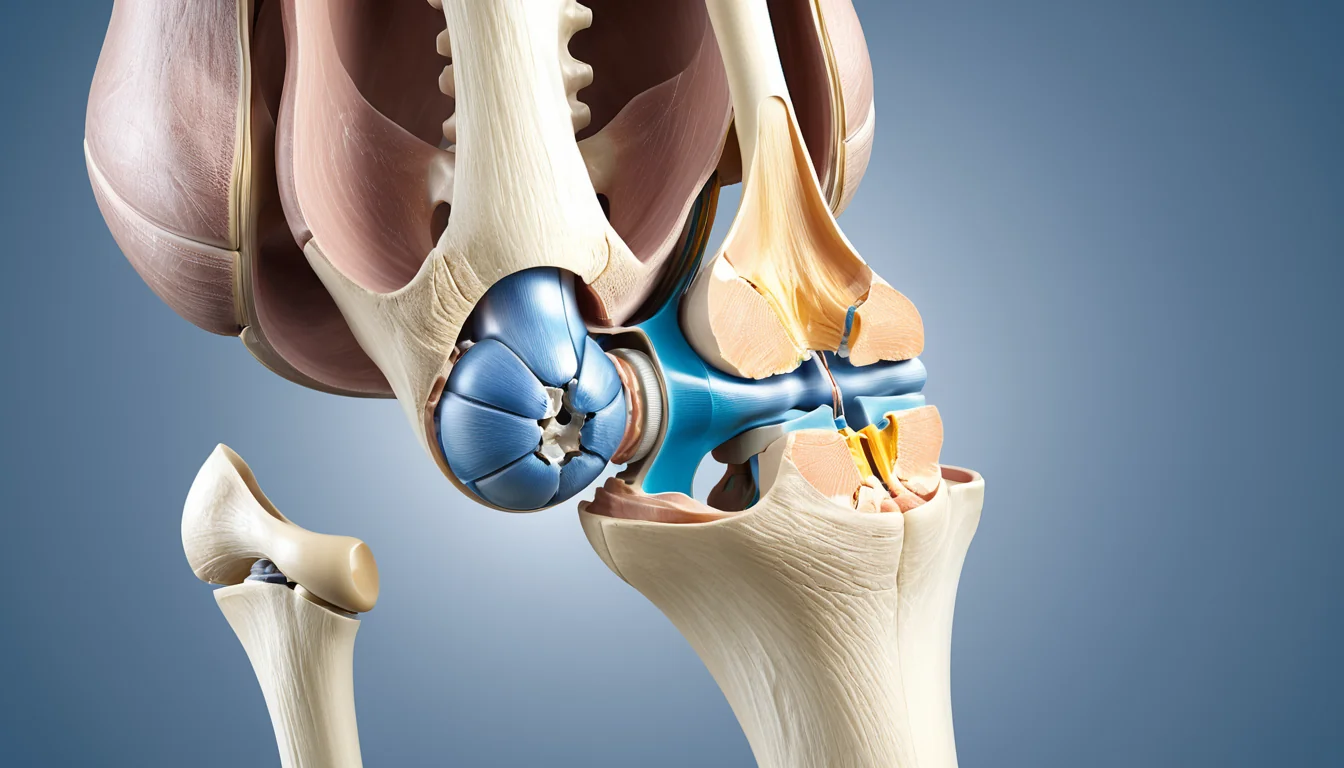
To understand knee pain, it helps to know how the knee is built. Your knee acts like a hinge, allowing your leg to bend and straighten. This makes everyday movements possible — from standing and walking to climbing stairs and sitting down.
The Bones of the Knee
Three bones make up the knee joint. These are the femur (thigh bone), the tibia (the larger bone in your lower leg), and the patella (kneecap). The patella sits at the front of the joint. It measures roughly 5–7 cm wide and 7–10 cm long, slides as your leg moves, and protects the joint while acting as a lever for your muscles.
Cartilage and Menisci
The ends of each bone in the knee are covered with articular cartilage. This is a tough, flexible tissue that absorbs shock and allows smooth movement. Between the femur and tibia sit two crescent-shaped pads of connective tissue called menisci. These act as cushions, absorbing impact and adding stability to the joint.
Muscles Around the Knee
Two main muscle groups support the knee. The quadriceps, a group of four muscles at the front of the thigh, straighten the leg. The hamstrings, located at the back of the thigh, bend the knee. Keeping both groups strong is essential for reducing knee pain.
Ligaments and Tendons
Ligaments are strong, elastic bands that connect bones to each other. Four key ligaments connect the femur to the tibia and give the knee its stability.
- Medial collateral ligament (MCL): stabilises the inner side of the knee.
- Lateral collateral ligament (LCL): stabilises the outer side of the knee.
- Anterior cruciate ligament (ACL): sits in the centre of the knee and limits rotation and forward movement of the tibia.
- Posterior cruciate ligament (PCL): also in the centre, it limits backward movement of the tibia.
Tendons are strong cords that connect muscle to bone. The quadriceps tendon links the quadriceps muscle to the kneecap, while the patellar tendon connects the kneecap to the tibia. Both are critical for leg movement and knee stability.
A protective fibrous capsule surrounds the entire joint. Inside this capsule, a thin, soft lining called the synovium helps keep the joint lubricated and healthy.
Common Knee Conditions
Several conditions can cause knee pain in Canadians of all ages. Osteoarthritis is among the most common, especially in adults over 50. It occurs when the cartilage inside the knee gradually breaks down, leaving bones to rub against each other. This causes pain, stiffness, and swelling.
Ligament injuries, such as a torn ACL, are common in active individuals and athletes. Meniscus tears can result from a sudden twist or from long-term wear. Tendon inflammation, sometimes called tendinitis, often affects runners and cyclists. In addition, flat feet or feet that roll inward (pronation) can shift pressure unevenly onto the knee and lead to ongoing knee pain. Learn more about common joint conditions at the Mayo Clinic’s knee pain overview.
How to Prevent Knee Pain
While you cannot prevent every knee injury, many causes of knee pain are manageable with healthy habits. The following tips can help protect your knees over the long term.
Warm Up Before Exercise
Always warm up before physical activity. Start with light cycling or brisk walking, then move into gentle stretching of the quadriceps and hamstrings. Warming up these muscle groups reduces tension in the tendons and lowers the pressure placed on the knee during exercise.
Strengthen Your Leg Muscles
Strong legs mean better knee support. Exercises like stair climbing, cycling, and supervised weight training all help build the muscles that protect the knee joint. Even moderate, regular activity makes a difference. However, always increase the intensity of your workouts gradually rather than all at once.
Wear the Right Footwear
Supportive shoes that keep your foot balanced and properly aligned can reduce strain on the knee. If you have flat feet or feet that pronate inward, ask your family doctor or a podiatrist about orthotic insoles. These custom or over-the-counter inserts can significantly reduce knee pain caused by poor foot mechanics.
Maintain a Healthy Weight
Carrying extra body weight puts added stress on your knees with every step. Research shows that obesity increases the risk of developing degenerative conditions like osteoarthritis. Maintaining a healthy weight is one of the most effective steps you can take to protect your knees for the long term. For guidance on healthy weight management in Canada, see Healthline’s guide to osteoarthritis and weight.
How Doctors Diagnose Knee Problems
If you visit a family doctor or walk-in clinic with knee pain, they will typically use several tools to find the cause. Understanding what to expect can make the visit less stressful.
Medical History and Physical Exam
Your doctor will start by asking about your symptoms, any recent injuries, and other health conditions that might explain the pain. They will then physically examine the knee, gently bending, straightening, rotating, and pressing on the joint. This helps them find where the pain is coming from and how much movement has been lost.
Diagnostic Imaging
One or more imaging tests may be ordered to get a clearer picture of what is happening inside the knee.
- X-ray: A beam of radiation passes through the knee to produce a two-dimensional image of the bone structures. This is useful for detecting bone damage, fractures, or signs of arthritis.
- CT scan (computed tomography): Multiple rapid X-ray images are taken from different angles and processed by a computer. This creates detailed cross-sectional images of the knee and surrounding tissues.
- MRI (magnetic resonance imaging): This uses magnetic fields rather than radiation to produce detailed images of soft tissues, including cartilage, ligaments, tendons, and menisci.
- Ultrasound: Sound waves create real-time images of soft tissue structures and are often used to guide injections or assess tendons and bursae.
Who Treats Knee Pain?
Serious knee injuries or diseases are usually managed by an orthopaedic surgeon, who specialises in surgical and non-surgical treatment of bones, joints, and soft tissues. If surgery is not needed, your doctor may refer you to a rheumatologist — a specialist in arthritis and related conditions. In many provinces, your family doctor or a walk-in clinic physician can manage mild to moderate knee pain and coordinate referrals through your provincial health plan.
When to See a Doctor for Knee Pain
Not all knee pain requires an emergency room visit, but some symptoms do need prompt attention. Visit a walk-in clinic or call your family doctor if you experience any of the following.
- Significant swelling that does not improve within 48 hours.
- Knee pain that prevents you from bearing weight on your leg.
- A popping sound at the time of injury followed by pain and instability.
- Redness, warmth, or fever alongside knee pain, which may suggest infection.
- Knee pain that persists for more than two weeks without improvement.
- Locking or giving way of the knee during normal activity.
If you are unsure whether your knee pain is serious, your family doctor is always a good first call. In most provinces, you can also walk into a clinic without an appointment for assessment. Early diagnosis often leads to better outcomes and fewer complications down the road.
What are the most common causes of knee pain in adults?
Knee pain in adults is most commonly caused by osteoarthritis, ligament injuries, meniscus tears, and tendinitis. Lifestyle factors such as excess body weight, flat feet, and high-impact activity without proper warm-up can also contribute to ongoing knee pain. A family doctor or walk-in clinic can help identify the specific cause through a physical exam and imaging tests.
Can knee pain go away on its own?
Mild knee pain from overuse or minor strain often improves with rest, ice, and gentle movement within a few days. However, knee pain that lasts more than two weeks, causes swelling, or limits your ability to walk should be assessed by a healthcare provider. Ignoring persistent knee pain can lead to further joint damage over time.
How can I prevent knee pain from getting worse?
You can reduce knee pain and prevent it from worsening by maintaining a healthy weight, strengthening your leg muscles, wearing supportive footwear, and warming up properly before exercise. Avoid sudden increases in activity intensity, as gradual progression protects the joint. If you have flat feet or poor foot alignment, ask your doctor about orthotics.
Is knee pain a sign of arthritis?
Knee pain can be a sign of arthritis, particularly osteoarthritis, which is the most common form and tends to develop gradually with age and wear. However, knee pain has many other possible causes, including injury, inflammation, and mechanical problems. A rheumatologist or orthopaedic specialist can diagnose whether arthritis is responsible for your knee pain.
Should I exercise if I have knee pain?
In many cases, gentle, low-impact exercise such as swimming, cycling, or walking can actually help reduce knee pain by strengthening the surrounding muscles. However, you should avoid high-impact activities that worsen the pain and always consult your doctor before starting a new exercise programme. A physiotherapist can design a safe exercise plan tailored to your condition.
When should I go to a walk-in clinic for knee pain?
According to Health Canada’s official health resources, this information is supported by current medical research.
For more information, read our guide on learn the differences between MRI and CT scans for knee injury diagnosis.
Visit a walk-in clinic or contact your family doctor if your knee pain is severe, if your knee is significantly swollen, or if you heard a popping sound when the pain started. You should also seek care if you cannot put weight on the leg or if the pain has not improved after two weeks of rest. Most provincial health plans cover assessments for knee pain through your primary care provider.
Key Takeaways
- Knee pain is extremely common in Canada and can result from both gradual wear and sudden injury.
- The knee is made up of bones, cartilage, menisci, ligaments, and tendons — all of which can be affected by injury or disease.
- Osteoarthritis is one of the leading causes of long-term knee pain, particularly in older adults.
- Warming up before exercise, strengthening your legs, wearing proper footwear, and maintaining a healthy weight are all effective ways to prevent knee problems.
- Diagnosis typically involves a physical exam, medical history, and imaging such as X-ray, CT, or MRI.
- Serious knee conditions are treated by orthopaedic surgeons or rheumatologists, but your family doctor or a walk-in clinic is always a great starting point.
- Always speak with a healthcare professional before starting a new treatment or exercise programme for knee pain.
Frequently Asked Questions
What are the most common knee pain causes?
The most common knee pain causes include osteoarthritis, ligament injuries (such as ACL tears), meniscus damage, patellar tendinitis, and bursitis. Excess body weight, overuse from repetitive activity, and previous knee injuries also significantly contribute to knee pain in Canadian adults of all ages.
What are the symptoms of a serious knee injury?
Serious knee injury symptoms include sudden severe pain, significant swelling within 24 hours, inability to bear weight, a popping or clicking sound at time of injury, joint instability, or the knee locking in position. These signs indicate possible ligament tears, fractures, or meniscus damage requiring prompt medical attention.
What are the best treatments for knee pain in Canada?
Effective knee pain treatments include rest, ice, compression, and elevation (RICE), physiotherapy, anti-inflammatory medications, and corticosteroid injections. For severe cases, Canadians may be referred for surgical options like arthroscopy or knee replacement. Treatment depends on the underlying cause and is typically guided by a family doctor or orthopaedic specialist.
How can I prevent knee pain causes from getting worse?
You can prevent knee pain causes from worsening by maintaining a healthy weight, strengthening quadricep and hamstring muscles, wearing supportive footwear, and warming up before exercise. Avoiding high-impact activities during flare-ups, using proper technique during sports, and staying active with low-impact exercises like swimming also help protect knee joints.
When should I see a doctor for knee pain in Canada?
See a doctor if knee pain persists longer than a few days, is accompanied by significant swelling, redness, or warmth, follows a traumatic injury, or limits your daily activities. Canadians should seek emergency care if the knee appears deformed, or if you cannot bend or straighten it at all.

About the Author
Dr. James Okafor, MD, PhDDr. James Okafor holds an MD and PhD in Neurological Sciences from McGill University. With 12 years of experience in clinical neurology and mental health research, he has contributed to landmark studies on depression, anxiety, and cognitive health. Dr. Okafor is a Fellow of the Royal College of Physicians and Surgeons of Canada and serves on the editorial board of two peer-reviewed journals.
View all articles →