Baker’s Cyst: Causes, Symptoms & Treatment in Canada

Share
A Baker’s cyst is a fluid-filled swelling that develops behind the knee, causing discomfort, stiffness, and a visible lump that many Canadians experience at some point in their lives. While it often resolves on its own, understanding what triggers this common knee condition can help you take the right steps toward relief.
What Causes a Baker’s Cyst and Who Is at Risk?
Also known as a popliteal cyst, this condition frequently results from underlying knee problems such as arthritis or cartilage injuries. Knowing the causes, recognizing Baker’s cyst symptoms early, and exploring your treatment options can help you manage the condition effectively and decide when it’s time to visit your family doctor or a walk-in clinic in Canada.
What Is a Baker’s Cyst?
| Treatment Option | How It Works | Benefits | Considerations |
|---|---|---|---|
| Rest & Ice Therapy | Reduces activity and applies cold compresses to decrease swelling and inflammation around the cyst | Non-invasive, no cost, can be done at home immediately | Provides temporary relief only; does not address the underlying cause |
| Physiotherapy | Targeted exercises strengthen muscles around the knee, improve range of motion, and reduce joint pressure | Addresses root cause, improves long-term joint stability, widely available across Canada | Requires multiple sessions; results may take several weeks; may be partially covered by provincial health plans or private insurance |
| Corticosteroid Injection | Anti-inflammatory medication injected directly into the knee joint to reduce swelling and cyst size | Fast-acting relief, minimally invasive, performed in most Canadian clinics | Effects may be temporary; repeated injections not recommended; cyst may recur if underlying condition persists |
| Aspiration (Needle Drainage) | Fluid is withdrawn from the Baker’s cyst using a needle under ultrasound guidance | Provides immediate reduction in cyst size and pressure relief | High recurrence rate without treating the underlying joint condition; minor risk of infection |
| Treating Underlying Cause | Managing conditions such as osteoarthritis, rheumatoid arthritis, or meniscus tears that produce excess joint fluid | Most effective long-term solution; reduces risk of cyst recurrence | Treatment approach varies by condition; may involve medication, surgery, or ongoing specialist care |
| Surgical Removal | The cyst is surgically excised, often alongside repair of damaged knee structures | Definitive removal of the cyst; addresses structural joint problems simultaneously | Reserved for severe or recurrent cases; involves recovery time; covered under provincial health insurance when medically necessary |
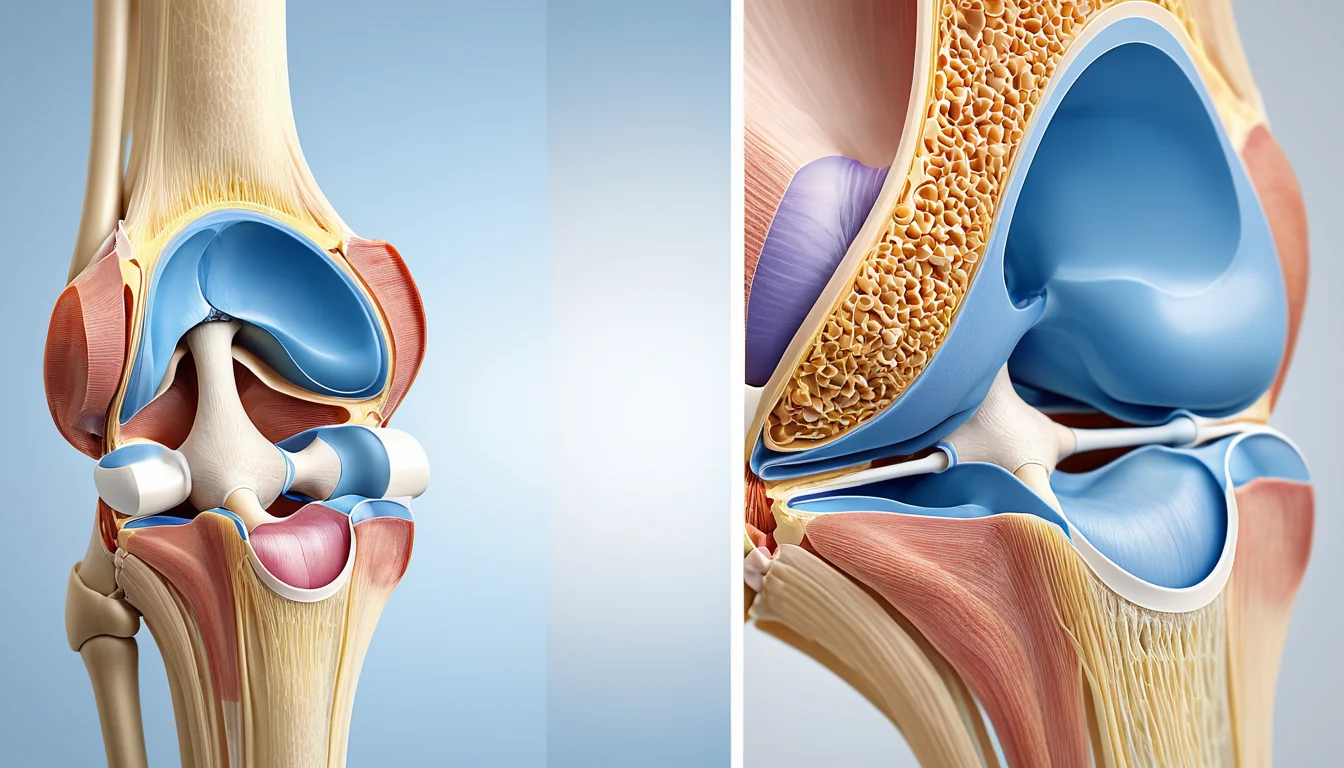
Your knee joint contains a lubricating fluid called synovial fluid. This fluid helps your knee bend smoothly and reduces friction between cartilage and tendons. Think of it like oil in a door hinge — it keeps everything moving without grinding.
The synovial fluid moves through small sacs called bursae. One of these sacs sits at the back of your knee, called the popliteal bursa. A valve-like system controls how much fluid flows in and out of this sac.
Sometimes, the knee produces too much synovial fluid. When this happens, the popliteal bursa fills up and expands. The result is a soft, balloon-like lump behind your knee — a Baker’s cyst. It is also called a popliteal cyst.
Common Causes of a Baker’s Cyst
A Baker’s cyst usually develops because of another knee problem. The underlying condition causes excess fluid, which leads to the cyst. Treating that root cause is often the most effective approach.
Arthritis
Arthritis is one of the most frequent causes. Both osteoarthritis and rheumatoid arthritis cause joint inflammation. That inflammation triggers extra synovial fluid production, which can fill the bursa. Health Canada recognizes arthritis as one of the most common chronic conditions affecting Canadians.
Ligament or Meniscus Injuries
A torn ligament or damaged meniscus can also lead to a Baker’s cyst. These injuries disrupt normal fluid circulation in the knee. As a result, fluid builds up and can push into the popliteal bursa. Athletes and older adults are particularly at risk.
Other Causes
In some cases, general knee inflammation or cartilage damage leads to the cyst. Sometimes no clear cause is found, especially in younger children, where Baker’s cysts often resolve without any treatment at all.
Symptoms of a Baker’s Cyst
Not every Baker’s cyst causes noticeable symptoms. Some people discover the lump by chance during a routine check-up. However, when symptoms do appear, they are fairly recognizable.
Common symptoms include:
- A soft lump behind the knee — often more visible when standing
- Knee pain — ranging from mild discomfort to sharper pain with activity
- Stiffness — especially when bending or straightening the knee fully
- Tightness behind the knee — which may worsen after long periods of standing or walking
Symptoms often get worse after physical activity and improve with rest. In addition, the cyst may feel more noticeable after sitting for a long time.
When a Baker’s Cyst Ruptures
In rare cases, a Baker’s cyst can rupture. When it bursts, the synovial fluid leaks into the calf area. This causes sharp knee pain, swelling in the calf, and sometimes redness or warmth.
These symptoms closely resemble those of a deep vein thrombosis (DVT) — a dangerous blood clot in the leg. Therefore, if your calf suddenly swells or turns red, seek medical attention right away. This is a situation where going to a walk-in clinic or emergency department without delay is important. The Mayo Clinic explains the difference between a ruptured cyst and a blood clot and why quick assessment matters.
How Is a Baker’s Cyst Diagnosed?
Your doctor will begin with a physical examination. They will feel the lump, ask about your symptoms, and review your medical history. This first step helps rule out more serious conditions.
To confirm a Baker’s cyst diagnosis, your doctor may order one or more of the following tests:
- Ultrasound — a quick, painless scan that shows the cyst clearly without radiation
- MRI (Magnetic Resonance Imaging) — provides a detailed image of the knee and surrounding tissue
Your doctor may also use imaging to check for blood clots or a popliteal artery aneurysm, which can look similar to a Baker’s cyst on the surface. Furthermore, if there is concern about a tumour, an MRI can help rule that out as well.
In Canada, your family doctor can refer you for these imaging tests through your provincial health plan. Depending on your province, wait times and coverage may vary.
Treatment Options for a Baker’s Cyst
The good news is that many Baker’s cysts go away on their own without any medical treatment. However, if the cyst is large, painful, or affecting your mobility, several treatment options are available.
Treating the Underlying Cause
Doctors focus first on the condition causing excess fluid. Treating arthritis or repairing a torn ligament often reduces the cyst naturally. For example, if a ligament tear is causing synovial fluid overproduction, your doctor may recommend surgery to repair the ligament.
Physical Therapy
Gentle exercises can strengthen the muscles around the knee and improve flexibility. A physiotherapist can guide you through movements that reduce pressure on the joint. Applying ice and using a compression bandage can also ease swelling and discomfort between sessions.
Needle Aspiration
Your doctor may drain the fluid from the cyst using a needle — a procedure called needle aspiration. This is usually performed under ultrasound guidance for accuracy. However, the cyst can sometimes refill if the underlying cause is not also treated.
Corticosteroid Injection
A corticosteroid injection (such as cortisone) can reduce inflammation in the knee joint. This helps decrease fluid production and relieves pain. However, this approach does not always prevent the cyst from coming back.
Surgery
Surgery to remove a Baker’s cyst is rarely needed. Your doctor may consider it if the cyst does not respond to other treatments, causes significant pain, or limits your ability to bend your knee. In some cases, particularly in patients with osteoarthritis, the cyst may persist even after treating the root cause — and surgical removal becomes an option.
Home Care and Self-Management
There is a lot you can do at home to manage a Baker’s cyst, especially if symptoms are mild. The P.R.I.C.E. method is a helpful starting point. This stands for Protection, Rest, Ice, Compression, and Elevation.
- Protection: Use crutches if needed to reduce weight on the knee
- Rest: Avoid activities that worsen swelling or pain
- Ice: Apply an ice pack wrapped in a cloth for 15–20 minutes at a time
- Compression: Wrap the knee with a bandage to reduce swelling
- Elevation: Raise your leg when resting, especially at night
Over-the-counter pain relievers can also help. Ibuprofen and naproxen are non-steroidal anti-inflammatory drugs (NSAIDs) that reduce both pain and inflammation. Acetaminophen can help with pain relief as well. Always follow the dosage instructions on the label and talk to your pharmacist if you have questions.
Reducing high-impact activities like running or jumping can also lower irritation in the knee joint. Healthline offers additional guidance on managing knee conditions at home and when to escalate care.
When to See a Doctor About a Baker’s Cyst
Many people live with a Baker’s cyst without needing medical care. However, some situations call for professional assessment. If you are unsure, your family doctor is the best first point of contact. A walk-in clinic is also a convenient option if you do not have a family doctor or cannot get a timely appointment.
You should see a doctor if you experience:
- A lump behind your knee that is growing or not going away
- Significant pain that affects daily activities
- Difficulty bending or straightening your knee
- Calf swelling, redness, or warmth — especially if sudden
- Fever alongside knee swelling
Sudden calf swelling with redness requires urgent care. This could indicate a blood clot (DVT), which is a medical emergency. Do not wait for a regular appointment in this situation — go to a walk-in clinic or emergency department immediately.
As always, this article is for general information only. Please consult your family doctor or a qualified healthcare provider for advice specific to your situation. They can assess your symptoms, order the right tests, and recommend the best course of action for you.
Frequently Asked Questions About Baker’s Cysts
Can a Baker’s cyst go away on its own?
Yes, a Baker’s cyst often resolves without treatment, especially when the underlying cause is addressed. In children, Baker’s cysts almost always disappear on their own. Adults may need treatment if the cyst is large or causing significant pain.
Is a Baker’s cyst dangerous?
A Baker’s cyst is generally not dangerous. However, if it ruptures, the symptoms can mimic a blood clot in the leg, which is serious. Always get sudden calf swelling evaluated promptly by a healthcare provider.
What does a Baker’s cyst feel like?
A Baker’s cyst feels like a soft, fluid-filled lump behind the knee — similar to a small water balloon. It may cause tightness or stiffness when bending the knee. Some people feel pain, while others notice no discomfort at all.
Should I drain a Baker’s cyst?
Draining a Baker’s cyst is a medical procedure done by a doctor using a needle under ultrasound guidance. You should not attempt to drain it at home. Needle aspiration can help relieve symptoms, but the cyst may return if the underlying cause is not treated.
What exercises help a Baker’s cyst?
Gentle range-of-motion and stretching exercises can ease stiffness and support knee function. A physiotherapist can create a safe exercise plan tailored to your condition. Avoid high-impact activities that put extra strain on the knee joint.
Is surgery needed for a Baker’s cyst?
According to Mayo Clinic’s overview of Baker’s cyst causes and symptoms, this information is supported by current medical research.
For more information, read our guide on learn about the differences between MRI and CT scans used in knee cyst diagnosis.
Surgery for a Baker’s cyst is rarely necessary and is considered a last resort. Most people improve with conservative treatment such as physiotherapy, ice, compression, and addressing the root cause. Your doctor will recommend surgery only if other options have not worked.
Key Takeaways
- A Baker’s cyst is a fluid-filled lump that forms behind the knee due to excess synovial fluid.
- Common causes include arthritis, torn ligaments, and meniscus injuries.
- Symptoms include a visible lump, knee pain, and stiffness — but many people have no symptoms at all.
- Most Baker’s cysts resolve on their own or with treatment of the underlying condition.
- Home care using the P.R.I.C.E. method and over-the-counter pain relievers can ease mild symptoms.
- Medical treatments include physiotherapy, corticosteroid injections, needle aspiration, and rarely, surgery.
- Sudden calf swelling or redness requires urgent medical attention to rule out a blood clot.
- Talk to your family doctor or visit a walk-in clinic if you are concerned about a lump behind your knee.
Frequently Asked Questions
What is a Baker’s cyst?
A Baker’s cyst is a fluid-filled swelling that forms behind the knee, causing a noticeable bulge and tightness. It develops when excess synovial fluid accumulates in the popliteal bursa. It is often linked to underlying knee conditions such as arthritis or a cartilage tear, and is common in both adults and children.
What are the symptoms of a Baker’s cyst?
Common symptoms include a visible lump behind the knee, stiffness, and mild to moderate pain that worsens with activity or prolonged standing. Some people experience swelling that extends into the calf. In many cases, a Baker’s cyst causes no pain at all and is discovered incidentally during a physical examination.
How is a Baker’s cyst treated in Canada?
Treatment depends on severity. Many Baker’s cysts resolve on their own with rest, ice, and compression. Physiotherapy and anti-inflammatory medications are commonly recommended. If caused by arthritis, treating the underlying condition often helps. In persistent cases, a doctor may drain the cyst or recommend corticosteroid injections for relief.
Can you prevent a Baker’s cyst from coming back?
Prevention focuses on managing the underlying cause. Strengthening the muscles around the knee through regular low-impact exercise, maintaining a healthy weight, and treating knee injuries promptly can reduce recurrence risk. If arthritis is the root cause, working with your doctor to control inflammation is the most effective long-term prevention strategy.
When should you see a doctor about a Baker’s cyst?
See a doctor if you notice sudden severe pain, significant swelling, redness, or warmth behind the knee, as these may indicate a ruptured cyst or blood clot. You should also seek medical attention if the lump grows rapidly, limits your mobility, or does not improve with rest after several weeks.

About the Author
Dr. James Okafor, MD, PhDDr. James Okafor holds an MD and PhD in Neurological Sciences from McGill University. With 12 years of experience in clinical neurology and mental health research, he has contributed to landmark studies on depression, anxiety, and cognitive health. Dr. Okafor is a Fellow of the Royal College of Physicians and Surgeons of Canada and serves on the editorial board of two peer-reviewed journals.
View all articles →