Sever’s Disease: Heel Pain in Growing Children Canada

Share
Sever’s disease is one of the most common causes of heel pain in children and teenagers across Canada, affecting kids between the ages of 10 and 14 who are active in sports. Also known as calcaneal apophysitis, this condition occurs when the growth plate at the back of the heel becomes inflamed during rapid bone growth. While the name sounds alarming, it is not a true disease — it is a temporary and treatable condition.
What Causes Sever’s Disease in Active Canadian Children?
For Canadian parents noticing their child complaining about heel pain in children during soccer, hockey, basketball, or other high-impact activities, understanding the causes, symptoms, and treatment options is essential. In this guide, you will learn how to spot the signs of Sever’s disease early, what treatments are recommended by Canadian healthcare professionals, and how to help your child get back on their feet safely.
What Is Sever’s Disease?
| Treatment Option | Benefits | Considerations |
|---|---|---|
| Rest and Activity Modification | Reduces stress on the growth plate; allows natural healing; no cost involved | May require temporary withdrawal from sports; can be difficult for active children to maintain |
| Heel Cushions and Orthotics | Absorbs impact; reduces tension on the Achilles tendon; widely available at Canadian pharmacies | Requires properly fitted footwear; custom orthotics may involve additional cost not always covered by provincial health plans |
| Stretching and Physiotherapy | Improves calf and Achilles tendon flexibility; strengthens surrounding muscles; addresses root cause | Requires consistent daily commitment; referral to a registered physiotherapist may be needed |
| Ice Therapy | Reduces pain and inflammation after activity; safe, low-cost, and easy to apply at home | Should be applied for no more than 15–20 minutes; not a standalone long-term solution |
| Over-the-Counter Pain Relief (e.g., Ibuprofen, Acetaminophen) | Provides short-term pain and inflammation relief; readily available without prescription in Canada | Should be used under guidance of a healthcare provider; not recommended as primary or long-term treatment |
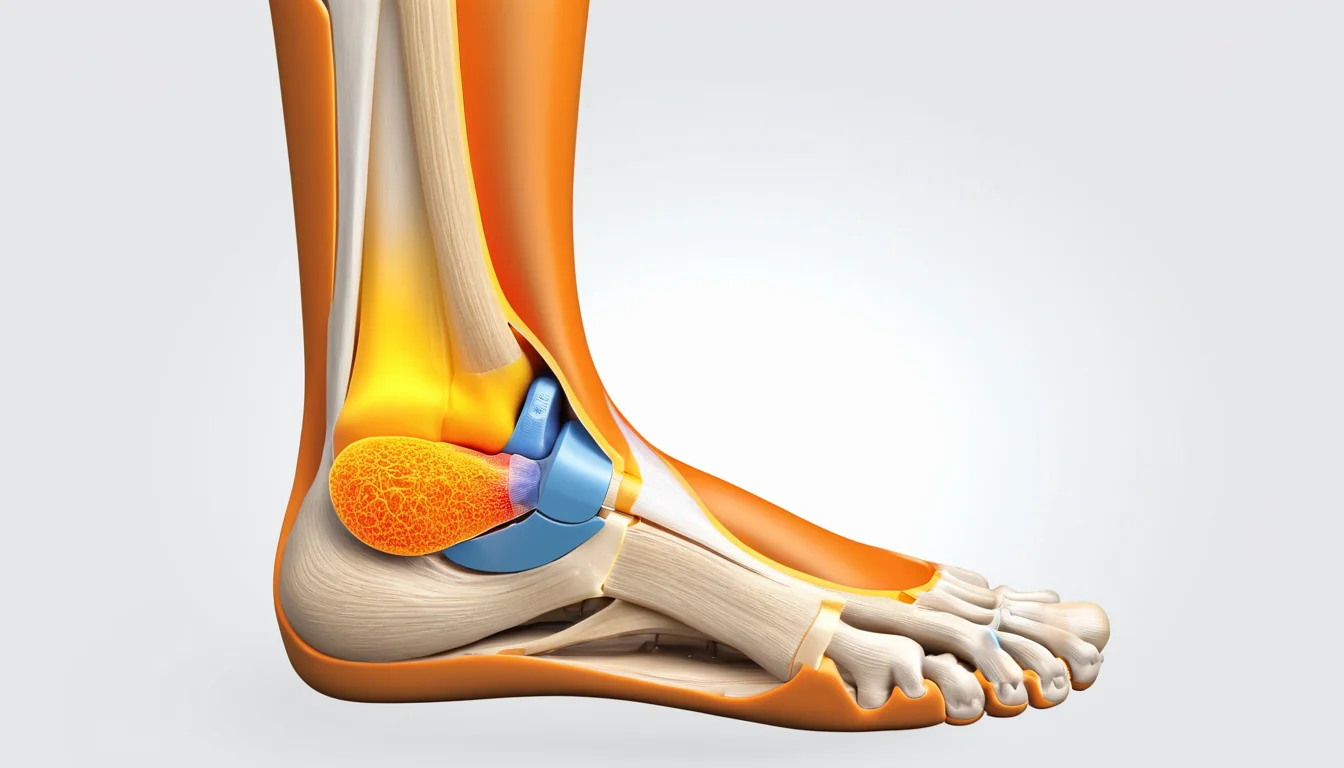
Sever’s disease — also called calcaneal apophysitis — is a painful condition that affects the heel bone in growing children. It is not actually a disease in the traditional sense. Instead, it is a temporary condition linked to rapid bone growth during puberty.
The heel bone (calcaneus) contains a growth plate — a soft area of developing cartilage at the back of the heel. During growth spurts, this area can become irritated and inflamed. The Achilles tendon, which runs from the calf muscle down to the heel, pulls on this growth plate during physical activity. That pulling causes the pain and discomfort linked to Sever’s disease.
The good news is that Sever’s disease is not permanent. Once a child’s growth plates fuse — usually around age 15 — the condition cannot return.
What Causes Sever’s Disease?
The main cause of Sever’s disease is rapid growth. During a growth spurt, bones can grow faster than muscles and tendons. This creates tension along the Achilles tendon where it attaches to the heel’s growth plate.
Repeated stress from physical activity makes this tension worse. Running, jumping, and other high-impact sports put a lot of pressure on the heel. Over time, this pressure inflames the growth plate and causes pain.
Risk Factors That Make It Worse
Several factors can increase a child’s risk of developing Sever’s disease or make existing symptoms worse. These include:
- Flat feet (fallen arches): This changes the way weight is distributed across the foot, adding extra stress to the heel.
- High arches: Like flat feet, high arches can alter foot mechanics and increase tension on the Achilles tendon.
- Leg length differences: If one leg is slightly longer than the other, the body compensates in ways that put uneven stress on the heels.
- Poorly fitting footwear: Shoes without proper cushioning or arch support do not absorb impact well.
- Obesity in children: Extra body weight places more pressure on the heel with every step, increasing inflammation.
- Intense physical activity: Children who play sports year-round or train heavily are at higher risk.
According to Mayo Clinic, Sever’s disease is especially common in children who participate in soccer, basketball, gymnastics, and track and field.
Recognising the Symptoms of Sever’s Disease
The most obvious symptom of Sever’s disease is pain at the back of the heel. The pain may affect one heel or both at the same time. It often gets worse during or after physical activity and improves with rest.
Common Symptoms to Watch For
Parents and caregivers should watch for the following signs in active children:
- Pain or tenderness at the back or bottom of the heel
- Swelling or redness around the heel
- Stiffness in the foot, especially in the morning
- A noticeable limp during or after exercise
- Difficulty walking normally or standing on tiptoe
A simple test that doctors often use is called the “squeeze test.” A healthcare provider gently squeezes both sides of the heel at the same time. If this causes pain, Sever’s disease is likely the cause. However, only a qualified health professional should perform this test and make a diagnosis.
Symptoms tend to flare up during active periods and calm down during rest. As a result, some children feel fine on weekends and then experience pain again on school days when they are more active.
How Is Sever’s Disease Diagnosed?
Sever’s disease is usually diagnosed based on a physical examination. Your child’s doctor will ask about their activity level, the location of the pain, and when it started. In most cases, no imaging tests are needed.
However, in some cases, a doctor may order an X-ray to rule out other conditions such as a stress fracture or bone infection. If your child’s heel pain is severe, persistent, or does not improve with rest, it is important to have it properly evaluated.
In Canada, you can start by visiting your child’s family doctor or a walk-in clinic. If needed, your doctor may refer your child to a paediatric orthopaedic specialist for further assessment.
Treatment Options for Sever’s Disease
The main goal of treating Sever’s disease is to reduce pain and inflammation while allowing the heel to heal. Most children recover fully with conservative (non-surgical) treatment.
Rest and Activity Modification
The first and most important step is rest. Your child should reduce or stop activities that cause heel pain. This does not mean they must stop all movement — gentle walking is usually fine. However, high-impact sports should be paused until the pain improves.
In more severe cases, a doctor may recommend using crutches temporarily to keep weight off the heel. Some children benefit from a short period of complete rest from sports activity.
Ice Therapy
Applying ice to the heel for 15 to 20 minutes at a time, two to three times a day, can help reduce swelling and ease pain. Always wrap the ice pack in a cloth — never apply ice directly to the skin. Ice therapy works best when used right after activity.
Footwear and Orthotics
Wearing proper, supportive footwear is very important for children with Sever’s disease. Shoes with good cushioning and heel support help absorb impact and reduce stress on the growth plate. Your child’s doctor or a podiatrist may recommend heel cups or custom orthotics (shoe inserts) to provide extra support.
Avoid letting your child walk barefoot on hard surfaces, as this removes all cushioning from the heel. For more information on foot health in children, visit Healthline’s guide to children’s foot health.
Stretching and Physiotherapy
Gentle stretching exercises for the calf muscles and Achilles tendon can help relieve tension on the heel. A physiotherapist can design a safe stretching programme tailored to your child’s needs. In Canada, physiotherapy services are available in most communities, and some provincial health plans provide partial coverage — check with your provincial health authority or insurer.
Common stretches include standing calf stretches against a wall and gentle towel stretches for the foot. These should be done consistently, even after the pain has gone, to prevent the condition from returning.
Pain Relief
Over-the-counter pain relievers such as ibuprofen or acetaminophen may help manage pain and reduce inflammation. Always follow the recommended dosage for your child’s age and weight. Speak with your pharmacist or doctor before giving any medication to a child.
Casting (For Severe Cases)
In rare cases where symptoms are severe and do not respond to other treatments, a doctor may place the foot in a cast or walking boot. This is usually worn for two to six weeks. The purpose is to completely immobilise the heel and allow inflammation to settle. This approach is uncommon but can be effective for children who are in significant pain.
When to See a Doctor
If your child complains of ongoing heel pain, it is always a good idea to have them seen by a healthcare professional. Do not assume the pain will go away on its own, especially if it is affecting your child’s ability to walk, play, or sleep.
You should seek medical attention if:
- The heel pain is severe or getting worse
- Your child is limping regularly
- The pain does not improve after a few days of rest
- There is visible swelling, bruising, or redness
- Your child is reluctant to put weight on the foot
Start by contacting your child’s family doctor. If your regular doctor is not available, a walk-in clinic is a convenient option available in most Canadian cities and towns. Your doctor can assess the foot and, if necessary, provide a referral to a paediatric orthopaedic specialist or podiatrist.
For general health guidance, Health Canada offers trusted resources on children’s health and musculoskeletal conditions. As always, consult your doctor or a qualified healthcare provider before starting any treatment plan for your child.
What to Expect: Recovery and Long-Term Outlook
The outlook for children with Sever’s disease is very positive. With proper rest and care, most children recover completely within a few weeks to a few months. The condition does not cause any permanent damage to the heel or growth plate.
Furthermore, once a child reaches approximately 15 years of age, the growth plate fuses with the heel bone. After this point, Sever’s disease cannot develop again. The risk of recurrence before that age is low as long as the child allows adequate time to heal and wears supportive footwear.
However, returning to sports too soon can cause a flare-up. Encourage your child to ease back into physical activity gradually, and always listen to their body. A physiotherapist can help guide a safe return-to-sport plan.
Frequently Asked Questions About Sever’s Disease
What is Sever’s disease and who does it affect?
Sever’s disease is a painful heel condition caused by inflammation of the growth plate in the heel bone. It most commonly affects children between the ages of 10 and 14 who are physically active. The condition is temporary and resolves once the growth plate fuses, typically around age 15.
How long does Sever’s disease last?
Most children with Sever’s disease recover within a few weeks to a few months with proper rest and treatment. Recovery time depends on the severity of the condition and how well the child reduces activity. Returning to sports too soon can delay healing and cause symptoms to return.
Can my child still exercise with Sever’s disease?
Light activity such as gentle walking is usually fine, but high-impact sports like running, jumping, and soccer should be reduced or paused. Your child’s doctor or physiotherapist can recommend safe activities during recovery. The goal is to allow the heel to heal without causing further irritation.
Is Sever’s disease serious or dangerous?
Sever’s disease is not dangerous and does not cause permanent damage. However, it should not be ignored, as untreated heel pain can worsen and affect your child’s mobility. With the right treatment and rest, children with Sever’s disease make a full recovery.
What shoes are best for a child with Sever’s disease?
Children with Sever’s disease benefit from shoes that have firm heel support, good cushioning, and a slight heel lift. Avoid flat, unsupportive footwear such as flip-flops or worn-out sneakers. A podiatrist can assess your child’s feet and recommend orthotics or specific footwear if needed.
Can Sever’s disease affect both heels at the same time?
According to Mayo Clinic’s overview of Sever’s disease, this information is supported by current medical research.
For more information, read our guide on best extracurricular activities for children with specific health needs.
Yes, Sever’s disease can affect one heel or both heels simultaneously. When both heels are affected, the child may have a wide, waddling gait or avoid putting pressure on either foot. Your doctor can assess both feet and recommend an appropriate treatment plan.
Key Takeaways
- Sever’s disease is a temporary, painful heel condition that affects children aged 10 to 14 during growth spurts.
- It is caused by inflammation of the heel’s growth plate, triggered by tension from the Achilles tendon during physical activity.
- Common symptoms include heel pain, swelling, limping, and stiffness — especially during or after exercise.
- Treatment focuses on rest, proper footwear, stretching, ice therapy, and in severe cases, casting.
- Most children recover fully, and the condition cannot return after the growth plate fuses around age 15.
- If your child has persistent heel pain, visit your family doctor or a walk-in clinic for a proper assessment.
- Always consult a qualified healthcare provider before starting any treatment programme for your child.
Frequently Asked Questions
What is Sever’s disease?
Sever’s disease is a common cause of heel pain in growing children, typically affecting those aged 8–14. It occurs when the Achilles tendon pulls on the growth plate at the back of the heel bone during periods of rapid growth. Despite its name, it is not a true disease but a temporary, treatable condition.
What are the symptoms of Sever’s disease in children?
Symptoms include sharp or aching pain at the back or bottom of one or both heels, tenderness when the heel is squeezed, limping during or after physical activity, and stiffness in the morning. Pain typically worsens with running, jumping, or prolonged standing and improves with rest.
How is Sever’s disease treated at home?
Home treatment includes rest from high-impact activities, applying ice for 15–20 minutes after activity, taking over-the-counter pain relievers like ibuprofen, wearing supportive footwear with cushioned heel inserts, and doing gentle calf-stretching exercises. Most children recover fully within a few weeks to months with consistent conservative care.
How can you prevent Sever’s disease in active kids?
Prevention involves regular calf and Achilles tendon stretching, wearing properly fitted athletic shoes with good heel cushioning, avoiding sudden increases in training intensity, and maintaining a healthy weight to reduce heel stress. Replacing worn-out footwear regularly and warming up before sports also significantly lowers the risk.
When should a child with heel pain see a doctor?
See a doctor if your child’s heel pain is severe, persistent for more than two weeks, causes significant limping, or does not improve with rest. A healthcare provider can confirm a Sever’s disease diagnosis and rule out fractures or other conditions. Early assessment helps prevent prolonged discomfort and activity disruption.

About the Author
Dr. Linda Chen, RD, PhDDr. Linda Chen is a registered dietitian and PhD in Nutritional Sciences from the University of British Columbia. With expertise in clinical nutrition, sports dietetics, and gut health, she has worked with leading Canadian hospitals and sports organizations. Dr. Chen is a member of Dietitians of Canada and regularly contributes to national nutrition policy discussions.
View all articles →