Gum Recession: Causes, Symptoms & Treatment in Canada

Share
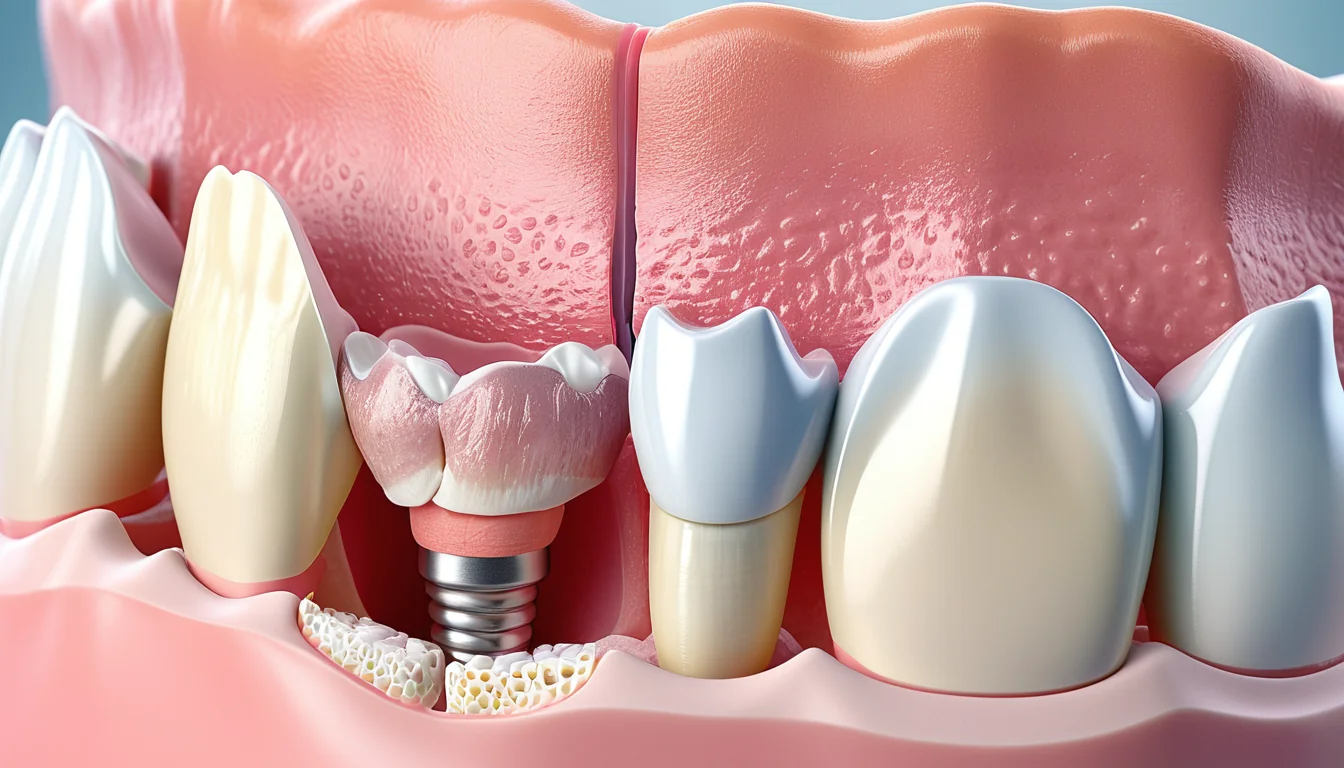
Gum recession is one of the most common dental concerns in Canada, especially among adults over 40, and it happens when the gum tissue around your teeth gradually pulls back to expose the root underneath. Left untreated, receding gums can lead to tooth sensitivity, root decay, and even permanent tooth loss — but the good news is that this condition is both treatable and, in many cases, entirely preventable.
What Causes Gum Recession in Canadians?
Understanding the gum recession causes behind your symptoms is the first step toward protecting your smile. Whether the issue stems from gum disease, aggressive brushing, or genetics, Canadian dentists offer a range of effective solutions — from professional cleanings to gum grafting surgery. In this guide, we break down everything you need to know about recognizing, treating, and preventing gum recession in Canada.
What Is Gum Recession?
| Treatment Option | Best Suited For | Key Benefits | Important Considerations |
|---|---|---|---|
| Scaling and Root Planing | Mild to moderate gum recession caused by periodontal disease | Non-surgical; removes bacteria and tartar below the gumline; halts disease progression | May require multiple appointments; some post-procedure sensitivity; covered partially by most Canadian dental insurance plans |
| Connective Tissue Graft (CTG) | Moderate to severe recession affecting one or more teeth | Gold standard surgical option; uses patient’s own tissue; high long-term success rate | Requires two surgical sites; recovery time of 1–2 weeks; typically costs $600–$1,200 per tooth in Canada |
| Pinhole Surgical Technique | Multiple areas of gum recession with adequate existing gum tissue | Minimally invasive; no incisions or sutures; faster recovery than traditional grafting | Not widely available across all Canadian provinces; fewer long-term studies compared to grafting |
| Free Gingival Graft | Areas with thin gum tissue requiring increased tissue thickness | Effectively increases gum tissue volume; durable and long-lasting results | Graft site may appear slightly different in colour; donor site discomfort during healing |
| Composite Restoration / Bonding | Mild recession with exposed root sensitivity and cosmetic concerns | Non-surgical; quick procedure; covers exposed root surface; reduces sensitivity | Does not restore actual gum tissue; may chip over time; considered a cosmetic fix rather than a corrective treatment |
Your gums act like a protective collar around each tooth. When that collar shrinks or pulls away, the softer root surface becomes exposed. This exposed area is more vulnerable to bacteria, decay, and temperature sensitivity.
Gum recession can affect a single tooth or spread across your entire mouth. When it affects many teeth at once, there is often an underlying cause — such as gum disease — that needs to be addressed first.
Common Causes of Gum Recession
Understanding what causes gum recession is the first step toward protecting your smile. There are several reasons this condition develops, and some may surprise you.
Periodontal (Gum) Disease
Gum disease is the most common cause of gum recession. It is a bacterial infection that slowly destroys the bone and tissue supporting your teeth. As the bone level drops, the gum follows — pulling away from the tooth. According to Health Canada, gum disease affects a large portion of Canadian adults and is largely preventable with good oral hygiene.
Plaque and Tartar Buildup
When plaque is not removed regularly, it hardens into tartar. Tartar irritates the gum tissue, causing it to become inflamed and pull back. This is your gum’s natural defence response — but it does more harm than good over time.
Aggressive Tooth Brushing
Brushing too hard, or using a hard-bristled toothbrush, can physically wear away the gum tissue. Many Canadians do not realize that firm scrubbing actually damages the gums rather than cleaning them better. A soft-bristled brush and gentle circular motion is always the better choice.
Improper Use of Dental Tools
Using toothpicks aggressively or flossing incorrectly can injure the gum line. Repeatedly pressing hard objects — like a pen cap or oral piercing — against the gums can also cause them to recede over time.
Uneven Bite Forces
When your teeth do not come together evenly, some teeth absorb more pressure than others. Over time, this uneven force can push the gum away from the affected teeth. A dentist can assess your bite and recommend corrections if needed.
Tooth Position and Thin Gum Tissue
Some people are born with naturally thin gum tissue or teeth that sit slightly outside the normal arch. In these cases, the thin layer of bone supporting the gum is more fragile. This makes gum recession more likely, even without other risk factors.
Ill-Fitting Dental Work
Crowns, fillings, or partial denture clasps that are not properly fitted can press against or invade the gum line. This causes the gum to retreat away from the irritation. Always have dental work checked and adjusted if it feels uncomfortable.
Signs and Symptoms of Gum Recession
Gum recession often develops slowly, which means many people do not notice it until it has progressed. However, there are clear warning signs to watch for.
Teeth That Look Longer Than Usual
One of the most noticeable signs of gum recession is the appearance of longer teeth. As the gum line drops, more of the tooth — and eventually the root — becomes visible. You may also notice gaps forming between your teeth where the gum used to fill the space.
Colour Changes at the Gum Line
The root surface of a tooth is a yellowish colour, while the enamel above it is white. When gum recession exposes the root, you will notice a distinct colour change near the base of the tooth. This is a reliable visual sign that the gum has pulled back.
Tooth Sensitivity
Exposed roots do not have the same hard enamel coating that protects the crown of the tooth. As a result, many people with gum recession experience sharp sensitivity to cold drinks, sweet foods, acidic foods, or hot beverages. This sensitivity can range from mild to quite uncomfortable.
Cavities Near the Gum Line
Root surfaces are softer and more porous than enamel. Therefore, they are more prone to decay when exposed. Cavities forming at or below the gum line are a common complication of untreated gum recession.
How Gum Recession Is Treated
Treatment for gum recession depends on what caused it. Your dentist or periodontist — a specialist in gum health — will assess your situation and recommend the right approach. The Mayo Clinic explains that treating the underlying cause is essential before any cosmetic repair can be successful.
Professional Cleaning and Oral Hygiene
The first step in almost every treatment plan is a thorough professional cleaning. This includes scaling to remove tartar buildup and a professional polish. Your dental team will also teach you the correct brushing and flossing technique so you do not accidentally make things worse at home.
Removing the Source of Irritation
If an oral piercing, aggressive brushing habit, or poor-fitting dental work is causing the recession, that issue must be addressed first. Correcting these behaviours and adjusting or replacing ill-fitting restorations can stop further damage immediately.
Desensitizing Treatments
For those dealing with tooth sensitivity, desensitizing agents are available. These products block the pathways that carry pain signals to the nerve inside the tooth. Your dentist may apply these in the office or recommend a desensitizing toothpaste for daily use at home.
Treating Gum Disease
If periodontal disease is the root cause, it must be treated and stabilized before anything else. This may involve deep cleaning procedures, antibiotic therapy, or other treatments to eliminate the bacterial infection. Once the infection is controlled, your dentist can focus on repairing the damage.
Gum Grafting Surgery
For more advanced cases, a minimally invasive surgical procedure called a gum graft may be recommended. In this procedure, a small amount of gum tissue — often taken from the roof of your mouth — is used to cover the exposed root. This restores the appearance of your smile and protects the root from further damage. Results are typically excellent, and recovery is manageable for most patients.
Preventing Gum Recession
Many cases of gum recession are preventable with consistent, gentle oral care. Here are the most effective steps you can take to protect your gum health.
- Brush gently twice daily using a soft-bristled toothbrush and a gentle circular motion.
- Floss once a day using proper technique — glide the floss gently between teeth rather than snapping it down.
- Visit your dentist regularly — at least once a year, or as recommended by your dental team. Many provincial health plans in Canada offer some coverage for routine dental visits.
- Avoid oral piercings near the teeth and gums, as they cause chronic irritation.
- Eat a balanced diet low in sugar and acidic foods, which weaken both enamel and gum tissue.
- Do not smoke — tobacco use is a major risk factor for gum disease and poor healing.
According to Healthline, catching gum recession early dramatically improves treatment outcomes. Regular dental check-ups are your best tool for early detection.
When to See a Doctor or Dentist
If you notice any signs of gum recession, do not wait. Book an appointment with your family dentist as soon as possible. Early treatment is simpler, less invasive, and far more effective than waiting until the problem becomes severe.
If you do not have a regular dentist, a walk-in dental clinic can assess your gum health and refer you to a periodontist if needed. Most provinces in Canada — including Ontario, British Columbia, and Alberta — have dental clinics available in most cities and towns. Some provincial health programmes also offer partial coverage for dental care for eligible residents.
You should seek care promptly if you notice any of the following:
- Teeth that appear longer than they used to
- Persistent tooth sensitivity to hot, cold, or sweet foods
- Bleeding gums when brushing or flossing
- Visible yellowish root surfaces near the gum line
- Swollen, red, or tender gum tissue
Always speak with a qualified dental professional before beginning any treatment. This article is for informational purposes only and is not a substitute for professional dental or medical advice.
Frequently Asked Questions About Gum Recession
Can gum recession be reversed naturally?
Unfortunately, gum recession cannot reverse itself on its own once the tissue has pulled back. However, improving your oral hygiene and removing the cause of irritation can stop it from getting worse. For significant gum recession, a dentist or periodontist may recommend a gum graft procedure to restore lost tissue.
Is gum recession painful?
Gum recession itself is not always painful, but the exposed root surface it creates can cause significant tooth sensitivity. Many people feel sharp discomfort when eating cold, sweet, or acidic foods. In some cases, gum recession is completely painless, which is why regular dental check-ups are so important for early detection.
What is the most common cause of gum recession?
Periodontal (gum) disease is the leading cause of gum recession in adults. It is a bacterial infection that gradually destroys the bone and soft tissue supporting the teeth, causing the gums to pull away. Other common causes include aggressive brushing, tartar buildup, and ill-fitting dental restorations.
How do dentists treat gum recession in Canada?
Treatment for gum recession in Canada typically begins with a professional cleaning and improvements to your daily oral hygiene routine. For more advanced cases, a periodontist may recommend a gum graft, where tissue is used to cover the exposed root and restore the gum line. Coverage varies by province, so check your provincial health plan or private insurance for dental benefits.
At what age does gum recession usually start?
Gum recession most commonly develops in adults over the age of 40, though it can occur earlier depending on risk factors. People with naturally thin gum tissue, a history of gum disease, or aggressive brushing habits may notice signs of recession in their 30s. Regular dental visits help catch the early stages before significant damage occurs.
Does brushing too hard cause gum recession?
According to Mayo Clinic’s guide to periodontal disease and gum recession, this information is supported by current medical research.
For more information, read our guide on endocrine disorders that can affect oral and gum health.
Yes, brushing too hard is one of the most common causes of gum recession that is within your control. Using a hard-bristled brush or scrubbing aggressively wears away gum tissue over time. Switching to a soft-bristled toothbrush and using a gentle technique can help protect your gums from further damage.
Key Takeaways
- Gum recession happens when gum tissue pulls back and exposes the root of the tooth.
- It is most common in adults over 40, but it can affect younger people too.
- The most common causes include gum disease, aggressive brushing, tartar buildup, and ill-fitting dental work.
- Symptoms include longer-looking teeth, colour changes near the gum line, and tooth sensitivity.
- Treatment ranges from improved oral hygiene and professional cleaning to gum graft surgery for advanced cases.
- Early treatment leads to better outcomes — see your family dentist or visit a walk-in dental clinic if you notice any signs.
- Good daily oral hygiene, regular dental check-ups, and gentle brushing are the best ways to prevent gum recession.
Frequently Asked Questions
What is gum recession?
Gum recession is when the gum tissue surrounding your teeth pulls back or wears away, exposing more of the tooth or its root. This creates gaps between the teeth and gumline where bacteria can build up. It is a common dental condition that worsens gradually and can lead to tooth loss if left untreated.
What are the symptoms of gum recession?
Common symptoms include tooth sensitivity to hot, cold, or sweet foods, teeth that appear longer than usual, visible tooth roots, bleeding after brushing or flossing, swollen or red gums, and loose teeth. Many people do not notice early-stage recession since it progresses slowly without significant pain.
How is gum recession treated in Canada?
Treatment depends on severity. Mild cases are managed with deep cleaning procedures called scaling and root planing. Advanced recession may require gum grafting surgery, where tissue is taken from the palate and placed over exposed roots. Canadian periodontists also offer pinhole surgical technique as a minimally invasive alternative.
Can gum recession be prevented?
Yes, gum recession is largely preventable. Brush gently using a soft-bristled toothbrush, floss daily, avoid tobacco products, wear a mouthguard if you grind your teeth, and maintain regular dental cleanings every six months. Managing gum disease early is the most effective way to prevent recession from developing or worsening.
When should you see a dentist for gum recession?
See a dentist promptly if your teeth look longer than normal, you notice increased tooth sensitivity, or your gums appear red, swollen, or are bleeding regularly. Early diagnosis prevents significant tissue loss. Canadian dental guidelines recommend visiting your dentist at least twice yearly so recession can be caught and treated before becoming severe.

About the Author
Dr. James Okafor, MD, PhDDr. James Okafor holds an MD and PhD in Neurological Sciences from McGill University. With 12 years of experience in clinical neurology and mental health research, he has contributed to landmark studies on depression, anxiety, and cognitive health. Dr. Okafor is a Fellow of the Royal College of Physicians and Surgeons of Canada and serves on the editorial board of two peer-reviewed journals.
View all articles →