Clubfoot in Children: Causes, Treatment & Care Canada

Share
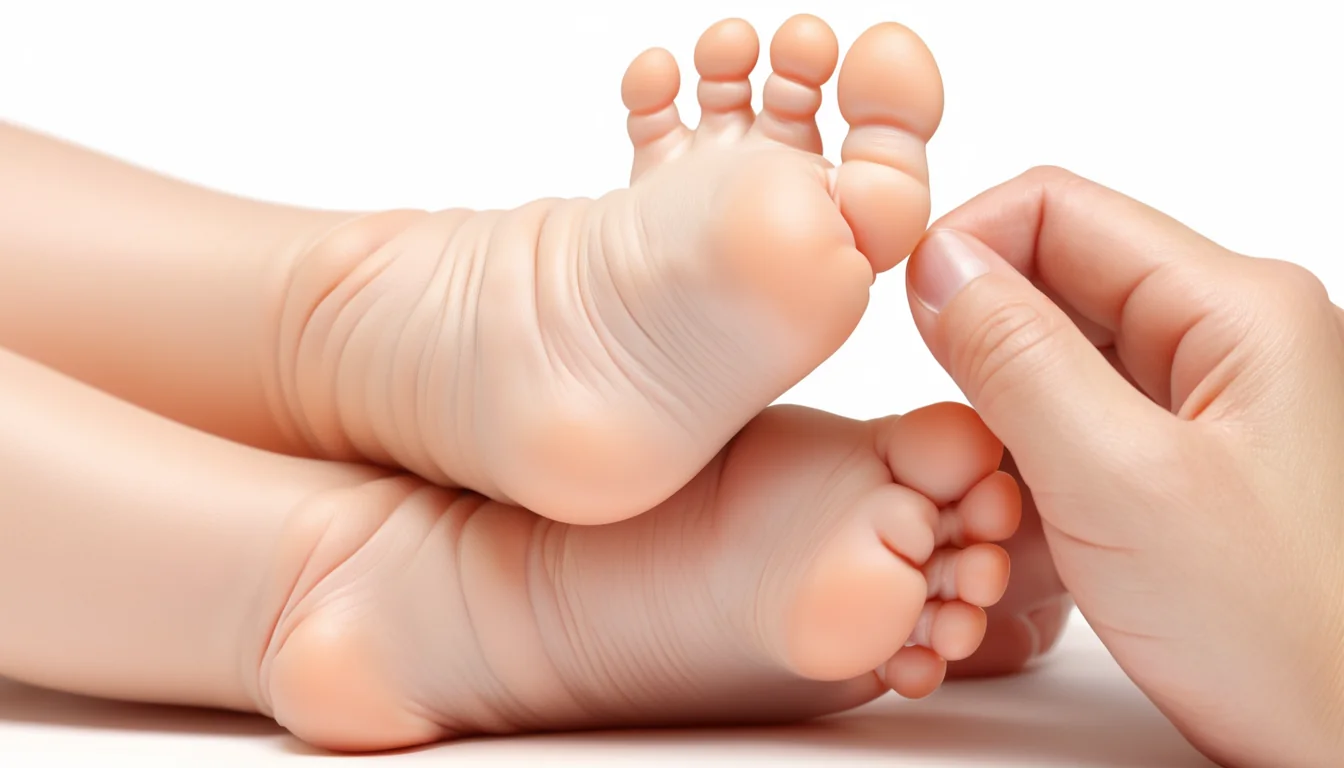
Clubfoot in children is one of the most common congenital differences affecting newborn feet and ankles across Canada, causing one or both feet to twist into an unusual position. Without early intervention, this condition can lead to lasting mobility challenges — but with prompt care beginning shortly after birth, the vast majority of affected children go on to walk, run, and play without limitation.
Understanding Clubfoot in Children: Signs, Causes & What Parents Should Know
Approximately 1 in every 1,000 Canadian babies is born with clubfoot, making awareness of clubfoot treatment in Canada essential for expecting and new parents. Whether mild or severe, the condition is highly treatable using proven approaches such as the Ponseti method, and Canadian families can access specialist paediatric orthopaedic care through provincial health systems. Understanding the causes, recognizing the signs, and knowing when to seek help are the first steps toward giving your child the best possible outcome.
What Is Clubfoot?
| Treatment Option | How It Works | Benefits | Considerations |
|---|---|---|---|
| Ponseti Method (Serial Casting) | Gentle weekly manipulation of the foot followed by plaster casting to gradually correct alignment over 6–8 weeks | Gold standard treatment; non-surgical; success rate over 95%; widely available across Canadian pediatric centres | Requires weekly clinic visits; family commitment essential; followed by bracing phase |
| Foot Abduction Bracing (FAB) | Custom brace worn after casting to maintain correction; used full-time initially, then nights and naps until age 4–5 | Prevents relapse; non-invasive; critical for long-term success of Ponseti method | Requires consistent compliance; skin irritation possible; adjustment period for child and family |
| Achilles Tenotomy | Minor minimally invasive procedure to release a tight Achilles tendon; typically performed under local anaesthetic | Quick recovery; necessary in approximately 80% of cases; performed in clinic or day surgery in Canada | Small procedural risk; brief casting required afterward; not always needed |
| Surgical Soft Tissue Release | Open surgery to release tight tendons and ligaments when non-surgical methods are insufficient or relapse occurs | Effective for complex or relapsed cases; restores functional foot position | Longer recovery; potential for scarring and stiffness; typically reserved for resistant cases |
| Physiotherapy and Exercise | Stretching exercises and physical therapy to maintain flexibility, strengthen foot muscles, and support normal gait development | Supports long-term mobility; improves muscle strength; complements other treatments | Not a standalone treatment; most effective as adjunct therapy; requires regular sessions |
Clubfoot is a general term for a range of unusual foot positions present at birth. The medical name is congenital talipes equinovarus. Each case is different, and the condition can range from mild to severe.
Common features of clubfoot include:
- The foot — especially the heel — is smaller than normal
- The foot points downward
- The front of the foot rotates toward the other foot
- In severe cases, the foot may twist so far that the inner edge faces upward
Clubfoot can affect one foot or both. In about half of all affected children, both feet are involved. Although clubfoot is painless in infants, treatment should begin as soon as possible after birth.
How Common Is Clubfoot in Children?
Clubfoot occurs in roughly 1 in every 1,000 newborns in Canada and around the world. It is about twice as common in boys as in girls. According to Mayo Clinic, family history plays a role in the condition’s likelihood.
If one child in a family has clubfoot, the chances are higher that a second child will also have it. Parents who had clubfoot themselves also have a greater chance of having a child with the condition. However, many cases occur with no family history at all.
What Causes Clubfoot?
In some cases, clubfoot results simply from the baby’s position in the womb. This is called postural clubfoot. The foot has developed normally but was held in an unusual position during pregnancy.
More often, though, clubfoot happens because of a combination of genetic and environmental factors that are not yet fully understood. Researchers continue to study what triggers the condition.
Associated Health Conditions
Clubfoot can sometimes be linked to other health conditions. For example, it is associated with spina bifida, a condition where the spinal cord does not develop properly. It can also occur alongside neurological conditions affecting the nerves, muscles, and bones.
For this reason, when clubfoot is identified, doctors often check for other underlying health concerns. This is an important part of giving your child the most complete care possible. Health Canada supports early screening programmes for newborns to help catch these concerns quickly.
Symptoms and What to Watch For
Clubfoot in children does not cause pain in newborns. However, if left untreated, it causes increasing discomfort and visible mobility challenges as the child grows.
Without treatment, you may notice:
- The foot remains twisted and misshapen
- The affected leg may be shorter and smaller than the other
- Difficulty finding shoes that fit properly
- Trouble keeping up with other children during play
- Walking on the side or top of the foot rather than the sole
Clubfoot does not correct itself on its own. Early treatment leads to far better outcomes than waiting. The sooner care begins, the better the chance of a full recovery.
How Is Clubfoot Diagnosed?
In many cases, clubfoot is spotted before birth. A routine prenatal ultrasound can sometimes show the unusual foot position while the baby is still developing in the womb. Your obstetrical care team in Canada will typically flag this during a standard anatomy scan.
However, diagnosis most often happens after birth. A doctor examines the shape and movement of the baby’s feet and legs. No blood tests are needed. X-rays are usually not helpful at this stage because some of the small bones in the foot are not yet fully formed and do not show clearly on imaging.
Flexible vs. Rigid Clubfoot
When the cause is simply the baby’s position in the womb, the foot is usually flexible. A doctor can gently move it close to a normal position. This type tends to respond quickly to treatment.
In other cases, the foot is rigid or stiff, and the calf muscles are very tight. This type takes longer to treat but still responds well when care starts early.
Treatment Options for Clubfoot in Children
Treatment for clubfoot in children begins shortly after birth. The goal is to correct the foot’s position so your child can walk, run, and play normally. Treatment is almost always non-surgical at first.
The Ponseti Method
The Ponseti method is the most widely used and most successful approach. A trained specialist gently stretches and repositions the foot, then applies a plaster cast to hold it in place. This is repeated every one to two weeks for two to four months.
Research shows that the Ponseti method works for the majority of children with clubfoot. One study found that only 3% of children treated with the Ponseti method needed major corrective surgery, compared to 94% of children treated with older casting methods. That is a significant difference in outcomes.
After casting, most children need a minor procedure to lengthen the Achilles tendon. This is usually done as a same-day outpatient procedure. Following this, children wear a brace — boots connected by a bar — to keep the foot in the correct position as it grows.
Traditional Casting
The traditional casting method also involves repositioning and immobilising the foot in a series of casts. However, it corrects the foot’s position in a different order than the Ponseti method. As a result, it is more likely to require major surgery later on. Most Canadian orthopaedic centres now prefer the Ponseti approach.
Surgery for Clubfoot
When non-surgical methods do not fully correct the foot, surgery may be recommended. A paediatric orthopaedic surgeon can release tight tendons and ligaments and reposition the bones. Surgery is more common in severe cases or when treatment begins late.
After surgery, the child will still need casting and bracing during recovery. Follow-up care is important for several years to make sure the foot develops properly.
Ongoing Care and Bracing
After casting is complete, children wear a brace for several years. At first, this is worn almost all day. Over time, it is worn only at night and during naps. Following the bracing schedule is essential. Research from Healthline confirms that children who stick to their bracing programme have far better long-term results.
When to See a Doctor
If your baby is born with clubfoot, a hospital doctor or midwife will usually identify it right away. They will refer your child to a paediatric orthopaedic specialist. In Canada, this referral is covered through your provincial health plan.
However, if you notice anything unusual about your newborn’s feet — such as an unusual angle or twist — speak to your family doctor or paediatrician as soon as possible. If you do not have a family doctor, a walk-in clinic can assess your baby and refer you to the appropriate specialist.
You should also follow up with your child’s doctor regularly throughout the treatment process. As always, speak to a healthcare professional before making any decisions about your child’s health and treatment plan.
Frequently Asked Questions About Clubfoot
Can clubfoot in children be detected before birth?
Yes, clubfoot in children is sometimes visible on a prenatal ultrasound, typically around the 20-week anatomy scan. However, a definitive diagnosis is usually confirmed after the baby is born. Your obstetrical team will let you know if something unusual is seen during the scan.
Is clubfoot painful for babies?
Clubfoot is not painful for newborns and infants. However, without treatment, it causes discomfort and mobility problems as the child grows older. Early treatment greatly reduces the risk of long-term pain and physical limitations.
What is the success rate of the Ponseti method for clubfoot?
The Ponseti method is highly effective for treating clubfoot in children. Studies show that when treatment begins early and the bracing programme is followed carefully, only about 3% of children need major corrective surgery. Most children treated with this method go on to walk and run normally.
Does clubfoot run in families?
Yes, there is a genetic component to clubfoot. If one child in a family has clubfoot, the chances of a second child having it are higher. If a parent had clubfoot, their children also have an increased risk. However, many cases occur with no family history at all.
Will my child be able to play sports with clubfoot?
With proper early treatment, most children with clubfoot lead completely normal, active lives. Many go on to play sports, run, and participate in all the same activities as their peers. The key is starting treatment as early as possible and following the full treatment programme.
Is clubfoot treatment covered by provincial health plans in Canada?
According to Mayo Clinic’s overview of clubfoot causes and treatment, this information is supported by current medical research.
For more information, read our guide on scoliosis in children — another common paediatric condition in Canada.
In Canada, medically necessary treatment for clubfoot in children — including specialist visits, casting, and surgery — is generally covered through provincial and territorial health insurance plans. Coverage details vary by province, so it is a good idea to check with your provincial health authority or speak to your family doctor for guidance specific to your situation.
Key Takeaways
- Clubfoot in children is a common birth difference affecting roughly 1 in 1,000 newborns in Canada.
- It can range from mild and flexible to severe and rigid, but most cases respond well to treatment.
- The Ponseti method — a series of gentle casts and stretches — is the most effective non-surgical treatment available.
- Treatment should begin as soon as possible after birth for the best outcome.
- After casting, children wear a brace for several years. Following this schedule is critical to long-term success.
- Clubfoot treatment is covered through provincial health plans in Canada. Ask your family doctor or paediatrician for a referral to a paediatric orthopaedic specialist.
- With early, consistent care, most children with clubfoot walk, run, and live fully active lives.
Frequently Asked Questions
What is clubfoot in children?
Clubfoot in children is a congenital condition where one or both feet are twisted inward and downward at birth. The tendons connecting leg muscles to foot bones are unusually tight, causing the abnormal position. It affects approximately 1 in 1,000 Canadian newborns and is present from birth, requiring early treatment.
What are the signs and symptoms of clubfoot in newborns?
Signs of clubfoot include a foot twisted sharply inward or downward, a smaller and shorter affected foot, limited ankle movement, and a higher heel than normal. The calf muscle on the affected leg may appear underdeveloped. The condition is painless in infants but causes difficulty walking if left untreated.
How is clubfoot in children treated in Canada?
Clubfoot in children is primarily treated using the Ponseti method, the gold standard in Canada. This involves gentle weekly manipulation and casting over 6–8 weeks, followed by a minor tendon-release procedure in most cases. Afterward, children wear special brace shoes for several years to prevent recurrence.
Can clubfoot be prevented during pregnancy?
Clubfoot cannot currently be prevented, as most cases have no clear cause. However, avoiding smoking during pregnancy reduces risk, since maternal smoking is a known contributing factor. Genetic factors also play a role. Prenatal ultrasounds can detect clubfoot around 20 weeks, allowing parents to plan early treatment.
When should I see a doctor if my child has clubfoot?
You should see a doctor immediately after birth if clubfoot is suspected or diagnosed. Early treatment — ideally starting within the first week or two of life — produces the best outcomes. If clubfoot was detected on a prenatal ultrasound, arrange a referral to a pediatric orthopedic specialist before delivery.

About the Author
Dr. Linda Chen, RD, PhDDr. Linda Chen is a registered dietitian and PhD in Nutritional Sciences from the University of British Columbia. With expertise in clinical nutrition, sports dietetics, and gut health, she has worked with leading Canadian hospitals and sports organizations. Dr. Chen is a member of Dietitians of Canada and regularly contributes to national nutrition policy discussions.
View all articles →