
Torticollis Treatment: Causes, Types & Care in Canada

Share
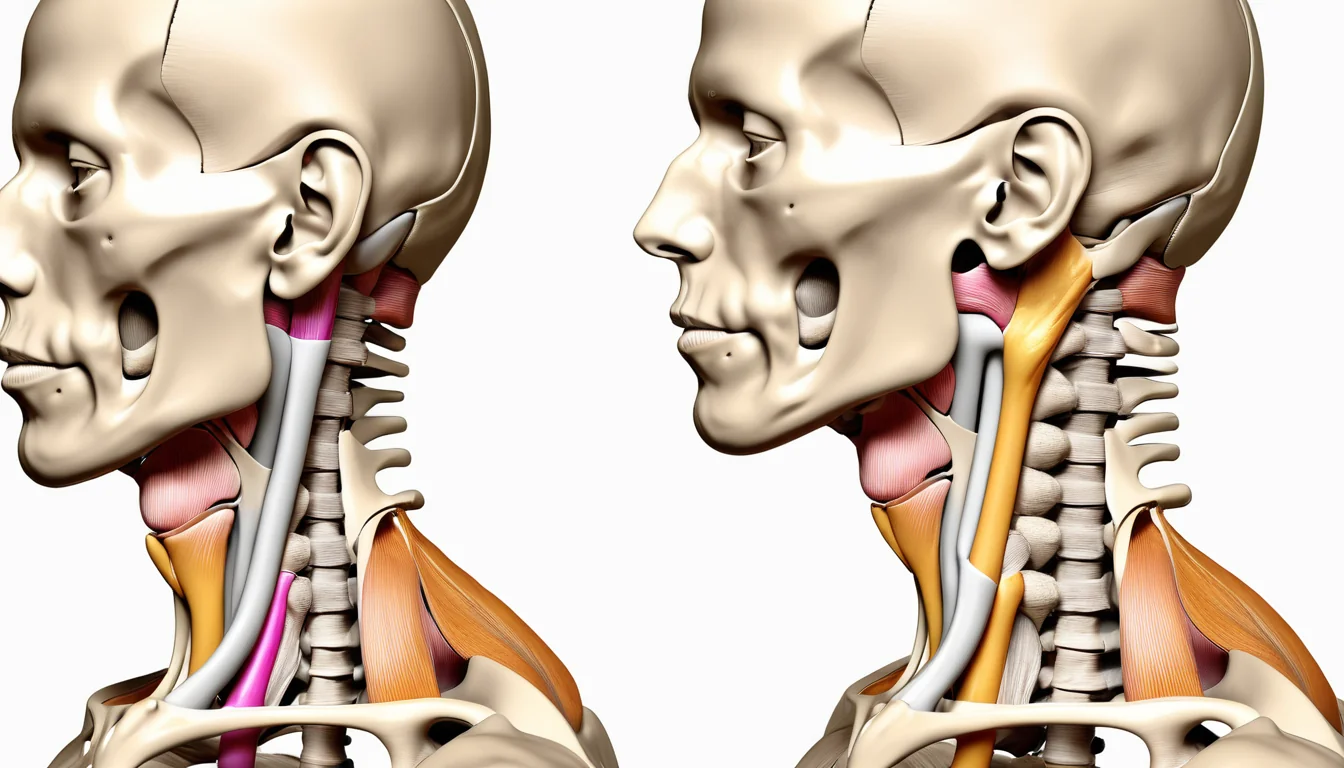
Torticollis treatment begins with understanding this common neck condition — also called wry neck — where the head tilts to one side while the chin rotates to the other, causing pain, stiffness, and limited movement. Whether it affects newborns or adults, knowing your options can help you take the right steps toward recovery here in Canada.
Torticollis Treatment Options Available in Canada
Millions of Canadians experience wry neck causes ranging from sleeping in an awkward position to underlying neurological conditions like cervical dystonia. This guide explains the different types of torticollis, what triggers them, and the most effective treatments available — including what you can do through your family doctor, local walk-in clinic, or registered physiotherapist.
What Is Torticollis?
| Treatment Option | Best Suited For | Key Benefits | Important Considerations |
|---|---|---|---|
| Physiotherapy & Stretching Exercises | Congenital, postural, and mild acquired torticollis in all ages | Non-invasive, improves range of motion, strengthens neck muscles, widely available across Canadian provinces | Requires consistent daily commitment; may take weeks to months for full improvement; referral often needed through family physician |
| Botulinum Toxin (Botox) Injections | Spasmodic (cervical dystonia) and chronic muscle contraction torticollis in adults | Provides significant muscle relaxation, reduces pain, effects last 3–4 months, covered under some provincial drug plans | Requires repeat injections; possible temporary weakness or dysphagia; administered by neurologist or physiatrist specialist |
| Oral Medications (Muscle Relaxants / Anticholinergics) | Acute torticollis and spasmodic torticollis with pain or spasm | Fast-acting symptom relief, accessible via prescription, helpful as short-term management | Side effects include drowsiness and dry mouth; not a long-term solution; should be combined with physiotherapy for best outcomes |
| Cervical Collar / Positioning Devices | Infants with congenital muscular torticollis; post-surgical support | Helps maintain corrected head position, supports physiotherapy progress, low risk when properly fitted | Must be fitted by a healthcare professional; not recommended as a standalone treatment; potential skin irritation with prolonged use |
| Surgical Intervention | Severe congenital cases unresponsive to conservative torticollis treatment, or structural abnormalities | Can provide lasting correction of muscle or skeletal abnormalities; considered when other treatments have failed | Reserved for refractory cases; involves general anesthesia; recovery time required; performed by pediatric or orthopedic surgeons at Canadian tertiary centres |
Torticollis happens when one of the two large muscles in your neck — called the sternocleidomastoid muscle — contracts or tightens abnormally. This pulls the head and neck out of their normal position. The result is a twisted or tilted neck that can range from mildly uncomfortable to quite painful.
At first, you may feel general discomfort and stiffness in the neck. Over time, the head begins to tilt to the affected side. The muscle tightness limits how far you can rotate your head. Interestingly, symptoms often disappear completely during sleep.
In some cases, the muscle tightness spreads to the shoulder on the opposite side. A muscle spasm around the jaw area can also occur. Pain may radiate along the neck and into the chest, both front and back.
According to Mayo Clinic’s overview of torticollis, the condition affects people of all ages and can have many different causes.
Types of Torticollis
There are several types of torticollis. Each has different causes and affects people differently. Understanding the type helps doctors choose the right treatment.
Common Torticollis (Acute Wry Neck)
This is the most familiar type. It often appears after a sudden awkward movement, sleeping in an uncomfortable position, or a minor neck injury. Most people have experienced this at some point in their lives.
Sleeping on your back or side is best for your neck. Your pillow should support the natural curve of your neck. If you already have neck problems, a firmer, supportive pillow can help prevent this type of torticollis.
Congenital Torticollis
Congenital torticollis is present at birth. It happens when the sternocleidomastoid muscle develops abnormally in the womb or during delivery. The baby’s head tilts noticeably to one side.
Several factors can cause this condition. These include the baby’s unusual position in the womb, pressure from the umbilical cord on the neck, or abnormal development of the cervical spine. Difficult deliveries can also lead to congenital torticollis, sometimes called obstetrical torticollis.
Parents should speak to their family doctor as soon as they notice the baby’s head tilting. Other conditions can look similar, so a proper diagnosis is essential. The doctor will examine the baby, review the birth history, and may order an X-ray of the cervical spine.
It is also important to note that hip dysplasia — abnormal development of the hip joints — appears in about one in five children with congenital torticollis. Therefore, doctors usually check the hips at the same time.
Spasmodic Torticollis (Cervical Dystonia)
Spasmodic torticollis appears suddenly and without a clear cause. It involves painful muscle spasms and significant neck stiffness. This type is also known as cervical dystonia.
The head can twist in different directions depending on which muscles are affected. It may rotate sideways (torticollis), tilt to one side (laterocollis), bend forward (anterocollis), or pull backward (retrocollis). Treatment for this type is more complex and usually requires specialist care.
Symptomatic Torticollis
This is actually the most common form overall. In this case, the twisted neck is a symptom of another underlying condition rather than the main problem itself. External factors such as injuries, inflammation, nerve weakness, muscle spasms, or scar tissue can all trigger it.
Treating symptomatic torticollis means addressing the root cause. Your doctor will work to identify what is causing the neck problem in the first place.
Causes and Risk Factors
The causes of torticollis vary widely depending on the type. For common acute torticollis, sleeping in an awkward position or sudden movement is usually to blame. These cases resolve quickly with rest and basic care.
For more persistent or severe forms, the causes can include nerve damage, infections, inflammation of the lymph nodes, or problems with the cervical vertebrae. In some cases, certain medications can cause a temporary muscle reaction that mimics torticollis.
Risk factors include a family history of dystonia, previous neck injuries, or certain neurological conditions. Children with difficult births are also at higher risk for the congenital form. Healthline’s guide to torticollis causes and risk factors provides a helpful overview for those wanting to learn more.
How Is Torticollis Diagnosed?
Diagnosis usually begins with a visit to your family doctor or a walk-in clinic. The doctor will ask about your symptoms, how long they have lasted, and whether anything triggered them. They will also physically examine the range of motion in your neck.
In some cases, imaging tests are needed. These may include X-rays to check the bones of the cervical spine, or an MRI to look at the muscles and soft tissue. Blood tests may help rule out infection or inflammation as a cause.
For babies with suspected congenital torticollis, the doctor will assess the neck muscles by touch, review the birth history carefully, and check the hips as well. Early diagnosis leads to better outcomes in children.
Torticollis Treatment Options
Treatment depends on the type of torticollis and how severe it is. Most cases of common acute torticollis respond well to simple home care. More complex types require professional treatment.
Treatment for Acute Wry Neck in Adults
Common torticollis in adults usually clears up within three to four days. Rest is the most important first step. Over-the-counter pain relievers can reduce discomfort, while muscle relaxants may help ease the spasms. Your pharmacist can recommend appropriate products.
Topical anti-inflammatory creams or gels applied directly to the neck can also provide relief. Gentle heat, such as a warm compress or heating pad, is another effective home remedy. However, if symptoms persist beyond a few days, see your doctor.
Physiotherapy for Torticollis
Physiotherapy plays a major role in treating both congenital and spasmodic torticollis. A registered physiotherapist will develop a personalised programme of stretching and strengthening exercises. These target the affected muscles and help restore normal neck movement.
Treatment typically begins with a gentle massage to relax the tight muscles. The physiotherapist then guides the neck through specific passive movements to gradually improve flexibility. For babies with congenital torticollis, parents are usually taught how to perform safe stretching exercises at home between sessions.
The goals of corrective physiotherapy include:
- Symmetrical strengthening of the posterior neck muscles
- Gentle lengthening of the shortened anterior muscle groups
- Correcting secondary postural problems in the spine, shoulders, and chest
- Restoring full, pain-free range of motion
For infants, physiotherapy should begin as early as possible — ideally within the first few weeks of life. Sessions at least three times per week produce the best results.
Treatment for Congenital Torticollis
Early treatment is essential for babies with congenital torticollis. The goal is to prevent asymmetrical growth and to correct the limited movement before it becomes a long-term problem. With prompt physiotherapy, most children improve significantly.
If there is no improvement after two to four months of consistent physiotherapy, further medical review is needed. In some cases, surgery may be required. A surgical procedure can lengthen and release the tight muscle, allowing the head to return to a normal position.
Treatment for Spasmodic Torticollis
Spasmodic torticollis is more challenging to treat. Options may include botulinum toxin (Botox) injections to relax the overactive muscles, oral medications, or specialised physiotherapy. A neurologist or movement disorder specialist typically manages this type.
According to Health Canada, all Canadians have access to a range of publicly funded specialist services through their provincial health plans. Ask your family doctor for a referral if you need specialist care.
When to See a Doctor
You should see a doctor if your neck pain and stiffness do not improve within a few days of home care. Also seek medical attention if the pain is severe, if you have a fever, or if you notice weakness or numbness spreading into your arms.
For parents, it is important to bring your baby to a family doctor or paediatrician as soon as you notice any head tilting or favouring of one side. Early assessment makes a big difference in treatment outcomes.
You can visit your family doctor, a walk-in clinic, or in urgent situations, your nearest emergency department. Provincial health plans across Canada cover assessment and referral for this type of condition. Always speak to a qualified healthcare provider before starting any treatment programme — this article is for informational purposes only and does not replace professional medical advice.
Frequently Asked Questions About Torticollis
What does torticollis feel like?
Torticollis typically feels like a stiff, painful neck that makes it hard to turn your head normally. The neck may tilt to one side and the chin may point in the opposite direction. Symptoms of torticollis often ease during sleep but return when you are awake and upright.
Can torticollis go away on its own?
Common acute torticollis in adults often resolves on its own within three to four days with rest and basic pain management. However, congenital and spasmodic torticollis usually require professional treatment. If your symptoms last longer than a week, see your family doctor or visit a walk-in clinic.
Is torticollis serious in babies?
Congenital torticollis in babies is a serious condition that requires early treatment. Without physiotherapy, it can lead to uneven facial development and limited neck movement as the child grows. Most babies respond very well to treatment when it begins early in the first weeks of life.
What is the difference between torticollis and a stiff neck?
A stiff neck is a general term for tightness or soreness that limits neck movement. Torticollis is a specific type of stiff neck where the head is visibly twisted or tilted due to muscle contraction. While a common stiff neck may ease with rest, torticollis often needs targeted treatment such as physiotherapy or medication.
How is torticollis treated in Canada?
In Canada, torticollis is treated based on the type and severity. Mild cases are managed with rest, over-the-counter pain relievers, and topical creams. More complex cases may require referral to a physiotherapist, neurologist, or orthopaedic surgeon through your provincial health plan. Start by speaking with your family doctor or visiting a walk-in clinic.
Can physiotherapy cure torticollis?
According to Mayo Clinic’s overview of cervical dystonia and spasmodic torticollis, this information is supported by current medical research.
For more information, read our guide on common neck pain causes and when to get help in Canada.
Physiotherapy is highly effective for many types of torticollis, especially congenital torticollis in infants when started early. A registered physiotherapist uses massage, stretching, and strengthening exercises to restore normal neck movement. For adults with spasmodic torticollis, physiotherapy is part of a broader treatment programme that may also include medication or injections.
Key Takeaways
- Torticollis (wry neck) causes the head to tilt to one side due to muscle tightness or spasm in the neck.
- There are four main types: common acute torticollis, congenital torticollis, spasmodic torticollis, and symptomatic torticollis.
- Most cases of common torticollis in adults clear up within three to four days with rest and pain relief.
- Congenital torticollis in babies needs early physiotherapy to prevent long-term growth problems.
- Spasmodic torticollis is the most complex type and usually requires specialist care.
- Canadians can access assessment and treatment through their family doctor, a walk-in clinic, or by referral to a specialist under their provincial health plan.
- Always consult a healthcare professional for a proper diagnosis and personalised treatment plan.
Frequently Asked Questions
What is torticollis?
Torticollis is a condition where the neck muscles contract involuntarily, causing the head to tilt or rotate to one side. It can be present at birth (congenital) or develop later in life (acquired). It affects people of all ages and ranges from mild discomfort to significant pain and restricted movement.
What are the symptoms of torticollis?
Common symptoms include head tilting to one side, neck pain and stiffness, limited range of motion, one shoulder appearing higher than the other, and headaches. In infants, symptoms may include preference for turning the head one direction and difficulty breastfeeding on one side.
What are the best torticollis treatment options in Canada?
Torticollis treatment typically includes physiotherapy, stretching exercises, and massage. For persistent cases, doctors may recommend botulinum toxin (Botox) injections, muscle relaxants, or pain medications. Infants often respond well to physiotherapy alone. Severe cases may require surgery. Treatment is tailored to the underlying cause and severity.
Can torticollis be treated without surgery?
Yes, most torticollis cases resolve without surgery. Conservative torticollis treatment options — including physiotherapy, stretching exercises, heat therapy, and Botox injections — are effective for the majority of patients. Surgery is typically reserved for congenital cases or severe acquired torticollis that does not respond to non-surgical interventions.
When should you see a doctor for torticollis?
See a doctor if neck tilting appears suddenly, persists beyond a few days, or is accompanied by severe pain, fever, or neurological symptoms like numbness or tingling. In newborns, consult a pediatrician immediately if you notice head tilting or limited neck movement, as early intervention improves outcomes significantly.

About the Author
Dr. Michael Ross, MD, FRCSCDr. Michael Ross is a fellowship-trained orthopedic surgeon at the University of Alberta Hospital, specializing in joint replacement and sports medicine. A Fellow of the Royal College of Surgeons of Canada (FRCSC), he has over 18 years of surgical experience and has authored multiple textbook chapters on musculoskeletal health. Dr. Ross is passionate about patient education and evidence-based medicine.
View all articles →