
Axial Stability: Why Core Strength Matters for Canadians

Share
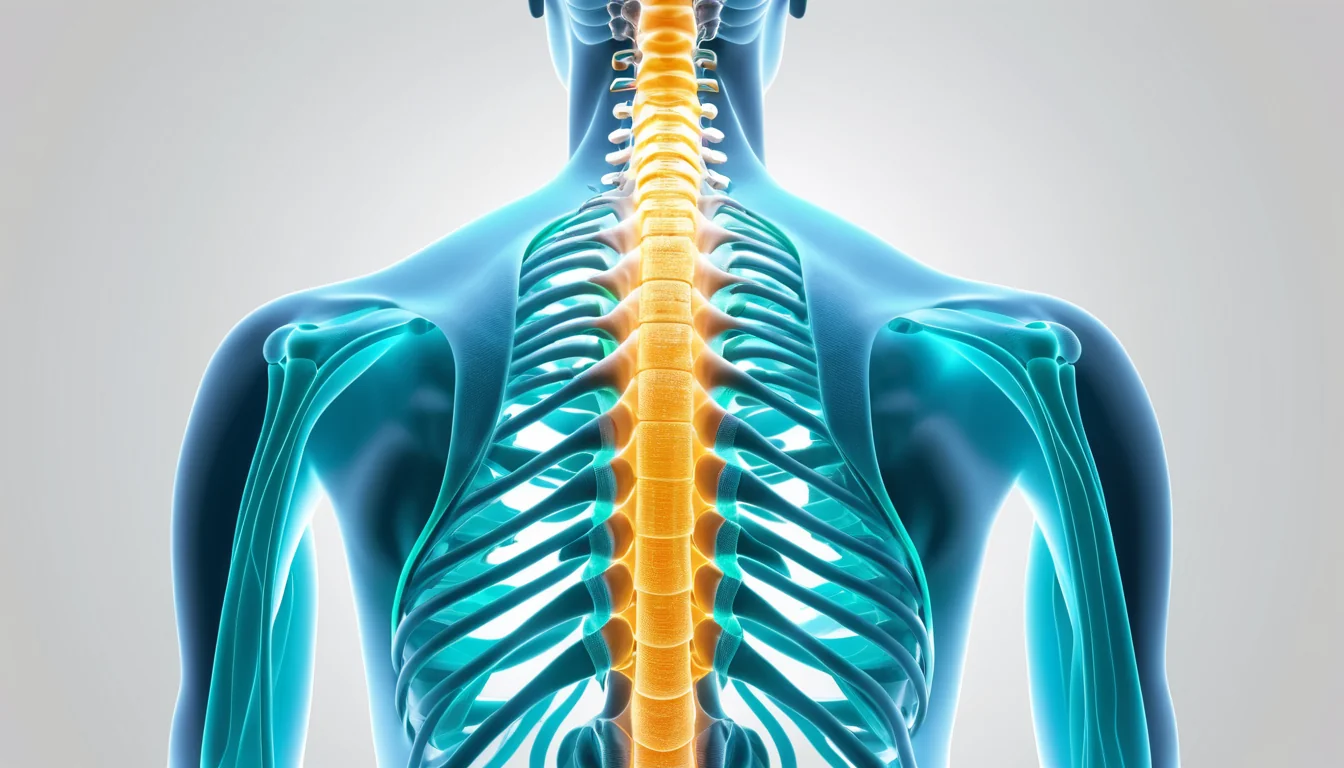
Axial stability is one of the most important yet overlooked aspects of spinal health for Canadians. It refers to how your deep core muscles coordinate to support your spine during everyday movements, from bending and lifting to simply standing upright. When these muscles are strong and activate at the right time, your body moves more safely and efficiently.
How to Improve Your Axial Stability With Simple Exercises
Poor core strength exercises and weak spinal stabilizers are among the leading causes of low back pain in Canada, affecting millions of people each year. In this article, you will learn exactly what axial stability means, why it matters for your long-term health, and how to improve it with simple, evidence-based exercises you can do at home.
What Is Axial Stability?
| Treatment / Approach | Benefits for Axial Stability | Considerations |
|---|---|---|
| Physiotherapy-Guided Core Rehabilitation | Targets deep stabilizing muscles (transversus abdominis, multifidus); reduces chronic low back pain; improves spinal alignment | Requires referral or direct access; covered partially by many provincial plans and extended benefits; 6–12 week commitment typical |
| Pilates-Based Exercise | Enhances neuromuscular control of the spine; improves posture and breathing mechanics; low injury risk | Not typically covered by provincial health insurance; instructor quality varies; best combined with clinical assessment |
| Yoga (Hatha or Therapeutic) | Builds flexibility and isometric core strength; shown to reduce back pain recurrence; accessible across Canada | Some poses may aggravate existing spinal conditions; seek therapeutic yoga instructors for injury populations |
| Progressive Resistance Training | Strengthens global stabilizers (erector spinae, glutes, obliques); improves functional movement and bone density | Requires proper technique to avoid injury; access to gym facilities may vary by region; supervision recommended initially |
| Aquatic Therapy | Reduces spinal load while activating core musculature; beneficial for arthritis, osteoporosis, or post-surgical patients | Availability limited in rural Canadian communities; pool access and costs may be a barrier; referral often needed |
Your spine is a column of bones stacked on top of one another. Small fluid-filled discs sit between each bone to absorb shock. Cartilage, ligaments, and muscles hold all of these parts together.
When your muscles are strong and working well, they give your spine a solid base for movement. This is the foundation of axial stability. Think of it as a natural internal brace around your spine.
According to the Mayo Clinic, core muscle training improves balance, reduces injury risk, and supports nearly every movement you make throughout the day.
The Key Muscles Involved
Three deep muscle groups are central to axial stability. These are the transverse abdominis, the paraspinal muscles, and the pelvic floor muscles.
- Transverse abdominis: This muscle wraps around your abdomen like a corset. It is the muscle you feel working when you draw your belly button inward.
- Paraspinal muscles: These run along both sides of your spine. Short muscle fibres connect neighbouring vertebrae and keep your back aligned.
- Pelvic floor muscles: These are the muscles you engage when you try to stop the flow of urine. They form the base of your core unit.
In addition to these deep muscles, the muscles of your back, glutes, hips, and thighs also contribute to axial stability. However, the deep core muscles must engage first before the outer muscles can do their job properly.
Why Axial Stability Is Important for Your Health
All parts of your body are connected in a chain. This is called the kinetic chain. It runs from your foot through your ankle, knee, hip, pelvis, and all the way up your spine.
When one part of this chain is weak or injured, other parts must compensate. For example, imagine throwing a ball and twisting your ankle on a rock mid-throw. That ankle twist changes the movement at your knee, hip, and shoulder. As a result, the ball goes in the wrong direction. Pain or injury can appear anywhere along the chain.
Therefore, a strong and stable trunk — where all kinetic chains connect — protects your entire body. It improves the power and safety of every movement you make.
Conditions That Benefit From Axial Stability
Improving axial stability can help manage and prevent several common health conditions, including:
- Low back pain
- Tendon injuries (tendinopathy)
- Balance disorders such as Ménière’s disease
- Poor posture
- General muscle weakness or fatigue during daily activities
Healthline explains that core strengthening is one of the most effective tools for preventing and treating low back pain, which affects millions of Canadians each year.
The Benefits of Stronger Axial Stability
Building axial stability offers real, everyday benefits. These go far beyond just looking fit or having a flat stomach.
Here is what you can expect with consistent training:
- Better posture: You stand and sit taller with less effort.
- Improved balance: You feel more confident on uneven surfaces or when changing direction quickly.
- Greater strength: Everyday tasks like lifting groceries or shovelling snow become easier.
- Lower injury risk: A stable core protects your joints during physical activity.
- Less back pain: Strong core muscles reduce strain on your spine.
Furthermore, axial stability training is beneficial for everyone. It helps older adults maintain balance and prevent falls. It also helps athletes perform better and recover faster. It is truly a fitness goal for all Canadians at every level of activity.
Ancient Roots of Core Training
The idea of training the core for health is not new. Yoga, Pilates, and martial arts such as tai chi have been built around this principle for centuries. These practices all focus on breath, controlled movement, and deep muscle activation — the core principles of axial stability training.
How to Improve Your Axial Stability
The good news is that axial stability exercises are simple to do. You do not need any equipment. You do not need a large space. You can do them at home, at the office, or even while watching television.
However, doing these exercises correctly matters more than doing many repetitions. Poor form can reinforce bad movement patterns and may even cause injury. For this reason, it is worth learning the basics from a trained physiotherapist before progressing to more complex movements.
Getting Started: Basic Axial Stability Exercises
Begin with these foundational movements. Focus on quality and control, not speed or quantity.
- Dead bug: Lie on your back with arms pointed toward the ceiling and knees bent at 90 degrees. Slowly lower one arm and the opposite leg toward the floor while keeping your lower back pressed flat. Return and repeat on the other side.
- Bird dog: Start on all fours. Extend one arm forward and the opposite leg behind you, keeping your hips level and your back flat. Hold for a few seconds, then switch sides.
- Plank: Hold a push-up position on your forearms. Keep your body in a straight line from head to heel. Breathe steadily and hold for 20 to 30 seconds to begin.
- Glute bridge: Lie on your back with knees bent and feet flat on the floor. Press through your heels to lift your hips toward the ceiling. Squeeze your glutes at the top, then slowly lower back down.
As you become more comfortable, a physiotherapist can guide you through more advanced progressions. Many provincial health plans across Canada cover physiotherapy visits, so check with your insurer or provincial programme to see what you are eligible for.
Breathing and Axial Stability
Proper breathing is a key part of axial stability training. You should breathe from your diaphragm — the large dome-shaped muscle under your lungs — rather than from your chest and shoulders.
To practice diaphragmatic breathing, place one hand on your belly. When you inhale, your belly should rise. When you exhale, it should fall. Your chest and shoulders should stay relatively still.
This style of breathing activates the deep core muscles that support your spine. In addition, it promotes relaxation and helps your body move more efficiently. Try to use this breathing technique throughout all of your axial stability exercises.
According to Health Canada’s physical activity guidance, combining strength, flexibility, and balance training leads to the best long-term health outcomes for Canadians of all ages.
When to See a Doctor
If you have ongoing back pain, balance problems, or a recent injury, speak with a healthcare provider before starting a new exercise programme. Your family doctor is a great first step. They can rule out any underlying conditions and refer you to a physiotherapist if needed.
If you do not have a family doctor, a walk-in clinic can help. Many walk-in clinics across Canada can assess musculoskeletal concerns and provide referrals. Do not wait for pain to become severe before seeking care — early treatment leads to better outcomes.
Always consult your doctor or a qualified health professional before beginning any new exercise routine, especially if you have a pre-existing condition or have been inactive for a long time.
Frequently Asked Questions About Axial Stability
What is axial stability and why does it matter?
Axial stability refers to the ability of your deep core muscles to support and control your spine during movement. It matters because a stable spine protects your joints, improves posture, and reduces the risk of back pain and injury. Without good axial stability, everyday movements like bending, lifting, and walking put more stress on your spine.
What muscles are responsible for axial stability?
The three main muscle groups involved in axial stability are the transverse abdominis, the paraspinal muscles, and the pelvic floor muscles. These deep muscles act like an internal corset around your spine. Outer muscles like the glutes and back muscles also help, but the deep muscles must activate first.
Can axial stability exercises help with low back pain?
Yes, improving axial stability is one of the most effective ways to reduce and prevent low back pain. Strengthening the deep core muscles takes pressure off the spinal discs and joints. Many physiotherapists in Canada use axial stability training as a core part of back pain rehabilitation programmes.
How often should I do axial stability exercises?
Most experts recommend doing core and axial stability exercises at least three to four times per week. Because these exercises are low-impact and do not require equipment, many people do short sessions daily. Consistency matters more than intensity, especially when you are starting out.
Is axial stability the same as core strength?
They are closely related but not exactly the same. Core strength refers to how strong your trunk muscles are overall. Axial stability goes further — it focuses on how well those muscles coordinate, time their contractions, and maintain spinal control during movement. You can have strong core muscles but still have poor axial stability if those muscles do not work together properly.
Who should do axial stability training?
According to Mayo Clinic’s guide to core exercises, this information is supported by current medical research.
For more information, read our guide on causes and treatment of low back pain in Canada.
Axial stability training is beneficial for virtually everyone, from older adults looking to improve balance and prevent falls, to athletes wanting to boost performance. It is especially helpful for people with low back pain, poor posture, or those recovering from a musculoskeletal injury. If you are unsure where to start, a physiotherapist or your family doctor can guide you.
Key Takeaways
- Axial stability is the ability of your deep core muscles to support your spine during movement.
- The main muscles involved are the transverse abdominis, paraspinal muscles, and pelvic floor muscles.
- Your body works as a connected kinetic chain — a weak core affects your entire body.
- Benefits include better posture, improved balance, greater strength, and less back pain.
- Simple exercises like the dead bug, bird dog, plank, and glute bridge are great starting points.
- Diaphragmatic breathing is an important part of effective axial stability training.
- Axial stability training is suitable for all Canadians, regardless of age or fitness level.
- Talk to your family doctor or visit a walk-in clinic if you have pain or concerns before starting a new programme.
Frequently Asked Questions
What is axial stability and why does it matter?
Axial stability refers to the ability of your spine and core muscles to maintain proper alignment and resist excessive movement during daily activities. It matters because a stable spine protects your vertebrae, discs, and nerves from injury. Without adequate axial stability, you risk chronic back pain, poor posture, and increased injury risk.
What are the signs of poor core strength and axial stability?
Common signs include persistent lower back pain, poor posture, frequent muscle fatigue during everyday tasks, difficulty standing for long periods, and recurring injuries during physical activity. You may also notice reduced balance, hip instability, or pain that worsens after prolonged sitting — all indicators your core stabilizing muscles need strengthening.
How can you improve axial stability through exercise?
Effective exercises include planks, dead bugs, bird-dogs, and glute bridges, which target deep stabilizing muscles like the transverse abdominis and multifidus. Pilates and physiotherapy-guided programs are also highly effective. Consistency is key — performing these exercises three to four times weekly shows measurable improvement in spinal stability within six to eight weeks.
Can poor axial stability cause back pain in Canadians?
Yes. Poor axial stability is a leading contributor to back pain, which affects approximately 80% of Canadians at some point in their lives. When core muscles are weak, the spine endures excessive mechanical stress, leading to muscle strain, disc compression, and joint irritation. Strengthening core stability is often a primary treatment recommendation from Canadian physiotherapists.
When should you see a doctor about core or spinal stability problems?
See a doctor or physiotherapist if you experience persistent back pain lasting more than two weeks, pain radiating down your legs, numbness or tingling, or significant weakness during movement. These symptoms may indicate nerve involvement or structural issues requiring professional assessment beyond standard core strengthening exercises.

About the Author
Dr. Sarah Mitchell, MDDr. Sarah Mitchell is a board-certified family physician with over 15 years of clinical experience. She completed her MD at the University of Toronto and her residency at Toronto General Hospital. Dr. Mitchell specializes in preventive medicine and chronic disease management. She is a member of the College of Family Physicians of Canada (CFPC) and has published over 30 peer-reviewed articles on preventive health care.
View all articles →