Flat Feet: Causes, Symptoms & Treatment in Canada

Share
Flat feet is a common condition where the arch along the bottom of your foot is lower than normal or completely flattened, affecting one or both feet. While most Canadians with flat feet experience no pain at all, some develop discomfort that interferes with walking, exercise, and daily activities. This guide explains everything you need to know about the condition and when to seek care.
What Causes Flat Feet and Who Is at Risk?
Understanding the fallen arches causes behind your symptoms is the first step toward finding relief. Whether you were born with the condition or developed it over time, Canadian healthcare providers offer a range of evidence-based solutions — from custom orthotics and targeted exercises to physiotherapy and surgery. Below, you will find a complete breakdown of symptoms, diagnosis, and treatment options available across Canada.
What Are Flat Feet?
| Treatment Option | Benefits | Considerations |
|---|---|---|
| Custom Orthotics | Provides personalized arch support; reduces pain and fatigue; improves alignment | May require a prescription; cost ranges from $300–$600 CAD; coverage varies by provincial health plan or private insurance |
| Physiotherapy & Stretching Exercises | Strengthens foot and calf muscles; improves flexibility; non-invasive and low cost | Requires consistent effort over weeks to months; best results when guided by a registered physiotherapist |
| Supportive Footwear | Readily available; provides immediate cushioning and arch support; helps manage daily discomfort | Does not correct underlying structural issues; quality motion-control shoes can cost $150–$300 CAD |
| Anti-Inflammatory Medications (NSAIDs) | Reduces pain and swelling; provides short-term relief for flare-ups | Not a long-term solution; potential side effects with prolonged use; consult a physician or pharmacist before use |
| Surgical Intervention | Can correct severe structural deformities; offers long-term improvement in alignment and function | Reserved for severe or rigid flat feet unresponsive to conservative care; involves recovery time of several months; available through provincial health coverage with referral |
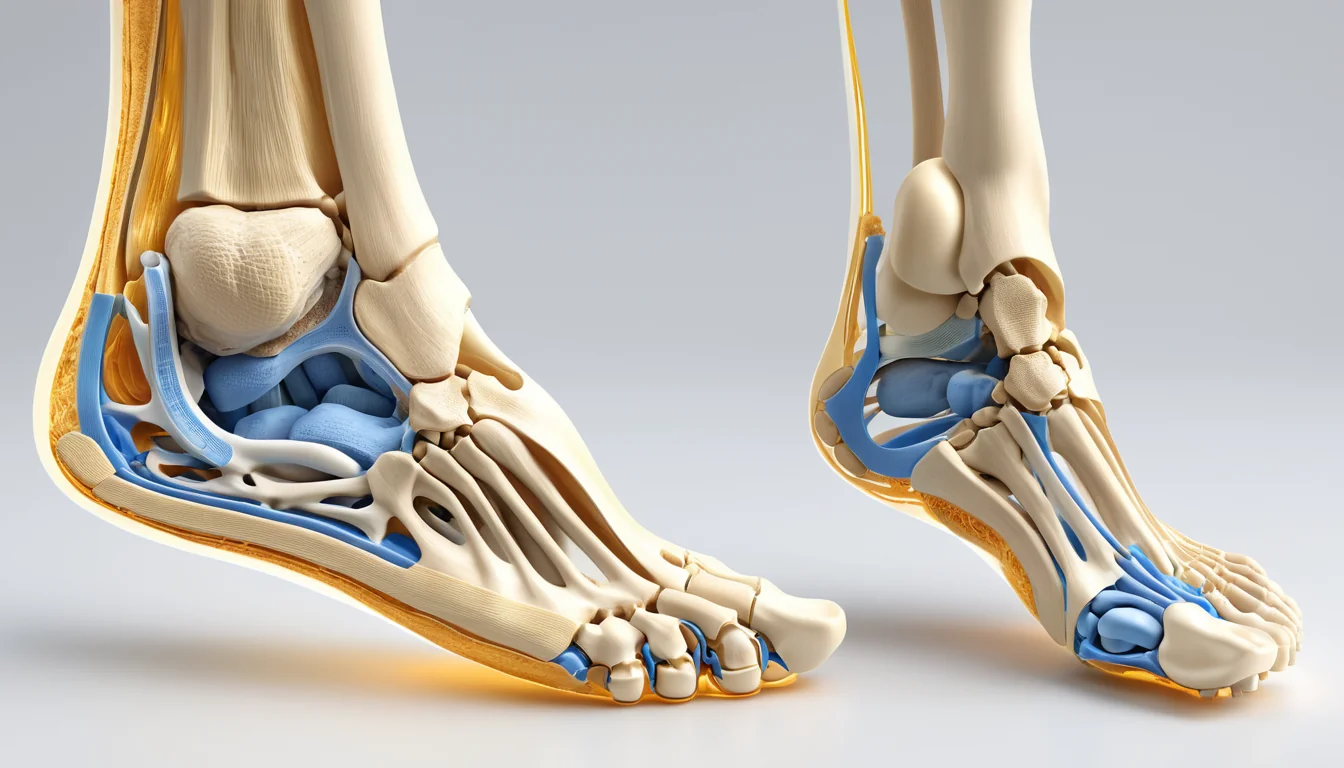
Your foot has a natural arch that runs along the inside of the sole. This arch helps absorb shock and distribute your body weight evenly when you walk or run. When that arch does not develop properly — or collapses over time — the result is flat feet.
Flat feet can be present from birth or develop later in life. Both children and adults can be affected. According to Mayo Clinic’s overview of flatfeet, many people never experience any problems with the condition at all.
What Causes Flat Feet?
Flat feet can have several different causes depending on your age and health history. Understanding the cause helps guide the right treatment.
Genetic and Developmental Causes
Sometimes flat feet simply run in families. If one or both of your parents have flat feet, you are more likely to have them too. In children, the arch often develops naturally between the ages of three and five. Before that age, almost all children have flat feet — this is completely normal.
Medical Conditions That Contribute to Flat Feet
Flat feet can also develop as a result of another health condition. Common examples include:
- Rheumatoid arthritis — inflammation that affects the joints in your feet
- Stroke — which can weaken the muscles that support the arch
- Diabetes — which can damage nerves and weaken foot structure over time
- Obesity — excess weight puts extra pressure on the arch
- Injury — a sprained or torn tendon can cause the arch to collapse
In addition, aging naturally weakens tendons and ligaments. As a result, some people develop flat feet later in life even if their arches were normal when they were younger.
Symptoms of Flat Feet
Many people with flat feet have no symptoms whatsoever. However, some people do experience discomfort. It is important to pay attention to when and where pain occurs, because this helps your doctor find the right solution.
Common Symptoms in Adults
Adults with flat feet may notice pain or aching in the following areas:
- The heel or arch of the foot
- The ankle or lower leg
- The knee, hip, or lower back in some cases
This pain often gets worse after standing for long periods, walking, running, or jumping. Wearing unsupportive footwear can also trigger discomfort. Furthermore, a sudden change in your work environment — for example, switching from a desk job to one that requires long hours on your feet — can bring on symptoms even if you never had pain before.
Flat Feet Symptoms in Children
Children with flat feet may occasionally complain of pain or tiredness in their feet or calves. They might also avoid physical activity or seem clumsier than their peers. However, most children outgrow flat feet on their own without any treatment. If your child is still complaining of foot pain after age five or six, it is worth mentioning to your family doctor.
Diagnosing Flat Feet
Diagnosing flat feet is usually straightforward. Your doctor or a foot specialist will look at the shape of your feet while you are standing and walking. They may also check your footwear for uneven wear patterns.
In some cases, your doctor may order an X-ray or other imaging to get a better look at the structure of your foot — especially if you are experiencing significant pain or if a tendon injury is suspected. Healthline’s guide to flat feet diagnosis provides a useful overview of what to expect during an assessment.
Your family doctor is a great first stop if you are concerned about flat feet. They can refer you to a podiatrist or orthopaedic specialist if needed. Most provincial health plans in Canada cover a referral to a specialist through the public system.
Flat Feet Treatment Options
The good news is that flat feet rarely require aggressive treatment. Most people manage the condition comfortably with simple lifestyle adjustments and supportive footwear.
Footwear and Orthotics
The first step is wearing shoes that fit well and provide good arch support. Look for footwear with a firm heel counter, adequate cushioning, and a wide toe box. Avoid flat, unsupportive shoes like flip flops or worn-out sneakers.
Your doctor may also recommend custom or over-the-counter orthotics. Orthotics are insoles or shoe inserts made from rubber, leather, plastic, or other materials. They are shaped to support your arch and keep your foot in a neutral position. Heel cups — small cup-shaped inserts that cradle your heel — are another helpful option for relieving discomfort.
Exercises for Flat Feet
Stretching and strengthening exercises can reduce pain and improve foot function over time. Here are three exercises commonly recommended for people with flat feet:
Calf Stretch Against a Wall
Stand about 30 centimetres from a wall and place both palms flat on the wall at chest height. Step one foot back, keeping your back knee straight and both feet flat on the floor. Point your feet toward the wall or slightly inward. Bend your front knee and gently press your hands into the wall until you feel a mild stretch in the back leg. Hold for ten seconds, working up to thirty seconds as you get stronger. Switch legs and repeat. Aim for two to three times per day.
Towel Toe Curls
Place a small towel flat on the floor. Sit in a chair with both feet resting on the towel. Use the toes of one foot to scrunch and pull the towel toward you, keeping your heel on the floor. Use your other foot to hold the towel in place. Repeat with the other foot. As this becomes easier, add a small weight — such as a large can of soup — to the far end of the towel for added resistance.
Towel Stretch for the Sole
Sit on the floor with both legs stretched out in front of you. Roll a towel lengthwise and loop it around the ball of one foot, holding one end in each hand. Gently pull the towel toward you to stretch the bottom of your foot and calf. Hold for twenty to thirty seconds, then switch feet. This stretch works well first thing in the morning before you get out of bed.
Physiotherapy and Strengthening Programmes
Some people — particularly athletes or those returning to an active lifestyle — benefit from a structured physiotherapy programme. A registered physiotherapist can design a plan that builds foot strength and improves flexibility. Your orthopaedic specialist or sports medicine doctor can provide a referral. Many of these services are covered fully or partially by provincial health plans or extended health benefits.
Pain Relief
Non-steroidal anti-inflammatory drugs (NSAIDs) — such as ibuprofen — can help manage pain and swelling in the short term. Heat therapy and gentle massage may also ease muscle tightness in the calf and lower leg. Always follow the dosage instructions on the label and check with your pharmacist if you take other medications.
Surgery for Flat Feet
Surgery is rarely needed for flat feet. However, if the condition is caused by a ruptured tendon or is linked to another medical condition that does not respond to other treatments, a surgeon may recommend a procedure to repair or reconstruct the arch. Your specialist will discuss whether surgery is appropriate for your specific situation.
Flat Feet in Children: What Parents Should Know
It is very common for young children to appear to have flat feet. The arch typically develops fully by age five. In most cases, no treatment is needed at all.
Orthopaedic shoes or custom insoles are rarely recommended for young children, as the foot will usually correct itself naturally. However, if your child complains of ongoing foot or leg pain, seems to tire easily during physical activity, or is avoiding sports, speak with your family doctor. Health Canada encourages parents to discuss any developmental foot concerns with a healthcare provider rather than waiting.
For older children and teenagers whose arches have not developed, a podiatrist or paediatric orthopaedic specialist can assess whether any intervention is helpful.
When to See a Doctor About Flat Feet
Most cases of flat feet do not need urgent attention. However, you should book an appointment with your family doctor or visit a walk-in clinic if you notice any of the following:
- Persistent pain in your feet, ankles, or lower legs that does not improve with rest or better footwear
- Foot pain that is getting worse over time
- One foot that suddenly becomes flatter than the other
- Swelling along the inside of your ankle
- Difficulty walking or standing for normal periods of time
- Your child complains of foot or leg pain regularly after age five
Your family doctor can assess your feet, rule out other conditions, and refer you to a podiatrist or orthopaedic specialist if needed. If you do not have a family doctor, a walk-in clinic is a good first step. Early assessment can prevent the condition from getting worse.
As always, speak with a qualified healthcare provider before starting any new exercise programme or using orthotics, especially if you have diabetes or another health condition that affects your feet.
Are flat feet a serious medical condition?
For most people, flat feet are not a serious problem and cause no pain or disability. However, if flat feet cause persistent pain or are linked to another condition such as arthritis or a tendon injury, it is worth seeing your family doctor or a specialist for an assessment.
Can flat feet be corrected in adults?
The arch cannot always be fully restored in adults, but symptoms can almost always be managed effectively. Supportive footwear, orthotics, and targeted exercises can significantly reduce pain and improve daily comfort for adults with flat feet. Surgery is rarely necessary but is available for severe cases.
Do flat feet in children go away on their own?
Yes, in most children the arch develops naturally by around age five. Flat feet in toddlers and young children are completely normal and usually require no treatment. If your child still has flat feet and experiences pain after age five or six, speak with your family doctor.
What kind of shoes are best for flat feet?
People with flat feet benefit most from shoes with firm arch support, a structured heel counter, and good cushioning. Motion-control or stability running shoes are often recommended. Avoid completely flat shoes, worn-out footwear, or high heels for extended periods.
Can flat feet cause knee or back pain?
Yes, flat feet can alter the alignment of your legs, which sometimes leads to pain in the knees, hips, or lower back. Correcting foot position with orthotics or exercises can help reduce these secondary aches. A physiotherapist or orthopaedic specialist can assess whether your flat feet are contributing to pain in other parts of your body.
Are orthotics covered by provincial health plans in Canada?
According to Mayo Clinic’s overview of flatfeet, this information is supported by current medical research.
For more information, read our guide on back pain causes and treatment options for Canadians.
Coverage for orthotics varies by province and by individual health plan. Most provincial plans do not cover orthotics directly, but many employer-provided extended health benefit plans include partial or full coverage. Ask your family doctor for a prescription and check with your insurer, as a prescription can increase your chances of reimbursement.
Key Takeaways
- Flat feet occur when the arch of the foot is lower than normal or completely flattened.
- The condition can be genetic, developmental, or caused by another health condition such as arthritis, diabetes, or a tendon injury.
- Most people with flat feet have no symptoms. When pain does occur, it is usually in the heel, arch, ankle, or calf.
- In children, flat feet are normal up to age five and rarely need treatment.
- Treatment for adults typically includes supportive footwear, orthotics, and stretching exercises.
- Physiotherapy programmes can be especially helpful for active individuals or athletes.
- Surgery is rarely required but is an option for severe or complicated cases.
- See your family doctor or visit a walk-in clinic if foot pain is persistent, worsening, or affecting your daily routine.
- Always consult a healthcare professional before starting a new treatment or exercise plan for flat feet.
Frequently Asked Questions
What are flat feet?
Flat feet (pes planus) is a condition where the arches of the feet collapse, causing the entire sole to make contact with the ground. It can be present from birth or develop over time due to injury, aging, or obesity. Many people with flat feet experience no pain or functional problems.
What are the symptoms of flat feet in adults?
Common symptoms include aching or fatigue in the feet, ankles, and lower legs, swelling along the inner ankle, difficulty standing on tiptoe, and knee or back pain. Some people remain completely symptom-free, while others experience significant discomfort during prolonged standing or physical activity.
How are flat feet treated in Canada?
Treatment for flat feet includes custom orthotics prescribed by a podiatrist, supportive footwear, physiotherapy, and targeted stretching exercises. Over-the-counter arch supports can provide relief for mild cases. In severe cases causing significant pain or structural damage, corrective surgery may be recommended by a Canadian orthopaedic specialist.
Can flat feet be prevented or corrected with exercise?
Flat feet cannot always be prevented, but strengthening exercises can improve arch support and reduce symptoms. Exercises targeting the tibialis posterior muscle, calf raises, and toe curls help stabilize the foot. Maintaining a healthy weight and wearing supportive footwear also reduces the risk of developing painful flat feet.
When should I see a doctor about flat feet?
See a doctor or podiatrist if you experience persistent foot, ankle, or lower limb pain, uneven shoe wear, difficulty walking, or sudden arch collapse. Canadian adults over 40, pregnant women, and those with diabetes should seek early evaluation, as flat feet can worsen underlying musculoskeletal or vascular conditions.

About the Author
Dr. Michael Ross, MD, FRCSCDr. Michael Ross is a fellowship-trained orthopedic surgeon at the University of Alberta Hospital, specializing in joint replacement and sports medicine. A Fellow of the Royal College of Surgeons of Canada (FRCSC), he has over 18 years of surgical experience and has authored multiple textbook chapters on musculoskeletal health. Dr. Ross is passionate about patient education and evidence-based medicine.
View all articles →