
Achilles Tendon Rupture: Causes, Treatment & Recovery

Share
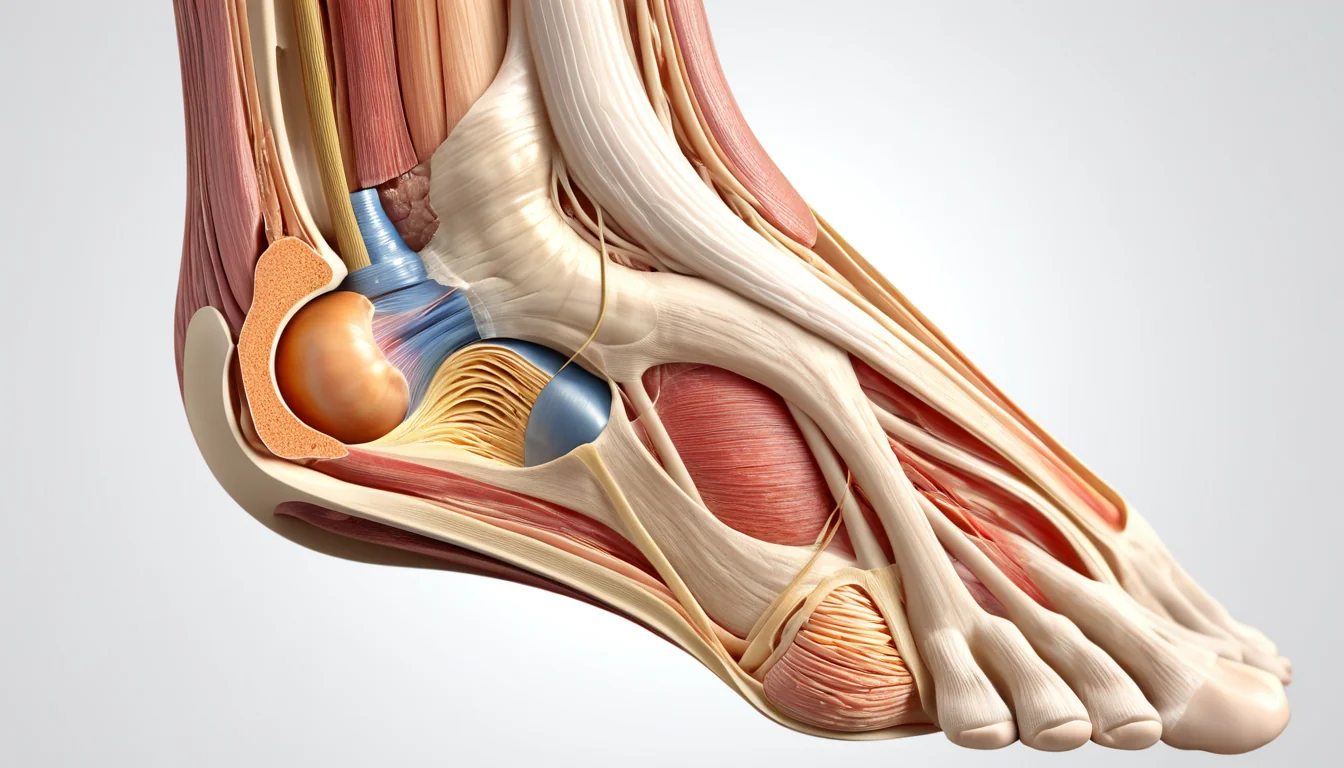
An Achilles tendon rupture is one of the most painful and debilitating injuries that can affect the lower leg, striking suddenly and often sidelining active Canadians for months. This injury occurs when the thick, fibrous tendon connecting the calf muscles to the heel bone tears partially or completely, making it difficult or impossible to walk normally.
What Causes an Achilles Tendon Rupture?
Recognizing Achilles tendon tear symptoms early is essential for getting proper care and achieving the best possible outcome. Whether you are a weekend hockey player, a trail runner, or simply someone who stays active, understanding the causes, risk factors, and treatment options available through the Canadian healthcare system can help you make informed decisions about your recovery.
What Is an Achilles Tendon Rupture?
| Treatment Option | Key Benefits | Considerations | Typical Recovery Timeline |
|---|---|---|---|
| Conservative (Non-Surgical) Management | No surgical risks; no anaesthesia required; suitable for less active individuals or those with medical comorbidities | Higher re-rupture rate (up to 12%); requires strict compliance with immobilization protocol; may result in slightly reduced strength | 6–9 months to full activity; walking boot worn for approximately 8–12 weeks |
| Open Surgical Repair | Lower re-rupture rate (approximately 3–5%); stronger repair; preferred for active individuals and athletes | Risk of wound infection, nerve damage, and deep vein thrombosis; requires general or regional anaesthesia; longer initial recovery | 4–6 months to return to sport; full weight-bearing typically at 6–8 weeks post-op |
| Minimally Invasive (Percutaneous) Surgery | Reduced infection risk compared to open repair; smaller incisions; lower rate of wound complications | Higher risk of sural nerve injury; requires specialized surgical expertise; not universally available across Canadian centres | 4–6 months to return to sport; similar post-operative protocol to open repair |
| Physiotherapy and Rehabilitation | Essential component of all treatment pathways; restores strength, flexibility, and functional mobility; reduces long-term complications | Requires consistent attendance and adherence; access may vary by province; costs may apply without extended health benefits | Ongoing throughout recovery; structured programs typically run 4–6 months |
| Platelet-Rich Plasma (PRP) Therapy | Emerging adjunct therapy; may support tissue healing when combined with standard treatment; non-surgical option | Limited high-quality evidence for Achilles tendon rupture specifically; not covered by provincial health plans; variable availability | Used as a supplement; does not independently shorten overall recovery timeline |
The Achilles tendon is a strong, fibrous cord that connects the muscles at the back of your calf to your heel bone. It helps you point your foot downward, rise up on your toes, and push off the ground when you walk or run. It is the thickest and strongest tendon in the human body.
However, when the tendon is overstretched, it can tear. An Achilles tendon rupture can be partial, where the tendon is only partly torn, or complete, where it snaps entirely. A complete rupture can make normal walking impossible.
For more background on tendon injuries, visit the Mayo Clinic’s overview of Achilles tendon rupture.
Signs and Symptoms to Watch For
Many people describe the moment of injury as feeling like a kick or a gunshot to the back of the leg. Recognizing the symptoms early can help you get the right care faster.
Common signs of an Achilles tendon rupture include:
- A sudden, sharp pain in the back of the ankle or lower leg
- A loud popping or snapping sound at the moment of injury
- Swelling and tenderness near the heel
- Difficulty flexing your foot or pushing off the ground
- Inability to stand on the toes of the injured foot
In a partial rupture, you may still be able to move your foot. However, the pain and swelling will likely still be noticeable. Do not ignore these signs, even if you think you can walk it off.
Partial vs. Complete Rupture
A partial Achilles tendon rupture means some tendon fibres are torn, but the tendon is still connected. A complete rupture means the tendon has snapped in two. Complete ruptures are more severe and almost always require medical attention right away. Your doctor can tell the difference through a physical exam or an MRI scan.
When to See a Doctor
If you hear a pop followed by sudden heel pain and you cannot walk normally, seek medical care immediately. This is not the kind of injury to wait out at home. An Achilles tendon rupture requires prompt treatment to heal properly.
In Canada, you have several options for getting care quickly. You can visit your local emergency department, walk-in clinic, or contact your family doctor. If you do not have a family doctor, most provincial health plans cover emergency and urgent care visits at walk-in clinics. Do not delay, as waiting too long can make the injury harder to treat and repair.
The Health Canada website offers resources to help you find healthcare services in your province or territory.
Common Causes of an Achilles Tendon Rupture
The Achilles tendon is tough, but it is not invincible. Most ruptures happen when sudden stress is placed on a tendon that may already be weakened. The area of the tendon most likely to tear receives less blood flow than the rest, making it more vulnerable to injury and degeneration over time.
Frequent causes of an Achilles tendon rupture include:
- Suddenly increasing the intensity or frequency of physical activity
- Participating in sports that involve jumping, sprinting, or quick direction changes
- Falling from a height and landing awkwardly
- Stepping into a hole or off a curb unexpectedly
Therefore, even everyday activities can lead to this injury if the tendon is already under strain.
Sports That Increase Your Risk
Achilles tendon injuries are especially common in sports that demand explosive movements. In Canada, popular recreational sports that can put you at risk include:
- Running and track
- Basketball
- Soccer
- Tennis and racquet sports
- Hockey
- Volleyball
Weekend warriors, meaning people who are inactive during the week but push hard on weekends, face a particularly high risk. Furthermore, the tendon is less prepared for sudden, intense effort without regular conditioning.
Risk Factors for Achilles Tendon Rupture
Several factors can raise your chances of experiencing an Achilles tendon rupture. Knowing your risk can help you take steps to protect yourself.
- Age: Adults between 30 and 40 years old are most commonly affected. The tendon naturally weakens as we age.
- Sex: Men are up to five times more likely than women to rupture their Achilles tendon.
- Excess body weight: Carrying extra weight puts more stress on the tendon with every step you take.
- Certain medications: Some antibiotics, particularly fluoroquinolones, have been linked to a higher risk of tendon injury. Corticosteroid injections near the tendon can also weaken it over time.
- Previous tendon problems: If you have had tendonitis or other Achilles issues before, your risk is higher.
As a result, it is worth discussing your personal risk with your family doctor, especially before starting a new exercise programme.
How Is an Achilles Tendon Rupture Diagnosed?
When you arrive at a walk-in clinic or emergency department, the doctor will begin with a physical exam. They will check for pain, swelling, and a gap in the tendon just above your heel. One common test is the Thompson test, where you lie face down on the exam table and the doctor squeezes your calf muscle. In a healthy tendon, this causes your foot to flex automatically. If it does not, a rupture is likely.
In addition, the doctor may order an MRI (magnetic resonance imaging) scan. An MRI uses radio waves and a strong magnetic field to create detailed images of the soft tissues inside your body. It is painless and helps confirm whether the rupture is partial or complete. This information guides the best treatment plan for your situation.
Treatment Options for a Ruptured Achilles Tendon
Treatment for an Achilles tendon rupture depends on your age, activity level, overall health, and whether the rupture is partial or complete. Your doctor will help you weigh the benefits and risks of each option.
Surgical Treatment
Surgery is the most common treatment for a complete Achilles tendon rupture, especially in active adults. During the procedure, the surgeon makes a small incision at the back of the lower leg and stitches the torn tendon back together. In some cases, tissue from another tendon may be used to strengthen the repair.
After surgery, your foot will be placed in a cast or walking boot for six to eight weeks. Surgery generally lowers the risk of the tendon tearing again and may lead to a faster return to activity. However, as with any surgery, there are risks, including infection and nerve damage.
Non-Surgical Treatment
Non-surgical treatment involves wearing a special cast or walking boot that holds the foot in a downward position. This allows the torn tendon to reattach and heal on its own over several weeks. This approach avoids the risks associated with surgery, such as infection.
However, the risk of re-rupture is higher with non-surgical treatment. Recovery may also take longer. If the tendon tears again, surgical repair becomes more difficult. Your healthcare provider will help you decide which approach is right for you.
Rehabilitation and Recovery
Regardless of whether you have surgery or not, rehabilitation is a critical part of recovery from an Achilles tendon rupture. A physiotherapist will guide you through exercises to rebuild strength and flexibility in your calf muscles and tendon. Most people return to their previous level of activity within six months. Full recovery for high-level athletes can take up to a year.
For more information on rehabilitation, the Healthline guide to Achilles tendon rupture offers useful detail on what to expect during recovery.
How to Prevent an Achilles Tendon Rupture
You cannot always prevent an Achilles tendon rupture, but you can significantly lower your risk with a few simple habits. Prevention is especially important if you are in a higher-risk group.
- Stretch before and after exercise: Gently stretch your calf muscles and Achilles tendon before activity. Hold each stretch without bouncing.
- Strengthen your calves: Regular calf-strengthening exercises help the tendon absorb impact and handle stress better.
- Increase intensity gradually: Do not jump from low to high activity levels too quickly. Follow a gradual training programme.
- Choose the right footwear: Wear supportive shoes suited to your sport or activity.
- Listen to your body: If you feel pain or tightness in your heel or calf, rest and seek advice before pushing through.
In addition, if you take any medications that may affect tendon health, ask your pharmacist or doctor about the risks during your next visit.
Frequently Asked Questions
How do I know if I have an Achilles tendon rupture?
The most common sign of an Achilles tendon rupture is a sudden, sharp pain at the back of the ankle, often with a loud popping sound at the moment of injury. You may also notice swelling near the heel and difficulty walking or standing on your toes. If you experience these symptoms, visit a walk-in clinic or emergency department as soon as possible.
Can an Achilles tendon rupture heal without surgery?
Yes, in some cases an Achilles tendon rupture can heal without surgery using a cast or walking boot. However, the non-surgical approach carries a higher risk of re-rupture and may result in a longer recovery time. Your doctor will help you decide which treatment is most appropriate for your age and activity level.
How long does recovery from an Achilles tendon rupture take?
Most people recover from an Achilles tendon rupture within six months with proper treatment and physiotherapy. Return to high-impact sports may take up to a year. Following your rehabilitation programme consistently is the most important factor in a successful recovery.
Is an Achilles tendon rupture covered by provincial health plans in Canada?
Yes, emergency diagnosis and treatment for an Achilles tendon rupture, including surgery if needed, is generally covered under provincial health insurance plans across Canada. Physiotherapy coverage varies by province, so check with your provincial health authority or a supplemental insurance plan for details.
What sports put you at the highest risk for an Achilles tendon rupture?
Sports that involve explosive jumping, sprinting, and sudden stops place the most stress on the Achilles tendon. In Canada, hockey, basketball, soccer, tennis, and running are among the activities most commonly linked to this type of injury. Warming up properly and building fitness gradually can help reduce your risk.
Should I go to the emergency room or a walk-in clinic for a suspected Achilles tendon rupture?
According to Mayo Clinic’s guide to Achilles tendon rupture, this information is supported by current medical research.
For more information, read our guide on ankle sprain symptoms and treatment in Canada.
If you cannot walk or bear weight on your foot after a suspected Achilles tendon rupture, go to the nearest emergency room right away. If the pain is significant but you can still hobble, a walk-in clinic can assess you quickly and refer you for imaging or specialist care if needed. Either way, do not delay seeking medical attention.
Key Takeaways
- An Achilles tendon rupture is a serious injury that affects the back of the lower leg, most often in adults aged 30 to 40.
- The most common signs are a sudden popping sound, sharp heel pain, swelling, and difficulty walking.
- Causes include sudden increases in physical activity, recreational sports, and falls.
- Treatment options include surgery or a cast and walking boot, followed by a structured rehabilitation programme.
- Most people return to their normal activity level within six months with proper care.
- You can lower your risk by stretching regularly, strengthening your calves, and increasing activity levels gradually.
- Always speak with your family doctor, walk-in clinic provider, or a specialist before making decisions about your treatment. This article is for general information only and does not replace professional medical advice.
Frequently Asked Questions
What is an Achilles tendon rupture?
An Achilles tendon rupture is a complete or partial tear of the thick fibrous band connecting your calf muscles to your heel bone. It typically occurs during sudden bursts of physical activity. The injury causes immediate pain, swelling, and difficulty walking or pushing off the affected foot.
What are the symptoms of an Achilles tendon rupture?
Common symptoms include a sudden sharp pain in the back of the ankle, often described as being kicked or struck. You may hear a loud pop at the moment of injury. Other signs include swelling, bruising, weakness in the foot, and inability to rise onto your toes normally.
How is an Achilles tendon rupture treated in Canada?
Treatment options include surgical repair or conservative management using a walking boot or cast to immobilize the tendon. Canadian orthopedic specialists assess age, activity level, and rupture severity before recommending an approach. Both methods are followed by physiotherapy to restore strength, flexibility, and full function over several months.
When should you see a doctor for an Achilles tendon rupture?
Seek immediate medical attention if you experience sudden severe heel or calf pain, hear a popping sound, or cannot walk normally after physical activity. Early diagnosis through physical examination or ultrasound is essential. Delaying treatment increases complications and can significantly extend your recovery time.
Can you prevent an Achilles tendon rupture?
You can reduce your risk by warming up properly before exercise, gradually increasing training intensity, and regularly stretching your calf muscles. Wearing supportive footwear, maintaining a healthy weight, and strengthening lower leg muscles also help. Avoid sudden increases in physical activity, especially after a period of inactivity.

About the Author
Dr. James Okafor, MD, PhDDr. James Okafor holds an MD and PhD in Neurological Sciences from McGill University. With 12 years of experience in clinical neurology and mental health research, he has contributed to landmark studies on depression, anxiety, and cognitive health. Dr. Okafor is a Fellow of the Royal College of Physicians and Surgeons of Canada and serves on the editorial board of two peer-reviewed journals.
View all articles →