Diaper Rash: Causes, Treatment & Prevention in Canada

Share
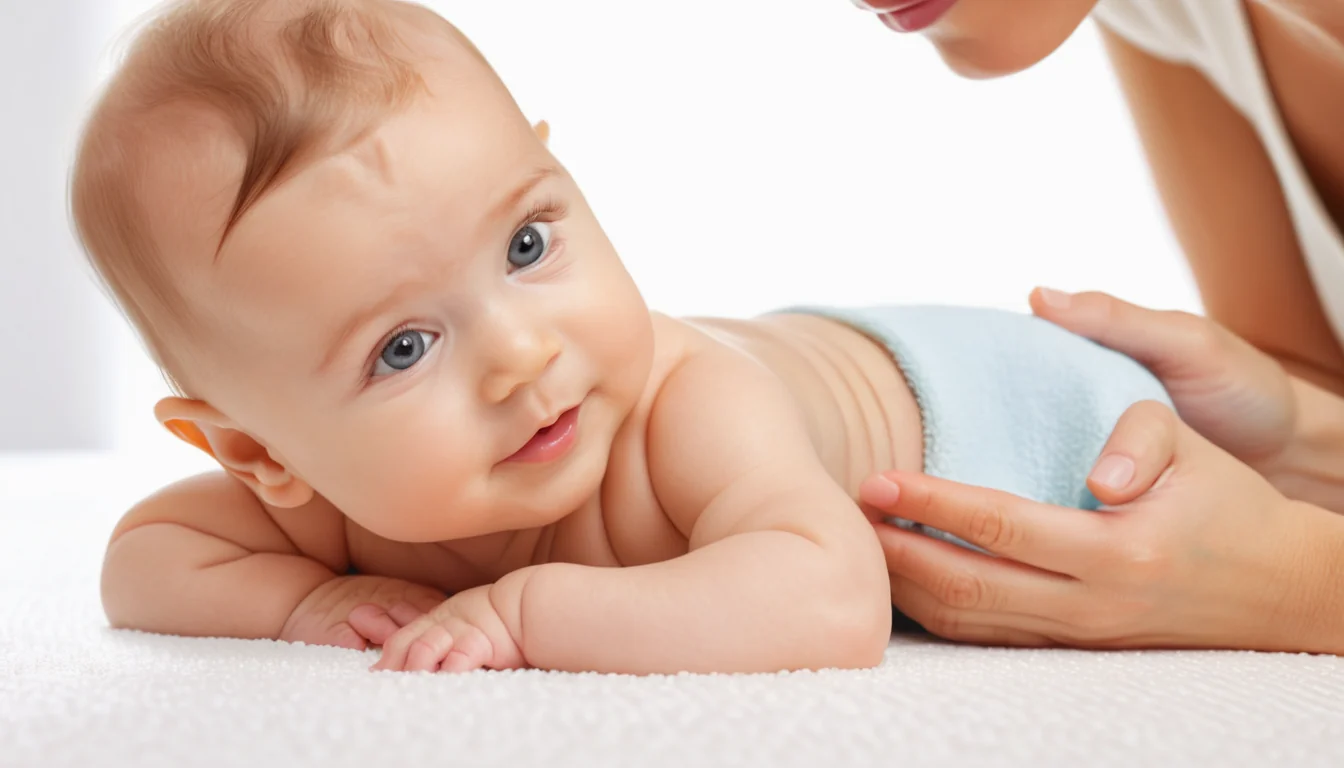
Diaper rash is the most common skin condition affecting babies across Canada, appearing as red, irritated patches on the bottom, thighs, and genital area covered by a diaper. Nearly every baby will experience it at least once, but the good news is that most cases clear up within a few days with simple home care.
How to Treat Diaper Rash at Home in Canada
Understanding the causes of diaper rash and knowing effective diaper rash treatment options can help Canadian parents respond quickly and keep their baby comfortable. In this guide, we explain the symptoms to watch for, the best home remedies recommended by Canadian paediatricians, and when it is time to see a doctor.
What Is Diaper Rash?
| Type | Characteristics | Severity | Management |
|---|---|---|---|
| Irritant Contact Diaper Rash | Red, chafed skin in areas touching wet or soiled diapers; spares skin folds | Mild to Moderate | Frequent diaper changes, zinc oxide barrier cream, allow air exposure |
| Candidal (Yeast) Diaper Rash | Bright red rash with raised borders, satellite lesions, affects skin folds | Moderate | Topical antifungal cream (e.g., clotrimazole); available over the counter in Canada |
| Allergic Contact Diaper Rash | Redness and swelling matching the shape of diaper or wipe contact area | Mild to Moderate | Switch to fragrance-free diapers and wipes, apply hydrocortisone 0.5% if recommended by a healthcare provider |
| Bacterial Diaper Rash | Yellow crusting, blistering, or oozing; may involve deeper skin layers | Moderate to Severe | Requires prescription topical or oral antibiotics; consult a physician or nurse practitioner |
| Seborrheic Diaper Rash | Yellowish, greasy scales on red skin; often appears alongside cradle cap | Mild | Gentle cleansing, low-potency topical corticosteroid if advised by a healthcare provider |
Diaper rash is a form of skin inflammation (dermatitis) that affects the area under your baby’s diaper. The skin becomes red, warm, and tender to the touch. In most cases, it is not serious and responds well to home treatment.
It is most common in babies between 8 and 10 months of age. However, it can appear at any point while your child is in diapers. It tends to show up more often when solid foods are introduced, when a breastfeeding mother changes her diet, or when a baby takes antibiotics.
Signs and Symptoms of Diaper Rash
Knowing what to look for helps you act quickly. Diaper rash typically causes the following symptoms in your baby.
Skin Changes
The most obvious sign is red, puffy, and tender skin in the diaper area. This includes the buttocks, inner thighs, and genitals. The skin may look raw or feel warm when you touch it.
Changes in Your Baby’s Behaviour
A baby with diaper rash often becomes fussy or irritable, especially during diaper changes. Your baby may cry or whimper when the affected area is washed or touched. This change in behaviour is a clear signal that something is bothering them.
Diaper rash can come and go throughout the time your child wears diapers. However, it appears most often in the first 15 months of life. If you notice the rash getting worse or spreading, it is time to take action.
Common Causes of Diaper Rash
Understanding the cause helps you choose the right treatment. There are several reasons diaper rash develops in babies.
Prolonged Exposure to Moisture
Leaving a wet or soiled diaper on for too long is the most common cause of diaper rash. Urine and stool break down the skin’s natural protective barrier. Stool is especially irritating to a baby’s sensitive skin. Babies who have frequent bowel movements are at higher risk.
Introducing New Foods
When babies start eating solid foods — usually between 4 and 12 months — the content of their stool changes. This increases the chance of skin irritation. For breastfed babies, changes in the mother’s diet can also trigger a reaction. For example, foods like tomatoes or citrus in a mother’s diet can sometimes affect her baby’s skin.
Reaction to a New Product
A new brand of diapers, baby wipes, laundry detergent, or fabric softener can irritate sensitive skin. Baby lotions, powders, and oils may also contain ingredients that cause a reaction. Therefore, it is worth checking labels carefully when switching products.
Bacterial or Fungal Infection
The warm, moist environment under a diaper is ideal for bacteria and fungi to grow. A simple rash can sometimes develop into a fungal (yeast) or bacterial infection. These infections usually start in the skin folds and spread outward as small red dots. A fungal diaper rash often looks brighter red and does not improve with standard home treatment.
Sensitive Skin Conditions
Babies who have eczema or atopic dermatitis have more sensitive skin and are more prone to diaper rash. However, eczema and atopic dermatitis usually appear on other parts of the body first, not just the diaper area.
Antibiotic Use
Antibiotics kill both harmful and helpful bacteria in the body. Without the helpful bacteria, yeast can grow more easily, leading to a fungal diaper rash. This can happen when your baby takes antibiotics directly, or when a breastfeeding mother takes antibiotics.
How to Treat Diaper Rash at Home
Most cases of diaper rash improve quickly with simple home care. In addition, you do not need a prescription for the most effective treatments. Here is what you can do right away.
Change Diapers Frequently
Change your baby’s diaper as soon as it becomes wet or soiled. Keeping the skin dry is the single most important step. If your baby is in daycare, ask the staff to change diapers more often when a rash is present.
Clean the Area Gently
At each diaper change, gently clean the entire diaper area with warm water. You can use a sink, a small basin, or a squeeze bottle of water. Soft cloth wipes or cotton pads work well. Avoid baby wipes that contain alcohol or fragrance, as these can make the irritation worse.
Pat Dry — Never Rub
After cleaning, gently pat the skin dry with a clean, soft towel. Rubbing the skin can cause further irritation. Make sure the skin is fully dry before putting on a fresh diaper.
Apply a Barrier Cream
Apply a thick layer of zinc oxide cream or petroleum jelly to the affected area. These products are available without a prescription at any Canadian pharmacy. They create a protective barrier between the skin and moisture. According to Mayo Clinic’s diaper rash treatment guidelines, zinc oxide creams are among the most effective over-the-counter options.
Let the Skin Breathe
Give your baby some diaper-free time each day. Even short periods with the skin exposed to air help it dry out naturally. Lay your baby on a large, clean towel and keep them entertained with a toy. This simple step can speed up healing significantly.
Do Not Fasten Diapers Too Tightly
A diaper that is too tight traps heat and moisture, which makes diaper rash worse. It can also cause chafing at the waist and legs. Fasten diapers snugly but with enough room for airflow.
When to See a Doctor
Diaper rash usually clears up within two to three days of starting home treatment. However, some cases need medical attention. You should contact your family doctor or visit a walk-in clinic if you notice any of the following.
- The rash does not improve after two to three days of home treatment
- Your baby develops a fever
- Blisters or open sores appear on the skin
- The rash spreads beyond the diaper area
- You notice pus or fluid leaking from the rash
- The rash looks very bright red, especially in the skin folds
A doctor may prescribe a mild antifungal or antibiotic cream if an infection is present. Do not use prescription-strength steroid creams on your baby’s diaper area unless your doctor specifically tells you to. As Health Canada advises on consumer drug safety, always follow your healthcare provider’s guidance when using any medicated product on infants.
Your provincial health plan covers visits to your family doctor for concerns like diaper rash. If your regular doctor is unavailable, a walk-in clinic is a convenient option. You do not need a referral.
How to Prevent Diaper Rash
Prevention is always easier than treatment. Furthermore, most cases of diaper rash are preventable with a few simple habits.
Keep the Skin Clean and Dry
Change diapers frequently throughout the day and night. Clean the diaper area thoroughly at every change. Dry the skin completely before putting on a new diaper.
Choose the Right Products
Use gentle, fragrance-free wipes, detergents, and baby care products. If you use cloth diapers, rinse them thoroughly after washing. Avoid fabric softeners with fragrance, as these can irritate your baby’s skin.
Apply a Barrier Cream Regularly
Even when there is no rash, applying a thin layer of zinc oxide cream at each diaper change helps protect the skin. This is especially useful for babies who are prone to diaper rash or who have frequent bowel movements.
Be Careful When Introducing New Foods
When starting solid foods, introduce one new food at a time. This makes it easier to identify any foods that may be causing a reaction. If you are breastfeeding, take note of whether changes in your own diet seem to affect your baby’s skin. Healthline’s guide to diaper rash in babies offers additional tips on managing diet-related skin reactions.
Frequently Asked Questions About Diaper Rash
How long does diaper rash usually last?
Most cases of diaper rash clear up within two to three days with proper home care. Frequent diaper changes, gentle cleaning, and a barrier cream like zinc oxide are usually enough. If the rash lasts longer than three days or gets worse, see your family doctor or visit a walk-in clinic.
What is the best cream for diaper rash?
Zinc oxide cream is widely considered the most effective over-the-counter treatment for diaper rash. It creates a protective barrier that keeps moisture away from the skin and allows healing. Petroleum jelly is another good option and is available at any Canadian pharmacy without a prescription.
Can diaper rash be caused by a yeast infection?
Yes, diaper rash can develop into a yeast (fungal) infection, especially if the rash does not improve with standard home treatment. A yeast-related diaper rash tends to look very bright red and may have small red dots around the edges. Your doctor can prescribe an antifungal cream to treat it.
Is diaper rash more common with cloth or disposable diapers?
Either type of diaper can cause diaper rash if not changed frequently enough. Cloth diapers may harbour bacteria if not washed and rinsed properly. Disposable diapers sometimes contain fragrances or chemicals that irritate sensitive skin. The most important factor is how often you change the diaper, not the type.
Can my diet cause diaper rash in my breastfed baby?
Yes, in some cases a breastfeeding mother’s diet can contribute to diaper rash in her baby. Foods like tomatoes, citrus fruits, and spicy foods may change the composition of breast milk and affect the baby’s stool. If you notice a pattern, try eliminating one food at a time and speak with your family doctor for guidance.
When should I take my baby to the doctor for diaper rash?
You should see a doctor if the diaper rash does not improve after two to three days of home treatment, or if your baby develops a fever, blisters, or pus. A bright red rash in the skin folds that spreads quickly may be a sign of infection. Your family doctor or a walk-in clinic can assess the rash and recommend the right treatment.
Key Takeaways
- Diaper rash is the most common skin condition in babies and usually clears up within a few days.
- The main causes include prolonged moisture, new foods, new products, infections, and antibiotic use.
- Change diapers frequently and clean the skin gently at every change.
- Apply a zinc oxide barrier cream to protect and heal irritated skin.
- Give your baby some diaper-free time each day to let the skin breathe.
- See your family doctor or visit a walk-in clinic if the rash worsens, spreads, or does not improve in two to three days.
- Always consult your doctor before using any medicated cream on your baby’s skin.
According to Mayo Clinic’s guide to diaper rash symptoms and causes, this information is supported by current medical research.
For more information, read our guide on first aid and recovery tips for common childhood injuries.
This article is for informational purposes only and does not replace professional medical advice. If you have concerns about your baby’s health, please speak with your family doctor or a qualified healthcare provider.
Frequently Asked Questions
What is diaper rash?
Diaper rash is a common skin irritation that develops in the diaper area, causing red, inflamed, and tender skin. It occurs when a baby’s sensitive skin is exposed to prolonged moisture, friction, or irritants from urine and stool. It affects most babies at some point and is generally mild and treatable at home.
What are the symptoms of diaper rash in babies?
Symptoms include red, puffy, or raw-looking skin in the diaper area, including the buttocks, thighs, and genitals. Your baby may appear fussier than usual, especially during diaper changes. In more severe cases, you may notice blisters, sores, or skin that bleeds, which could indicate a bacterial or yeast infection.
How do you treat diaper rash quickly?
Treat diaper rash by changing diapers frequently, gently cleaning the area with warm water, and applying a thick zinc oxide barrier cream at each change. Allow skin to air-dry before re-diapering. Avoid wipes containing fragrance or alcohol. Most mild rashes improve within two to three days with consistent home care.
How can you prevent diaper rash?
Prevent diaper rash by changing diapers promptly after soiling, cleaning skin thoroughly but gently, and applying a protective barrier cream with each diaper change. Choose fragrance-free diapers and wipes, ensure diapers aren’t too tight, and allow regular diaper-free time to keep the skin dry and well-ventilated.
When should I take my baby to the doctor for a diaper rash?
See a doctor if the rash doesn’t improve after two to three days of home treatment, spreads beyond the diaper area, or includes blisters, open sores, or yellow crusting. Also seek medical attention if your baby develops a fever, as these signs may indicate a bacterial or fungal infection requiring prescription treatment.

About the Author
Dr. James Okafor, MD, PhDDr. James Okafor holds an MD and PhD in Neurological Sciences from McGill University. With 12 years of experience in clinical neurology and mental health research, he has contributed to landmark studies on depression, anxiety, and cognitive health. Dr. Okafor is a Fellow of the Royal College of Physicians and Surgeons of Canada and serves on the editorial board of two peer-reviewed journals.
View all articles →