
Pituitary Tumours: Symptoms, Types & Treatment Canada

Share
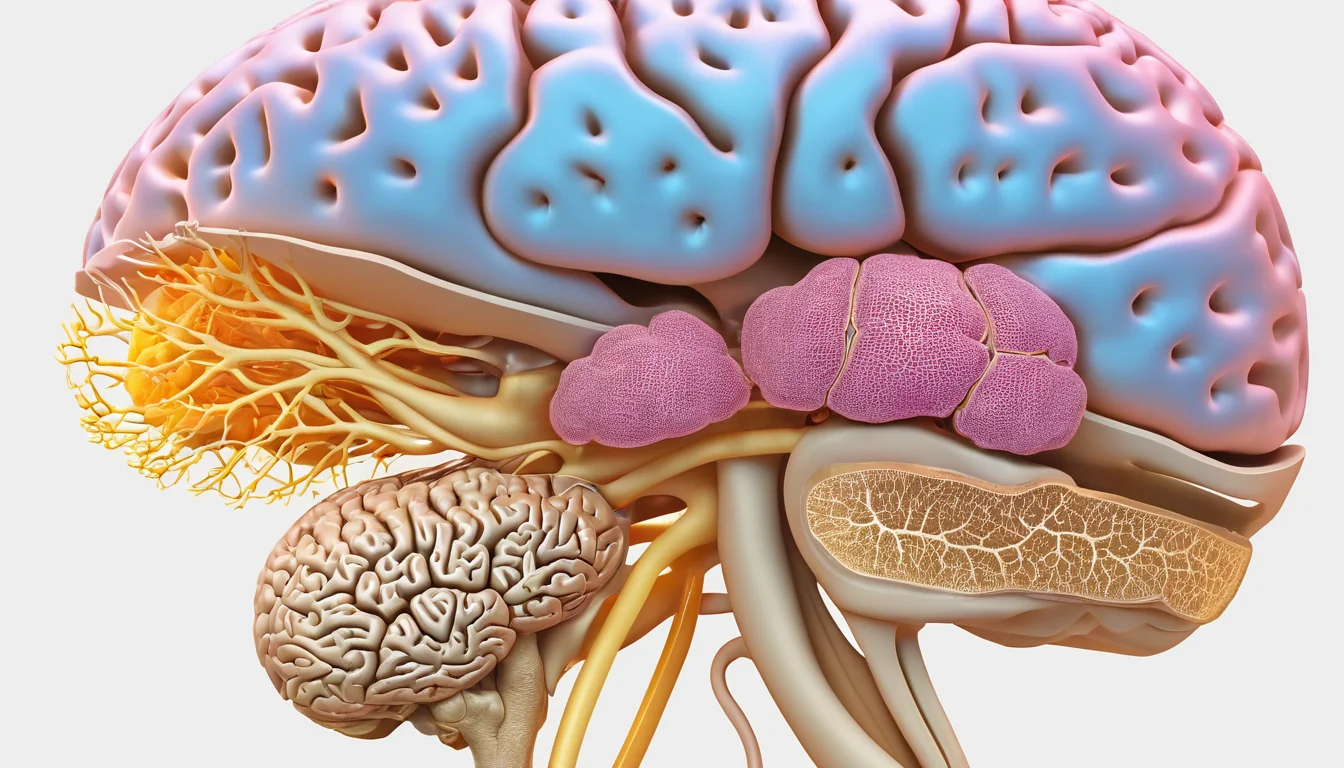
Pituitary tumours are abnormal growths that develop in the pituitary gland, a pea-sized but vital gland located at the base of the brain. More common than most Canadians realize, these tumours account for 10 to 25% of all intracranial tumours — yet the majority are non-cancerous and respond well to modern treatment.
How Pituitary Tumours Are Diagnosed and Treated in Canada
Because the pituitary gland controls critical hormones that regulate growth, metabolism, reproduction, and stress response, even a small pituitary adenoma can cause wide-ranging pituitary gland tumour symptoms that affect your daily life. This guide explains how these tumours are classified, what warning signs to watch for, and how they are diagnosed and treated across Canada.
What Is the Pituitary Gland?
| Type of Pituitary Tumour | Key Characteristics | Common Symptoms | Primary Management |
|---|---|---|---|
| Prolactinoma | Most common type; produces excess prolactin; can be micro (<10mm) or macroadenoma (>10mm) | Irregular periods, breast milk production, reduced libido, infertility | Dopamine agonist medications (cabergoline, bromocriptine); surgery if medication fails |
| Corticotroph Adenoma (ACTH-secreting) | Causes Cushing’s disease; overproduces adrenocorticotropic hormone; often small and difficult to detect on imaging | Weight gain, facial rounding, stretch marks, high blood pressure, easy bruising | Transsphenoidal surgery as first-line treatment; radiation or medical therapy if surgery unsuccessful |
| Somatotroph Adenoma (GH-secreting) | Produces excess growth hormone; causes acromegaly in adults or gigantism in children; often large at diagnosis | Enlarged hands and feet, facial changes, joint pain, excessive sweating, sleep apnea | Surgery followed by somatostatin analogues (octreotide, lanreotide); radiation therapy considered if needed |
| Non-functioning Adenoma | Does not secrete hormones; second most common type; typically grows larger before causing symptoms | Headaches, vision problems, hormonal deficiencies due to compression of surrounding tissue | Active surveillance for small tumours; transsphenoidal surgery for larger or symptomatic tumours |
| Craniopharyngioma | Rare, benign tumour arising near the pituitary gland; more common in children and adults over 50; not a true pituitary adenoma | Vision loss, headaches, delayed growth in children, hormone deficiencies, obesity | Surgery and/or radiation therapy; long-term hormone replacement therapy typically required |
The pituitary gland is about the size of a pea. Despite its small size, it controls many important body functions. It does this by releasing hormones that affect other glands and organs throughout the body.
These hormones help regulate growth, metabolism, reproduction, and stress response. Because the pituitary gland plays such a central role in the body’s hormonal system, a tumour in this gland can have wide-ranging effects on your health. For more background, you can visit Health Canada’s official health information portal.
Types of Pituitary Tumours
Not all pituitary tumours are the same. Doctors classify them into three main groups based on how they behave in the body. Understanding the type of tumour helps guide treatment decisions.
Benign Adenomas
Benign adenomas are the most common type of pituitary tumour. They are not cancerous and grow very slowly. Importantly, they do not spread to other parts of the body. However, they can still cause problems by pressing on nearby structures or producing too many hormones.
Invasive Adenomas
Invasive adenomas can grow into nearby bone or the sinuses located below the pituitary gland. They make up about 35% of all pituitary tumours. These tumours are still not considered cancerous, but they are more difficult to treat because of where they spread.
Pituitary Carcinomas
Pituitary carcinomas are true cancers of the pituitary gland. They can spread to the brain, spinal cord, or other parts of the body. Fortunately, carcinomas are very rare — they represent only 0.1 to 0.2% of all pituitary tumours.
How Pituitary Tumours Are Classified by Size
Doctors also classify pituitary tumours based on their size. This is important because size affects symptoms and treatment options.
There are two main size categories:
- Microadenomas — tumours smaller than 10 millimetres in diameter. These are the most common. They often cause no symptoms at all.
- Macroadenomas — tumours larger than 1 centimetre in diameter. These are more likely to press on nearby nerves and cause noticeable symptoms.
Macroadenomas can be further divided into encapsulated (contained within a shell) or invasive (spreading into surrounding tissue). Doctors use detailed imaging tests to determine the size and extent of the tumour.
Radiological Staging
Radiological staging helps doctors understand how advanced a pituitary tumour is. There are four stages:
- Stage 1 — A small tumour under 1 cm with no extension beyond its normal space.
- Stage 2 — A macroadenoma that may extend slightly beyond its normal boundaries.
- Stage 3 — A macroadenoma that extends upward and invades surrounding tissue.
- Stage 4 — A macroadenoma that destroys the sella turcica (the bony pocket that holds the pituitary gland) and spreads widely.
Symptoms of Pituitary Tumours
Many pituitary tumours cause no symptoms at all, especially when they are small. In fact, many are found by accident during brain scans done for other reasons. However, when symptoms do appear, they fall into two main categories.
Symptoms From Hormone Changes
Some pituitary tumours produce excess hormones. This can cause a wide range of symptoms depending on which hormone is affected. For example, a tumour called a prolactinoma produces too much prolactin. In women, this can cause irregular periods or unexpected milk production from the breasts (called galactorrhoea). In men, it can cause reduced sex drive or infertility.
Other hormone-related symptoms may include:
- Unexplained weight gain or weight loss
- Fatigue and low energy
- Changes in mood or behaviour
- Diabetes or blood sugar problems
- Insomnia or disrupted sleep
- Abnormal growth in hands, feet, or facial features
Symptoms From Tumour Pressure
As a tumour grows, it can press on nearby structures in the brain. This often causes headaches that are persistent and hard to relieve. It can also press on the optic nerves, leading to vision problems such as loss of peripheral (side) vision.
In more advanced cases, larger tumours may cause nausea, vomiting, or difficulty with balance. These symptoms should never be ignored.
How Pituitary Tumours Are Diagnosed
Diagnosing a pituitary tumour involves a combination of blood tests, hormone panels, and medical imaging. Your family doctor will usually refer you to a specialist — most likely an endocrinologist (a hormone specialist) or a neurologist.
Hormone Blood Tests
Blood tests can measure hormone levels in the body. Abnormal levels may suggest a pituitary tumour is producing too much or too little of a specific hormone. These tests are simple and are usually covered under provincial health plans across Canada.
Imaging Tests for Pituitary Tumours
Imaging is essential for confirming a pituitary tumour diagnosis. The most important imaging tools include:
- MRI (Magnetic Resonance Imaging) — This is the preferred method. MRI produces highly detailed images that can clearly show soft tissue, making it ideal for spotting pituitary tumours. It can show the tumour’s size, location, and relationship to nearby structures like the optic nerves. T1-weighted MRI is the standard technique used for this purpose.
- CT Scan (Computed Tomography) — CT scans are useful when MRI is not available or not suitable. They can also detect calcium deposits within a tumour. However, CT provides less detail than MRI for this type of diagnosis.
- PET Scan (Positron Emission Tomography) — PET scans help distinguish between normal and abnormal tissue based on metabolic activity. They are used in more complex or advanced cases.
MRI is currently the gold standard for diagnosing pituitary tumours. It can take images from multiple angles — axial, coronal, and sagittal — giving doctors a complete picture of the gland and surrounding structures. You can learn more about imaging tests at Mayo Clinic’s pituitary tumour diagnosis guide.
Treatment Options in Canada
Treatment for pituitary tumours depends on the type, size, and whether the tumour is producing hormones. Your specialist will discuss all options with you and recommend the best approach based on your individual situation.
Common treatment approaches include:
- Watchful waiting — For small, slow-growing tumours that cause no symptoms, doctors may recommend regular monitoring with MRI and blood tests. This approach avoids unnecessary treatment while keeping a close eye on the tumour.
- Medication — Certain medications can shrink hormone-producing tumours or block excess hormone production. Prolactinomas, for example, often respond very well to medication alone.
- Surgery — When a tumour is large or pressing on nerves, surgery is often needed. The most common approach is transsphenoidal surgery, where the surgeon removes the tumour through the nose — no open brain surgery is required.
- Radiation therapy — Radiation may be used after surgery to destroy remaining tumour cells or as a primary treatment when surgery is not possible.
Most Canadians can access these treatments through their provincial health plan with a specialist referral. Talk to your family doctor about the referral process in your province. For additional information on brain tumour treatments, Healthline’s pituitary tumour overview is a helpful resource.
When to See a Doctor
You should speak with your family doctor if you notice any unexplained changes in your health, especially symptoms related to hormones or vision. Do not wait to see if symptoms go away on their own.
Visit a walk-in clinic if you cannot get a quick appointment with your family doctor and your symptoms are bothering you. Early diagnosis leads to better outcomes for most pituitary tumours.
Seek emergency care immediately if you suddenly develop a severe headache unlike any you have had before, sudden vision loss, or extreme confusion. These could be signs of a serious complication called pituitary apoplexy (sudden bleeding into the tumour).
Important: This article is for general information only. Always consult your doctor or a qualified healthcare provider for a proper diagnosis and personalized treatment advice.
Frequently Asked Questions About Pituitary Tumours
Are pituitary tumours dangerous?
Most pituitary tumours are benign (non-cancerous) and are not life-threatening. However, they can cause serious health problems if they press on nearby nerves or produce excess hormones. With proper diagnosis and treatment, most people with pituitary tumours do very well.
What are the early warning signs of a pituitary tumour?
Early signs of a pituitary tumour can include persistent headaches, unexpected changes in vision, fatigue, and hormonal symptoms such as irregular periods or unexplained weight changes. Because these symptoms are common to many conditions, a pituitary tumour is often found during tests for other health issues. See your family doctor if you are concerned about any of these symptoms.
Can pituitary tumours be cured?
Many pituitary tumours can be successfully treated or managed long-term. Some tumours, especially prolactinomas, respond very well to medication and may shrink significantly. Surgery and radiation therapy are also effective for many patients diagnosed with pituitary tumours.
How are pituitary tumours diagnosed in Canada?
In Canada, pituitary tumours are typically diagnosed through a combination of blood hormone tests and MRI imaging. Your family doctor will refer you to an endocrinologist or neurologist for specialist care. These tests and specialist visits are generally covered under provincial health plans.
Do pituitary tumours cause weight gain?
Yes, some pituitary tumours can cause weight gain by disrupting the hormones that control metabolism. For example, tumours that affect cortisol or thyroid-stimulating hormone production can lead to noticeable changes in body weight. If you experience unexplained weight changes alongside other symptoms, speak to your doctor about the possibility of a hormonal condition.
Are pituitary tumours hereditary?
According to Mayo Clinic’s comprehensive guide on pituitary tumours, this information is supported by current medical research.
For more information, read our guide on learn about bone fracture symptoms, first aid, and recovery in Canada.
Most pituitary tumours occur randomly and are not inherited. However, in rare cases, they can be linked to genetic conditions such as Multiple Endocrine Neoplasia Type 1 (MEN1). If you have a family history of pituitary tumours or related hormone disorders, mention this to your family doctor so they can assess your risk.
Key Takeaways
- Pituitary tumours form in the pituitary gland, a small gland at the base of the brain that controls many hormones.
- Most pituitary tumours are benign adenomas and are not cancerous.
- Tumours are classified by type (benign, invasive, or carcinoma) and size (microadenoma or macroadenoma).
- Common symptoms include headaches, vision changes, fatigue, and hormonal imbalances.
- MRI is the gold-standard imaging tool for diagnosing pituitary tumours in Canada.
- Treatment options include watchful waiting, medication, surgery, and radiation — often covered by provincial health plans.
- See your family doctor or a walk-in clinic if you experience unexplained hormonal symptoms or persistent headaches.
- Always consult a qualified healthcare provider before making any decisions about your health.
Frequently Asked Questions
What are pituitary tumours?
Pituitary tumours are abnormal growths that develop in the pituitary gland, a small pea-sized gland at the base of the brain. Most are benign (non-cancerous) and called adenomas. They can affect hormone production, causing various health problems throughout the body depending on their size and type.
What are the symptoms of pituitary tumours?
Common symptoms include persistent headaches, vision problems (especially peripheral vision loss), unexplained weight gain or loss, fatigue, and hormonal imbalances. Symptoms vary depending on whether the tumour produces excess hormones or presses on surrounding brain structures. Many pituitary tumours are discovered incidentally during imaging for unrelated conditions.
How are pituitary tumours treated in Canada?
Treatment depends on tumour type, size, and hormone activity. Options include active surveillance, medications to control hormone levels, surgery (typically minimally invasive transsphenoidal surgery through the nose), and radiation therapy. Canadian patients are typically managed by an endocrinologist, neurosurgeon, and ophthalmologist working as a multidisciplinary team.
Can pituitary tumours be prevented?
Currently, there is no known way to prevent pituitary tumours. Most develop sporadically without a clear cause. A small percentage are linked to inherited genetic conditions like Multiple Endocrine Neoplasia type 1 (MEN1). Genetic counselling may be recommended if you have a family history of endocrine tumours.
When should I see a doctor about a possible pituitary tumour?
See a doctor promptly if you experience sudden severe headaches, sudden vision changes or loss, unexplained hormonal symptoms such as irregular periods, erectile dysfunction, or abnormal growth. Seek emergency care immediately if you experience sudden vision loss or a severe thunderclap headache, which may indicate pituitary apoplexy.

About the Author
Dr. Michael Ross, MD, FRCSCDr. Michael Ross is a fellowship-trained orthopedic surgeon at the University of Alberta Hospital, specializing in joint replacement and sports medicine. A Fellow of the Royal College of Surgeons of Canada (FRCSC), he has over 18 years of surgical experience and has authored multiple textbook chapters on musculoskeletal health. Dr. Ross is passionate about patient education and evidence-based medicine.
View all articles →