Bacterial folliculitis in children is one of the most common skin infections Canadian parents encounter, causing red, swollen bumps around the tiny pockets where hair grows. These bumps may fill with pus, feel tender, and appear on nearly any part of a child’s body. While the condition is contagious and can look alarming, the good news is that most cases resolve quickly with the right care.
How to Identify and Treat Bacterial Folliculitis in Children
Understanding the symptoms and causes of a child skin infection in the hair follicle is essential for early detection and effective treatment. In Canada, bacterial folliculitis affects children and teenagers of all ages, most often caused by Staphylococcus aureus bacteria. Whether your child develops a mild surface-level case or a deeper infection, knowing when to treat at home and when to visit a healthcare provider can make all the difference in a swift recovery.
What Is Bacterial Folliculitis?
Treatment Options for Bacterial Folliculitis in Children
| Treatment Option | How It Works | Benefits | Considerations |
|---|---|---|---|
| Topical Antibiotics (e.g., Mupirocin/Fucidin) | Applied directly to affected follicles to eliminate surface bacteria such as Staphylococcus aureus | Targeted treatment with minimal systemic side effects; available by prescription in Canada | Best for mild to moderate cases; apply 2–3 times daily for 7–10 days; resistance can develop with overuse |
| Oral Antibiotics (e.g., Cephalexin, Cloxacillin) | Systemic antibiotic that targets bacterial infection from within | Effective for widespread or severe folliculitis; clears deeper skin infections | Requires prescription; typical course is 7–14 days; may cause gastrointestinal upset in children |
| Warm Compresses | Promotes drainage of infected follicles and increases local blood flow to aid healing | Safe, non-pharmacological; provides symptom relief and can be used alongside other treatments | Apply for 10–15 minutes, 3–4 times daily; ensure cloth is clean to prevent spreading infection |
| Antiseptic Washes (e.g., Chlorhexidine) | Reduces bacterial load on the skin surface to prevent spread and recurrence | Helpful for children prone to recurrent infections; reduces colonization of S. aureus | Avoid contact with eyes; dilute appropriately for children’s sensitive skin; use 2–3 times per week |
| Proper Hygiene Measures | Removes bacteria through regular cleansing and prevents re-infection of hair follicles | Cost-effective; supports recovery and reduces household transmission | Use mild, fragrance-free soap; launder bedding and towels frequently; avoid sharing personal items |
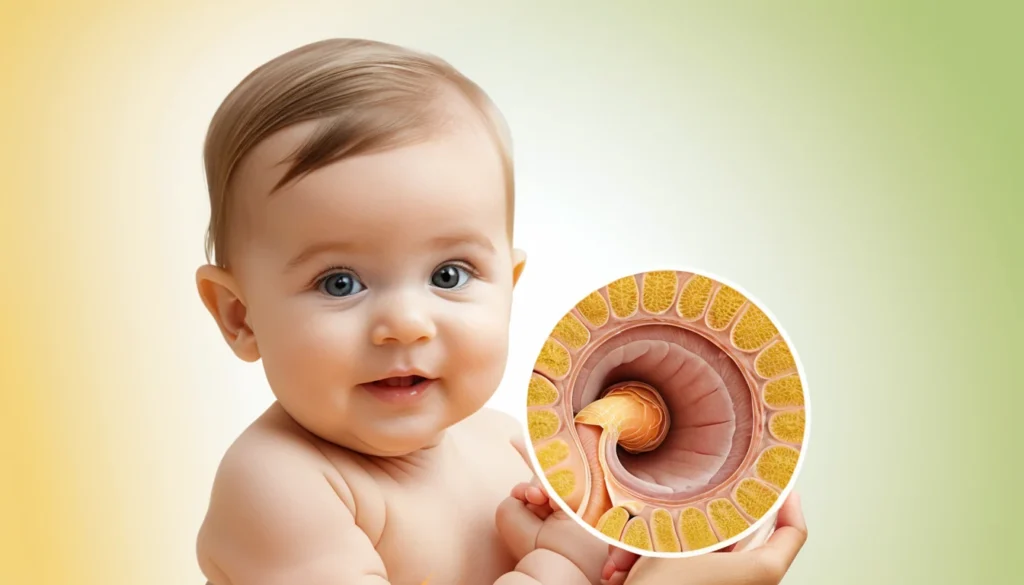
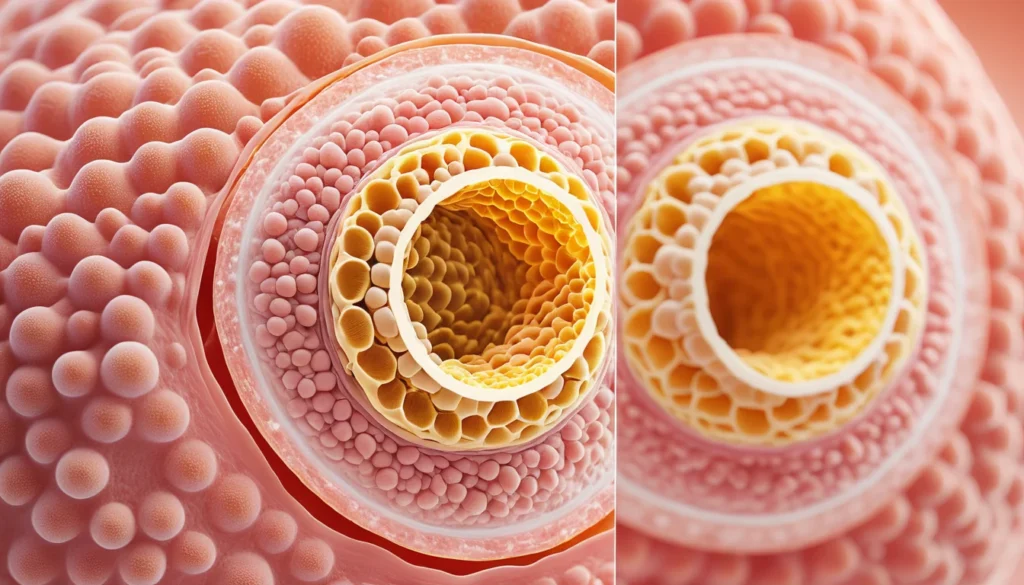
Bacterial folliculitis happens when bacteria get inside a hair follicle and cause an infection. The follicle becomes inflamed, red, and sore. In mild cases, the infection stays close to the skin’s surface. In more serious cases, it can go deeper into the skin and cause painful sores.
This condition can affect children of any age. However, it is most common in children and teenagers. The most frequent causes are two types of bacteria: Staphylococcus aureus and Streptococcus pyogenes. These bacteria are naturally found on our skin but can cause problems when they enter a damaged follicle.
For more background on skin infections, visit Health Canada’s skin health resources.
Signs and Symptoms of Bacterial Folliculitis in Children
The signs of bacterial folliculitis are usually easy to spot. Knowing what to look for helps parents act quickly and get the right care for their child.
Common Symptoms
Red, swollen skin around one or more hair follicles
Small white or yellow pus-filled bumps called pustules
Crusting or scabbing on the skin surface
Itching or a burning feeling in the affected area
Tenderness when touching the skin
The pustules are usually small, between 1 mm and 2 mm in size. They have a yellowish-white colour and are surrounded by a narrow ring of red skin. In some cases, a hair strand pokes through the centre of the pustule. The pus inside can contain streaks of blood and dead skin cells.
Where Does It Appear on the Body?
Bacterial folliculitis most often appears on exposed areas of skin. These include the arms, legs, and face. It can also show up on the chest, back, neck, shoulders, and thighs. In rare cases, it develops on the scalp and may lead to temporary hair loss in that area.
Severe Symptoms to Watch For
In more serious cases, the infection can spread and cause additional problems. These include fever, pain, and the development of an abscess, which is a larger pocket of pus under the skin. If your child develops a boil or furuncle, which is a deep, painful lump, seek medical care promptly.
What Causes Bacterial Folliculitis in Children?
Bacterial folliculitis usually starts after a minor injury to the skin. A small cut, scratch, or area of dry, cracked skin gives bacteria an easy entry point. Understanding the causes helps parents take steps to protect their child’s skin.
Common Causes
Dry or cracked skin that allows bacteria to enter
Scratched or irritated skin from rubbing or tight clothing
Excessive sweating, especially in hot and humid weather
Wearing tight or synthetic clothing that traps moisture against the skin
Overproduction of skin oil, known as sebum
A weakened immune system
Staphylococcal bacteria are a very common cause. These bacteria often live inside the nose. A child can spread the infection to other parts of their body simply by touching their nose and then scratching their skin. This is why keeping fingernails short and clean is so important.
Hot Tub Folliculitis
There is also a type of folliculitis caused by Pseudomonas aeruginosa. This happens after a child uses a contaminated hot tub, whirlpool, or warm-water pool. Although this type is still relatively rare, its occurrence is growing. Always make sure any pool or hot tub your child uses is properly treated and maintained.
Risk Factors for Bacterial Folliculitis in Children
Some children are more likely to develop bacterial folliculitis than others. Knowing the risk factors can help you take extra precautions.
According to the Mayo Clinic’s overview of folliculitis, certain health and lifestyle factors increase the risk. These include:
A recent illness, such as a nasal or respiratory infection
Diabetes, which can affect the body’s ability to fight infection
Eczema or dermatitis, which causes the skin barrier to weaken
Living in crowded conditions or sharing towels, clothing, or bedding
Poor hygiene habits
A weakened immune system due to illness or medication
Children with eczema are especially vulnerable. Their skin barrier is already compromised, making it easier for bacteria to get in. Parents of children with eczema should speak with their family doctor about an appropriate skin-care routine.
How to Prevent Bacterial Folliculitis in Children
Prevention is always the best approach. A few simple daily habits can greatly reduce your child’s risk of developing bacterial folliculitis.
Daily Skin-Care Habits
Wash your child’s face and body daily with warm water and a gentle, mild soap
Keep the skin clean and dry, especially after sweating or swimming
Change sweaty or wet clothing right away
Dress your child in loose, breathable, natural-fibre clothing like cotton
Keep your child’s fingernails trimmed short and clean
Avoid scrubbing or rubbing the skin harshly
Preventing Spread Within the Family
Because bacterial folliculitis is contagious, it is important to stop it from spreading to other family members. Do not share towels, washcloths, clothing, or razors. Wash any items that come into contact with the infected skin in hot water. Encourage your child not to scratch or pick at the affected areas.
Treatment for Bacterial Folliculitis in Children
Most cases of bacterial folliculitis in children respond well to treatment. The right approach depends on how mild or severe the infection is. Always follow your doctor’s or pharmacist’s instructions carefully.
At-Home Care
For mild cases with only a few pustules, there are helpful steps you can take at home. Apply warm compresses to the affected area several times a day. This softens the pustules, relieves itching, and helps speed up healing. Encourage your child not to scratch or pick at the bumps. Scratching can spread the bacteria to other parts of the body.
Over-the-Counter Antibiotic Ointments
If there are only a small number of pustules, your pharmacist may recommend an over-the-counter antibiotic ointment. Products containing bacitracin or neomycin are commonly available at Canadian pharmacies. Gently massage a small amount into the affected area three to four times per day. Use only a thin layer, as a little goes a long way.
Prescription Treatments
In more serious cases, your child’s family doctor or walk-in clinic physician may prescribe a stronger topical antibiotic cream or ointment. Corticosteroid creams may also be prescribed to reduce swelling and inflammation. Apply these medications exactly as directed. Do not stop the treatment early, even if the skin looks better.
For widespread or severe infections, the doctor may prescribe oral antibiotics in pill or liquid form. These work from inside the body to fight the bacteria causing the infection. It is very important to complete the full course of antibiotics, even after symptoms improve. Stopping early can allow the infection to return and may make the bacteria harder to treat.
For more information on antibiotic use in children, see Healthline’s guide to folliculitis treatment.
When to See a Doctor
Many mild cases of bacterial folliculitis in children can be managed at home. However, there are situations where you should contact your family doctor or visit a walk-in clinic right away. Most provincial health plans in Canada cover visits to both family doctors and walk-in clinics, so do not hesitate to seek help.
Take your child to see a doctor if:
The pustules are spreading despite home treatment
Your child develops a fever above 38°C (100.4°F)
Your child’s joints become swollen
A boil or large abscess develops
The skin around the pustules becomes increasingly red, warm, or painful
Symptoms return after completing a course of treatment
The skin reacts badly to a topical medication
Your family doctor will take a medical history, examine the skin, and may take a swab from one of the pustules. This swab, called a bacterial culture, identifies the exact bacteria causing the infection. It helps the doctor choose the most effective antibiotic.
If you do not have a family doctor, a walk-in clinic can assess and treat bacterial folliculitis. You can also call 811 in most provinces to speak with a registered nurse through the provincial health line.
Frequently Asked Questions About Bacterial Folliculitis in Children
Is bacterial folliculitis in children contagious?
Yes, bacterial folliculitis in children is contagious. The bacteria can spread from person to person through direct skin contact or by sharing towels, clothing, or bedding. Therefore, it is important to avoid sharing personal items and to wash bedding and towels frequently in hot water.
How long does bacterial folliculitis last in children?
Mild cases of bacterial folliculitis in children often clear up within one to two weeks with proper treatment. More severe cases may take longer, especially if oral antibiotics are needed. If your child’s symptoms are not improving after a few days of treatment, contact your family doctor.
Can folliculitis go away on its own without treatment?
Very mild cases of folliculitis may resolve on their own with good skin hygiene and warm compresses. However, bacterial folliculitis in children often needs antibiotic treatment to clear up fully. Without treatment, the infection can spread or worsen, so it is always best to consult a healthcare provider.
What does bacterial folliculitis look like on a child’s skin?
Bacterial folliculitis typically appears as small red bumps or white-tipped pimples around hair follicles. The bumps may be filled with pus and can crust over as they heal. In some cases, a hair strand grows through the centre of the bump, which is a key feature of folliculitis.
Should I take my child to a walk-in clinic for folliculitis?
Yes, a walk-in clinic is a good option if your family doctor is unavailable and your child’s bacterial folliculitis is spreading, causing fever, or not improving with home care. Most walk-in clinic visits are covered by provincial health plans across Canada. Bring a list of any medications your child is currently taking.
Can my child go to school with bacterial folliculitis?
In many cases, children with mild bacterial folliculitis can attend school as long as the affected skin is covered with a clean bandage and the child is not running a fever. However, it is best to check with your family doctor before sending your child back to school or daycare. Preventing the spread to other children is the top priority.
Key Takeaways
Bacterial folliculitis in children is a skin infection of the hair follicles caused most often by Staphylococcus bacteria.
It appears as red, swollen bumps or pus-filled pustules and is contagious.
Common risk factors include skin injuries, eczema, diabetes, poor hygiene, and living in crowded conditions.
Prevention includes daily gentle skin washing, wearing loose breathable clothing, and not sharing personal items.
Mild cases can be treated with warm compresses and over-the-counter antibiotic ointments.
Severe or spreading infections require a visit to your family doctor or walk-in clinic for prescription treatment.
Always complete the full course of prescribed antibiotics, even if the skin improves sooner.
Seek medical help right away if your child develops a fever above 38°C, joint swelling, or a large abscess.
According to Mayo Clinic’s overview of folliculitis symptoms and causes, this information is supported by current medical research.
For more information, read our guide on treating common childhood injuries like bone fractures in Canada.
This article is for general information only and does not replace professional medical advice. Always consult your family doctor, walk-in clinic physician, or a qualified healthcare provider for diagnosis and treatment of any health concern affecting your child.
Frequently Asked Questions
What is bacterial folliculitis in children?
Bacterial folliculitis in children is an infection of the hair follicles, most commonly caused by Staphylococcus aureus bacteria. It appears as small, red, pus-filled bumps surrounding hair follicles on the scalp, face, neck, or buttocks. It is generally mild but requires proper treatment to prevent spreading.
What are the symptoms of bacterial folliculitis in children?
Symptoms include small red or white pimple-like bumps around hair follicles, itching, tenderness, and mild swelling. The bumps may crust over or ooze pus. Common sites include the scalp, thighs, buttocks, and neck. In severe cases, deeper painful boils or clusters of infected follicles may develop.
How is bacterial folliculitis treated in kids?
Mild cases are treated with topical antibiotics like mupirocin applied directly to affected areas. More widespread or severe infections require oral antibiotics prescribed by a doctor. Warm compresses help relieve discomfort and promote drainage. Most children recover fully within one to two weeks with appropriate treatment.
How can parents prevent folliculitis from spreading in children?
Prevent spreading by keeping the affected area clean and dry, avoiding sharing towels, clothing, or sports equipment, and trimming fingernails to reduce scratching. Wash bedding and clothing regularly in hot water. Discourage children from picking at bumps, as this introduces more bacteria and worsens the infection.
When should I take my child to see a doctor for folliculitis?
See a doctor if the infection worsens after 48 hours of home care, spreads rapidly, causes fever, or develops into large painful boils. Children with recurring folliculitis, weakened immune systems, or diabetes should be evaluated promptly. A Canadian physician may swab the area to identify the bacteria and prescribe targeted antibiotics.