Galactorrhea causes range from hormonal imbalances to medication side effects, and understanding them is the first step toward finding relief. Galactorrhea is a condition where milky fluid leaks from the nipples even when a person is not pregnant or breastfeeding. It can affect women of all ages and, less commonly, men and newborns. While it is often harmless, galactorrhea can sometimes signal an underlying health problem that needs medical attention.
Understanding the Most Common Galactorrhea Causes
One of the most common galactorrhea symptoms is spontaneous or persistent nipple discharge linked to high prolactin levels — a hormone normally responsible for milk production after childbirth. When prolactin rises too high outside of pregnancy, the breasts may begin producing milk. This can happen due to a small pituitary gland tumour, certain prescription drugs, or other hormonal shifts. For Canadians experiencing these symptoms, the good news is that effective diagnostic tools and treatment options are readily available through the Canadian healthcare system.
What Is Galactorrhea?
Common Galactorrhea Causes, Associated Risk Factors, and Prevention Strategies
| Risk Factor | Impact on Galactorrhea | Who Is Affected | Prevention / Management |
|---|---|---|---|
| Hyperprolactinemia (elevated prolactin) | Most direct hormonal trigger; stimulates milk production outside of breastfeeding | Women and men of any age; more common in women aged 20–35 | Blood prolactin testing; dopamine agonist medications such as cabergoline |
| Medications (antipsychotics, SSRIs, metoclopramide) | Block dopamine receptors, causing prolactin levels to rise and inducing milk discharge | Patients on long-term psychiatric or gastrointestinal medications | Review medications with a physician; dose adjustment or alternative drugs may be considered |
| Pituitary adenoma (prolactinoma) | Benign tumour secretes excess prolactin, leading to persistent milk production | Adults of all ages; slightly more common in women | MRI of the pituitary; managed with dopamine agonists or, rarely, surgery |
| Hypothyroidism | Low thyroid hormone raises thyrotropin-releasing hormone, which secondarily elevates prolactin | More prevalent in women over 40 in Canada; estimated 1 in 10 Canadian women affected by thyroid disorders | Regular TSH screening; thyroid hormone replacement therapy restores normal prolactin levels |
| Nipple stimulation or chronic irritation | Repeated physical stimulation triggers a neuroendocrine reflex that releases prolactin | Anyone; commonly seen with frequent self-examination or ill-fitting clothing | Minimize unnecessary breast stimulation; wear properly fitted undergarments |
| Chronic stress and sleep disruption | Elevates cortisol and disrupts dopamine regulation, allowing transient rises in prolactin | Common across all demographics; increasingly reported in Canadian adults post-pandemic | Stress management strategies; cognitive behavioural therapy; improved sleep hygiene |
Galactorrhea is not a disease on its own. It is a sign that something in the body’s hormone system may be off balance. The condition is linked to high levels of a hormone called prolactin, which is normally responsible for milk production after childbirth.
When prolactin levels rise too high outside of pregnancy or breastfeeding, the breasts may start producing milk anyway. This can happen for many different reasons, from medication side effects to a small growth on the pituitary gland in the brain. According to Mayo Clinic, galactorrhea is fairly common and often has a benign cause.
Common Causes of Galactorrhea
There are many possible reasons why galactorrhea develops. Understanding the cause is the first step toward finding the right treatment.
Hormonal Changes
Changes in oestrogen levels are a very common trigger. This can happen when someone starts or stops taking birth control pills. It can also occur after the surgical removal of the ovaries or after a miscarriage or abortion.
In addition, many women experience temporary galactorrhea after they stop breastfeeding. The body sometimes takes several weeks or months to stop producing milk after nursing ends.
Pituitary Gland Tumours
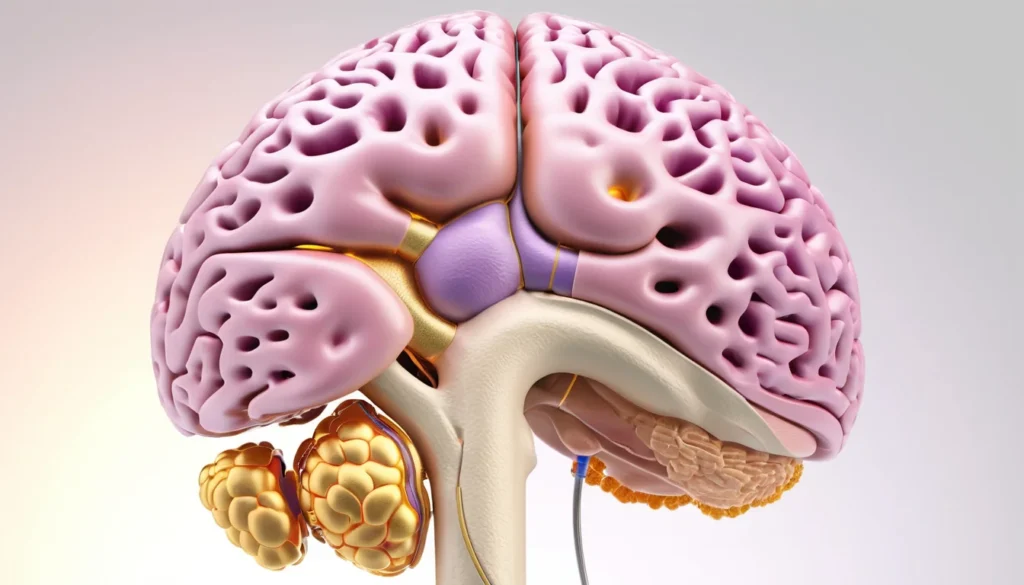
A small, non-cancerous growth on the pituitary gland — called a prolactinoma or pituitary adenoma — is one of the more serious causes of galactorrhea. The pituitary gland sits at the base of the brain and controls many important body functions. When a tumour grows there, it can produce too much prolactin, leading to galactorrhea, irregular periods, and lack of ovulation.
In rare cases, this tumour can be cancerous, which is why a proper medical evaluation is so important. Health Canada encourages Canadians to seek medical advice for any unusual or persistent symptoms.
Medications
Certain medications can raise prolactin levels as a side effect. These include some antidepressants, antipsychotics, blood pressure medications, and stomach-acid medicines. If you recently started a new medication and notice nipple discharge, mention it to your doctor or pharmacist right away.
Other Causes
Galactorrhea can also develop due to:
Breast or nipple stimulation from tight clothing, rough fabrics, or soaps
Nipple irritation from surgery or injury
Herpes zoster (shingles) affecting the chest area
Fibrocystic breast disease
Kidney or liver disease
Hypothyroidism (an underactive thyroid gland)
In newborns, a small amount of milky discharge from the nipples is normal shortly after birth. This happens because of the mother’s hormones passing through the placenta. It typically goes away on its own within a few weeks.
Recognising the Symptoms of Galactorrhea
The main symptom of galactorrhea is a milky, white discharge coming from one or both nipples. This discharge may happen on its own, or it may only appear when the nipple is pressed or squeezed.
However, galactorrhea can come with other symptoms depending on the underlying cause. These may include:
Irregular or absent menstrual periods
Difficulty getting pregnant
Headaches or vision changes (if a pituitary tumour is present)
Decreased sex drive
Acne or excess body hair in women
If you notice any of these symptoms along with nipple discharge, it is important to see a healthcare provider as soon as possible.
How Galactorrhea Is Diagnosed
Your family doctor or a specialist will use a combination of methods to diagnose galactorrhea and find its cause.
Physical Exam and Blood Tests
The first step is usually a physical exam. Your doctor will check the breasts and nipples and ask about your medical history, medications, and menstrual cycle. Blood tests will then measure your prolactin levels, as well as thyroid and kidney function.
A sample of the nipple discharge may also be examined under a microscope. This helps rule out other conditions, such as breast infection or cancer.
Imaging Tests
If blood tests show high prolactin levels, your doctor may order an MRI (magnetic resonance imaging) scan of the brain. An MRI can clearly show the pituitary gland and detect even very small tumours. A CT scan (computed tomography) may also be used in some cases.
These tests are widely available in Canadian hospitals and diagnostic imaging centres, and are typically covered by provincial health plans when ordered by a doctor.
Treatment Options for Galactorrhea
The good news is that galactorrhea often gets better on its own without any treatment. However, when treatment is needed, there are several effective options available.
Medication Adjustments
If a medication is causing galactorrhea, your doctor may suggest switching to a different drug or adjusting the dose. Never stop taking a prescribed medication on your own — always talk to your doctor or pharmacist first.
Medications to Lower Prolactin
When galactorrhea is bothersome or caused by high prolactin levels, doctors may prescribe dopamine agonist medications such as cabergoline or bromocriptine. These drugs work by lowering prolactin levels in the blood. They are effective in most cases and can also shrink pituitary tumours over time.
Surgery and Radiation Therapy
If a pituitary tumour does not respond to medication, surgery may be recommended to remove it. This is performed by a neurosurgeon and is typically done through the nose, without any visible incision. Radiation therapy is another option. It uses a focused beam of energy to slowly shrink the tumour. However, radiation works slowly — it can take several months to see the full effect.
Self-Care Tips
There are also some simple steps you can take at home to reduce nipple discharge:
Wear a well-fitted, supportive bra to prevent friction between clothing and nipples
Avoid pressing or squeezing the nipples, as this stimulates more milk production
Choose mild, unscented soaps and avoid harsh fabrics near the chest area
Keep all follow-up appointments with your doctor
When to See a Doctor
You should contact your family doctor or walk-in clinic if you notice any milky discharge from your nipples and you are not currently breastfeeding. This is especially important if the discharge is happening on its own, affects only one breast, or is accompanied by a lump, pain, or other unusual symptoms.
If you have no family doctor, a walk-in clinic is a great first step. A doctor there can order blood tests, review your medications, and refer you to an endocrinologist or specialist if needed. Most provincial health plans in Canada cover these visits and any recommended follow-up testing.
Men who notice any nipple discharge should seek medical attention promptly, as galactorrhea in men is less common and warrants a thorough evaluation. For more information on hormonal health, visit Healthline’s overview of galactorrhea.
Preventing Galactorrhea From Returning
Once galactorrhea is treated and resolves, there are steps you can take to reduce the chance of it coming back. The most important measure is to avoid unnecessary stimulation of the nipples. This means not squeezing or compressing the breasts, and choosing comfortable, soft bras and clothing.
Furthermore, keeping up with regular check-ups with your doctor helps catch any hormonal changes early. If you are on a medication known to raise prolactin, ask your doctor about monitoring your prolactin levels over time.
Is galactorrhea a sign of cancer?
Galactorrhea is rarely a sign of cancer. In most cases, it is caused by hormonal changes, medications, or a benign (non-cancerous) pituitary tumour called a prolactinoma. However, any unusual nipple discharge should be checked by a doctor to rule out serious causes.
Can galactorrhea go away on its own?
Yes, galactorrhea often resolves on its own without treatment, especially if it is related to recent breastfeeding, a medication change, or mild hormonal fluctuations. If the discharge persists for more than a few weeks or comes with other symptoms, it is best to see your family doctor.
Can men get galactorrhea?
Yes, men can develop galactorrhea, although it is much less common than in women. When it occurs in men, it is more likely to be linked to a pituitary tumour, certain medications, or a serious hormonal imbalance. Men who notice any nipple discharge should see a doctor promptly.
What medications cause galactorrhea?
Several medications can trigger galactorrhea as a side effect by raising prolactin levels. Common culprits include some antidepressants, antipsychotics, blood pressure drugs, and metoclopramide (a stomach medication). If you suspect your medication is causing galactorrhea, speak with your doctor or pharmacist before making any changes.
How is galactorrhea treated in Canada?
In Canada, galactorrhea is treated based on its underlying cause. Your family doctor may adjust medications, refer you to an endocrinologist, or order an MRI to check for a pituitary tumour. Treatment options include prolactin-lowering medications, surgery, or radiation therapy, all of which are available through the Canadian healthcare system.
Is galactorrhea the same as normal breastfeeding milk?
According to Mayo Clinic’s overview of galactorrhea, this information is supported by current medical research.
For more information, read our guide on learn about other conditions that may require diagnostic imaging in Canada.
Galactorrhea produces a milky discharge that looks similar to breast milk, but it occurs outside of normal breastfeeding — for example, in women who are not pregnant, or even in men. It is caused by abnormally high prolactin levels rather than the normal hormonal process that follows childbirth.
Key Takeaways
Galactorrhea is milky nipple discharge that occurs outside of normal breastfeeding.
It is most often caused by high prolactin levels due to hormonal changes, medications, or a pituitary gland tumour.
Common symptoms include nipple discharge, irregular periods, and sometimes headaches or vision changes.
Diagnosis involves a physical exam, blood tests, and possibly an MRI of the brain.
Many cases resolve on their own; others are treated with medication, surgery, or radiation therapy.
Avoid squeezing or stimulating the nipples, and wear a supportive, well-fitted bra to help prevent recurrence.
If you notice unexplained nipple discharge, visit your family doctor or a walk-in clinic — most provincial health plans cover the necessary tests and referrals.
Always speak with a qualified healthcare provider before changing any medications or beginning treatment.
Frequently Asked Questions
What is galactorrhea?
Galactorrhea is a condition where milk or milky nipple discharge occurs in people who are not breastfeeding or pregnant. It can affect women, men, and even newborns. It is not a disease itself but a symptom of an underlying hormonal imbalance, medication side effect, or medical condition requiring evaluation.
What are the most common galactorrhea causes in women?
The most common galactorrhea causes in women include elevated prolactin levels (hyperprolactinemia), pituitary gland tumours called prolactinomas, thyroid disorders, certain medications like antidepressants or antipsychotics, oral contraceptives, excessive nipple stimulation, and chronic stress. In some cases, no identifiable cause is found, a condition called idiopathic galactorrhea.
What are the symptoms of galactorrhea?
Galactorrhea symptoms include spontaneous or expressed milky nipple discharge from one or both breasts, irregular or absent menstrual periods, decreased sex drive, headaches, and vision changes. In men, symptoms may also include erectile dysfunction or breast tissue growth. Discharge that is bloody or clear may indicate a different condition requiring urgent assessment.
How is galactorrhea treated in Canada?
Galactorrhea treatment depends on the underlying cause. Doctors may adjust or discontinue medications triggering the condition, prescribe dopamine agonists like cabergoline or bromocriptine to lower prolactin levels, or recommend thyroid treatment if hypothyroidism is involved. Prolactinomas may require medication or, rarely, surgery. Many Canadian patients are managed through endocrinology or gynecology referrals.
When should you see a doctor for galactorrhea causes and symptoms?
See a doctor if you experience unexplained nipple discharge and are not pregnant or breastfeeding, especially if accompanied by irregular periods, headaches, or vision problems. Men with any nipple discharge should seek prompt medical attention. Early evaluation helps identify serious galactorrhea causes like pituitary tumours, hormonal imbalances, or underlying systemic conditions requiring timely treatment.