Bursitis Treatment: Causes, Symptoms & Relief Canada

Share
Bursitis treatment starts with understanding the condition itself — a painful inflammation of the small, fluid-filled sacs called bursae that cushion bones, tendons, and muscles around your joints. When these sacs become swollen and irritated, even the simplest daily movements can become difficult and painful. For millions of Canadians, knowing the right treatment approach can mean the difference between weeks of discomfort and a swift return to normal life.
Effective Bursitis Treatment Options for Canadians
Recognising bursitis symptoms early is essential for effective care. The condition can develop in anyone, but Canadians who perform repetitive motions at work, during sports, or through everyday activities such as gardening, typing, or cooking face a higher risk. In this guide, you will learn what causes bursitis, how to identify the warning signs, and which evidence-based treatment options are available across Canada.
What Is Bursitis?
| Treatment Option | How It Works | Benefits | Considerations |
|---|---|---|---|
| Rest and Activity Modification | Reduces repetitive stress and friction on the affected bursa | No cost, no side effects, often effective for mild cases | May require temporary work or activity restrictions; not sufficient alone for severe cases |
| Ice and Heat Therapy | Ice reduces inflammation; heat relaxes surrounding muscles and improves circulation | Easily accessible, low cost, provides quick symptom relief | Ice best in first 48–72 hours; heat suitable for chronic bursitis; improper use may worsen symptoms |
| NSAIDs (e.g., Ibuprofen, Naproxen) | Reduces inflammation and relieves pain at the bursa site | Available over-the-counter in Canada, fast-acting pain relief | Not recommended for those with kidney disease, stomach ulcers, or cardiovascular conditions; consult a pharmacist |
| Physiotherapy | Strengthens surrounding muscles, improves posture and joint mechanics | Addresses root cause, covered by many provincial and private health plans | Requires multiple sessions; results take weeks; referral may be needed depending on province |
| Corticosteroid Injections | Directly reduces severe inflammation within the bursa | Rapid and significant pain relief, effective for stubborn cases | Limited to 2–3 injections per site per year; administered by a physician or specialist; possible short-term flare |
| Surgical Drainage or Bursectomy | Removes or drains the inflamed bursa when conservative treatments fail | Long-term resolution for chronic or infected bursitis | Last resort option; involves recovery time; covered under provincial health insurance when medically necessary |
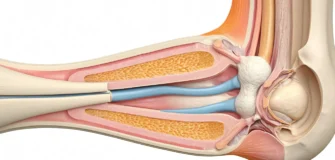
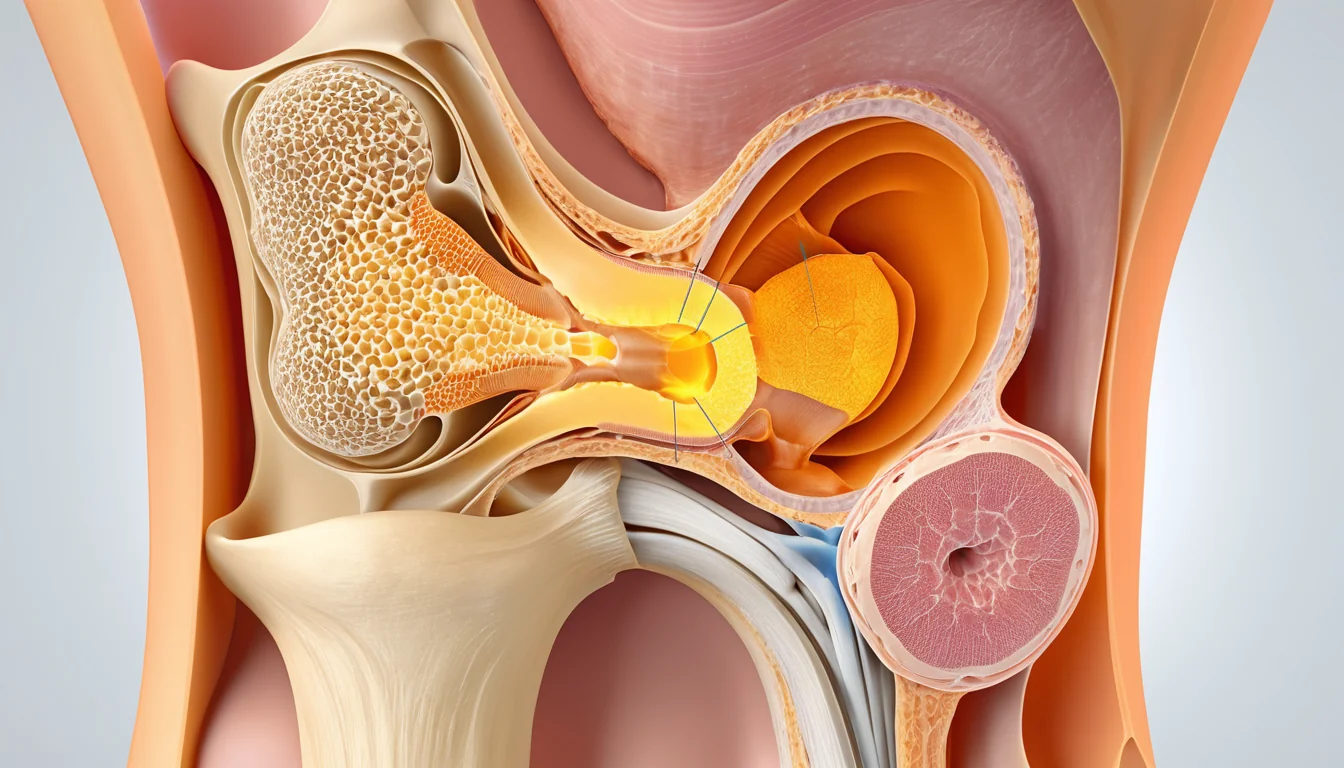
Bursitis is the inflammation of a bursa. A bursa is a tiny, fluid-filled sac that acts like a cushion between moving parts in your body. These sacs reduce friction where bones, tendons, ligaments, muscles, or skin rub together.
Bursae are found throughout your body, both inside and around your joints. They also appear wherever repeated pressure or friction occurs. When a bursa becomes irritated, it fills with extra fluid and swells. This is what causes the pain and stiffness you feel.
Bursitis can affect anyone. However, people who perform repetitive movements at work, during sports, or in everyday life face a higher risk. For example, common activities like using hand tools, gardening, cooking, or typing can all lead to bursitis over time.
Common Causes of Bursitis
Bursitis develops for several reasons. The most common cause is overuse or repetitive movement that puts steady stress on a joint. A sudden injury, even a minor one, can also trigger the condition.
In addition, long periods of pressure on a joint raise your risk. For example, roofers, flooring installers, and gardeners who spend hours on their knees may develop bursitis in the kneecap bursa. People who sit for long periods on hard surfaces may develop bursitis in the bursa near the sit bones.
Other causes include:
- Gradual ageing and natural wear on the bursae
- Septic bursitis, caused by a bacterial infection inside the bursa
- Traumatic bursitis, caused by a direct blow or injury
- Systemic conditions such as rheumatoid arthritis or gout
Furthermore, people living with diabetes, lupus, rheumatoid arthritis, or HIV/AIDS face a higher risk of developing an infected bursa. Those taking corticosteroids or immunosuppressant medications should also take note.
Who Is Most at Risk?
Bursitis is not limited to athletes or manual workers. Office workers who type for long hours, people who do heavy housework, and older adults are all at risk. According to Mayo Clinic’s overview of bursitis, the risk increases significantly with age and with jobs or hobbies that involve repetitive motion.
Recognising the Symptoms of Bursitis
The symptoms of bursitis can come on gradually or appear suddenly after an injury. Knowing what to look for helps you act quickly and avoid making things worse.
Common symptoms include:
- Pain near the affected joint, which may feel sharp or aching
- A feeling of tightness or pressure around the joint
- Redness and warmth over the swollen area
- Visible swelling near the bursa
Unlike arthritis, which tends to cause pain right inside the joint, bursitis pain often radiates outward. You may feel it spreading away from the joint itself. The pain typically gets worse with activity or direct pressure on the area.
Morning Stiffness and Night Pain
Many people with bursitis notice that pain and stiffness feel worse at night or first thing in the morning. However, gentle movement usually helps reduce that stiffness. Be careful, though — too much movement can make symptoms worse and slow down healing.
It is also worth noting that bursitis symptoms can look very similar to tendon injuries, which are sometimes called tendinopathies. A healthcare provider can help tell the difference. Learn more about joint conditions from Healthline’s guide to bursitis.
When to See a Doctor
Mild bursitis often improves with rest and home care within a few days. However, some situations call for a visit to your family doctor or a walk-in clinic right away.
See a doctor if:
- Your bursitis is severe or does not improve after several days of home treatment
- The painful area becomes red, hot, or visibly swollen
- You develop a fever along with joint pain
- You have a condition that raises your infection risk, such as diabetes, rheumatoid arthritis, lupus, or HIV/AIDS
- You take corticosteroids or immunosuppressant medications
In Canada, your first step is usually your family doctor. If you do not have a family doctor, a walk-in clinic can assess your symptoms and refer you for further testing if needed. Most provincial health plans cover the cost of a bursitis assessment. As always, please consult your doctor or a qualified healthcare provider before starting any treatment.
How Bursitis Is Diagnosed
Your doctor will start by asking about your medical history and your daily activities. They will also perform a physical exam to check the painful area, your muscle strength, and your range of motion.
The exam may include testing your nerve function — checking your sensitivity and reflexes — as well as your circulation. If your symptoms relate to a tool or piece of sports equipment, your doctor may ask you to demonstrate how you use it.
Tests Your Doctor May Order
In many cases, a physical exam is enough to diagnose bursitis. However, if there is a chance of infection, or if your symptoms are severe, your doctor may order additional tests. These can include:
- Bursa aspiration: A needle is used to draw fluid from the bursa. This helps confirm the diagnosis and can also relieve pressure and pain.
- X-rays: These can reveal bone problems, calcium deposits in tendons, or other joint issues.
- MRI (magnetic resonance imaging): An MRI can detect small tears or damage in soft tissues such as tendons, ligaments, cartilage, and muscles.
- Ultrasound: This imaging test can show thickening, swelling, or tears in soft tissues like bursae or tendons.
Your doctor will choose the right test based on your specific symptoms and health history. For more on how bursitis is assessed, visit Health Canada’s official health information.
Bursitis Treatment Options
The good news is that most cases of bursitis respond well to simple, conservative treatment. The key is to act early and give the affected bursa time to heal.
Rest, Ice, and Pain Relief
The foundation of bursitis treatment involves rest, ice, and over-the-counter pain relievers. Follow these steps:
- Rest the joint: Avoid any activity or direct pressure that causes pain. Protecting the joint is the most important first step.
- Apply ice: Use an ice pack or cold compress as soon as you notice pain or swelling. Apply it for 10 to 15 minutes, twice per hour, for the first 72 hours. After that, continue with 15 to 20 minutes of ice, three times a day, until pain improves. Ice reduces inflammation and speeds up healing. Warm compresses may feel soothing, but only ice reduces swelling.
- Take pain relievers: Acetaminophen (paracetamol) can help manage pain. Non-steroidal anti-inflammatory drugs (NSAIDs) such as ibuprofen or naproxen can reduce both pain and inflammation. Note that aspirin is not recommended for people under 20 years of age due to the risk of Reye’s syndrome. Always follow the dosage instructions on the label.
- Maintain a regular sleep schedule: Good rest supports your body’s natural healing process.
With prompt rest and treatment, bursitis can improve within a few days to a few weeks. Therefore, the sooner you act, the better your outcome is likely to be.
Medical Treatments for Persistent Bursitis
If home care is not enough, your doctor has other options. Bursa aspiration — draining the fluid with a needle — can relieve pressure and is sometimes combined with a corticosteroid injection to reduce inflammation quickly.
In cases of septic bursitis, caused by an infection, your doctor will prescribe antibiotics. In rare cases where bursitis keeps coming back or does not heal, surgery may be considered. However, surgery is uncommon and is usually a last resort.
Physical therapy can also help. A physiotherapist can teach you exercises to strengthen the muscles around the affected joint and improve your posture or movement patterns. This reduces the chance of bursitis coming back.
Frequently Asked Questions About Bursitis
How long does bursitis take to heal?
Most cases of bursitis improve within a few days to a few weeks with proper rest and treatment. However, severe or recurring bursitis may take several weeks or even months to fully resolve. Starting treatment early gives you the best chance of a quicker recovery.
Can bursitis go away on its own?
Mild bursitis can sometimes resolve on its own with rest and reduced activity. However, if you continue to put pressure or stress on the affected bursa, the condition is unlikely to heal. It is always a good idea to speak with your family doctor or visit a walk-in clinic if symptoms persist.
What does bursitis feel like?
Bursitis typically feels like a dull, aching pain near a joint, often with swelling, warmth, and redness over the affected area. The pain may feel worse in the morning or at night, and it often gets worse with movement or direct pressure. Some people describe it as a feeling of tightness or pressure near the joint.
Is bursitis the same as arthritis?
No, bursitis and arthritis are different conditions, although they can feel similar. Arthritis involves inflammation inside the joint itself, while bursitis involves inflammation of the bursa, a small sac located near the joint. A doctor can tell the difference through a physical exam and, if needed, imaging tests.
Where does bursitis most commonly occur?
Bursitis most commonly affects the shoulder, elbow, hip, knee, and heel. These are areas where bursae are frequently under stress from repeated movement or pressure. People who kneel for long periods, such as flooring workers or gardeners, often develop bursitis in the knee.
Can bursitis be prevented?
According to Mayo Clinic’s overview of bursitis symptoms and causes, this information is supported by current medical research.
For more information, read our guide on plantar fasciitis causes, symptoms, and treatment in Canada.
You can reduce your risk of bursitis by taking regular breaks during repetitive tasks, using proper technique when exercising or lifting, and using cushioning pads if your work requires kneeling or leaning on hard surfaces. Strengthening the muscles around your joints also helps protect the bursae from excessive stress.
Key Takeaways
- Bursitis is inflammation of the bursa, a small fluid-filled sac that cushions your joints.
- It is most often caused by repetitive movement, prolonged pressure, or a sudden injury.
- Symptoms include joint pain, swelling, warmth, redness, and morning stiffness.
- Most cases respond well to rest, ice, and over-the-counter pain relievers like ibuprofen or acetaminophen.
- See your family doctor or visit a walk-in clinic if your symptoms are severe, do not improve, or if you develop a fever.
- People with diabetes, rheumatoid arthritis, lupus, or HIV/AIDS should seek medical advice promptly, as they face a higher risk of infection.
- Early treatment is the best way to recover quickly and prevent bursitis from coming back.
Frequently Asked Questions
What is bursitis?
Bursitis is inflammation of the bursae — small, fluid-filled sacs that cushion bones, tendons, and muscles near joints. It commonly affects the shoulder, hip, elbow, and knee. The condition causes pain, swelling, and limited movement, and is often triggered by repetitive motion, injury, or underlying conditions like arthritis.
What are the symptoms of bursitis?
Common bursitis symptoms include localized joint pain, tenderness when touched, swelling, warmth, and stiffness around the affected area. Pain typically worsens with movement or pressure. In some cases, the skin over the bursa may appear red. Symptoms can develop suddenly or gradually worsen over time with repeated strain.
What is the best bursitis treatment in Canada?
Bursitis treatment typically starts with rest, ice, compression, and over-the-counter anti-inflammatory medications like ibuprofen. Physiotherapy is widely recommended across Canada to restore mobility. Doctors may also prescribe corticosteroid injections for persistent pain. Severe or infected bursitis may require antibiotics or surgical drainage in rare cases.
How can bursitis treatment be done at home?
At-home bursitis treatment includes resting the affected joint, applying ice packs for 15–20 minutes several times daily, and taking NSAIDs like ibuprofen to reduce inflammation. Elevating the joint and avoiding activities that aggravate symptoms are also helpful. Most mild cases improve within a few weeks with consistent self-care.
When should you see a doctor for bursitis?
See a doctor if bursitis pain is severe, lasts longer than two weeks, or doesn’t improve with rest and home care. Seek immediate medical attention if the joint becomes very red, hot, or swollen, or if you develop a fever — these may indicate septic bursitis, a serious infection requiring prompt treatment.

About the Author
Dr. James Okafor, MD, PhDDr. James Okafor holds an MD and PhD in Neurological Sciences from McGill University. With 12 years of experience in clinical neurology and mental health research, he has contributed to landmark studies on depression, anxiety, and cognitive health. Dr. Okafor is a Fellow of the Royal College of Physicians and Surgeons of Canada and serves on the editorial board of two peer-reviewed journals.
View all articles →