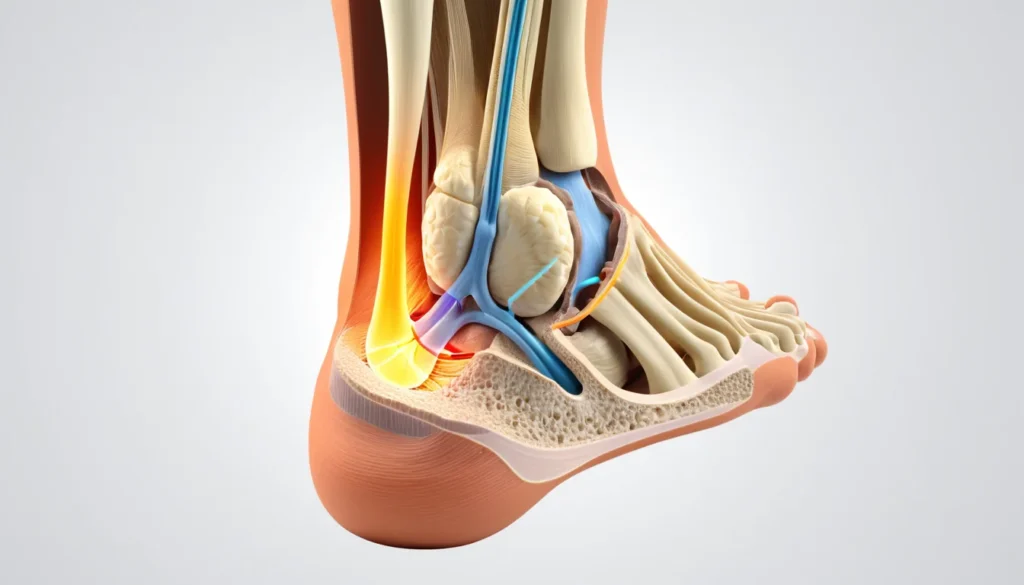
Plantar fasciitis is the most common cause of heel pain affecting Canadians, occurring when the thick band of tissue along the bottom of your foot becomes inflamed and irritated. This condition can turn your first steps each morning into a sharp, painful experience — but the good news is that most people recover fully with proper care and the right approach.
How Plantar Fasciitis Is Diagnosed and Treated in Canada
Millions of Canadians experience heel pain in the morning and throughout the day due to plantar fascia strain. The condition is especially prevalent among adults between 40 and 60 years old, though younger Canadians — particularly athletes and those who spend long hours on their feet — are also at risk. Understanding the causes, recognizing symptoms early, and exploring effective plantar fasciitis treatment options in Canada can help you get back on your feet faster.
What Is Plantar Fasciitis?
Treatment Options for Plantar Fasciitis: Benefits and Considerations
| Treatment Option | How It Helps | Typical Timeline | Key Considerations |
|---|---|---|---|
| Stretching & Physical Therapy | Reduces tension in the plantar fascia and calf muscles; improves flexibility and foot mechanics | 4–8 weeks of consistent daily exercise | First-line treatment recommended by most Canadian physiotherapists; low cost and low risk |
| Orthotics & Supportive Footwear | Redistributes pressure across the foot; provides arch support and cushioning to relieve heel pain | Relief may begin within 2–4 weeks of regular use | Custom orthotics available through Canadian podiatrists; may be partially covered by provincial health plans or private insurance |
| NSAIDs (e.g., Ibuprofen, Naproxen) | Reduces inflammation and pain in the heel and arch area to improve daily comfort | Short-term use of 1–2 weeks as needed | Available over the counter in Canada; not recommended for long-term use due to gastrointestinal and cardiovascular risks |
| Corticosteroid Injections | Delivers targeted anti-inflammatory medication directly to the affected tissue for faster pain relief | Relief often felt within 1–3 weeks per injection | Administered by a physician or sports medicine specialist; limited to 1–3 injections due to risk of plantar fascia rupture |
| Extracorporeal Shock Wave Therapy (ESWT) | Uses acoustic waves to stimulate healing in chronic plantar fasciitis cases resistant to other treatments | 3–5 sessions over several weeks; improvement over 3–6 months | Available at select Canadian sports medicine and orthopaedic clinics; typically not covered by provincial health insurance |
| Surgery (Plantar Fascia Release) | Partially cuts the plantar fascia to relieve tension when all conservative treatments have failed | Recovery of 6–12 weeks; reserved for cases lasting over 12 months | Considered a last resort; referral required through the Canadian healthcare system; risks include nerve damage and arch weakness |
The plantar fascia connects your heel bone to your toes. It supports the arch of your foot and absorbs shock when you walk or run. When this tissue is overstretched or under too much stress, small tears can form. Over time, those tears cause inflammation, swelling, and pain.
Plantar fasciitis is quite common in adults, especially those between 40 and 60 years old. However, it can also affect younger people — particularly athletes and military personnel who spend long hours on their feet.
Common Causes of Plantar Fasciitis
The exact cause is not always clear. In most cases, it develops from repeated stress on the plantar fascia over time. Several factors can contribute to this condition.
Foot Structure and Movement Problems
How your foot moves and is shaped plays a big role. For example, flat feet, high arches, or inward rolling of the foot (called overpronation) can place uneven stress on the fascia. Tight calf muscles or a tight Achilles tendon — the cord at the back of your heel — can also increase strain.
Activity and Lifestyle Factors
Jobs that require long hours of standing on hard surfaces can trigger plantar fasciitis. So can sports like running, jumping, or hiking. Switching surfaces suddenly — for example, going from running on grass to pavement — can also be a factor.
Furthermore, wearing worn-out or poorly fitted shoes removes the support your foot needs. This puts extra pressure on the plantar fascia every time you take a step.
Weight and Age
Carrying extra body weight adds more stress to your feet. Sudden weight gain can bring on symptoms quickly. As a result, plantar fasciitis is more common in people who are overweight. The natural ageing process also weakens the fascia, making it more prone to inflammation.
Symptoms of Plantar Fasciitis
The most well-known sign of plantar fasciitis is a sharp, stabbing pain in the heel. This pain is usually worst with your first steps in the morning or after sitting for a long period. It often eases after a few minutes of walking, but can return after long periods on your feet.
Other symptoms may include:
Pain or tightness along the bottom of your foot
Pain that gets worse when climbing stairs or standing on your toes
Discomfort that begins at the start of exercise, fades during activity, then returns afterward
Aching that worsens after — not during — physical activity
How Symptoms Progress Over Time
Plantar fasciitis usually develops gradually. At first, the pain may only appear in the morning. However, if you continue activities without rest or treatment, the inflammation builds up. Over time, pain can become constant throughout the day.
In some cases, the way you walk may change to avoid the pain. This can lead to new problems in your knees, hips, or lower back. In addition, a bony growth called a heel spur may develop where the fascia pulls on the heel bone. However, heel spurs alone do not cause plantar fasciitis — they are a side effect, not the cause.
Risk Factors for Plantar Fasciitis
Some people are more likely to develop plantar fasciitis than others. Understanding your risk can help you take steps to prevent it.
You may be at higher risk if you:
Are between 40 and 60 years old
Have flat feet, high arches, or overpronation
Are overweight or have gained weight recently
Have tight Achilles tendons or calf muscles
Stand or walk on hard surfaces for most of the day
Wear shoes that lack proper support or cushioning
Run long distances regularly or have recently increased your training
Work in a physically demanding job, such as construction or retail
Runners and military personnel face a particularly high risk. Their training often involves repetitive impact on hard surfaces, which puts constant strain on the plantar fascia. According to Mayo Clinic’s overview of plantar fasciitis, most cases respond well to conservative treatment within several months.
How Plantar Fasciitis Is Diagnosed
Your family doctor or a walk-in clinic physician can usually diagnose plantar fasciitis through a physical exam. They will ask about your symptoms, your daily activities, and your footwear. They will also gently press on specific areas of your foot to find the source of pain.
In most cases, imaging tests are not needed. However, if your doctor wants to rule out other causes — such as a stress fracture or nerve problem — they may order an X-ray or ultrasound. These tests are covered under most provincial health plans across Canada.
Treatment Options for Plantar Fasciitis
Most people with plantar fasciitis improve with simple, non-invasive treatments. Recovery can take several months, so patience and consistency are important.
Rest and Activity Changes
Reducing or modifying activities that make your pain worse is the first step. This does not mean you must stop moving entirely. Low-impact activities like swimming or cycling can keep you active without stressing the plantar fascia.
Stretching and Strengthening Exercises
Stretching the plantar fascia and calf muscles is one of the most effective treatments. Try pulling your toes gently toward your shin before getting out of bed in the morning. Rolling a frozen water bottle under your foot can also ease soreness and reduce inflammation.
Physiotherapy is widely available across Canada and can be a helpful option. A physiotherapist can guide you through specific exercises to strengthen the muscles supporting your foot arch.
Footwear and Orthotics
Wearing supportive shoes with good arch support and cushioning makes a real difference. Avoid walking barefoot on hard floors, especially in the morning. Custom orthotics — shoe inserts fitted by a specialist — may also help. Some provincial health plans offer partial coverage for orthotics when prescribed by a doctor.
Pain Relief
Over-the-counter anti-inflammatory medications like ibuprofen can reduce pain and swelling. Always follow the dosage instructions on the label. Applying ice to your heel for 15 to 20 minutes several times a day is another simple and effective option.
When Conservative Treatment Is Not Enough
If your symptoms do not improve after several months of conservative care, your doctor may suggest other options. These can include corticosteroid injections, night splints, or shockwave therapy. In rare cases, surgery may be considered. For more information on treatment approaches, Healthline’s guide to plantar fasciitis treatment offers a helpful overview.
When to See a Doctor
You should speak with your family doctor if heel pain is affecting your daily life or not improving after a few weeks of home care. Do not wait too long — untreated plantar fasciitis can become a chronic problem that is harder to manage.
If you do not have a family doctor, a walk-in clinic is a good option. Walk-in clinics are available in most Canadian cities and towns and do not require an appointment. Your doctor may refer you to a physiotherapist, podiatrist, or orthopaedic specialist if needed.
Seek care promptly if you experience severe pain, significant swelling, or pain that came on suddenly after an injury. According to Health Canada, early treatment of musculoskeletal conditions leads to better long-term outcomes. Always consult your doctor before starting any new treatment plan for plantar fasciitis.
Frequently Asked Questions About Plantar Fasciitis
How long does plantar fasciitis take to heal?
Most people with plantar fasciitis recover within six to twelve months with consistent treatment. Starting care early — including stretching, supportive footwear, and rest — leads to faster recovery. Ignoring symptoms can turn a short-term issue into a long-term problem.
What is the fastest way to relieve plantar fasciitis pain?
Stretching your foot and calf before getting out of bed each morning is one of the quickest ways to ease plantar fasciitis pain. Applying ice for 15 to 20 minutes and wearing supportive shoes throughout the day also help significantly. Over-the-counter anti-inflammatory medications can provide short-term relief as well.
Can plantar fasciitis go away on its own?
Mild cases of plantar fasciitis can improve on their own with rest and activity changes. However, without proper stretching and supportive footwear, symptoms often return or get worse. It is always best to speak with your family doctor or visit a walk-in clinic for guidance.
Is walking good or bad for plantar fasciitis?
Walking is generally fine with plantar fasciitis, as long as you wear supportive footwear and avoid long periods on hard surfaces. High-impact activities like running or jumping can make symptoms worse. Low-impact movement, such as gentle walking or swimming, helps maintain fitness without stressing the plantar fascia.
What makes plantar fasciitis worse?
Walking barefoot on hard floors, wearing worn-out shoes, and standing for long periods are common things that make plantar fasciitis worse. Sudden increases in physical activity — especially running — can also aggravate symptoms. Therefore, gradual progression and proper footwear are key to managing this condition.
-faq-item">
Can plantar fasciitis be prevented?
According to Mayo Clinic’s overview of plantar fasciitis symptoms and causes, this information is supported by current medical research.
For more information, read our guide on sacroiliac joint pain and other causes of foot and lower body discomfort.
You can reduce your risk of plantar fasciitis by wearing well-fitted, supportive shoes and maintaining a healthy body weight. Stretching your calves and feet regularly — especially before and after exercise — also helps protect the plantar fascia. If you notice early signs of heel pain, address them quickly before they develop into a bigger problem.
Key Takeaways
Plantar fasciitis is the leading cause of heel pain in Canadian adults.
It happens when the plantar fascia — the tissue connecting your heel to your toes — becomes inflamed.
Common causes include overpronation, flat feet, high arches, tight calf muscles, worn footwear, and excess body weight.
The classic symptom is sharp heel pain with your first steps in the morning.
Most cases improve with stretching, rest, supportive footwear, and physiotherapy.
See your family doctor or visit a walk-in clinic if pain persists for more than a few weeks.
Early treatment leads to better and faster recovery outcomes.
Always consult a healthcare professional before starting any new treatment plan.
Frequently Asked Questions
What is plantar fasciitis?
Plantar fasciitis is inflammation of the plantar fascia, a thick band of tissue running along the bottom of your foot connecting the heel bone to the toes. It is one of the most common causes of heel pain in Canada, often causing a stabbing sensation with your first steps in the morning.
What are the symptoms of plantar fasciitis?
The most common symptom is sharp heel pain that is worst with your first steps after waking or after long periods of rest. Pain may also occur after prolonged standing or exercise. The discomfort typically improves with movement but can return after extended activity or at the end of the day.
How is plantar fasciitis treated in Canada?
Plantar fasciitis is treated with rest, ice application, stretching exercises, and over-the-counter pain relievers like ibuprofen. Physiotherapy, orthotics, and supportive footwear are commonly recommended. Most Canadians recover within 6 to 12 months with conservative treatment. In persistent cases, corticosteroid injections or shockwave therapy may be considered.
Can plantar fasciitis be prevented?
Yes, plantar fasciitis can often be prevented by wearing supportive footwear, maintaining a healthy weight, stretching your calves and feet regularly, and avoiding sudden increases in physical activity. Replacing worn-out shoes and using cushioned insoles can also significantly reduce your risk of developing this painful condition.
When should you see a doctor for heel pain?
See a doctor if heel pain persists beyond a few weeks, severely limits daily activities, or does not improve with rest and home care. You should also seek prompt medical attention if pain is accompanied by swelling, numbness, tingling, or follows a foot injury, as these may indicate a more serious condition.