Tennis Elbow: Causes, Symptoms & Treatment in Canada

Share
Tennis elbow is a painful condition affecting the tendons on the outside of your elbow, and it is one of the most common elbow problems seen by family doctors and walk-in clinic physicians across Canada. Despite its name, you do not need to play tennis to develop this condition — in fact, many everyday activities such as typing, lifting, and manual labour can lead to it.
How Is Tennis Elbow Diagnosed and Treated in Canada?
Also known as lateral epicondylitis treatment specialists call a repetitive strain injury, tennis elbow occurs when the forearm tendons that attach to the bony bump on the outside of your elbow become damaged through overuse. Tiny tears develop in the tendon, causing pain, tenderness, and weakness that can significantly affect your daily life. This article explains what causes tennis elbow, how to recognise the symptoms, and the most effective treatment options available to Canadians.
What Is Tennis Elbow?
| Treatment Option | How It Helps | Typical Duration | Key Considerations |
|---|---|---|---|
| Rest & Activity Modification | Reduces strain on the damaged tendons, allowing natural healing of the lateral epicondyle | 4–6 weeks | First-line approach; avoid repetitive gripping and wrist extension activities |
| Physiotherapy | Strengthens forearm muscles, improves flexibility, and corrects movement patterns | 6–12 weeks | Widely available across Canada; eccentric exercises shown most effective |
| Counterforce Brace (Tennis Elbow Strap) | Redistributes load away from the injured tendon during daily activities | Used as needed | Inexpensive and available OTC at Canadian pharmacies; not a standalone cure |
| NSAIDs (e.g., Ibuprofen, Naproxen) | Reduces pain and inflammation around the elbow joint short-term | 1–2 weeks | Consult a pharmacist or physician; not recommended long-term due to GI and cardiovascular risks |
| Corticosteroid Injection | Provides short-term pain relief for severe or persistent tennis elbow flare-ups | Single injection; effects last weeks to months | Administered by a physician; may weaken tendon tissue with repeated use |
| Surgery (Lateral Release) | Removes damaged tendon tissue when all conservative treatments have failed | Recovery 3–6 months | Rarely needed; considered only after 6–12 months of unsuccessful non-surgical treatment |
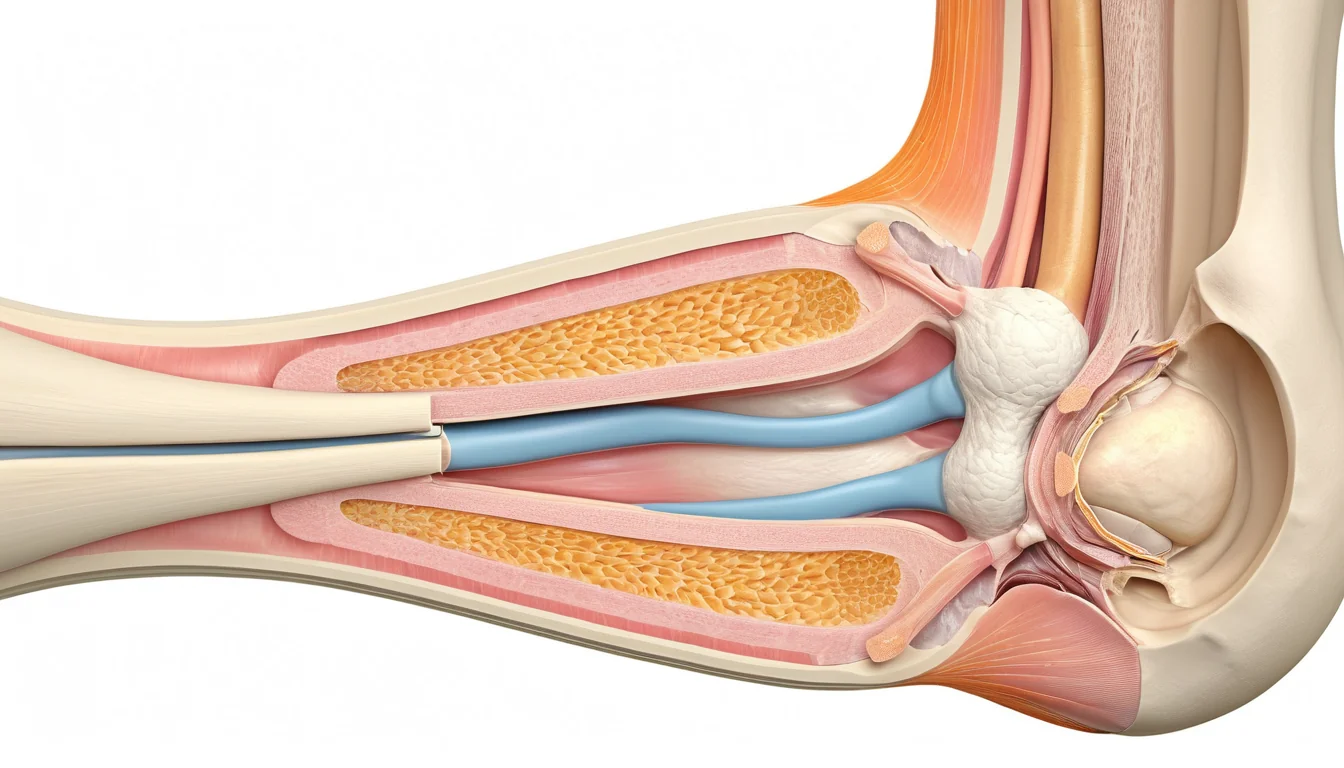
Tennis elbow is the common name for lateral epicondylitis, a condition where the tendons that attach to the outside of the elbow become damaged. These tendons connect the forearm muscles to the bone. When they are overused, tiny tears can develop, leading to pain and tenderness.
There is also a related condition called golfer’s elbow, or medial epicondylitis, which affects the inside of the elbow. However, tennis elbow is far more common of the two. Both conditions fall under the broader category of tendinitis, meaning inflammation or degeneration of a tendon.
According to the Mayo Clinic’s overview of tennis elbow, this condition affects people of all activity levels, not just athletes.
Who Gets Tennis Elbow?
Tennis elbow is most common in adults between the ages of 40 and 50. It can affect both men and women equally. While it does occur in tennis players, they make up only about 5 to 8 percent of all cases.
Many other groups are at risk. For example, people whose jobs or hobbies involve repeated arm movements are especially vulnerable. This includes:
- Office workers who type for long periods
- Painters and carpenters
- Plumbers and mechanics
- Cooks and butchers
- Musicians, such as violinists
- Homemakers who do heavy housework
Amateur tennis players are at higher risk than professionals. This is often because they have not yet developed proper technique, which puts extra strain on the elbow tendons.
What Causes Tennis Elbow?
Tennis elbow develops from overuse and repetitive strain on the forearm muscles and tendons. Each time you grip, twist, or lift something, your forearm muscles contract. Over time, this repeated stress causes small tears in the tendons near the elbow.
The tendons most often affected are:
- The extensor carpi radialis brevis tendon
- The common extensor tendon of the fingers
Interestingly, research has shown that true inflammation is often not present in tennis elbow. Instead, the condition involves degeneration of the tendon tissue. The collagen fibres break down, and the structure of the tendon changes over time. This is why rest alone does not always solve the problem.
Pain in tennis elbow comes from changes in the tendon’s chemical structure, irritation of nerve endings, and the build-up of fibrous tissue at the attachment point of the tendon to the bone.
Recognising the Symptoms of Tennis Elbow
The most noticeable symptom of tennis elbow is pain on the outer side of the elbow. This pain usually develops gradually. It may start as mild discomfort and worsen over weeks or months.
Common Symptoms
- Tenderness on the outside of the elbow
- Pain that radiates down the forearm
- Weakness in the wrist and hand
- Pain when gripping objects, such as a coffee mug or door handle
- Difficulty opening jars or shaking hands
The pain is usually worst when you grip something, twist your forearm, or extend your wrist. Activities as simple as lifting a kettle or turning a key can become uncomfortable. In rare cases, the pain may travel up toward the upper arm.
How Is It Different From Other Elbow Problems?
Tennis elbow specifically causes pain on the outer (lateral) side of the elbow. If your pain is on the inner side, it may be golfer’s elbow instead. A family doctor or physiotherapist can help tell the difference. Other conditions, such as a pinched nerve or arthritis, can also cause elbow pain, so getting a proper diagnosis is important.
How Is Tennis Elbow Diagnosed?
A doctor can usually diagnose tennis elbow through a physical examination alone. No special tests are needed in most cases. Your doctor will press on the outer part of your elbow and ask you to move your arm in specific ways to reproduce the pain.
Two common tests used during the exam include:
- Asking you to extend your wrist against resistance
- Asking you to make a fist and then extend your wrist while the doctor applies gentle pressure
If the diagnosis is unclear, your doctor may recommend an MRI scan. This can show the extent of tendon damage and help rule out other causes of elbow pain. X-rays are usually not helpful for tennis elbow, since tendons do not show up on X-ray images.
For more information on how musculoskeletal conditions are assessed, visit Health Canada’s health information resources.
Treatment Options for Tennis Elbow
The good news is that most people with tennis elbow recover fully without surgery. Treatment focuses on relieving pain, reducing strain on the tendon, and supporting the body’s natural healing process.
Rest and Activity Modification
The first step is to rest the affected arm and avoid activities that make the pain worse. This does not mean complete bed rest. However, you should stop or reduce the specific movements that are causing irritation. For many Canadians, this may mean adjusting how you work at a desk or changing your grip technique during sports.
Physiotherapy
Physiotherapy is one of the most effective treatments for tennis elbow. A registered physiotherapist can guide you through daily stretching and strengthening exercises for the forearm muscles. These exercises help rebuild the strength and flexibility of the tendon over time. Physiotherapy services are covered under many provincial health plans in Canada, so check with your plan to see what is available to you.
Anti-Inflammatory Medications
Over-the-counter non-steroidal anti-inflammatory drugs (NSAIDs), such as ibuprofen or naproxen, can help manage pain in milder cases. These are available at any Canadian pharmacy without a prescription. However, they should not be used for long periods without medical advice.
Corticosteroid Injections
If your symptoms last more than two weeks despite rest and medication, your doctor may recommend a corticosteroid injection. This involves injecting a mix of cortisone and a local anaesthetic directly into the painful area near the elbow. This can provide short-term relief. However, the effects are temporary, and repeated injections are not recommended.
Other Therapies
Some patients find relief from additional treatments, including:
- Acupuncture — some evidence suggests it may help reduce pain
- Ultrasound therapy — used by physiotherapists to promote healing
- Electrical stimulation (TENS) — may reduce discomfort in some patients
- Heat therapy — applying warmth to the affected area can ease stiffness
Counterforce braces, worn just below the elbow, are sometimes used. These braces are designed to reduce the force transferred to the tendon during activity. However, they are not a replacement for rest and rehabilitation.
Surgery
Surgery is rarely needed. Fewer than 10 percent of tennis elbow cases require a surgical procedure. If all other treatments have failed after six to twelve months, a surgeon may remove the damaged portion of the tendon. Recovery from surgery takes several months, and physiotherapy is still required afterward.
For a detailed look at treatment approaches, the Healthline guide to tennis elbow offers clear and reliable information.
When to See a Doctor
You should visit your family doctor or a walk-in clinic if your elbow pain does not improve after a week or two of rest at home. Do not ignore pain that is getting worse or that stops you from doing everyday tasks. Early treatment leads to faster recovery.
Seek medical attention sooner if you notice:
- Severe swelling or bruising around the elbow
- Pain that came on suddenly after an injury
- Numbness or tingling in your arm or hand
- Significant weakness in your grip
Your family doctor may refer you to a physiotherapist, sports medicine specialist, or orthopedic surgeon depending on the severity of your condition. Provincial health insurance plans, such as OHIP in Ontario or MSP in British Columbia, typically cover visits to a family doctor and specialist referrals.
Always speak with a qualified healthcare professional before starting any new treatment. This article is for informational purposes only and is not a substitute for medical advice.
Frequently Asked Questions About Tennis Elbow
How long does tennis elbow take to heal?
Tennis elbow can take anywhere from a few weeks to several months to heal, depending on how severe the damage is and how consistently you follow your treatment plan. Most people recover fully within six to twelve months with proper rest and physiotherapy. Starting treatment early gives you the best chance of a faster recovery.
Can tennis elbow heal on its own without treatment?
Mild cases of tennis elbow may improve with rest and avoiding the activities that cause pain. However, without proper rehabilitation exercises, the tendon may not fully recover and symptoms can return. It is best to see a family doctor or physiotherapist to get a structured treatment plan.
What is the difference between tennis elbow and golfer’s elbow?
Tennis elbow causes pain on the outside of the elbow, while golfer’s elbow causes pain on the inside. Both involve tendon damage from overuse, but the specific muscles and tendons affected are different. A doctor can easily tell the difference during a physical examination.
Is massage good for tennis elbow?
Gentle massage and soft tissue therapy can help improve blood flow to the area and reduce muscle tightness around the elbow. A registered massage therapist or physiotherapist can perform these techniques safely. However, massage alone is unlikely to resolve tennis elbow without other treatments such as stretching and strengthening exercises.
Should I wear a brace for tennis elbow?
A counterforce brace worn just below the elbow may help reduce discomfort during activities by redistributing stress on the tendon. However, wearing a brace is not a cure for tennis elbow and should not replace rest or physiotherapy. Ask your doctor or physiotherapist whether a brace is appropriate for your specific situation.
Can I still exercise with tennis elbow?
According to Mayo Clinic’s overview of tennis elbow, this information is supported by current medical research.
For more information, read our guide on bone fracture symptoms and recovery.
Light exercise and physiotherapy-guided stretching are actually an important part of recovering from tennis elbow. However, you should avoid any activities that cause or worsen your elbow pain, such as lifting heavy objects or playing racquet sports. Your physiotherapist can design a safe exercise programme that supports healing without making things worse.
Key Takeaways
- Tennis elbow is a common condition caused by overuse of the forearm tendons near the outer elbow.
- It affects people in many professions and age groups, not just tennis players.
- Symptoms include outer elbow pain, forearm tenderness, and weakness when gripping.
- Diagnosis is usually made through a physical exam by your family doctor.
- Most cases are treated without surgery, using rest, physiotherapy, and medication.
- Corticosteroid injections can provide short-term relief when other treatments are not enough.
- See your family doctor or visit a walk-in clinic if symptoms do not improve within one to two weeks.
- Always consult a healthcare professional for personalised medical advice.
Frequently Asked Questions
What is tennis elbow?
Tennis elbow (lateral epicondylitis) is a painful condition caused by overuse of the forearm muscles and tendons that attach to the lateral epicondyle — the bony bump on the outside of your elbow. Despite its name, it affects many non-athletes, including office workers, painters, and tradespeople who perform repetitive arm movements.
What are the symptoms of tennis elbow?
Common symptoms include pain and burning on the outer elbow, weak grip strength, and discomfort when lifting, gripping, or twisting the forearm. Pain may radiate into the forearm and wrist. Symptoms typically develop gradually and worsen with repetitive activities like shaking hands, turning a doorknob, or holding a coffee cup.
How is tennis elbow treated in Canada?
Tennis elbow treatment typically begins conservatively with rest, ice, and over-the-counter anti-inflammatories like ibuprofen. Physiotherapy, a counterforce brace, and targeted stretching exercises are highly effective. Most Canadians recover within 6–12 months. Severe cases may require corticosteroid injections or, rarely, surgical intervention through a sports medicine specialist or orthopedic surgeon.
How can you prevent tennis elbow from recurring?
Prevent tennis elbow by strengthening forearm muscles with regular exercises, using proper technique during sports and work tasks, and taking frequent breaks from repetitive movements. Using ergonomic tools, wearing a supportive brace during high-risk activities, and warming up before physical activity significantly reduce your risk of developing or re-aggravating the condition.
When should you see a doctor for tennis elbow?
See a doctor if elbow pain persists longer than a few weeks despite rest and home treatment, worsens over time, or significantly limits daily activities. Seek prompt medical attention if pain is severe, the elbow appears swollen or deformed, or you experience numbness and tingling, as these may indicate a more serious underlying condition.

About the Author
Dr. Michael Ross, MD, FRCSCDr. Michael Ross is a fellowship-trained orthopedic surgeon at the University of Alberta Hospital, specializing in joint replacement and sports medicine. A Fellow of the Royal College of Surgeons of Canada (FRCSC), he has over 18 years of surgical experience and has authored multiple textbook chapters on musculoskeletal health. Dr. Ross is passionate about patient education and evidence-based medicine.
View all articles →