Broken Collarbone: Causes, Symptoms & Treatment Canada

Share
A broken collarbone is one of the most common bone injuries seen across Canada, affecting everyone from young children on playgrounds to adult athletes on the field. Whether caused by a fall, a sports collision, or a car accident, this injury can be painful and disruptive — but the good news is that most cases heal well with proper care and timely treatment.
How Is a Broken Collarbone Diagnosed and Treated in Canada?
The collarbone, medically known as the clavicle, plays a critical role in connecting your shoulder to your chest. A clavicle fracture treatment plan depends on the severity of the break, your age, and your activity level. Understanding the causes, recognising the symptoms early, and knowing your options can help you recover faster and avoid complications that could affect your long-term mobility.
What Is a Broken Collarbone?
| Treatment Option | Best Suited For | Benefits | Key Considerations |
|---|---|---|---|
| Arm Sling / Conservative Management | Most broken collarbone cases; undisplaced or minimally displaced fractures | Non-invasive; low risk of complications; typically covered under provincial health plans | Worn for 4–8 weeks; requires follow-up X-rays; limited arm mobility during healing |
| Physiotherapy | All patients during and after immobilization | Restores range of motion, strength, and function; reduces stiffness | Usually begins 2–4 weeks post-injury; referral may be needed through family physician |
| Pain Management (NSAIDs / Acetaminophen) | All broken collarbone patients managing discomfort | Reduces pain and inflammation; available over the counter in Canada | NSAIDs (e.g., ibuprofen) should be used cautiously; consult a pharmacist or physician |
| Open Reduction Internal Fixation (ORIF) Surgery | Severely displaced fractures; fractures with neurovascular involvement | Stabilizes bone with plates and screws; may shorten recovery time in complex cases | Risks include infection, nerve damage, and hardware irritation; performed in hospital under general anaesthesia |
| Plate and Screw Removal (Secondary Surgery) | Patients with hardware irritation following ORIF | Alleviates discomfort caused by prominent hardware under the skin | Typically considered 12–18 months after initial surgery once bone is fully healed |
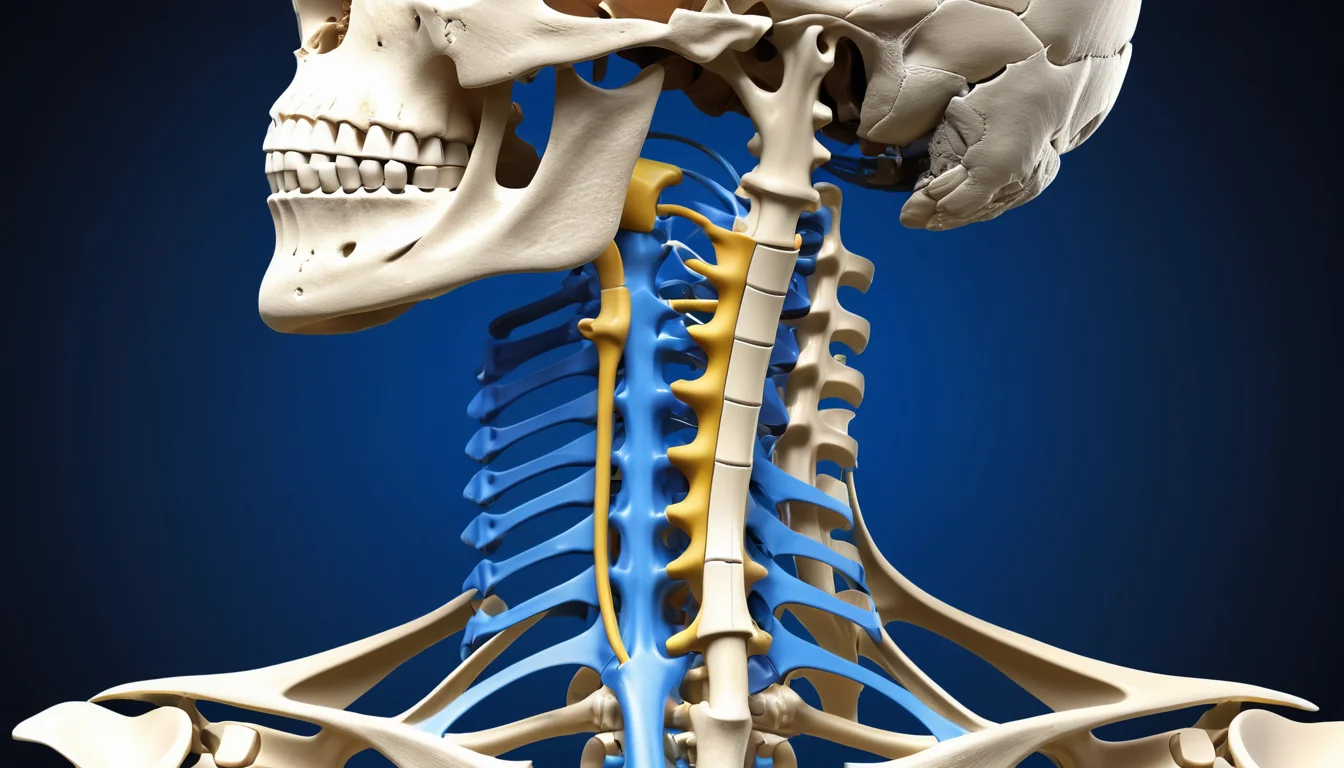
The collarbone, also called the clavicle, is a long bone that runs across the front of your shoulder. It connects your breastbone to your shoulder blade. Along with the shoulder blade and the acromioclavicular joint, the collarbone gives your shoulder its strength and stability.
The collarbone also protects an important bundle of nerves and blood vessels that runs from your neck down to your arm. This bundle is called the brachial plexus. Because of its position, the collarbone is exposed and vulnerable to impact. As a result, fractures here are quite common.
According to Mayo Clinic’s overview of broken collarbone injuries, this type of fracture makes up a significant portion of all shoulder injuries treated each year.
Common Causes of a Broken Collarbone
A broken collarbone usually happens from a sudden impact or fall. The injury often occurs when someone falls and lands on an outstretched hand. The force travels up the arm and puts pressure on the collarbone until it snaps.
Direct impact to the shoulder or collarbone can also cause a fracture. This is especially common in contact sports.
Sports and Activities That Increase Risk
In Canada, collarbone fractures are frequently seen in athletes who play high-contact sports. These include:
- Ice hockey
- Football
- Rugby
- Wrestling
- Cycling and mountain biking
- Skiing and snowboarding
Children are also at higher risk because their bones are still developing. A simple fall on the playground can result in a fracture. Newborns can even fracture their collarbone during a difficult birth.
Recognising the Symptoms
If you have fractured your collarbone, the symptoms are usually hard to ignore. The pain tends to come on suddenly and feels sharp. You will likely notice it right away after the injury.
Key Symptoms to Watch For
Common signs of a broken collarbone include:
- Sudden, sharp pain over the collarbone after impact
- Difficulty or inability to lift your arm because of pain
- A grinding or crackling sensation when you try to move your shoulder
- Swelling, bruising, or tenderness along the collarbone
- A visible bump or lump along the bone
- Your shoulder may look like it is sagging or drooping forward
In rare cases, the broken bone can push against the skin from the inside. This creates what doctors call a “tenting” effect. Very rarely, the bone breaks through the skin entirely. This is a more serious injury that needs immediate emergency care.
Serious Warning Signs
Occasionally, a broken collarbone can injure nearby structures. In rare cases, it may puncture a lung or damage nerves and blood vessels near the shoulder. Watch for these warning signs:
- A pale, cold, or numb arm or hand
- Tingling or pins-and-needles sensation down the arm
- Difficulty breathing or chest pain
If you notice any of these symptoms, call 911 or go to your nearest emergency department right away. These signs suggest a more serious injury that needs urgent attention.
How Is a Broken Collarbone Diagnosed?
A doctor can usually diagnose a broken collarbone through a physical exam and your description of how the injury happened. Your family doctor, a walk-in clinic physician, or an emergency doctor can carry out this assessment.
During the exam, the doctor will check the area for visible deformity or swelling. They will also assess the circulation in your arm by checking your pulse and looking at the colour and temperature of your skin. Nerve function and the range of motion in your shoulder will also be evaluated.
Imaging Tests
An X-ray is the standard next step. It shows the exact location of the fracture and how severe it is. In some cases, a CT scan may be needed to get a more detailed picture, especially if surgery is being considered. These imaging tests are covered under provincial health plans across Canada, so there is no direct cost to you.
Treatment Options for a Broken Collarbone
The good news is that most broken collarbone injuries heal without surgery. Treatment focuses on keeping the arm still and managing pain while the bone heals naturally.
Immobilisation and Rest
The most common treatment is wearing a sling to keep your arm and shoulder still. Adults usually need to wear a sling for a few days to about a week. Children may need to wear one for one to four weeks, depending on the severity.
For children, a figure-of-eight bandage or strap may also be used. This device gently holds the shoulders back in the correct position to help the bone align properly as it heals.
Pain Management
Over-the-counter pain relievers can help manage discomfort. Your doctor may recommend:
- Ibuprofen (Advil, Motrin) — a non-steroidal anti-inflammatory drug (NSAID) that reduces both pain and swelling
- Naproxen (Aleve) — another NSAID option for pain relief
- Acetaminophen (Tylenol) — a good choice for pain relief without anti-inflammatory effects
Important note: Aspirin should not be given to anyone under 20 years of age. It carries a risk of causing a rare but serious condition called Reye’s syndrome in children and teenagers. Always check with your pharmacist or doctor before giving any pain medication to a child.
For more guidance on safe pain relief options, visit Health Canada’s information on medications and safe use.
Rehabilitation and Exercise
Once the pain starts to ease, your doctor or physiotherapist will guide you through gentle exercises. These help restore movement and strength in the shoulder. Starting too early can interfere with healing, so it is important to follow your healthcare provider’s advice on timing.
If you are an athlete or have a very active lifestyle, do not rush back to your sport. Wait until your shoulder has full strength and normal movement before returning to physical activity. Your doctor can help you set a safe timeline.
When Is Surgery Needed?
Surgery is only recommended for severe fractures. For example, surgery may be needed if the bone has broken into several pieces, shifted significantly out of place, or if it has broken through the skin. During surgery, a plate and screws are used to hold the bone in the correct position while it heals. Your orthopaedic surgeon will explain the risks and benefits based on your specific situation.
You can learn more about fracture treatment approaches through Healthline’s detailed guide to broken collarbone recovery.
When to See a Doctor
If you think you or your child may have a broken collarbone, it is important to get medical attention promptly. You do not always need to go to the emergency room. A walk-in clinic or your family doctor can assess the injury, order an X-ray, and recommend treatment for most uncomplicated fractures.
However, go to the nearest emergency department immediately if:
- The bone is visibly poking through or tenting the skin
- There is significant bleeding around the injury
- The arm feels numb, cold, or looks pale
- You are having trouble breathing
- The injured person is an infant or very young child
If you do not have a family doctor, walk-in clinics across Canada can handle collarbone injuries. Many provinces also offer virtual care options where you can speak to a doctor from home before deciding on next steps. Check your provincial health authority’s website to find a clinic near you.
Frequently Asked Questions
How long does a broken collarbone take to heal?
Most adults with a broken collarbone heal within six to eight weeks. Children tend to heal faster, often within three to six weeks. However, full strength and range of motion in the shoulder may take several more months to return completely.
Can a broken collarbone heal on its own without surgery?
Yes, the majority of broken collarbone injuries heal without surgery. Most cases are treated with a sling for immobilisation and pain relievers. Surgery is only needed for severe fractures where the bone is badly displaced or has broken through the skin.
What does a broken collarbone feel like?
A broken collarbone typically causes sharp, sudden pain right after an impact or fall. You may also feel swelling and tenderness along the bone, a grinding sensation when you try to move your shoulder, and find it very difficult to lift your arm.
Should I go to the emergency room or a walk-in clinic for a broken collarbone?
For most broken collarbone injuries without serious complications, a walk-in clinic or your family doctor is a good first step. Go to the emergency room immediately if you notice numbness in the arm, difficulty breathing, or if the bone is visibly pushing through the skin.
Is a broken collarbone covered under provincial health insurance in Canada?
Yes, diagnosis and treatment for a broken collarbone — including X-rays, emergency care, and surgery if needed — are covered under provincial and territorial health plans across Canada. Physiotherapy may or may not be covered depending on your province and whether you have supplemental insurance.
Can you move your arm with a broken collarbone?
According to Mayo Clinic’s overview of broken collarbone injuries, this information is supported by current medical research.
For more information, read our guide on learn more about bone fracture symptoms and recovery in Canada.
Movement is usually very painful and limited with a broken collarbone. Most people find it difficult or impossible to raise the affected arm above shoulder height. Attempting to move the arm may also cause a grinding or crackling sensation along the collarbone.
Key Takeaways
- A broken collarbone is a common injury caused by falls, direct impact, or contact sports like ice hockey and football.
- Symptoms include sudden sharp pain, swelling, a visible bump along the bone, and difficulty lifting the arm.
- Most cases heal without surgery, using a sling for immobilisation and over-the-counter pain relief.
- Do not give aspirin to anyone under 20 years of age due to the risk of Reye’s syndrome.
- Children generally heal faster than adults, but it is still important to follow medical advice on returning to activity.
- Walk-in clinics and family doctors across Canada can diagnose and treat most collarbone fractures.
- Seek emergency care immediately if you notice numbness, a pale arm, difficulty breathing, or if the bone breaks through the skin.
- Always speak with your doctor or a qualified healthcare provider before starting any treatment or rehabilitation programme for a bone injury.
Frequently Asked Questions
What is a broken collarbone?
A broken collarbone, or clavicle fracture, is a break in the bone connecting your shoulder to your breastbone. It is one of the most common fractures in Canada, frequently caused by falls, sports injuries, or direct impacts. It affects people of all ages, including newborns during difficult deliveries.
What are the symptoms of a broken collarbone?
Common symptoms include immediate sharp pain at the injury site, visible swelling or bruising, a sagging shoulder, difficulty or inability to lift the arm, and sometimes a visible bump or deformity over the collarbone. A grinding sensation when attempting to move the shoulder is also frequently reported.
How is a broken collarbone treated in Canada?
Most broken collarbones are treated non-surgically using a sling worn for 4–8 weeks, pain relievers like ibuprofen or acetaminophen, and physiotherapy. Severe fractures with significant displacement may require surgery with plates and screws. Treatment is typically provided through Canadian emergency departments or orthopedic clinics.
When should you see a doctor for a broken collarbone?
Seek immediate medical attention if you experience severe shoulder pain after an injury, visible deformity, numbness, tingling, or weakness in the arm or hand. Visit your nearest emergency department or urgent care clinic, as untreated fractures can lead to complications including nerve or blood vessel damage.
Can you prevent a broken collarbone?
While not always preventable, you can reduce risk by wearing proper protective gear during contact sports and cycling, using seatbelts consistently, and maintaining strong bones through calcium and vitamin D intake. Older adults should focus on fall prevention strategies, including balance exercises and removing household hazards.

About the Author
Dr. Michael Ross, MD, FRCSCDr. Michael Ross is a fellowship-trained orthopedic surgeon at the University of Alberta Hospital, specializing in joint replacement and sports medicine. A Fellow of the Royal College of Surgeons of Canada (FRCSC), he has over 18 years of surgical experience and has authored multiple textbook chapters on musculoskeletal health. Dr. Ross is passionate about patient education and evidence-based medicine.
View all articles →