Acute Prostatitis: Symptoms, Treatment & Prevention Canada

Share
Acute prostatitis is a sudden bacterial infection of the prostate gland that causes severe urinary pain and can make you feel extremely unwell within hours. It is less common than chronic prostatitis but far more intense, and Canadian men of any age can be affected. Recognizing the warning signs early is essential for a fast recovery.
What Causes Acute Prostatitis and Who Is at Risk?
Understanding the prostatitis symptoms Canada’s doctors look for can help you act quickly and avoid serious complications. This guide covers everything you need to know about prostate gland inflammation, including its causes, how it is diagnosed and treated by Canadian healthcare providers, and practical steps you can take to reduce your risk. If you suspect you have this condition, speak with your family doctor right away.
What Is Acute Prostatitis?
| Treatment Option | Description & How It Works | Benefits | Important Considerations |
|---|---|---|---|
| Oral Antibiotics (First-Line) | Fluoroquinolones (e.g., ciprofloxacin) or trimethoprim-sulfamethoxazole prescribed for 4–6 weeks for mild to moderate acute prostatitis | Highly effective against common bacterial causes; convenient outpatient treatment; widely available across Canada | Full course must be completed; resistance patterns vary by region; consult your physician regarding local antibiotic guidelines |
| IV Antibiotics (Hospital-Based) | Intravenous aminoglycosides or ampicillin administered in hospital for severe or complicated cases | Rapid high-concentration delivery; essential for sepsis or inability to tolerate oral medications | Requires hospital admission; typically transitions to oral antibiotics once stabilized; covered under provincial health plans |
| Pain & Symptom Management | NSAIDs (ibuprofen, naproxen) and alpha-blockers to relieve pelvic pain, fever, and urinary symptoms | Improves comfort and urinary flow; reduces inflammation; supports recovery alongside antibiotics | NSAIDs should be used cautiously with kidney concerns; alpha-blockers may cause dizziness; discuss with a pharmacist or physician |
| Urinary Catheterization | Suprapubic or urethral catheter placed when acute urinary retention develops as a complication | Immediately relieves urinary obstruction; prevents bladder damage; critical for patient comfort | Suprapubic route preferred to reduce risk of further prostate irritation; performed by a urologist or ER physician |
| Supportive Care & Lifestyle Measures | Increased fluid intake, rest, sitz baths, stool softeners, and avoiding prolonged sitting or cycling | Reduces symptom burden; promotes healing; easy to implement at home during recovery | Should complement — not replace — antibiotic therapy; symptoms not improving within 48–72 hours require urgent medical reassessment |
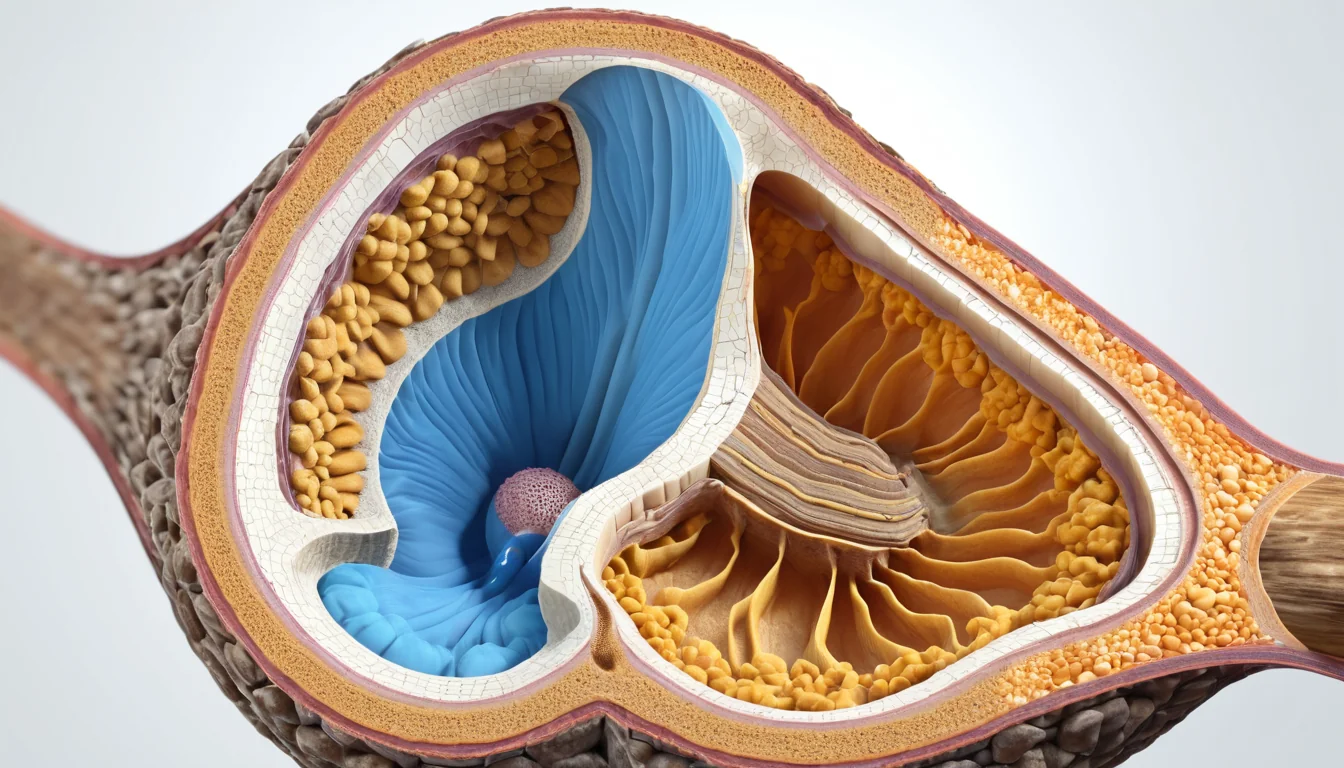
The prostate is a small gland that surrounds the urethra in men. It sits just below the bladder. The prostate helps nourish sperm and plays an important role in reproduction.
Prostatitis means inflammation of the prostate. It can be chronic (long-lasting) or acute (sudden). Acute prostatitis is less common than the chronic form, but it tends to cause more severe symptoms. The symptoms often look similar to a urinary tract infection (UTI).
Roughly 50% of men will experience at least one episode of prostatitis during their lifetime, according to the Mayo Clinic’s overview of prostatitis.
What Causes Acute Prostatitis?
In most cases, acute prostatitis is caused by a bacterial infection. The bacteria travel to the prostate either directly or through the bloodstream. Once there, they trigger sudden inflammation.
Common Bacterial Causes
The bacteria responsible are often the same ones that cause UTIs or sexually transmitted infections (STIs). Common examples include Escherichia coli and Enterococcus faecalis. These organisms are normally found in the gut but can reach the prostate through various routes.
Other Risk Factors
In some cases, acute prostatitis develops after a medical procedure involving the urinary tract or prostate. This is called an iatrogenic infection. In addition, a blocked urethra or a weakened immune system can make a man more vulnerable. However, in a small number of cases, no clear cause is found.
Symptoms of Acute Prostatitis
The symptoms of acute prostatitis come on suddenly and can be intense. Because the inflamed prostate presses against the urethra, urine cannot flow freely from the bladder. This causes several uncomfortable urinary symptoms.
Physical Symptoms
- Fever and chills — often the first sign something is wrong
- Pelvic pain — sudden, severe, and sometimes widespread
- Blood in the urine (haematuria)
- Pain in the pelvic bones or rectum
- Pain during urination or sexual intercourse
- Frequent urination with burning or stinging
- Weak urine stream or difficulty starting to urinate
- Painful ejaculation
- Blood in semen
- Strong or unusual smell to the urine
- Feeling of incomplete bladder emptying
The pressure on the bladder can also cause lower abdominal discomfort. If you notice blood in your urine or cannot urinate at all, seek medical help right away. These are signs of a more serious problem.
How Is Acute Prostatitis Treated?
The main treatment for acute prostatitis is a course of antibiotics. Because the infection is bacterial in most cases, antibiotics are highly effective. Treatment usually lasts four to six weeks, and sometimes longer. Your doctor will choose the right antibiotic based on which bacteria is causing the infection.
Medications to Manage Symptoms
While the antibiotics work on the infection, your doctor may also prescribe medications to ease your symptoms. Alpha-blockers can relax the smooth muscle around the bladder and reduce discomfort. Over-the-counter pain relievers such as ibuprofen or acetaminophen (paracetamol) can also help manage pain and fever.
When Hospital Care Is Needed
In severe cases, acute prostatitis may require a hospital stay. This happens when the inflamed prostate fully blocks the urethra, causing acute urinary retention. In hospital, antibiotics are given intravenously (through a drip). If you cannot urinate at all, go to your nearest emergency room or call 911.
For more information on how bacterial infections are managed, visit Health Canada’s antibiotic resistance resource.
Home Remedies and Self-Care
Alongside medical treatment, there are helpful things you can do at home to ease your symptoms. These are not replacements for medical care. Think of them as supportive measures that work alongside your prescribed treatment.
Comfort Measures at Home
- Warm baths or showers can soothe pelvic pain and muscle tension.
- Use a cushion or padded seat when sitting to reduce pressure on the prostate.
- Avoid cycling and other activities that put pressure on the pelvic area.
- Drink plenty of water and caffeine-free herbal teas to stay well hydrated.
- Avoid alcohol, as it can irritate the bladder and worsen symptoms.
- Reduce spicy and heavily processed foods, which may aggravate the urinary tract.
Some men report benefits from alternative therapies such as acupuncture or dietary supplements. However, the scientific evidence for these is limited. Always let your doctor know about any supplements you are taking, as some can interact with antibiotics.
Preventing Acute Prostatitis
You can take several steps to lower your risk of developing acute prostatitis or a recurrence of the condition. These habits support prostate and urinary tract health overall.
Healthy Habits That Help
- Use protection during sex — condoms reduce the risk of STIs that can infect the prostate.
- Stay well hydrated — drinking enough water helps flush bacteria from the urinary tract.
- Eat a balanced diet — limit processed foods and eat plenty of fruits, vegetables, and fibre.
- Manage stress — chronic stress can weaken the immune system and increase infection risk.
- Maintain good hygiene — simple hygiene practices help prevent urinary tract infections.
- Protect the pelvic area from injury — wear appropriate protective gear during contact sports.
These lifestyle habits are simple but meaningful. Furthermore, they support your overall health, not just your prostate.
Possible Complications of Acute Prostatitis
If left untreated, acute prostatitis can lead to serious complications. The blocked urine flow can back up into the kidneys and cause kidney damage or failure. Urinary stasis (pooled urine) also creates ideal conditions for further infections.
Other potential complications include:
- Prostatic abscess — a pocket of pus forms inside the prostate.
- Epididymitis — inflammation spreads to the epididymis (the coiled tube behind the testicle).
- Bacteraemia — bacteria enter the bloodstream and spread to other organs.
- Fertility problems — prostate infections can affect sperm quality and lead to low sperm count or absence of sperm.
- Chronic prostatitis — in some cases, acute prostatitis can become a long-term condition.
The good news is that most cases of acute prostatitis respond well to treatment. With prompt antibiotic therapy, the outlook is generally very positive. According to Healthline’s guide on prostatitis, most men recover fully with appropriate treatment.
When to See a Doctor
Do not wait if you think you might have acute prostatitis. This condition needs prompt medical attention. Early treatment helps prevent complications and speeds up recovery.
See your family doctor as soon as possible if you have pain when urinating, pelvic discomfort, or a fever alongside urinary changes. If you do not have a family doctor, a walk-in clinic can assess you and prescribe antibiotics if needed. Most provincial health plans in Canada cover visits for conditions like this.
Go to the emergency room right away if you cannot urinate at all, have blood in your urine, have a high fever with chills, or feel extremely unwell. These are warning signs of a severe infection that needs immediate care.
Always follow your doctor’s advice and complete the full course of antibiotics, even if you start feeling better before it is finished. Stopping early can allow the infection to return or become resistant to treatment.
What are the first signs of acute prostatitis?
The first signs of acute prostatitis usually include a sudden fever, chills, and pain in the pelvic area. You may also notice pain or a burning sensation when urinating, and a frequent urge to urinate. These symptoms come on quickly and can feel similar to a severe urinary tract infection.
How long does acute prostatitis last?
With proper antibiotic treatment, most men with acute prostatitis start to feel better within a few days. However, the full course of antibiotics typically lasts four to six weeks. Completing the entire course is important to prevent the infection from coming back or becoming chronic.
Can acute prostatitis go away on its own?
Acute prostatitis should not be left to resolve on its own. It is a bacterial infection that requires antibiotic treatment. Without treatment, it can lead to serious complications such as a prostatic abscess, kidney damage, or a spread of infection through the bloodstream.
Is acute prostatitis contagious?
Acute prostatitis itself is not directly contagious. However, some of the bacteria that cause it — particularly those linked to sexually transmitted infections — can be passed between partners. Using condoms during sexual activity helps reduce the risk of transmitting these bacteria.
What is the best antibiotic for acute prostatitis in Canada?
The choice of antibiotic for acute prostatitis depends on which bacteria is causing the infection. Common choices include fluoroquinolones or trimethoprim-sulfamethoxazole, but your doctor will decide based on test results and your medical history. In Canada, your family doctor or a walk-in clinic physician can prescribe the appropriate treatment.
Can acute prostatitis affect fertility?
Yes, untreated or severe acute prostatitis can affect fertility. The infection can reduce sperm quality and count, or in some cases lead to the complete absence of sperm in semen. However, most men who receive prompt and complete treatment recover their normal reproductive function.
Key Takeaways
- Acute prostatitis is a sudden bacterial infection of the prostate gland.
- Symptoms include fever, pelvic pain, and difficulty urinating — these come on quickly.
- Treatment involves a four-to-six week course of antibiotics prescribed by a doctor.
- Severe cases may require hospital care and intravenous antibiotics.
- Warm baths, hydration, and avoiding pressure on the pelvis can help ease symptoms at home.
- Using condoms, staying hydrated, and eating a balanced diet help reduce your risk.
- See your family doctor or a walk-in clinic promptly if you notice symptoms.
- Go to the emergency room if you cannot urinate, have blood in your urine, or have a high fever.
According to Mayo Clinic’s overview of prostatitis, this information is supported by current medical research.
For more information, read our guide on bacterial infections like folliculitis.
This article is for informational purposes only and does not replace professional medical advice. Always consult your family doctor or a qualified healthcare provider about any health concerns.
Frequently Asked Questions
What is acute prostatitis?
Acute prostatitis is a sudden bacterial infection of the prostate gland causing severe inflammation. It is the least common but most serious form of prostatitis. The condition requires prompt medical treatment with antibiotics and, if untreated, can lead to serious complications such as a prostatic abscess or sepsis.
What are the symptoms of acute prostatitis?
Common symptoms include sudden fever, chills, lower back and pelvic pain, painful or burning urination, frequent urgent urination, difficulty emptying the bladder, and pain during ejaculation. Some men also experience flu-like symptoms. These symptoms develop rapidly and are typically more severe than other forms of prostatitis.
How is acute prostatitis treated in Canada?
Acute prostatitis is treated with a course of oral antibiotics, typically fluoroquinolones or trimethoprim-sulfamethoxazole, prescribed for four to six weeks. Severe cases may require hospitalization and intravenous antibiotics. Pain relievers, anti-inflammatories, stool softeners, and increased fluid intake are also recommended to manage symptoms during recovery.
Can acute prostatitis be prevented?
While not always preventable, you can reduce risk by practising good hygiene, staying well hydrated, urinating regularly to flush bacteria, using condoms during sexual activity, and treating urinary tract infections promptly. Men with recurrent urinary infections or who have had urinary catheterization face higher risk and should discuss prevention strategies with their doctor.
When should you see a doctor for acute prostatitis symptoms?
Seek medical attention immediately if you experience high fever, severe pelvic or lower back pain, inability to urinate, or painful urination combined with chills. These symptoms can indicate a serious infection requiring urgent treatment. In Canada, visit your family doctor, a walk-in clinic, or an emergency department promptly to avoid dangerous complications.

About the Author
Dr. Linda Chen, RD, PhDDr. Linda Chen is a registered dietitian and PhD in Nutritional Sciences from the University of British Columbia. With expertise in clinical nutrition, sports dietetics, and gut health, she has worked with leading Canadian hospitals and sports organizations. Dr. Chen is a member of Dietitians of Canada and regularly contributes to national nutrition policy discussions.
View all articles →