
Enlarged Prostate: Symptoms, Diagnosis & Treatment Canada

Share
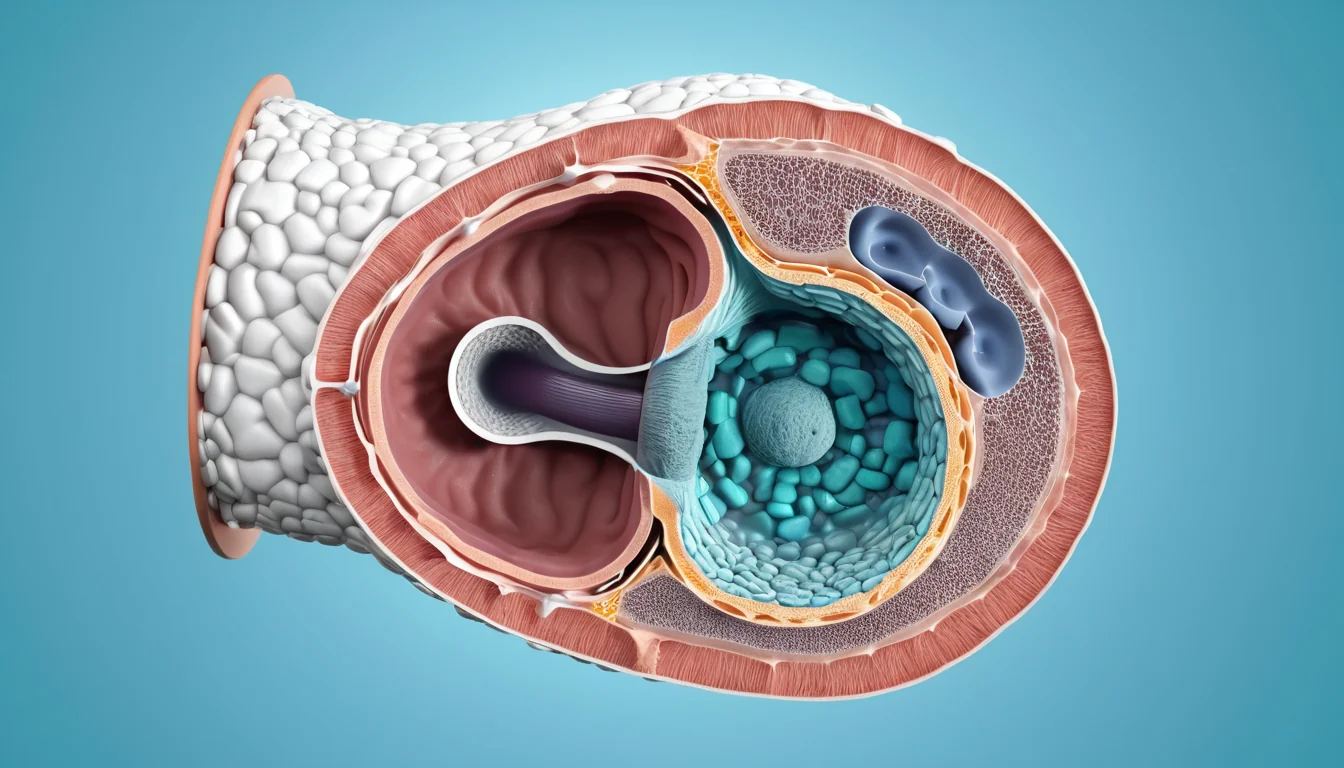
An enlarged prostate is one of the most common health concerns affecting Canadian men over the age of 50, yet many do not fully understand its causes or the treatments available. Medically known as benign prostatic hyperplasia (BPH), this condition occurs when the prostate gland gradually grows larger than normal, squeezing the urethra and making it increasingly difficult to urinate. While the condition is not cancerous, it can significantly affect daily comfort and quality of life if left unmanaged.
Understanding the Causes and Risks of an Enlarged Prostate
Recognizing enlarged prostate symptoms early is the key to getting effective care and preventing complications such as urinary tract infections, bladder damage, or kidney problems. Fortunately, Canadian men have access to a wide range of diagnosis tools and treatment options, from simple lifestyle adjustments to advanced minimally invasive procedures. This comprehensive guide explains what causes BPH, how doctors in Canada diagnose it, and the most effective treatments available today.
What Is an Enlarged Prostate?
| Treatment Option | How It Works | Benefits | Considerations |
|---|---|---|---|
| Watchful Waiting (Active Monitoring) | Regular check-ups with no immediate intervention; lifestyle modifications such as reducing fluid intake before bed | No medication side effects; appropriate for mild symptoms; no surgical risks | Symptoms may worsen over time; requires regular follow-up with a family physician or urologist |
| Alpha-Blockers (e.g., Tamsulosin) | Relax the muscles of the prostate and bladder neck to improve urine flow | Fast-acting relief (within days); widely available through Canadian pharmacies; covered by most provincial drug plans | May cause dizziness, low blood pressure, or retrograde ejaculation; does not shrink the prostate |
| 5-Alpha Reductase Inhibitors (e.g., Finasteride, Dutasteride) | Block hormones that cause prostate growth, gradually shrinking the enlarged prostate | Reduces prostate size over time; lowers risk of acute urinary retention; may be used long-term | Takes 3–6 months for full effect; may cause sexual side effects including decreased libido; not suitable during pregnancy exposure |
| Minimally Invasive Procedures (e.g., UroLift, Rezum) | In-office or outpatient procedures that open the urethra without removing prostate tissue | Quick recovery time; preserves sexual function; available at many Canadian urology centres | May not be suitable for very large prostates; long-term data still emerging; wait times may vary by province |
| Transurethral Resection of the Prostate (TURP) | Surgical removal of excess prostate tissue through the urethra under general or spinal anaesthesia | Highly effective long-term relief; considered the gold standard surgical treatment in Canada | Requires hospitalization; risk of bleeding, infection, and retrograde ejaculation; longer recovery period of 4–6 weeks |
The prostate is a small gland, about the size of a walnut, that sits just below the bladder in men. It surrounds the urethra, the tube that carries urine out of the body. When the prostate grows larger, it can squeeze the urethra and make it harder to urinate.
BPH is not the same as prostate cancer. However, an enlarged prostate can still have a serious impact on your quality of life. In addition, if left untreated, it can lead to problems with the bladder, urinary tract, and kidneys. For more background on prostate health, visit Health Canada’s men’s health resources.
Common Symptoms of an Enlarged Prostate
Symptoms of BPH mostly affect urination. They can range from mild to very disruptive. Many men ignore early signs, but catching them early leads to better outcomes.
Common symptoms include:
- A weak or slow urine stream
- Difficulty starting to urinate
- Feeling like the bladder is never fully empty
- Frequent urination, especially at night
- A sudden, urgent need to urinate
- Dribbling at the end of urination
These symptoms can disrupt sleep, work, and everyday activities. Therefore, it is important not to dismiss them as just a normal part of ageing.
When Symptoms Become Serious
Some symptoms need prompt medical attention. If you cannot urinate at all, notice blood in your urine, or feel pain in your lower abdomen, seek care right away. You can visit a walk-in clinic or your local emergency department if your family doctor is not available.
How Is an Enlarged Prostate Diagnosed?
Your family doctor will use several tools to diagnose an enlarged prostate. Diagnosis usually starts with a physical exam and a review of your symptoms. From there, your doctor may order one or more of the following tests.
Digital Rectal Exam
During this exam, your doctor gently inserts a gloved finger into the rectum. This allows them to feel the size and shape of the prostate through the rectal wall. It is a quick and simple procedure done right in the office.
Lab Tests
A urine test checks for signs of infection. A blood test measures your PSA (prostate-specific antigen) level. Elevated PSA levels can be linked to BPH, prostate inflammation, or prostate cancer, so your doctor will explain what the results mean for you.
Urine Flow Test
This test measures how strong and steady your urine stream is. You urinate into a special device that records the speed and volume of your flow. It gives your doctor a clear picture of how well urine is passing through your urethra.
Post-Void Residual Test
This test checks how much urine stays in your bladder after you urinate. It is usually done with an ultrasound. In some cases, a small catheter is used instead. A large amount of leftover urine may signal a blockage caused by an enlarged prostate.
Other Diagnostic Tests
Your doctor may also recommend additional tests depending on your situation. These can include:
- Urodynamic testing: Water is placed into the bladder through a catheter to measure how well the bladder and sphincter muscles work.
- Ultrasound: This estimates the size of the prostate and checks for other problems such as an abscess.
- Cystoscopy: A thin, flexible tube with a tiny camera is inserted into the urethra to view the prostate and bladder directly.
- CT urogram or intravenous pyelogram: A contrast dye is injected into a vein, and imaging scans are taken to see how the kidneys, bladder, and ureters are functioning.
- Retrograde pyelography: Contrast dye is injected into the ureters to pinpoint where the urinary flow is being blocked.
Not every man will need all of these tests. Your doctor will recommend only what is necessary based on your symptoms and medical history.
Treatment Options for an Enlarged Prostate
Treatment for BPH depends on the size of your prostate, the severity of your symptoms, and your overall health. There are several options available, ranging from lifestyle changes to surgery. Furthermore, many Canadian men manage BPH successfully without ever needing an operation. Learn more about treatment approaches at the Mayo Clinic’s BPH treatment guide.
Lifestyle Changes for a Mildly Enlarged Prostate
If your prostate is only slightly enlarged, simple lifestyle changes may be enough to manage your symptoms. These changes are often the first step your doctor will suggest.
Helpful strategies include:
- Reducing how much you drink in the evening to limit nighttime urination
- Cutting back on caffeine and alcohol, as both irritate the bladder
- Practising double voiding — urinating, waiting a moment, then urinating again to empty the bladder more fully
- Going to the bathroom on a schedule rather than waiting until the urge is urgent
Medications for an Enlarged Prostate
Medications are often effective for men with moderate symptoms. In some cases, a combination of two medications works better than one alone. Your doctor will help you find the right approach for your situation.
The main medication types include:
- Alpha-blockers: These relax the muscle tissue at the neck of the bladder and in the prostate. This makes it easier to urinate. They often work quickly, within a few days.
- 5-alpha reductase inhibitors: These medications shrink the prostate over time. However, they can take several months to show a noticeable effect. They tend to work best for men with significantly enlarged prostates.
- Anticholinergics: These help increase bladder capacity and reduce the sudden urge to urinate. They are sometimes used alongside other medications.
Minimally Invasive and Surgical Treatments
If lifestyle changes and medications are not enough, your doctor may recommend a minimally invasive procedure or surgery. These options are suited for men with severe symptoms or a very enlarged prostate. Most of these procedures require only a short hospital stay and have fewer complications than traditional open surgery.
Laser Therapy
A thin tube called a cystoscope is inserted through the urethra. High-energy laser pulses are then used to vaporise or remove the excess prostate tissue. Laser therapy typically provides fast symptom relief. It also carries a lower risk of long-term erectile dysfunction or urinary incontinence compared to older surgical methods.
There are two main laser approaches:
- Laser enucleation: This removes the excess prostate tissue in one piece. The removed tissue can be sent to a lab to check for cancer. Studies show this technique is effective regardless of prostate size and results can last up to 10 years.
- Laser photovaporisation: This procedure vaporises the excess tissue. It is similar to enucleation, but the vaporised tissue cannot be collected for laboratory testing.
Microwave Thermal Therapy
Also called transurethral microwave thermotherapy (TUMT), this procedure uses a special catheter inserted into the urethra. The catheter delivers microwave energy to heat and destroy the overgrown prostate tissue. This option is usually recommended for men with a smaller prostate but moderate symptoms. The procedure takes about one hour, and it may take a few weeks to notice improvement.
Needle Ablation
In this procedure, a catheter delivers radiofrequency energy directly into the prostate. The energy heats and destroys the enlarged tissue. Needle ablation can reach deeper areas of the prostate that microwave therapy cannot. As a result, it may be a good choice for certain men whose anatomy makes other procedures less effective.
Transurethral Resection of the Prostate (TURP)
TURP is one of the most common surgical treatments for BPH. A surgical instrument is inserted through the urethra to mechanically remove excess prostate tissue. The removed tissue can be sent to a lab for analysis. TURP is typically recommended for men with moderate to severe symptoms who have not responded to other treatments. It has a strong track record and is widely available at hospitals across Canada.
When to See a Doctor About an Enlarged Prostate
You should speak with a healthcare provider if urinary symptoms are interfering with your sleep, work, or daily life. An enlarged prostate is very treatable, especially when caught early. Do not wait until symptoms become unbearable.
Start by booking an appointment with your family doctor. If you do not have a family doctor, a walk-in clinic can assess your symptoms and refer you to a urologist if needed. Most provincial health plans in Canada cover the diagnostic tests and treatments described in this article. However, it is always a good idea to confirm coverage with your provincial health authority.
Seek immediate care if you experience any of the following:
- Complete inability to urinate
- Blood in your urine
- Severe pain or pressure in your lower abdomen or back
- Fever combined with urinary symptoms, which may signal a serious infection
For additional trusted information on urinary health, visit Healthline’s guide to benign prostatic hyperplasia.
Frequently Asked Questions About Enlarged Prostate
What is the main cause of an enlarged prostate?
An enlarged prostate is mainly caused by hormonal changes that happen naturally as men age. The exact reason some men develop significant BPH while others do not is still being studied. Family history and lifestyle factors such as obesity may also play a role.
Can an enlarged prostate go away on its own?
An enlarged prostate does not typically shrink on its own without treatment. However, mild symptoms can sometimes be managed through lifestyle changes alone. A doctor can help you decide whether active monitoring, medication, or a procedure is the right approach for your situation.
Is an enlarged prostate the same as prostate cancer?
No, an enlarged prostate caused by BPH is not cancer and does not increase your risk of developing prostate cancer. They are two separate conditions. However, both can cause similar symptoms, which is why it is important to see a doctor for a proper diagnosis.
At what age does an enlarged prostate usually start?
Symptoms of an enlarged prostate most often appear in men over the age of 50. By age 60, about half of all men have some signs of BPH, and by age 85, the number rises to over 90 percent. Regular check-ups with your family doctor can help catch changes early.
What foods or drinks should I avoid with an enlarged prostate?
Men with an enlarged prostate are often advised to limit caffeine, alcohol, and spicy foods, as these can irritate the bladder and worsen urinary symptoms. Drinking less fluid in the evening can also help reduce nighttime trips to the bathroom. Talk to your doctor or a registered dietitian for personalised advice.
Does an enlarged prostate affect sexual function?
According to Mayo Clinic’s guide to benign prostatic hyperplasia (BPH), this information is supported by current medical research.
For more information, read our guide on pituitary tumours and hormonal conditions that affect men’s health.
BPH itself does not always affect sexual function, but some treatments for an enlarged prostate can have side effects such as reduced ejaculation volume or, less commonly, erectile difficulties. Newer minimally invasive treatments generally carry a lower risk of these side effects. Discuss your concerns openly with your doctor before choosing a treatment.
Key Takeaways
- An enlarged prostate, or BPH, is very common in Canadian men over 50 and is not cancer.
- Symptoms include a weak urine stream, frequent urination, and a feeling that the bladder is never fully empty.
- Diagnosis involves a combination of physical exams, blood and urine tests, and imaging studies.
- Treatment ranges from simple lifestyle changes and medications to minimally invasive procedures and surgery.
- Most treatments covered under provincial health plans are accessible through your family doctor or a specialist referral.
- Always speak with your family doctor or visit a walk-in clinic if urinary symptoms are affecting your daily life. Early action leads to better results.
Frequently Asked Questions
What is an enlarged prostate?
An enlarged prostate, medically known as benign prostatic hyperplasia (BPH), is a non-cancerous growth of the prostate gland that commonly affects men over 50. As the prostate enlarges, it can squeeze the urethra, restricting urine flow. BPH is not prostate cancer, but it does require medical management.
What are the symptoms of an enlarged prostate?
Common enlarged prostate symptoms include frequent urination, especially at night, a weak or interrupted urine stream, difficulty starting urination, a feeling of incomplete bladder emptying, and urgent or sudden urges to urinate. In severe cases, men may experience complete urinary retention, which requires immediate medical attention.
How is an enlarged prostate treated in Canada?
Enlarged prostate treatment in Canada ranges from lifestyle changes and watchful waiting for mild cases, to medications like alpha-blockers or 5-alpha reductase inhibitors for moderate symptoms. Minimally invasive procedures or surgery, such as TURP (transurethral resection of the prostate), are options when medications are ineffective. Treatment is covered under provincial health plans.
Can an enlarged prostate be prevented?
There is no guaranteed way to prevent BPH, but healthy lifestyle habits may reduce risk. Regular exercise, maintaining a healthy weight, limiting caffeine and alcohol, and eating a balanced diet rich in vegetables may help. Some studies suggest regular physical activity significantly lowers the risk of developing urinary symptoms from BPH.
When should you see a doctor about urinary problems?
See a doctor if you experience persistent difficulty urinating, frequent nighttime urination disrupting sleep, blood in your urine, or pain during urination. Seek emergency care immediately if you cannot urinate at all. Early diagnosis and treatment prevent complications like urinary tract infections, bladder damage, or kidney problems.

About the Author
Dr. Linda Chen, RD, PhDDr. Linda Chen is a registered dietitian and PhD in Nutritional Sciences from the University of British Columbia. With expertise in clinical nutrition, sports dietetics, and gut health, she has worked with leading Canadian hospitals and sports organizations. Dr. Chen is a member of Dietitians of Canada and regularly contributes to national nutrition policy discussions.
View all articles →