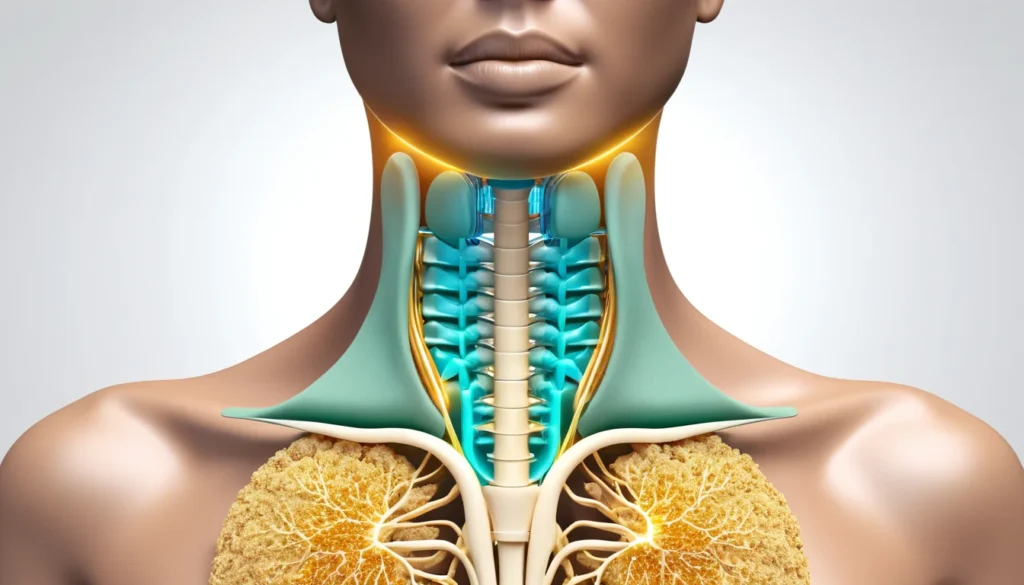
Thyroid and weight gain are closely connected, and millions of Canadians suspect their thyroid may be behind unexplained changes in body weight. The thyroid gland plays a central role in how your body converts food into energy, regulates temperature, and keeps your organs functioning properly — so when it underperforms, the effects can be widespread and frustrating.
How Thyroid and Weight Gain Are Connected in Canadians
Understanding hypothyroidism weight gain in Canada is especially important because the condition often develops gradually and goes undiagnosed for years. The relationship between thyroid health and body weight is more complex than most people realize, involving hormones, metabolism, and even autoimmune conditions like Hashimoto’s thyroiditis. This article explains what the thyroid does, how it affects your weight, and what steps to take if you think something is wrong.
What Is the Thyroid Gland?
Thyroid and Weight Gain: Comparing Hypothyroidism Treatment Options in Canada
| Treatment Option | How It Works | Benefits | Considerations for Canadians |
|---|---|---|---|
| Levothyroxine (Synthroid, Eltroxin) | Synthetic T4 hormone replaces what the thyroid cannot produce, restoring normal metabolism | Highly effective at stabilizing weight; widely available; covered by most provincial drug plans | Requires consistent daily dosing; generic and brand versions may not be interchangeable; regular TSH monitoring needed |
| Desiccated Thyroid Extract (DTE) | Contains both T3 and T4 hormones derived from porcine thyroid glands | Some patients report better weight management and energy levels compared to T4-only therapy | Less commonly prescribed in Canada; not covered by all provincial formularies; dosing requires careful adjustment |
| Combination T4 + T3 Therapy | Adds synthetic liothyronine (T3) alongside levothyroxine to improve hormone conversion | May benefit patients who do not convert T4 to T3 efficiently; can support weight stabilization | Limited availability of liothyronine in some provinces; higher cost; not yet standard Canadian practice guideline |
| Dietary and Lifestyle Adjustments | Supports thyroid function through nutrition, exercise, and stress reduction alongside medical treatment | Improves overall metabolic health; helps manage weight gain related to thyroid dysfunction | Referral to a registered dietitian is available through most provincial health systems; not a replacement for medication |
| Ongoing TSH Monitoring | Blood tests track thyroid-stimulating hormone levels to ensure medication dose is optimized | Prevents under- or over-treatment that contributes to persistent weight gain or loss | Covered under provincial health insurance across Canada; recommended every 6–12 months once stable |
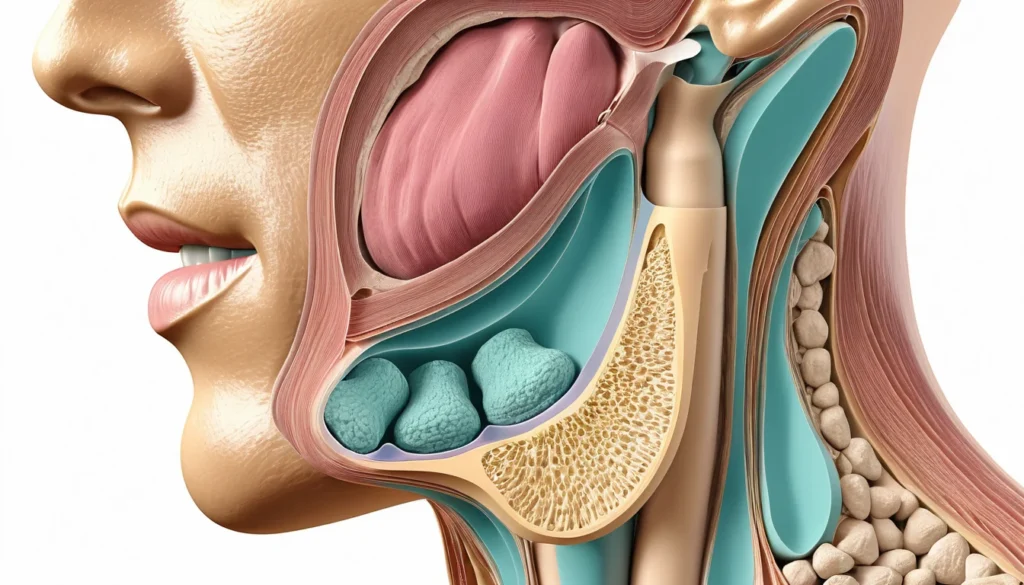
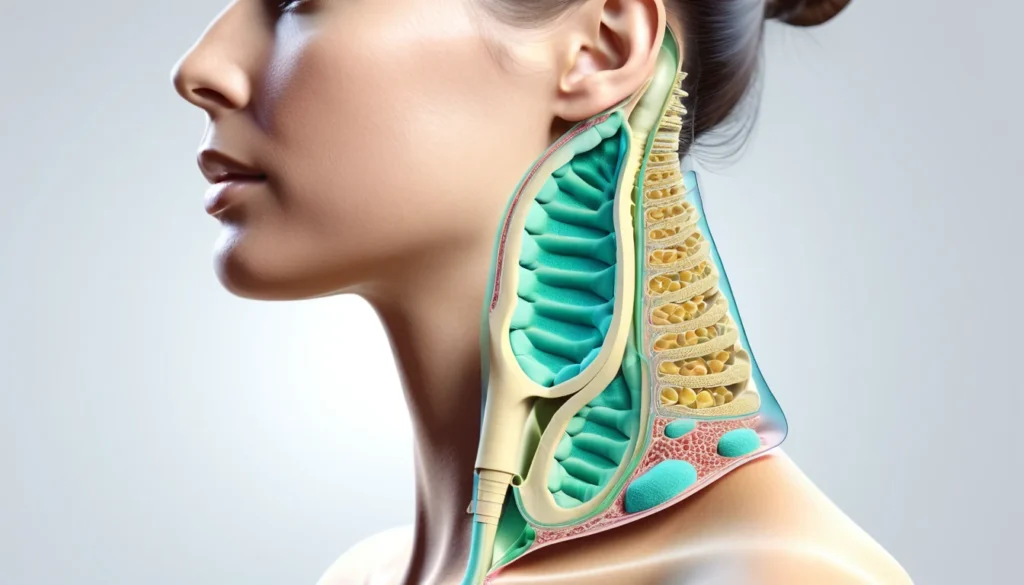
The thyroid is a small, butterfly-shaped gland at the base of your neck. It is an endocrine gland, which means it produces hormones. These hormones travel through your blood and affect cells all over your body.
The thyroid’s main job is to control your metabolism. Metabolism is the process your body uses to turn food into energy. The thyroid does this by regulating how fast your cells work, how much heat your body produces, and how efficiently your organs function.
The gland itself is quite small. Each of its two lobes measures no more than 5 centimetres in length. Despite its small size, the thyroid has a big impact on your overall health and well-being.
How Thyroid Hormones Affect Thyroid and Weight Gain
Your thyroid produces two main hormones. These are called thyroxine (T4) and triiodothyronine (T3). The names come from the number of iodine atoms each hormone contains. T4 has four iodine atoms, while T3 has three.
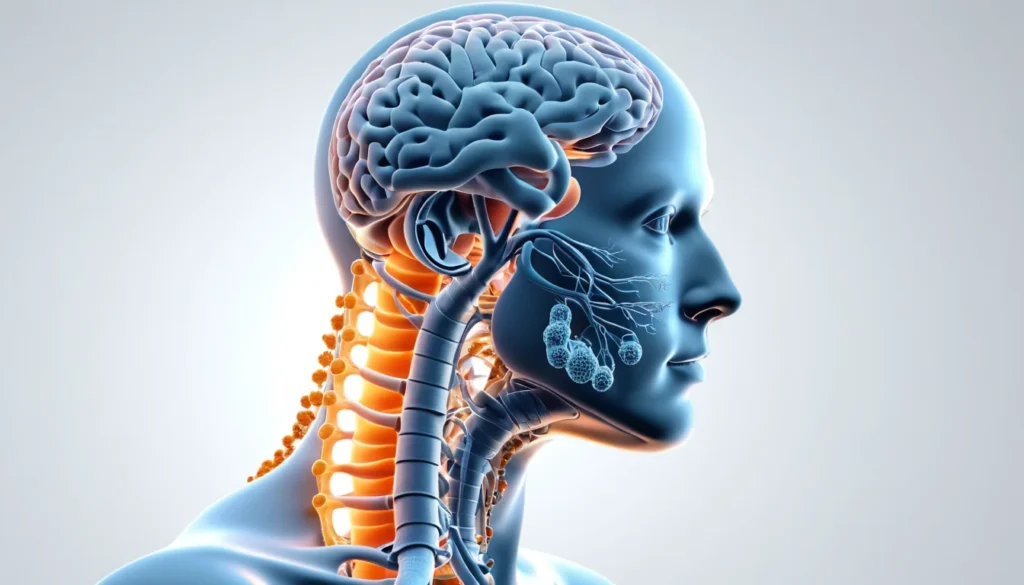
These hormones affect many organs and tissues in your body, including your heart, liver, brain, muscles, pancreas, and fat tissue. Together, they help control your energy balance and appetite. They also influence how your body stores and breaks down fat, and how it processes glucose (blood sugar).
As a result, when your thyroid does not produce enough hormones, your metabolism slows down. This can make it harder to maintain a healthy weight. However, the link between thyroid and weight gain is often misunderstood. Weight gain from thyroid problems is usually modest, not dramatic.
According to the Mayo Clinic’s overview of hypothyroidism, most people with an underactive thyroid gain only a small amount of weight due to the condition itself.
Signs and Symptoms of Hypothyroidism
Hypothyroidism means your thyroid is not making enough hormones. When this happens, your metabolism slows down. This can lead to a modest increase in body weight, usually between two and five kilograms. Much of this extra weight comes from water and salt retention, not fat.
If weight gain is your only symptom, it is unlikely that your thyroid is the sole cause. Thyroid-related weight changes usually come along with other symptoms.
Common Symptoms of an Underactive Thyroid
Hypothyroidism can cause a wide range of symptoms. These symptoms can be easy to confuse with other health conditions, which is why proper testing is so important.
Fatigue – feeling tired even after a full night’s sleep
Depression – low mood that does not improve easily
Constipation – difficulty with regular bowel movements
Dry skin – skin that feels rough or flaky
Slow heart rate (bradycardia) – a heart rate that is lower than normal
Muscle aches – widespread pain or stiffness in the muscles
Hair loss – thinning or shedding more hair than usual
Irregular periods – changes in the menstrual cycle
These symptoms can develop slowly over months or years. For this reason, many people do not notice them right away. Furthermore, these signs are common to many conditions, so a proper diagnosis from a doctor is essential.
What Causes Hypothyroidism?
The thyroid needs iodine to make its hormones. In Canada, iodine deficiency is rare because iodine is added to table salt. This public health measure has helped prevent many cases of thyroid problems across the country.
However, in areas where iodine intake is low, thyroid problems are more common. In developed countries like Canada, the most common cause of hypothyroidism is an autoimmune condition called Hashimoto’s thyroiditis.
What Is Hashimoto’s Thyroiditis?
Hashimoto’s thyroiditis occurs when your immune system mistakenly attacks your own thyroid gland. Over time, this damage reduces the thyroid’s ability to produce hormones. As a result, hormone levels drop and hypothyroidism develops.
Researchers do not yet fully understand why the immune system behaves this way. Currently, there is no known way to prevent Hashimoto’s thyroiditis. However, it can be managed effectively with the right medical treatment.
For more information on autoimmune thyroid conditions, visit Healthline’s guide to Hashimoto’s thyroiditis.
Understanding Obesity and Thyroid Health
Many people living with obesity point to their thyroid as the cause. However, this is only true in a small number of cases. Obesity is most often the result of an imbalance between the energy you take in through food and the energy your body uses.
Your body uses energy in two main ways. First, your resting metabolism keeps your organs working even when you are sitting still. Second, physical activity burns additional energy throughout the day. When you consistently take in more energy than you use, your body stores the extra as fat.
Thyroid problems can contribute to this imbalance by slowing your resting metabolism. However, a sluggish thyroid alone rarely causes significant thyroid and weight gain issues without other contributing factors. Diet, physical activity, sleep, stress, and genetics all play important roles in body weight.
It is also worth noting that obesity itself is a serious health concern. According to the World Health Organization’s fact sheet on obesity, excess body weight is linked to more than 200 health complications, including heart disease, type 2 diabetes, and certain cancers.
How Hypothyroidism Is Diagnosed
If your doctor suspects hypothyroidism based on your symptoms, they will order a blood test. This test measures the levels of thyroid hormones and thyroid-stimulating hormone (TSH) in your blood. TSH is produced by the brain and tells the thyroid how hard to work.
Your doctor may also recommend an ultrasound of your neck. This imaging test lets the doctor see the size and shape of your thyroid gland and the surrounding tissue. It can help identify inflammation, nodules, or other changes.
In addition, your doctor may calculate your body mass index (BMI). This simple measurement uses your height and weight to estimate whether your weight falls within a healthy range. BMI is one tool used to assess weight-related health risks, though it does not tell the whole story on its own.
Treatment Options for Hypothyroidism and Weight
The standard treatment for hypothyroidism is a medication called levothyroxine. This is a synthetic form of T4, the main hormone your thyroid produces. Most people take it as a daily pill, and it works well for the majority of patients.
Once your thyroid hormone levels return to normal, your metabolism should return to its usual pace. For people who have gained weight due to hypothyroidism, treating the condition is an important first step. However, normal hormone levels alone may not lead to significant weight loss without also addressing diet and physical activity.
A healthy lifestyle supports both thyroid health and healthy body weight. Eating a balanced diet rich in fibre, getting regular physical activity, and getting enough restful sleep all help your body function at its best. These habits support your overall health whether or not you have a thyroid condition.
When to See a Doctor
You should speak with a healthcare provider if you notice several of the symptoms listed above, especially if you have unexplained fatigue, weight changes, or hair loss. These symptoms deserve proper investigation, not guesswork.
In Canada, your first step is usually to book an appointment with your family doctor. They can order the necessary blood tests and refer you to a specialist if needed. If you do not have a family doctor, a walk-in clinic can help with initial testing and guidance. Most provincial health plans cover thyroid blood tests when ordered by a physician.
Early diagnosis and treatment of thyroid disorders can make a significant difference in how you feel day to day. Do not wait for symptoms to become severe before seeking help. Always consult your doctor before making changes to your diet, exercise routine, or medications based on thyroid concerns.
Frequently Asked Questions About Thyroid and Weight Gain
Can a thyroid problem cause significant weight gain?
The link between thyroid and weight gain is real, but often smaller than people expect. Most people with hypothyroidism gain only two to five kilograms, much of which is due to water retention rather than fat. Significant weight gain is rarely caused by thyroid problems alone.
Will treating hypothyroidism help me lose weight?
Getting your thyroid hormone levels back to normal is an important step if thyroid and weight gain are connected in your case. However, most people do not lose a large amount of weight from medication alone. A healthy diet and regular physical activity are also needed for lasting weight management.
What is Hashimoto’s thyroiditis?
Hashimoto’s thyroiditis is an autoimmune condition where your immune system attacks your thyroid gland. Over time, this damage lowers thyroid hormone levels and leads to hypothyroidism. It is the most common cause of an underactive thyroid in Canada and other developed countries.
How is hypothyroidism tested in Canada?
Your family doctor or walk-in clinic can order a simple blood test to check your thyroid hormone levels, including TSH. Most provincial health plans cover this test when a doctor requests it. If results suggest a problem, your doctor may also arrange a neck ultrasound or refer you to an endocrinologist.
What are the most common symptoms of hypothyroidism?
Common symptoms include fatigue, depression, dry skin, hair loss, constipation, a slow heart rate, muscle aches, and irregular periods. Weight gain linked to thyroid and weight gain concerns is also possible, but it is usually mild. Because these symptoms overlap with many other conditions, a blood test is the only way to confirm a thyroid problem.
Can I prevent hypothyroidism?
According to Mayo Clinic’s guide to hypothyroidism symptoms and causes, this information is supported by current medical research.
For more information, read our guide on pituitary tumours and their effect on thyroid gland function.
In Canada, iodine is added to table salt, which helps prevent iodine-deficiency hypothyroidism. However, the most common cause in Canada is Hashimoto’s thyroiditis, which cannot currently be prevented. Maintaining a healthy lifestyle with balanced nutrition, regular activity, and good sleep supports your overall thyroid health and helps keep your weight in a healthy range.
Key Takeaways
The thyroid is a small gland in your neck that controls your metabolism through the hormones T3 and T4.
The connection between thyroid and weight gain is real but often modest — most people gain only two to five kilograms from hypothyroidism.
Hypothyroidism symptoms include fatigue, depression, dry skin, hair loss, constipation, and a slow heart rate, not just weight changes.
The most common cause of hypothyroidism in Canada is Hashimoto’s thyroiditis, an autoimmune condition.
Diagnosis involves a blood test and sometimes a neck ultrasound, both available through your family doctor or walk-in clinic.
Levothyroxine is the standard treatment and works well for most people with an underactive thyroid.
A healthy lifestyle — including balanced eating, regular physical activity, and good sleep — supports both thyroid health and healthy weight management.
If you are concerned about thyroid symptoms, speak with your family doctor or visit a walk-in clinic covered by your provincial health plan.
Frequently Asked Questions
What is the connection between thyroid and weight gain?
The thyroid gland regulates metabolism through hormone production. When it is underactive (hypothyroidism), it produces insufficient hormones, slowing metabolism and causing weight gain. Most thyroid-related weight gain involves water retention and fat accumulation. In Canada, hypothyroidism affects approximately 1 in 10 women, making it a common contributor to unexplained weight changes.
What are the symptoms of thyroid-related weight gain?
Thyroid-related weight gain is typically accompanied by fatigue, cold sensitivity, dry skin, constipation, brain fog, and slowed heart rate. Unlike typical weight gain, it often resists diet and exercise changes. Most people gain between 5 to 10 pounds, primarily from fluid retention caused by reduced metabolic function due to low thyroid hormone levels.
How is thyroid and weight gain treated in Canada?
Canadian doctors typically treat hypothyroidism-related weight gain with synthetic thyroid hormone replacement, commonly levothyroxine, available by prescription through provincial health plans. Once thyroid hormone levels normalize, modest weight loss often occurs. However, significant weight loss usually requires additional lifestyle changes including balanced nutrition and regular physical activity alongside medication management.
Can you prevent weight gain caused by thyroid problems?
You cannot fully prevent weight gain from hypothyroidism, but early detection helps minimize it. Regular thyroid screening, especially for women over 35 or those with family history, allows prompt treatment. Maintaining a nutrient-rich diet, staying active, and managing stress support overall thyroid health and can reduce the severity of hormone-related metabolic changes.
When should Canadians see a doctor about unexplained weight gain?
See a doctor if you experience unexplained weight gain of 5 or more pounds over several weeks despite no dietary changes, especially alongside fatigue, hair loss, or cold sensitivity. Canadian family physicians can order a simple TSH blood test to check thyroid function. Early diagnosis prevents further metabolic complications and improves quality of life significantly.