Enlarged Prostate: Symptoms, Diet & Natural Relief Canada

Share
An enlarged prostate affects roughly one in two Canadian men over age 50, making it one of the most common health concerns facing aging males across the country. It can disrupt sleep, make urination difficult, and quietly erode quality of life for years before a man decides to seek help from a healthcare provider.
What Causes an Enlarged Prostate in Canadian Men?
Also known as benign prostatic hyperplasia, this condition develops gradually as hormone levels shift with age. Understanding the early BPH symptoms Canada’s men experience most often is the first step toward taking control. In this article, we cover what causes an enlarged prostate, which prostate health diet choices help or hurt, exercises that support long-term wellness, and when it is time to talk to your family doctor or visit a walk-in clinic.
What Is the Prostate and Why Does It Matter?
| Symptom | Description | Severity Level | When to See a Doctor |
|---|---|---|---|
| Frequent Urination | Needing to urinate more than 8 times per day, including waking at night (nocturia) | Mild to Moderate | If sleep is consistently disrupted or frequency increases suddenly |
| Weak Urine Stream | Reduced force of urine flow, often with starting difficulty or dribbling at the end | Mild to Severe | If stream is significantly reduced or you experience urinary retention |
| Incomplete Bladder Emptying | Sensation that the bladder has not fully emptied after urinating, leading to repeated trips | Moderate | If discomfort is persistent or leads to urinary tract infections |
| Urgent Need to Urinate | Sudden, strong urge to urinate that is difficult to delay or control | Moderate to Severe | If urgency results in leakage or significantly impacts daily activities |
| Urinary Retention | Inability to urinate despite a full bladder; can be acute (sudden) or chronic (gradual) | Severe | Seek emergency care immediately if unable to urinate at all |
| Blood in Urine (Hematuria) | Visible or microscopic blood in the urine, which may indicate enlarged prostate complications | Severe | See a physician promptly — requires immediate investigation to rule out other causes |
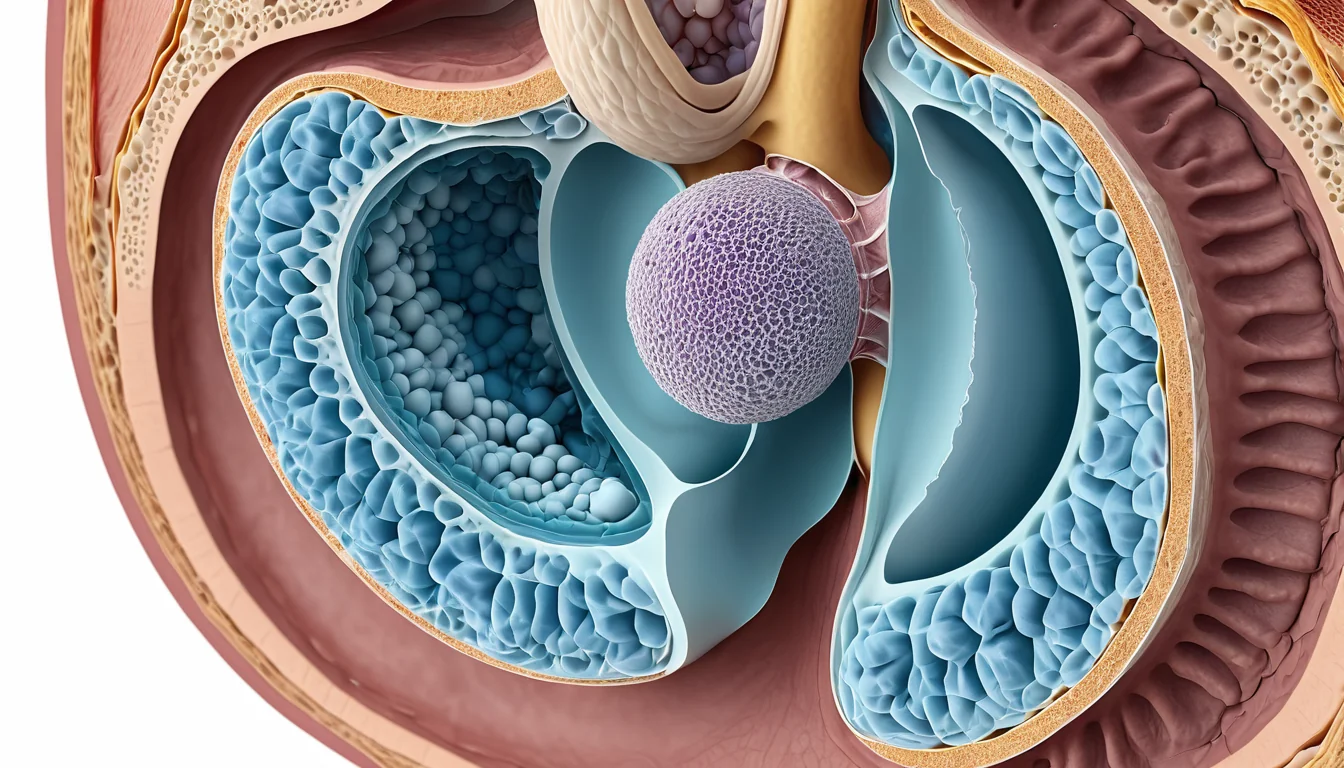
The prostate is a small gland about the size of a walnut. It weighs roughly 30 grams and sits between the base of the penis and the rectum. Its main job is to help produce seminal fluid, which carries sperm during ejaculation.
Despite its small size, the prostate plays a big role in male reproductive health. It is also vulnerable to several conditions that become more common as men age. Understanding these conditions early is one of the best things a man can do for his long-term health.
Common Prostate Conditions in Canadian Men
Benign Prostatic Hyperplasia (BPH)
Benign prostatic hyperplasia, or BPH, is the medical term for a non-cancerous enlarged prostate. The prostate cells multiply faster than normal, causing the gland to grow. This growth puts pressure on the urethra, making it harder to urinate.
The exact cause of BPH is not fully understood. However, several risk factors are well established. These include physical inactivity, obesity, a diet high in additives and red meat, and hormonal changes linked to aging. According to Health Canada, prostate conditions are among the most common health concerns for men over 50.
Prostate Cancer
Prostate cancer is the second most common cancer in men worldwide. It develops when healthy prostate cells develop mutations and grow out of control. The good news is that prostate cancer often grows slowly and may not spread quickly to other parts of the body.
That said, it should never be taken lightly. Key risk factors include age (risk rises sharply after 50), family history, and obesity. Men with obesity not only face a higher risk of prostate cancer but may also be harder to treat if cancer develops. The World Health Organization notes that early detection remains one of the most powerful tools against cancer outcomes.
How Age and Hormones Affect an Enlarged Prostate
Age is the single biggest factor in developing an enlarged prostate. Approximately one in two men over age 50 and two in three men over age 60 are likely to develop BPH. These are striking numbers, yet many men delay seeking care.
Hormonal changes play a direct role as well. As men age, testosterone levels gradually fall. Research suggests a link between declining testosterone and prostate growth, though the relationship is complex. Therefore, maintaining a healthy lifestyle — including regular physical activity — may help support healthy hormone levels as you age.
Foods That Help or Harm Your Prostate Health
What you eat has a measurable effect on prostate health. The prostate is regulated by sex hormones, and certain foods directly influence how those hormones behave in the body. Fortunately, a few simple dietary changes can make a real difference.
Foods to Limit or Avoid
A diet high in red meat and full-fat dairy products has been linked to a higher risk of BPH and prostate cancer. In addition, alcohol — especially beer — caffeine, sodium, and ultra-processed foods can irritate the bladder and worsen urinary symptoms.
- Red meat (beef, pork, processed meats)
- Full-fat dairy (butter, cheese, whole milk)
- Alcohol, especially beer
- Caffeine (coffee, energy drinks)
- High-sodium foods and packaged snacks
- Ultra-processed foods (fast food, frozen meals with additives)
Foods That Support a Healthy Prostate
On the other hand, many everyday foods are genuinely good for prostate health. Fatty ocean fish such as salmon, mackerel, and sardines are rich in omega-3 fatty acids, which have anti-inflammatory properties. Tomatoes contain lycopene, an antioxidant strongly linked to prostate health.
- Fatty fish (salmon, sardines, mackerel) — rich in omega-3
- Tomatoes — high in lycopene
- Onions and garlic — natural anti-inflammatory compounds
- Root vegetables (carrots, beets, sweet potatoes)
- Citrus fruits — excellent source of vitamin C
- Whole grains — good source of B vitamins and fibre
- Yellow fruits such as mango and peach — rich in vitamin A
For a deeper look at prostate-friendly nutrition, Mayo Clinic outlines evidence-based dietary strategies for reducing prostate cancer risk.
Exercises That Support an Enlarged Prostate
You may not realise that targeted pelvic floor exercises can significantly ease the symptoms of an enlarged prostate. These are sometimes called “invisible exercises” because they can be done anywhere, without any equipment.
Kegel Exercises for Men
Kegel exercises strengthen the pelvic floor muscles. To find these muscles, try stopping your urine flow mid-stream. When you contract those muscles without tightening your abdomen, that is a Kegel contraction. During urination, try stopping the flow two to five times per session.
It is important not to make this a regular habit during urination, as doing it too often can interfere with normal bladder function. Instead, use it occasionally to identify the correct muscles, then practise the contractions at other times throughout the day.
Anal Sphincter Contractions
Another helpful exercise involves contracting and releasing the anal sphincter muscles — similar to what you do when trying to hold back a bowel movement. Aim for 100 contractions per day in a single sitting. Consistency is key here. Results tend to build gradually over several weeks of daily practice.
These exercises work best as part of a broader healthy lifestyle. Regular walking, swimming, and cycling also support pelvic health and help manage the weight-related risk factors associated with BPH.
Plant-Based Support for Prostate Health
Many Canadian men explore plant-based and herbal options alongside conventional treatment for an enlarged prostate. One ingredient that has received considerable attention is saw palmetto, a palm plant native to the southeastern United States.
Saw palmetto extract has been studied for its potential to support urinary flow and reduce the discomfort associated with BPH. Some research suggests it may help regulate hormone activity in the prostate. However, results across clinical trials have been mixed, and it should not replace medical treatment or regular screening.
Other herbal ingredients commonly studied for prostate support include stinging nettle root, pumpkin seed extract, pygeum bark, and zinc. If you are considering any natural supplement, always check with your family doctor or pharmacist first. Some supplements can interact with medications or affect PSA test results, which are used to screen for prostate cancer.
When to See a Doctor About Your Prostate
Many men put off talking to a doctor about urinary symptoms because they feel embarrassed. However, early conversations can prevent serious complications down the road. If you notice any of the following symptoms, make an appointment with your family doctor or visit a walk-in clinic soon.
- Weak or interrupted urine stream
- Frequent urination, especially at night (waking two or more times)
- Difficulty starting or stopping urination
- A feeling that your bladder never fully empties
- Blood in urine or semen
- Pain or burning during urination
In Canada, your provincial health plan covers visits to your family doctor and many specialist referrals. Prostate-specific antigen (PSA) blood tests and digital rectal exams (DRE) are standard screening tools. Most provincial guidelines recommend discussing prostate screening with your doctor starting at age 50, or earlier if you have a family history of prostate cancer.
Please note: The information in this article is for general educational purposes only. Always consult your family doctor, walk-in clinic physician, or a urologist before starting any new treatment or supplement programme for prostate health.
Frequently Asked Questions About Enlarged Prostate
What are the first signs of an enlarged prostate?
The first signs of an enlarged prostate often include a weak urine stream, difficulty starting urination, and needing to urinate more frequently at night. Some men also feel like their bladder never fully empties after going to the bathroom. If you notice these symptoms, speak with your family doctor as soon as possible.
At what age does the prostate start to enlarge?
Prostate enlargement can begin as early as the mid-40s, but symptoms usually become noticeable after age 50. About one in two men over 50 and two in three men over 60 show signs of BPH. Regular check-ups with your doctor are the best way to catch changes early.
Can diet help shrink an enlarged prostate?
Diet alone cannot shrink an enlarged prostate, but certain foods can reduce inflammation and ease urinary symptoms. Eating more fatty fish, tomatoes, and vegetables while cutting back on red meat, alcohol, and processed foods may help manage BPH. Always combine dietary changes with regular medical monitoring.
Is an enlarged prostate a sign of cancer?
Not necessarily — most cases of an enlarged prostate are caused by benign prostatic hyperplasia (BPH), which is non-cancerous. However, BPH and prostate cancer can share similar symptoms, so it is important to get properly diagnosed by a doctor. A PSA blood test and physical exam can help tell the difference.
Do Kegel exercises really help with prostate problems?
Yes, pelvic floor exercises like Kegels can help strengthen the muscles around the bladder and prostate, which may reduce urinary leakage and improve flow. They are most effective when done consistently every day as part of a broader healthy lifestyle. Ask your doctor or a pelvic health physiotherapist to show you the correct technique.
Is saw palmetto safe for an enlarged prostate in Canada?
According to Mayo Clinic’s guide to benign prostatic hyperplasia, this information is supported by current medical research.
For more information, read our guide on walking disorders that may affect mobility as men age.
Saw palmetto is widely available in Canada and is generally considered safe for most men at recommended doses. Some studies suggest it may help ease mild urinary symptoms linked to an enlarged prostate, though evidence is not conclusive. Always check with your pharmacist or family doctor before starting any supplement, especially if you take other medications.
Key Takeaways
- An enlarged prostate (BPH) affects roughly one in two Canadian men over age 50 and is a very common, treatable condition.
- Age, family history, obesity, and hormonal changes are the main risk factors for BPH and prostate cancer.
- A prostate-friendly diet limits red meat, alcohol, and processed foods while including fatty fish, tomatoes, and fibre-rich whole grains.
- Pelvic floor exercises such as Kegels can meaningfully reduce urinary symptoms when practised daily.
- Plant-based supplements like saw palmetto may offer supportive benefits, but should never replace medical care or regular PSA screening.
- Your provincial health plan covers prostate screening. Talk to your family doctor or visit a walk-in clinic if you notice any urinary changes.
Frequently Asked Questions
What is an enlarged prostate?
An enlarged prostate, medically called benign prostatic hyperplasia (BPH), is a non-cancerous growth of the prostate gland that commonly affects men over 50. As the prostate expands, it presses against the urethra, restricting urine flow. It is not prostate cancer, but it does require monitoring and management.
What are the symptoms of an enlarged prostate?
Common enlarged prostate symptoms include frequent urination, especially at night, a weak or interrupted urine stream, difficulty starting urination, a feeling of incomplete bladder emptying, and urgent or sudden urges to urinate. In severe cases, men may experience urinary tract infections or complete inability to urinate.
What foods should you avoid with an enlarged prostate?
Men with an enlarged prostate should limit red meat, processed foods, caffeine, alcohol, and high-fat dairy products, as these can worsen symptoms. Spicy foods and artificial sweeteners may also irritate the bladder. A diet rich in vegetables, zinc, lycopene, and omega-3 fatty acids may help reduce inflammation and support prostate health.
Can an enlarged prostate be treated naturally?
Yes, natural approaches can help manage mild to moderate enlarged prostate symptoms. These include regular exercise, a plant-based diet, reducing fluid intake before bed, limiting caffeine and alcohol, and managing stress. Supplements like saw palmetto and beta-sitosterol show some evidence of benefit, though you should consult a doctor before starting any supplement.
When should you see a doctor for prostate problems?
See a doctor promptly if you experience complete inability to urinate, blood in urine or semen, painful urination, or recurring urinary tract infections. You should also seek medical advice if urinary symptoms are disrupting your sleep or daily life. Canadian men over 50 should discuss routine prostate screening with their family physician.

About the Author
Dr. Michael Ross, MD, FRCSCDr. Michael Ross is a fellowship-trained orthopedic surgeon at the University of Alberta Hospital, specializing in joint replacement and sports medicine. A Fellow of the Royal College of Surgeons of Canada (FRCSC), he has over 18 years of surgical experience and has authored multiple textbook chapters on musculoskeletal health. Dr. Ross is passionate about patient education and evidence-based medicine.
View all articles →