Thyroid Disorders: Symptoms, Causes & Treatment Canada

Share
Thyroid disorders affect millions of Canadians, yet many people live with debilitating symptoms for years without receiving a proper diagnosis. Your thyroid gland plays a powerful role in nearly every function in your body — from your metabolism and heart rate to your mood and memory. Understanding how this small but vital gland works, and what happens when it doesn’t, can help you take charge of your health.
Understanding Thyroid Disorders: Types, Symptoms & Risk Factors
Because the signs of thyroid problems often mimic other conditions like depression, fatigue, or natural aging, they are among the most commonly missed diagnoses in Canada. Whether you are experiencing unexplained weight changes, persistent tiredness, or mood shifts, learning to recognize thyroid symptoms early is the first step toward getting the care you need from your Canadian healthcare provider.
What Is the Thyroid Gland?
| Type of Thyroid Disorder | Key Characteristics | Common Symptoms | Management Approach |
|---|---|---|---|
| Hypothyroidism | Underactive thyroid producing insufficient hormones; affects approximately 1 in 10 Canadians, more common in women | Fatigue, weight gain, cold sensitivity, dry skin, depression, slow heart rate | Daily synthetic thyroid hormone (levothyroxine); regular TSH monitoring through provincial lab testing |
| Hyperthyroidism | Overactive thyroid producing excess hormones; often caused by Graves’ disease or toxic nodular goitre | Unexplained weight loss, rapid heartbeat, anxiety, heat sensitivity, tremors, excessive sweating | Anti-thyroid medications (methimazole), radioactive iodine therapy, or thyroidectomy |
| Hashimoto’s Thyroiditis | Autoimmune condition causing chronic inflammation; leading cause of hypothyroidism in Canada | Gradual onset of fatigue, goitre, joint pain, brain fog, irregular menstrual cycles | Levothyroxine replacement therapy; regular follow-up with an endocrinologist or family physician |
| Graves’ Disease | Autoimmune disorder causing hyperthyroidism; more prevalent in women aged 20–50 | Bulging eyes (exophthalmos), goitre, rapid pulse, irritability, muscle weakness | Anti-thyroid drugs, beta-blockers for symptom relief, radioactive iodine, or surgery |
| Thyroid Nodules | Lumps within the thyroid gland; majority are benign; roughly 5% may be malignant | Often asymptomatic; may cause swallowing difficulty, hoarseness, or visible neck swelling | Ultrasound monitoring, fine-needle aspiration biopsy, or surgical removal if malignancy is suspected |
| Thyroid Cancer | Malignant thyroid tumour; papillary thyroid cancer is the most common type diagnosed in Canada | Painless neck lump, persistent hoarseness, difficulty swallowing, swollen lymph nodes | Surgical removal (thyroidectomy), radioactive iodine therapy, TSH suppression therapy, and oncology follow-up |
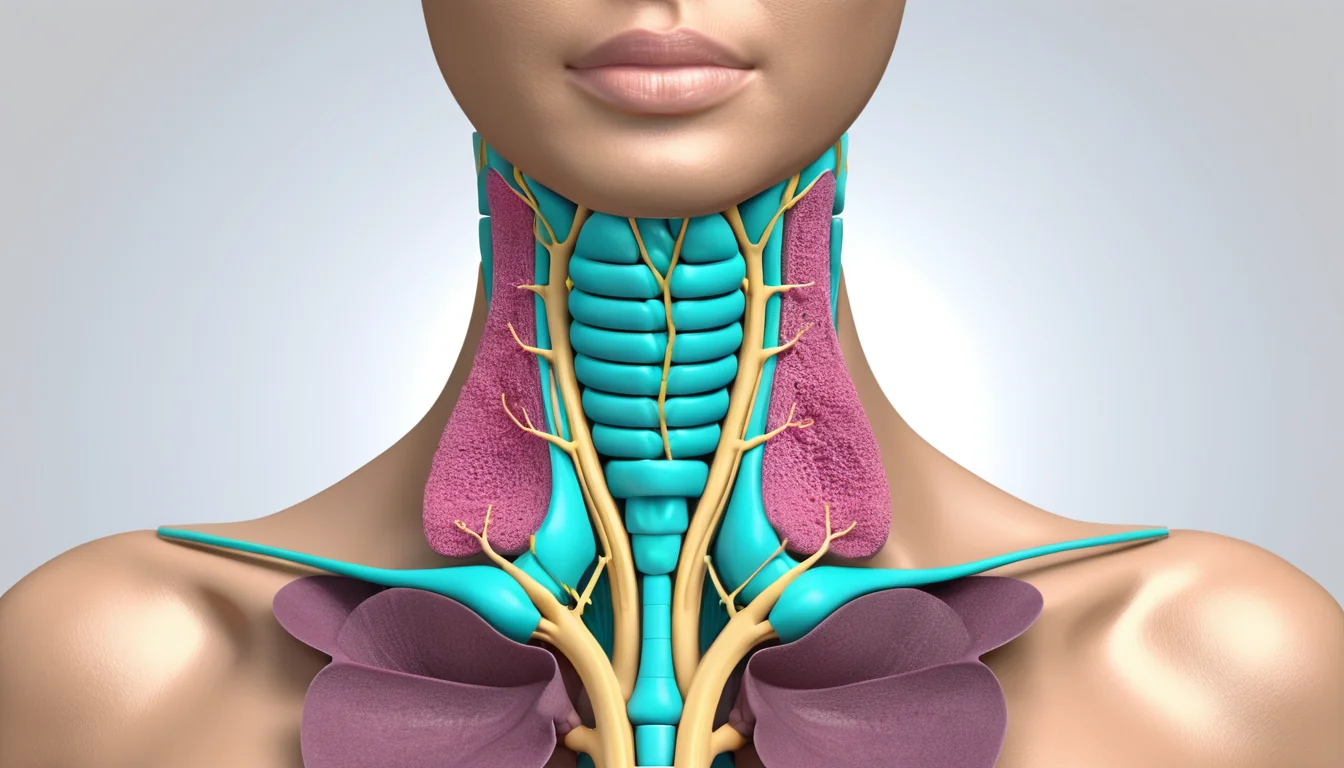
The thyroid is a small, butterfly-shaped gland located at the base of your neck, just in front of your windpipe. It is made up of two lobes connected by a narrow bridge of tissue.
The thyroid produces two key hormones: thyroxine (T4) and triiodothyronine (T3). These hormones control your metabolism — the process your body uses to turn food into energy. They also help regulate body temperature, blood pressure, tissue growth, and the development of your skeleton and nervous system.
In addition, thyroid hormones play an important role in fetal development during pregnancy and in the health of the reproductive system. When the thyroid works well, you feel well. However, when it doesn’t, the effects can touch every part of your life.
Why Thyroid Disorders Are Often Missed
Thyroid disorders are surprisingly common — and surprisingly easy to overlook. Symptoms like fatigue, weight changes, and mood shifts are often blamed on stress, aging, or other conditions.
Research estimates that 1 in 8 women will develop a thyroid problem during their lifetime. Women are significantly more likely than men to be affected. Furthermore, thyroid disorders in women are often missed for a long time because the symptoms overlap with other health issues.
For example, fatigue and depression after giving birth are common experiences. However, these can also be early signs of a thyroid problem. Women are at higher risk of developing thyroid disorders immediately after pregnancy, making it especially important to speak with a healthcare provider if something feels off.
The Three Main Types of Thyroid Disorders
The thyroid can malfunction in three main ways. Each type of thyroid disorder produces a different set of symptoms and requires its own approach to treatment.
- Hypothyroidism — the thyroid produces too little hormone, slowing the body down
- Hyperthyroidism — the thyroid produces too much hormone, speeding the body up
- Thyroid nodules — abnormal growths of tissue within the gland that may need monitoring or treatment
All three conditions are treatable. The key is getting an accurate diagnosis as early as possible. Health Canada supports ongoing research and awareness efforts around thyroid and other hormonal conditions.
Hypothyroidism: When the Thyroid Slows Down
Hypothyroidism happens when the thyroid gland does not produce enough hormone. As a result, the body’s metabolism slows down. This can affect nearly every organ and system.
Symptoms of Hypothyroidism
The symptoms of hypothyroidism tend to develop slowly. Many people do not notice them until the condition has progressed. Common symptoms include:
- Fatigue and low energy
- Depression
- Unexplained weight gain
- Dry skin or itching
- Dry, thinning hair or hair loss
- Puffiness in the face, hands, or feet
- Reduced sense of smell or taste
- Slow heart rate
- Constipation
- Poor memory or difficulty concentrating
- Hoarse or rough voice
- Irregular menstrual cycles
- Muscle aches
- Difficulty getting pregnant
- High cholesterol
- Goitre (enlarged thyroid gland)
What Causes Hypothyroidism?
Hypothyroidism can appear on its own, develop during or after pregnancy, or follow treatment for an overactive thyroid. One of the most common causes worldwide is iodine deficiency.
Another leading cause is Hashimoto’s thyroiditis, an autoimmune condition. In autoimmune diseases, the immune system mistakenly attacks healthy tissue. In Hashimoto’s thyroiditis, the immune system produces antibodies that attack the thyroid gland as though it were a foreign invader. Over time, this damage reduces the gland’s ability to produce hormones.
Hypothyroidism can also be present at birth, occurring in approximately 1 in 4,000 newborns. This is why newborn screening programmes check thyroid function shortly after birth across Canadian provinces.
Hyperthyroidism: When the Thyroid Speeds Up
Hyperthyroidism is the opposite problem. Here, the thyroid releases too much hormone, pushing your metabolism into overdrive. This speeds up many of the body’s normal functions in ways that can feel alarming.
Symptoms of Hyperthyroidism
Symptoms of an overactive thyroid can include:
- Nervousness or irritability
- Unexplained weight loss
- Rapid or irregular heartbeat
- Changes in appetite
- Sleep problems, including insomnia
- Muscle weakness
- Hand tremors
- More frequent bowel movements
- Lighter or shorter menstrual periods
- Bulging eyes (in some cases)
- Goitre (enlarged thyroid gland)
What Causes Hyperthyroidism?
Graves’ disease is the most common cause of hyperthyroidism, responsible for approximately 85% of cases. Graves’ disease is an autoimmune condition. However, unlike Hashimoto’s thyroiditis, the antibodies in Graves’ disease stimulate the thyroid rather than destroy it. This causes the gland to enlarge and overproduce hormones.
Other causes include thyroid nodules that produce hormones independently, thyroiditis (inflammation of the thyroid gland), and overtreatment of hypothyroidism with synthetic thyroid hormones. Hyperthyroidism can also develop during or after pregnancy.
The good news is that hyperthyroidism is treatable. With the right care, most people manage the condition well and live healthy, full lives. Learn more about hyperthyroidism symptoms and causes from the Mayo Clinic.
Thyroid Nodules: What You Need to Know
Thyroid nodules are small lumps or growths that form within the thyroid gland. They can range from just a millimetre to several centimetres in size. On their own, nodules are not a disease — in fact, an estimated 1 in 10 people will develop thyroid nodules at some point in their lives.
However, nodules do signal that something is happening with the thyroid. They should always be evaluated by a doctor if discovered. Most nodules are benign (non-cancerous). That said, approximately 1 in 10 thyroid nodules is cancerous. Thyroid cancer also accounts for about 1% of all cancers diagnosed.
If a nodule is found — often during a routine physical exam or an imaging scan done for another reason — your doctor will likely recommend an ultrasound and possibly a fine-needle biopsy to determine whether it is benign or malignant. Early detection of thyroid cancer leads to excellent outcomes in most cases.
For more detailed information on thyroid nodules and cancer risk, visit Healthline’s guide to thyroid nodules.
When to See a Doctor
You should speak with your family doctor or visit a walk-in clinic if you notice any of the symptoms described in this article — especially if they persist or affect your daily life. Thyroid disorders are diagnosed with a simple blood test that checks your thyroid hormone levels.
If you have a family history of thyroid disorders, autoimmune conditions, or if you are pregnant or have recently given birth, bring up thyroid health at your next appointment. Many provincial health plans cover thyroid blood tests when ordered by a physician.
Do not wait for symptoms to become severe. Thyroid conditions respond well to treatment when caught early. Your family doctor is your best first point of contact — and most walk-in clinics across Canada can also order basic thyroid testing if you do not have a family doctor.
What are the most common signs of thyroid disorders?
The most common signs of thyroid disorders include unexplained weight changes, fatigue, mood changes, hair loss, and irregular heartbeat. Because these symptoms overlap with many other conditions, thyroid disorders are often missed for a long time. A simple blood test from your doctor can confirm whether your thyroid is functioning properly.
Are thyroid disorders more common in women?
Yes, women are significantly more likely than men to develop thyroid disorders. Research suggests that 1 in 8 women will experience a thyroid problem during her lifetime. Women are especially at risk during and after pregnancy, making thyroid screening an important part of prenatal and postnatal care in Canada.
Can thyroid disorders be cured?
Most thyroid disorders are highly manageable, though not always permanently cured. Hypothyroidism is typically treated with a daily synthetic hormone pill, while hyperthyroidism may be treated with medication, radioactive iodine, or surgery. With the right treatment plan from your doctor, most people with thyroid disorders live healthy, normal lives.
What is the difference between hypothyroidism and hyperthyroidism?
Hypothyroidism means the thyroid produces too little hormone, causing the body to slow down — leading to fatigue, weight gain, and depression. Hyperthyroidism means the thyroid produces too much hormone, speeding the body up — causing anxiety, weight loss, and a rapid heartbeat. Both are types of thyroid disorders that require different treatments.
Are thyroid nodules dangerous?
Most thyroid nodules are benign and do not cause serious problems. However, approximately 1 in 10 nodules can be cancerous, so any nodule found should be evaluated by a doctor. An ultrasound and, if needed, a biopsy can determine whether a nodule requires treatment.
How are thyroid disorders diagnosed in Canada?
According to Health Canada guidelines on thyroid health, this information is supported by current medical research.
For more information, read our guide on pituitary tumours and their effect on thyroid gland function.
Thyroid disorders are diagnosed through a blood test that measures levels of thyroid-stimulating hormone (TSH) and, in some cases, T3 and T4 hormone levels. Your family doctor or a walk-in clinic physician can order this test. In most provinces, thyroid blood tests are covered under provincial health plans when ordered by a healthcare provider.
Key Takeaways
- The thyroid gland controls your metabolism, temperature, heart rate, and much more.
- The three main thyroid disorders are hypothyroidism, hyperthyroidism, and thyroid nodules.
- Women are more likely than men to develop thyroid disorders — especially during and after pregnancy.
- Symptoms are often mistaken for stress, aging, or other conditions, which leads to delayed diagnosis.
- A simple blood test can detect most thyroid problems. Ask your family doctor or visit a walk-in clinic.
- Most thyroid disorders are very treatable, and early diagnosis leads to better outcomes.
- Always consult a qualified healthcare provider before starting or changing any treatment for a thyroid condition.
Frequently Asked Questions
What are thyroid disorders?
Thyroid disorders are medical conditions affecting the thyroid gland’s ability to produce hormones properly. They include hypothyroidism, hyperthyroidism, thyroid nodules, goitre, and thyroid cancer. These conditions affect metabolism, energy levels, and overall health. In Canada, thyroid disorders are among the most common endocrine conditions, particularly affecting women.
What are the most common symptoms of thyroid disorders?
Common symptoms vary by type. Hypothyroidism causes fatigue, weight gain, cold intolerance, and depression. Hyperthyroidism causes weight loss, rapid heartbeat, anxiety, and heat sensitivity. Both types may cause neck swelling, hair thinning, and mood changes. Symptoms often develop gradually, making thyroid disorders easy to overlook initially.
How are thyroid disorders treated in Canada?
Treatment depends on the specific condition. Hypothyroidism is typically managed with daily levothyroxine medication. Hyperthyroidism may be treated with anti-thyroid drugs, radioactive iodine, or surgery. Canadian endocrinologists and family physicians oversee thyroid care, with treatments covered under provincial health plans in most cases.
Can thyroid disorders be prevented?
Most thyroid disorders cannot be fully prevented, as many are autoimmune or genetic in origin. However, ensuring adequate iodine intake through a balanced diet supports thyroid health. Avoiding unnecessary radiation exposure and managing stress may reduce risk. Regular checkups help detect thyroid issues early, improving treatment outcomes.
When should you see a doctor about thyroid disorder symptoms?
See a doctor if you experience persistent unexplained fatigue, significant weight changes, a visible neck lump, heart palpitations, or prolonged depression. Canadians with a family history of thyroid disease should request routine TSH blood testing. Early diagnosis significantly improves management and prevents serious complications like heart disease or osteoporosis.

About the Author
Dr. Linda Chen, RD, PhDDr. Linda Chen is a registered dietitian and PhD in Nutritional Sciences from the University of British Columbia. With expertise in clinical nutrition, sports dietetics, and gut health, she has worked with leading Canadian hospitals and sports organizations. Dr. Chen is a member of Dietitians of Canada and regularly contributes to national nutrition policy discussions.
View all articles →