Graves disease symptoms can range from rapid heartbeat and unexplained weight loss to swollen eyes and trembling hands, making early recognition essential for Canadians. As the most common cause of an overactive thyroid (hyperthyroidism) in Canada, Graves disease is an autoimmune condition in which the immune system mistakenly stimulates the thyroid gland to produce excess hormones, affecting the heart, eyes, skin, and overall well-being.
Common Graves Disease Symptoms to Watch For
Understanding Graves disease causes and treatment options is the first step toward managing this condition effectively. The thyroid is a small, butterfly-shaped gland located at the front of your neck that controls how your body uses energy. When it becomes overactive due to Graves disease, nearly every system in your body can be affected. In this article, we explain what Graves disease is, outline the key symptoms to watch for, and guide you on when to speak with your family doctor or visit a walk-in clinic in Canada.
What Is Graves’ Disease?
Common Graves Disease Symptoms: Description and Severity Guide
| Symptom | Description | Severity |
|---|---|---|
| Rapid or Irregular Heartbeat (Palpitations) | Heart rate exceeding 100 beats per minute at rest; may include atrial fibrillation, increasing risk of stroke and heart complications | Moderate to Severe |
| Unintentional Weight Loss | Significant weight loss despite normal or increased appetite due to accelerated metabolism caused by excess thyroid hormone | Moderate |
| Graves’ Ophthalmopathy (Eye Disease) | Bulging, dry, or irritated eyes; double vision; light sensitivity; affects approximately 30% of people with Graves’ disease and can lead to vision loss if untreated | Moderate to Severe |
| Tremors and Muscle Weakness | Fine trembling in the hands and fingers; proximal muscle weakness, particularly in the thighs and upper arms, affecting daily activities | Mild to Moderate |
| Heat Intolerance and Excessive Sweating | Persistent feeling of being overheated regardless of ambient temperature; profuse sweating even with minimal physical activity | Mild to Moderate |
| Anxiety, Irritability, and Sleep Disturbances | Persistent nervousness, mood swings, and difficulty sleeping; may be mistaken for a primary mental health condition if thyroid disease is undiagnosed | Mild to Moderate |
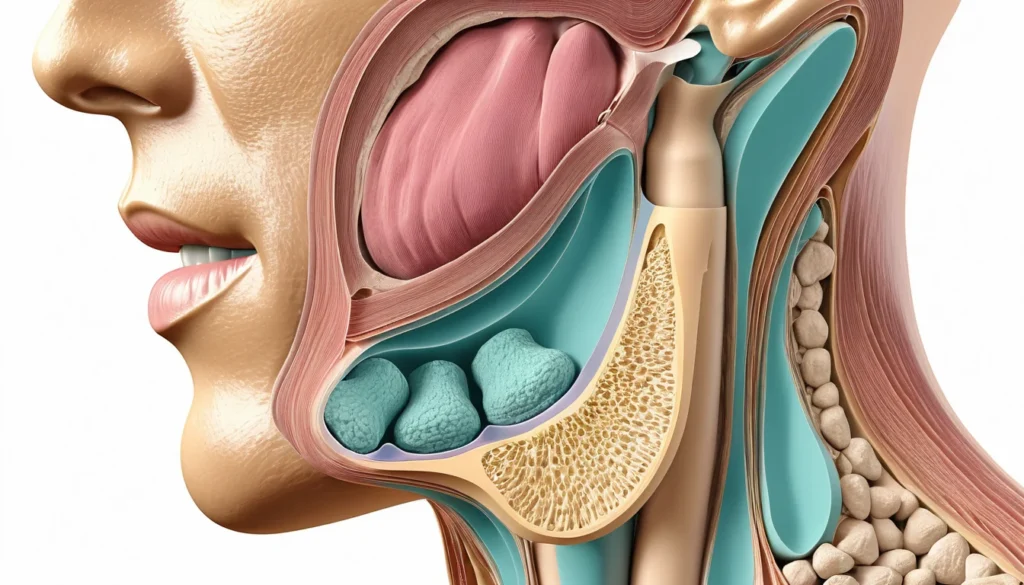
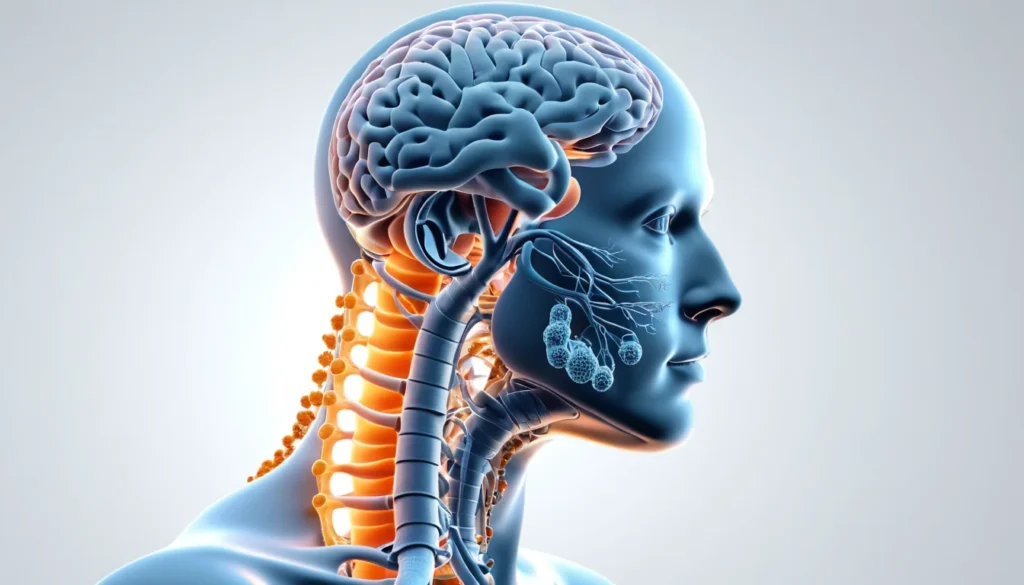
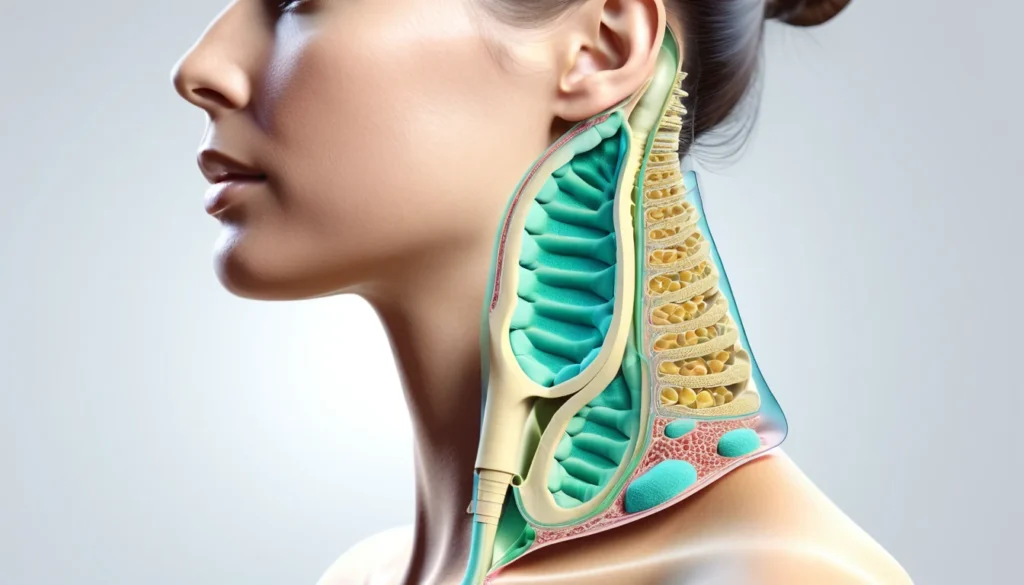
Graves’ disease is an autoimmune disorder. This means your immune system mistakenly attacks your own thyroid gland, causing it to become overactive. The thyroid is a butterfly-shaped gland in the front of your neck. It controls how fast your body uses energy.
When the thyroid works too hard, it releases excess hormones into your bloodstream. This speeds up many of your body’s functions. The condition is also known as Basedow’s disease or Parry’s disease in some medical texts. Health Canada recognises thyroid disorders as a significant area of endocrine health for Canadians.
Graves’ disease has three main features. These are a diffuse enlarged thyroid (goitre), thyroid eye disease (ophthalmopathy), and a skin condition called pretibial myxoedema (dermopathy). However, not every person with Graves’ disease will have all three of these features.
Who Gets Graves’ Disease?
Graves’ disease can affect anyone at any age. However, it most commonly appears in people between their 20s and 40s. Women are far more likely to develop it than men. In areas where goitre is not common in the general population, women are diagnosed roughly seven times more often than men.
Younger patients tend to show nervousness and emotional symptoms. Older patients are more likely to show heart-related and eye-related symptoms. If you have a family history of thyroid problems or other autoimmune conditions, your risk may be higher.
Graves’ Disease Symptoms to Watch For
The symptoms of Graves’ disease fall into two groups. The first group comes from having too much thyroid hormone in your body. The second group includes symptoms specific to Graves’ disease itself.
General Hyperthyroidism Symptoms
When your thyroid is overactive, you may notice many changes across your whole body. These symptoms develop gradually, so it can be easy to miss them at first. Common signs include:
Emotional mood swings and irritability
Nervousness and anxiety
Trembling hands
Difficulty sleeping (insomnia)
Excessive sweating
Feeling too warm or unable to tolerate heat
Faster bowel movements or loose stools
Unexplained weight loss despite eating normally or more than usual
Muscle weakness, especially in the upper arms and thighs
Difficulty climbing stairs due to weak leg muscles
Irregular or missed periods in women approaching menopause
In older adults, the most noticeable symptoms are often heart-related, such as a rapid or irregular heartbeat (palpitations). Emotional symptoms like nervousness tend to stand out more in younger patients. For more detail on hyperthyroidism symptoms, visit the Mayo Clinic’s hyperthyroidism overview.
Graves’ Disease-Specific Symptoms
Beyond general hyperthyroidism, Graves’ disease can cause three specific conditions. These are a goitre, eye disease, and skin changes. They do not always appear together, and their severity varies from person to person.
Goitre (enlarged thyroid): Most people with Graves’ disease develop a goitre. This is a visible or felt swelling in the front of your neck. The gland may be uneven in shape. A doctor may also detect a vibrating sensation (called a thrill or bruit) over the gland when listening with a stethoscope.
Skin changes (dermopathy): Some patients develop thickened, reddish skin, usually on the shins or tops of the feet. This is called pretibial myxoedema. The skin may look lumpy or have an orange-peel texture. This tends to appear later in the disease. Other skin changes linked to Graves’ disease include:
Warm, moist, velvety skin
Skin flushing, especially on the neck and chest during emotional moments
Itching
Dark patches of skin around the eyes or on the elbows and hands
Vitiligo (patches of skin that lose their colour)
Hair thinning or hair loss on the scalp
Nails that become thin, soft, and brittle
Graves’ Disease and Thyroid Eye Disease
Thyroid eye disease (ophthalmopathy) is one of the most recognisable signs of Graves’ disease. It affects the muscles and tissues around the eyes. Not every patient develops this, but when it occurs, it requires careful monitoring.
Common Eye Symptoms
The upper eyelid may retract, meaning it pulls back further than normal. This gives a wide-eyed or startled appearance. It also causes the upper eyelid to lag behind when you look downward. These changes happen because the muscle that lifts the upper eyelid becomes overactive due to excess adrenaline-like signals in the body.
Some patients also develop exophthalmos. This is when the eyeballs protrude or bulge forward from the eye sockets. The eyes may water excessively, and you might experience double vision (diplopia). The eyes can feel gritty, dry, or sensitive to light.
In rare and severe cases, the pressure behind the eyes can damage the optic nerve. This can lead to vision loss if not treated promptly. Furthermore, the eye symptoms of Graves’ disease can occur even when thyroid hormone levels are controlled with medication. Therefore, eye symptoms should always be evaluated by a specialist. Learn more about thyroid eye disease at Healthline’s guide to Graves’ eye disease.
How Is Graves’ Disease Diagnosed?
In clear-cut cases, a doctor can suspect Graves’ disease based on your symptoms and a physical exam. However, blood tests are essential to confirm the diagnosis. Diagnosis is especially important in milder cases, where symptoms can overlap with anxiety, menopause, or other conditions.
Blood Tests
Your doctor will order thyroid function tests. In Graves’ disease, the key findings are:
TSH (thyroid-stimulating hormone): Very low or undetectable. This is often the first sign of a problem.
T4 and Free T4: Elevated above the normal range.
T3 and Free T3: Also elevated in most cases.
TSI (thyroid-stimulating immunoglobulins): Antibodies specific to Graves’ disease. A positive result strongly supports the diagnosis.
In severe cases, the combination of symptoms and blood results makes the diagnosis straightforward. In milder cases, additional tests such as a thyroid ultrasound or radioactive iodine uptake scan may be needed. Your provincial health plan generally covers these tests when ordered by a physician. However, wait times may vary by province, so speak with your family doctor about the fastest path forward in your area.
Physical Examination
Your doctor will feel your neck to check the size and texture of your thyroid gland. An enlarged, firm, and well-supplied gland points toward Graves’ disease. In older patients, the thyroid may not be enlarged at all. This does not rule out the diagnosis.
How Is Graves’ Disease Treated?
There are three main treatment options for Graves’ disease in Canada. Your doctor will recommend one based on your age, the severity of your condition, and your personal preferences. All three approaches aim to reduce the amount of thyroid hormone your body produces or is exposed to.
Anti-thyroid medications: Drugs such as methimazole or propylthiouracil (PTU) slow down thyroid hormone production. Many patients in Canada start with this approach. These medications are taken daily, and treatment often continues for 12 to 18 months.
Radioactive iodine therapy: This is a common long-term solution. You swallow a small dose of radioactive iodine, which travels to the thyroid and gradually reduces its activity. Most people eventually develop an underactive thyroid (hypothyroidism) as a result and need to take thyroid hormone replacement for life.
Surgery (thyroidectomy): In some cases, all or part of the thyroid gland is surgically removed. This is a permanent solution. After surgery, you will need lifelong thyroid hormone replacement medication.
In addition, beta-blocker medications may be prescribed to manage fast heartbeat, tremors, and anxiety while waiting for other treatments to take effect. Eye drops and protective eyewear can help with mild eye symptoms. Severe eye disease may require steroid treatment or surgery performed by an ophthalmologist (eye specialist).
When to See a Doctor
You should speak with your family doctor if you notice unexplained weight loss, a fast or irregular heartbeat, changes in your eyes, or a swelling in your neck. These symptoms are worth investigating promptly. Do not wait for symptoms to become severe before seeking help.
If you do not have a family doctor, a walk-in clinic can order initial thyroid blood tests and refer you to an endocrinologist (a hormone specialist) if needed. Most provincial health plans cover thyroid testing and specialist referrals when medically necessary. Early diagnosis of Graves’ disease leads to better outcomes and helps prevent serious complications such as a thyroid storm, heart rhythm problems, or permanent vision damage.
Always consult a qualified healthcare provider for a proper diagnosis and treatment plan. The information in this article is for general educational purposes and is not a substitute for professional medical advice.
What are the first signs of Graves’ disease?
The first signs of Graves’ disease often include unexplained weight loss, increased anxiety or irritability, a rapid heartbeat, and excessive sweating. You may also notice your hands trembling or difficulty tolerating warm temperatures. Because these symptoms can resemble anxiety or other conditions, it is important to see your doctor for a blood test to check your thyroid hormone levels.
Is Graves’ disease curable?
Graves’ disease can be effectively managed and, in many cases, sent into long-term remission with treatment. Anti-thyroid medications, radioactive iodine therapy, or surgery can all reduce thyroid hormone levels significantly. However, some people experience a return of symptoms after stopping medication, so ongoing monitoring by your doctor is important.
Can Graves’ disease affect your eyes even if your thyroid levels are normal?
Yes, thyroid eye disease linked to Graves’ disease can develop or worsen even after thyroid hormone levels are brought back to normal with treatment. The eye condition is driven by a separate autoimmune process that targets the tissues behind the eyes. This is why anyone with Graves’ disease who notices eye changes should see an eye specialist in addition to their thyroid doctor.
How is Graves’ disease different from other types of hyperthyroidism?
Graves’ disease is an autoimmune condition, which sets it apart from other causes of an overactive thyroid such as toxic nodular goitre or thyroiditis. In Graves’ disease, the immune system produces antibodies that directly stimulate the thyroid to overproduce hormones. The unique combination of eye disease and skin changes (dermopathy) also helps doctors distinguish Graves’ disease from other thyroid conditions.
Is Graves’ disease covered under provincial health plans in Canada?
Yes, diagnosis and treatment of Graves’ disease is generally covered under provincial and territorial health plans across Canada. This includes blood tests, specialist referrals to endocrinologists, and medically necessary treatments. Coverage for specific medications may vary, so check with your provincial drug benefit programme or a pharmacist for details.
Can Graves’ disease run in families?
According to Health Canada’s guidance on endocrine and thyroid health, this information is supported by current medical research.
For more information, read our guide on galactorrhea and other endocrine conditions in Canada.
Yes, Graves’ disease has a genetic component, meaning it can run in families. If a close family member has Graves’ disease or another autoimmune thyroid condition, your own risk may be higher. However, having the genetic predisposition does not guarantee you will develop the condition, as environmental and lifestyle factors also play a role.
Key Takeaways
Graves’ disease is an autoimmune condition that causes the thyroid gland to become overactive.
It most commonly affects women between their 20s and 40s, but it can occur at any age.
The three main features are goitre, thyroid eye disease, and skin changes — though not everyone has all three.
Common symptoms include weight loss, anxiety, tremors, rapid heartbeat, and heat intolerance.
Diagnosis is confirmed with blood tests measuring TSH, thyroid hormones, and specific antibodies.
Treatment options include anti-thyroid medication, radioactive iodine therapy, and surgery.
Eye symptoms can occur independently of thyroid hormone levels and require specialist care.
See your family doctor or a walk-in clinic early if you notice any symptoms — most provincial health plans cover testing and treatment.
Frequently Asked Questions
What is Graves’ disease?
Graves’ disease is an autoimmune disorder where the immune system mistakenly attacks the thyroid gland, causing it to produce excess thyroid hormones (hyperthyroidism). It is the most common cause of hyperthyroidism in Canada, affecting women more frequently than men, and can impact the heart, bones, muscles, and eyes.
What are the most common Graves disease symptoms?
Common Graves disease symptoms include rapid or irregular heartbeat, unexplained weight loss, anxiety, tremors, heat sensitivity, excessive sweating, fatigue, and bulging eyes (Graves’ ophthalmopathy). Some Canadians also experience thickened skin on the shins, sleep problems, and an enlarged thyroid gland called a goitre.
How is Graves’ disease treated in Canada?
Graves’ disease is treated using three main approaches: anti-thyroid medications (such as methimazole), radioactive iodine therapy, or surgical removal of the thyroid gland. Canadian endocrinologists tailor treatment based on age, symptom severity, and patient preference. Beta-blockers may also be prescribed to manage heart-related symptoms quickly.
Can Graves disease symptoms be prevented?
Graves’ disease cannot be fully prevented since it involves genetic and immune system factors outside personal control. However, avoiding smoking, managing chronic stress, and maintaining a healthy immune system may reduce risk or severity. Early diagnosis and consistent treatment help prevent serious complications like thyroid storm or vision loss.
When should I see a doctor for Graves disease symptoms?
See a doctor promptly if you experience unexplained weight loss, a rapid heartbeat, persistent anxiety, bulging eyes, or a visible neck swelling. These may indicate Graves’ disease or another thyroid condition requiring urgent evaluation. In Canada, your family physician can order thyroid blood tests and refer you to an endocrinologist if needed.