
Thyroid Cancer Symptoms: Causes & Treatment in Canada

Share
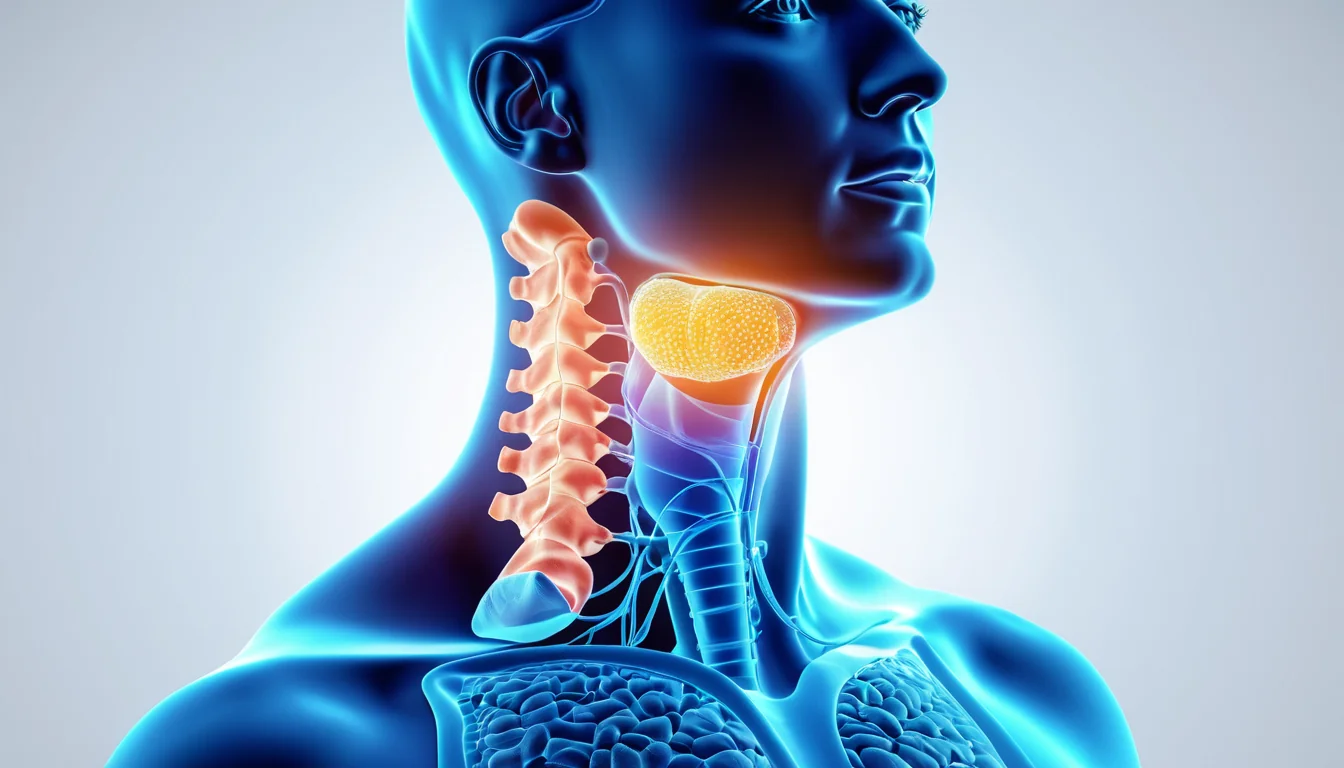
Thyroid cancer symptoms can be subtle and easy to overlook, but catching them early is key to successful treatment — especially for Canadians, where thyroid cancer is one of the fastest-growing diagnoses in the country. This small, butterfly-shaped gland at the front of your neck produces hormones that regulate metabolism, heart rate, and body temperature, and when abnormal cells begin growing there, they can form a tumour.
Recognizing Common Thyroid Cancer Symptoms Early
The good news is that thyroid cancer treatment in Canada offers excellent outcomes. Most types, particularly papillary and follicular thyroid cancer, grow slowly and respond very well to modern therapies. With improved imaging tools now available across Canadian healthcare facilities, more cases are being detected at an early stage, giving patients the best possible chance at a full, healthy life.
What Is Thyroid Cancer?
| Symptom | Description | Severity Level | When to See a Doctor |
|---|---|---|---|
| Neck Lump or Nodule | A painless swelling or lump felt at the front of the neck, often the first noticeable sign of thyroid cancer | High — most common presenting symptom | Promptly; any new or growing neck lump warrants evaluation |
| Hoarseness or Voice Changes | Persistent changes in voice quality, including hoarseness, caused by the tumour pressing on the recurrent laryngeal nerve | Moderate to High | If hoarseness lasts more than 2–3 weeks without an obvious cause |
| Difficulty Swallowing (Dysphagia) | A sensation of food sticking in the throat or discomfort when swallowing, due to tumour pressure on the esophagus | Moderate to High | If swallowing difficulty is persistent or progressively worsening |
| Swollen Lymph Nodes | Enlarged lymph nodes in the neck that do not resolve, indicating possible spread of thyroid cancer to nearby lymph tissue | High — may indicate metastasis | Immediately if nodes are firm, painless, and persist beyond a few weeks |
| Difficulty Breathing or Shortness of Breath | Sensation of airway narrowing or breathlessness caused by a growing tumour pressing on the trachea | High — requires urgent attention | Seek urgent care; this symptom requires immediate medical assessment |
| Neck or Throat Pain | Persistent or unexplained pain in the front of the neck or throat area that does not resolve with typical treatments | Low to Moderate — less common symptom | If pain is unexplained, persistent, or accompanied by other thyroid cancer symptoms |
Your thyroid gland sits just below your Adam’s apple. It plays a key role in keeping your metabolism, heart rate, and body temperature balanced. When cells in the thyroid grow out of control, a tumour can form.
There are five types of thyroid cancer. The most common types — papillary and follicular — tend to grow slowly and respond well to treatment. A rarer type, called medullary thyroid cancer, can run in families.
According to Health Canada, thyroid cancer is among the fastest-growing cancer diagnoses in Canada, largely because improved imaging tools are catching more cases early.
Common Thyroid Cancer Symptoms
Many people with thyroid cancer have no symptoms at first. In fact, a doctor may spot a lump during a routine check-up or an imaging scan done for another reason. However, some people do notice warning signs.
Common symptoms include:
- A lump or swelling in the neck — the most frequent symptom
- Neck or ear pain that does not go away
- Trouble swallowing
- Difficulty breathing or a new wheezing sound
- A hoarse voice not caused by a cold
- A persistent cough with no obvious cause
- Bone pain
These symptoms do not always mean cancer. However, they are worth checking out — especially if they last more than two or three weeks.
When Symptoms Are Easy to Miss
Thyroid cancer is sometimes called a “silent” cancer because early tumours cause few problems. As a result, regular check-ups with your family doctor matter. Your doctor may feel a nodule in your neck even before you notice anything is wrong.
Causes and Risk Factors for Thyroid Cancer
Experts do not fully understand what causes thyroid cancer. However, research has identified several risk factors that raise the chances of developing it.
Radiation Exposure
Exposure to radiation is a well-known risk factor. People who received radiation treatments to the head, neck, or chest — especially during childhood — face a higher risk. Between 1920 and 1950, radiation was commonly used to treat acne and enlarged tonsils. That practice has since been stopped.
Large-scale radiation events also raise risk. For example, people involved in the 1986 Chornobyl disaster showed higher rates of thyroid cancer in the years that followed. A routine dental X-ray, however, does not raise your risk.
Hereditary Factors
Medullary thyroid cancer can be passed down through families. If a close relative has had this type, tell your family doctor. Genetic testing may be recommended. Furthermore, conditions like familial adenomatous polyposis and Gardner syndrome are linked to a higher thyroid cancer risk.
Other Risk Factors
- Age: Most thyroid cancers are diagnosed between ages 30 and 50, though it can occur at any age.
- Sex: Thyroid cancer is about three times more common in women than in men.
- Low iodine diet: This is mainly a concern in regions where iodine is not added to salt. In Canada, iodized salt is widely available.
- Hashimoto’s thyroiditis: This autoimmune condition may increase the risk of thyroid lymphoma.
It is important to note that many people diagnosed with thyroid cancer have none of these risk factors at all.
How Thyroid Cancer Is Diagnosed
If your doctor suspects thyroid cancer, they will start with a physical exam and likely order some tests. Early and accurate diagnosis is key to choosing the right treatment.
Biopsy
The most important diagnostic tool is a biopsy. A thin needle is inserted into the thyroid nodule to collect a small tissue sample. That tissue is then examined under a microscope. This procedure is called a fine-needle aspiration biopsy, and it is usually quick and done in an outpatient setting.
Staging
Once cancer is confirmed, doctors determine its stage. Staging shows whether the cancer has spread and how far. It also guides treatment decisions. Staging depends on your age and the results of tests done after surgery.
Sometimes, nearby lymph nodes in the neck are also removed and checked for cancer cells. According to the Mayo Clinic’s thyroid cancer overview, most thyroid cancers are found before they have spread, which significantly improves outcomes.
Thyroid Cancer Treatment Options
Treatment for thyroid cancer depends on the type and stage of cancer, as well as your age and overall health. Most people do very well after treatment.
Surgery
Surgery is the most common first step. A surgeon removes part or all of the thyroid gland. This is called a thyroidectomy. If cancer has spread to nearby lymph nodes, those may be removed as well.
Radioactive Iodine Therapy
After surgery, radioactive iodine treatment is often used. The thyroid naturally absorbs iodine, so a radioactive form can target and destroy any remaining thyroid cells or cancer cells. This is a well-established and effective treatment.
Thyroid Hormone Medication
Once the thyroid is removed, your body can no longer make its own hormones. You will need to take synthetic thyroid hormone medication every day for the rest of your life. These pills keep your metabolism and body functions running normally. Most people adjust well to this medication.
Radiation and Chemotherapy
In rare and more advanced cases, external radiation therapy or chemotherapy may be needed. These are not commonly required for the most typical forms of thyroid cancer.
For a broader look at how cancer treatments work, visit the World Health Organization’s cancer fact sheet.
When to See a Doctor
You should speak to your family doctor or visit a walk-in clinic if you notice any of the following:
- A lump or swelling in your neck that does not go away
- Neck or ear pain with no clear cause
- Hoarseness not related to a cold or flu
- Difficulty swallowing or breathing
- A nagging cough that is not linked to illness
- Unexplained bone pain
Your family doctor is your best first point of contact in Canada. They can examine your neck, order an ultrasound, and refer you to an endocrinologist if needed. If you do not have a family doctor, a walk-in clinic can help get the process started.
Provincial health plans across Canada cover the cost of thyroid cancer diagnosis and treatment. You do not need to navigate this alone.
Watchful Waiting
In some cases, a doctor may suggest a “watchful waiting” approach. This means monitoring a small, low-risk nodule over time without immediate treatment. However, this is only appropriate in certain situations. Always follow your doctor’s guidance, and report any changes in symptoms right away.
Frequently Asked Questions About Thyroid Cancer
What are the early signs of thyroid cancer?
The most common early sign of thyroid cancer is a painless lump or swelling in the neck. Other early signs include a hoarse voice, trouble swallowing, or a persistent cough not caused by a cold. Many people have no symptoms at all, which is why regular check-ups with your family doctor are so important.
Is thyroid cancer curable?
Yes, most types of thyroid cancer are highly treatable and often considered curable, especially when caught early. Papillary and follicular thyroid cancers — the most common types — have excellent survival rates. With proper treatment, the majority of patients live full, normal lives.
What causes thyroid cancer?
The exact cause of thyroid cancer is not fully known. However, known risk factors include past radiation exposure to the head or neck, a family history of thyroid or certain other cancers, and being female between the ages of 30 and 50. Many people diagnosed have no obvious risk factors at all.
Do I need to take medication after thyroid cancer treatment?
If your thyroid is removed as part of thyroid cancer treatment, you will need to take synthetic thyroid hormone pills every day for life. These medications replace the hormones your thyroid used to produce and keep your body functioning normally. Most people tolerate them very well.
Can thyroid cancer come back after treatment?
Thyroid cancer can recur, but this is uncommon when treated properly. Your doctor will schedule regular follow-up appointments and blood tests to monitor for any signs of return. Catching a recurrence early makes it easier to treat successfully.
Which specialist treats thyroid cancer in Canada?
In Canada, thyroid cancer is most often treated by an endocrinologist — a doctor who specialises in hormonal conditions. A nuclear medicine specialist may also be involved, especially for radioactive iodine therapy. Your family doctor or walk-in clinic can provide a referral to the right specialist through your provincial health plan.
Key Takeaways
- Thyroid cancer forms when abnormal cells grow in the thyroid gland, located at the front of your neck.
- It is one of the most treatable cancers, especially when caught early.
- Common symptoms include a neck lump, hoarseness, trouble swallowing, and a persistent cough.
- Risk factors include childhood radiation exposure, family history, being female, and age between 30 and 50.
- Diagnosis involves a physical exam, ultrasound, and fine-needle biopsy.
- Treatment usually includes surgery, radioactive iodine therapy, and lifelong thyroid hormone medication.
- If you notice any symptoms, speak to your family doctor or visit a walk-in clinic — your provincial health plan covers diagnosis and care.
According to Health Canada’s latest cancer statistics, this information is supported by current medical research.
For more information, read our guide on pituitary tumours and other endocrine conditions.
This article is for informational purposes only and does not replace professional medical advice. Always consult your family doctor or a qualified healthcare provider if you have concerns about your health.
Frequently Asked Questions
What is thyroid cancer?
Thyroid cancer is a malignant tumour that develops in the thyroid gland, a butterfly-shaped gland in the neck that regulates metabolism and hormones. It is the most common endocrine cancer in Canada, with papillary thyroid cancer being the most frequent type. It is highly treatable when caught early.
What are the early thyroid cancer symptoms to watch for?
Early thyroid cancer symptoms include a painless lump or swelling in the neck, hoarseness or voice changes, difficulty swallowing, persistent throat or neck pain, and swollen lymph nodes. Many cases are asymptomatic initially, making routine check-ups important. Symptoms are often subtle and can be mistaken for other conditions.
What are the warning signs of thyroid cancer in women?
Thyroid cancer symptoms in women include a noticeable neck lump, unexplained hoarseness, difficulty swallowing or breathing, and persistent neck pain radiating to the ears. Women are three times more likely than men to develop thyroid cancer, making awareness of these warning signs especially important for early detection.
How is thyroid cancer treated in Canada?
Thyroid cancer treatment in Canada typically involves surgical removal of the thyroid gland (thyroidectomy), often followed by radioactive iodine therapy to destroy remaining cancer cells. Thyroid hormone replacement medication is required lifelong after surgery. Advanced cases may require targeted therapy or external radiation, managed through provincial cancer care programs.
When should I see a doctor about thyroid cancer symptoms?
See a doctor promptly if you notice a new lump in your neck, persistent hoarseness lasting more than two weeks, difficulty swallowing, or unexplained neck pain. In Canada, your family physician can order an ultrasound and refer you to an endocrinologist or surgeon if thyroid cancer is suspected.

About the Author
Dr. Linda Chen, RD, PhDDr. Linda Chen is a registered dietitian and PhD in Nutritional Sciences from the University of British Columbia. With expertise in clinical nutrition, sports dietetics, and gut health, she has worked with leading Canadian hospitals and sports organizations. Dr. Chen is a member of Dietitians of Canada and regularly contributes to national nutrition policy discussions.
View all articles →


