Thyroid Gland: What Every Canadian Should Know (2025)

Share
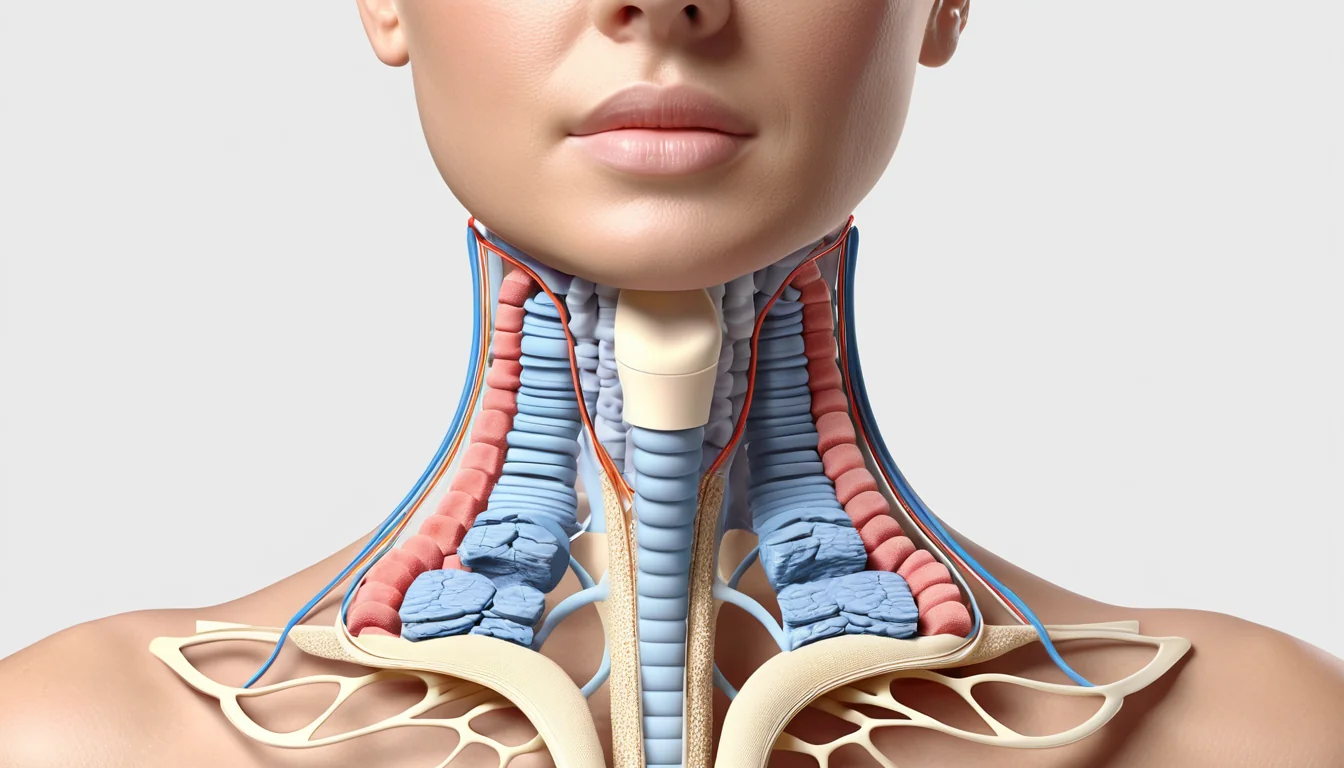
The thyroid gland is one of the most important glands in the human body, yet many Canadians know very little about how it works or what happens when it fails. This small, butterfly-shaped organ sits at the front of your neck, just in front of your windpipe, and plays a vital role in regulating metabolism, energy levels, heart rate, and body temperature.
How the Thyroid Gland Works and Why It Matters
Thyroid disorders in Canada affect an estimated 1 in 10 people, with many cases going undiagnosed for years. Whether you are dealing with hypothyroidism symptoms, an overactive thyroid, thyroid nodules, or simply want to understand how this gland influences your overall well-being, this guide covers everything you need to know — including when to see your doctor and what treatment options are available through provincial health plans.
What Is the Thyroid Gland?
| Thyroid Disorder | Key Characteristics | Common Symptoms | Management Approach |
|---|---|---|---|
| Hypothyroidism | Underactive thyroid gland producing insufficient hormones; affects approximately 1 in 10 Canadians, more common in women | Fatigue, weight gain, cold intolerance, depression, dry skin, constipation | Daily levothyroxine (synthetic T4) prescription; regular TSH monitoring through provincial health coverage |
| Hyperthyroidism | Overactive thyroid gland producing excess hormones; Graves’ disease is the most common cause in Canada | Weight loss, rapid heartbeat, anxiety, heat intolerance, tremors, increased sweating | Antithyroid medications (methimazole), radioactive iodine therapy, or surgery depending on severity |
| Hashimoto’s Thyroiditis | Autoimmune condition where the immune system attacks the thyroid gland; leading cause of hypothyroidism in Canada | Gradual fatigue, weight gain, neck swelling, joint pain, brain fog | Hormone replacement therapy; monitored by endocrinologist or family physician; gluten-free diet may help some patients |
| Thyroid Nodules | Lumps within the thyroid gland; very common in Canadians over 60; majority are benign | Often asymptomatic; may cause neck swelling, difficulty swallowing, or hoarse voice if large | Ultrasound monitoring, fine-needle aspiration biopsy if indicated; surgical removal for cancerous or obstructive nodules |
| Thyroid Cancer | Malignant tumour of the thyroid gland; Canada diagnoses approximately 7,000 new cases annually; papillary type is most common | Painless neck lump, swollen lymph nodes, voice changes, difficulty swallowing | Surgery (thyroidectomy), radioactive iodine therapy, thyroid hormone suppression therapy; excellent survival rates when caught early |
The thyroid gland weighs about 15 grams on average. It has two lobes — a left lobe and a right lobe — joined together by a small bridge of tissue called the isthmus. This shape gives the thyroid its well-known butterfly appearance.
In rare cases, a person may have a third lobe. However, this is not common and usually causes no problems. Your family doctor can check your thyroid during a regular check-up.
What Does the Thyroid Gland Do?
The thyroid gland produces and releases hormones that keep your body running properly. The main hormones it makes are thyroxine (T4), triiodothyronine (T3), and calcitonin. These hormones help control your metabolism, heart rate, body temperature, and energy levels.
One important fact about the thyroid gland is that it needs iodine to work properly. Without enough iodine in your diet, it cannot make the hormones your body depends on. Fortunately, iodine is added to table salt in Canada, which helps most Canadians meet their daily needs.
Thyroid hormones also play a role before birth. They support normal development in the womb, making early thyroid health especially important. For more detail on how thyroid hormones work, visit Health Canada’s official health information.
Common Thyroid Disorders
Thyroid disorders are more common than many people realise. They affect women far more often than men, though anyone can develop a thyroid condition at any age. These disorders fall into several broad categories.
Autoimmune Thyroid Disease
In autoimmune thyroid disease, the body’s immune system mistakenly attacks the thyroid gland. This can lead to too many thyroid hormones, too few, or sometimes a normal level with other complications. Graves’ disease is one of the most well-known autoimmune thyroid conditions. In Graves’ disease, the immune system triggers the thyroid to produce excess hormones, causing hyperthyroidism.
Goitre
A goitre is an abnormal enlargement of the thyroid gland. Most of the time, a goitre causes no symptoms other than a visible swelling at the front of the neck. However, a large goitre can press on the windpipe or food pipe (esophagus), making it harder to breathe or swallow.
If you notice any swelling in the front of your neck, it is important to see your family doctor or visit a walk-in clinic. Early assessment can rule out serious causes and put your mind at ease.
Thyroid Nodules
Thyroid nodules are small lumps that form within the thyroid gland. They are quite common in the general population. Most nodules are found by accident — either during a physical exam or on an ultrasound done for another reason.
The majority of thyroid nodules are benign (non-cancerous) and do not interfere with normal body function. However, a doctor will usually monitor them over time to watch for any changes in size, shape, or texture. In some cases, a nodule can start producing thyroid hormones on its own. This is called an autonomous nodule, and it may require treatment.
When a nodule shows features that could suggest cancer, your doctor may recommend further tests. These can include a fine needle biopsy, blood tests, an ultrasound, or a thyroid scan (scintigraphy).
Hyperthyroidism: An Overactive Thyroid Gland
Hyperthyroidism, sometimes called thyrotoxicosis, happens when the thyroid gland produces too many hormones. This speeds up many of the body’s functions and can cause a range of symptoms. Common symptoms include unexplained weight loss, a fast or irregular heartbeat, nervousness, sweating, and difficulty sleeping.
Causes of Hyperthyroidism
Several conditions can cause an overactive thyroid. The most common include:
- Graves’ disease — an autoimmune condition that is the leading cause of hyperthyroidism
- Toxic nodular goitre — one or more nodules that produce excess hormones
- Excessive iodine intake — from diet or certain medications
- Some medications — including amiodarone, a heart medication
- A pituitary gland tumour — that releases too much TSH (thyroid-stimulating hormone)
- Thyroiditis — inflammation of the thyroid, which can be caused by a viral infection or an autoimmune process
Treating Hyperthyroidism
There are three main treatment options for hyperthyroidism: radioactive iodine, anti-thyroid medications, and surgery. Each approach has its own advantages and drawbacks. Your specialist will choose the best option based on your age, overall health, the cause of your condition, and your personal preferences.
In some situations, all three methods may be used at different stages. In others, only one option makes sense. Surgery to remove all or part of the thyroid is a common and effective treatment for many patients. Learn more about treatment options at the Mayo Clinic’s hyperthyroidism overview.
Hypothyroidism: An Underactive Thyroid Gland
Hypothyroidism is the opposite problem. It happens when the thyroid gland does not produce enough hormones. As a result, many body processes slow down. Common symptoms include fatigue, weight gain, feeling cold, dry skin, constipation, and low mood.
Hypothyroidism can be primary (the thyroid itself is not working properly) or secondary (the problem starts in the pituitary gland, which fails to send the right signals to the thyroid). The most common cause worldwide is Hashimoto’s thyroiditis, an autoimmune condition.
Treatment for hypothyroidism usually involves a daily thyroid hormone replacement medication. Most people who take this medication consistently feel much better and lead normal, healthy lives. Your family doctor will monitor your hormone levels with regular blood tests to make sure your dose is correct.
Thyroid Cancer
Thyroid cancer is the most common cancer of the endocrine system. However, it is still relatively rare compared to other cancers. The good news is that most forms of thyroid cancer have a very good long-term outlook when caught early.
Thyroid cancer can start directly in the thyroid (primary cancer) or spread to the thyroid from another part of the body (secondary cancer, or metastasis). People with a family history of thyroid cancer have a higher risk of developing the condition themselves. Therefore, it is important to mention any family history to your doctor.
Treatment often involves surgical removal of all or part of the thyroid gland. Depending on the type and stage of cancer, additional treatments such as radioactive iodine therapy, hormone therapy, or radiation may also be used. Your healthcare team will create a plan that fits your specific situation. For a detailed overview, see the World Health Organization’s information on thyroid cancer.
When to See a Doctor
You should speak with your family doctor or visit a walk-in clinic if you notice any of the following signs:
- A lump or swelling at the front of your neck
- Unexplained weight changes — either gain or loss
- Ongoing fatigue or low energy that does not improve with rest
- A fast, slow, or irregular heartbeat
- Difficulty swallowing or breathing
- Feeling unusually hot or cold all the time
- Persistent low mood, anxiety, or changes in behaviour
Most provincial health plans in Canada cover thyroid testing and specialist referrals when your family doctor determines they are necessary. If you do not have a family doctor, a walk-in clinic can order initial blood tests and refer you to an endocrinologist (a hormone specialist) if needed. Do not ignore symptoms — thyroid conditions are very treatable when diagnosed early.
Always speak with a qualified healthcare provider before making any decisions about your health. This article is for informational purposes only and does not replace professional medical advice.
Frequently Asked Questions About the Thyroid Gland
What does the thyroid gland do?
The thyroid gland produces hormones — mainly T3 and T4 — that regulate your metabolism, heart rate, body temperature, and energy levels. These hormones affect nearly every cell in the body. Without a properly functioning thyroid gland, many of your body’s key systems cannot work at their best.
What are the signs of a thyroid problem?
Common signs of a thyroid problem include unexplained weight gain or loss, fatigue, feeling unusually cold or hot, a rapid heartbeat, dry skin, constipation, and low mood. Some people also notice a visible swelling at the front of the neck. If you have any of these symptoms, a simple blood test from your family doctor can check your thyroid hormone levels.
Is thyroid disease covered by provincial health plans in Canada?
Yes, diagnosis and treatment of thyroid disorders are generally covered by provincial and territorial health plans across Canada. This includes blood tests to check thyroid hormone levels, specialist referrals, and most standard treatments. Check with your provincial health authority for the specific coverage details in your province.
Can thyroid nodules turn into cancer?
Most thyroid nodules are benign and never become cancerous. However, a small percentage of nodules do turn out to be malignant, which is why doctors monitor them with regular ultrasounds and, if needed, a biopsy. If your doctor finds a nodule, try not to worry — the vast majority are harmless and easy to manage.
What is the difference between hypothyroidism and hyperthyroidism?
Hypothyroidism means the thyroid gland is underactive and produces too few hormones, leading to symptoms like fatigue, weight gain, and feeling cold. Hyperthyroidism means the thyroid gland is overactive and produces too many hormones, causing symptoms like weight loss, a fast heartbeat, and anxiety. Both conditions are diagnosable with a blood test and are very treatable.
How is thyroid cancer treated in Canada?
According to Health Canada guidelines on thyroid health, this information is supported by current medical research.
For more information, read our guide on pituitary tumours and their effect on thyroid disorders.
Thyroid cancer is most often treated with surgery to remove all or part of the thyroid gland, followed by radioactive iodine therapy or hormone therapy in some cases. Treatment plans are tailored to each patient based on the type and stage of cancer. Most people with thyroid cancer have an excellent outlook, especially when the cancer is caught at an early stage.
Key Takeaways
- The thyroid gland is a butterfly-shaped gland in your neck that controls your metabolism and many other body functions.
- It needs iodine to produce hormones — most Canadians get enough iodine through iodised table salt.
- Common thyroid disorders include hypothyroidism, hyperthyroidism, goitre, thyroid nodules, and thyroid cancer.
- Thyroid conditions affect women more often than men, but anyone can develop a thyroid disorder.
- Most thyroid conditions are very treatable with medication, radioactive iodine therapy, or surgery.
- If you notice a lump in your neck, unexplained weight changes, or persistent fatigue, see your family doctor or visit a walk-in clinic.
- Provincial health plans across Canada generally cover thyroid testing and treatment.
- Always consult a healthcare provider for a proper diagnosis and personalised treatment plan.
Frequently Asked Questions
What is the thyroid gland and what does it do?
The thyroid gland is a butterfly-shaped gland located at the front of your neck. It produces hormones — primarily T3 and T4 — that regulate metabolism, heart rate, body temperature, and energy levels. Nearly every organ in your body depends on thyroid hormones to function properly.
What are the symptoms of a thyroid gland problem?
Common thyroid gland symptoms include unexplained weight changes, fatigue, hair loss, feeling cold or overheated, mood changes, and irregular heartbeat. An underactive thyroid causes sluggishness and weight gain, while an overactive thyroid causes anxiety and rapid weight loss. A visible neck swelling may also indicate a thyroid issue.
How is a thyroid disorder treated in Canada?
Thyroid disorders are treated based on type and severity. Hypothyroidism is typically managed with daily levothyroxine, a synthetic hormone covered by most provincial drug plans. Hyperthyroidism may require anti-thyroid medications, radioactive iodine therapy, or surgery. Canadian endocrinologists and family doctors manage most thyroid conditions effectively.
Can you prevent thyroid disease through diet or lifestyle?
There is no guaranteed way to prevent thyroid disease, as genetics play a significant role. However, ensuring adequate iodine intake through iodized salt and seafood supports healthy thyroid function. Avoiding smoking, managing stress, and getting regular checkups can help detect problems early and reduce complication risks.
When should you see a doctor about your thyroid?
See your doctor if you experience persistent fatigue, unexplained weight changes, a lump or swelling in your neck, difficulty swallowing, or mood disturbances lasting several weeks. Canadians with a family history of thyroid disease or autoimmune conditions should request routine TSH blood tests during annual checkups.

About the Author
Dr. Linda Chen, RD, PhDDr. Linda Chen is a registered dietitian and PhD in Nutritional Sciences from the University of British Columbia. With expertise in clinical nutrition, sports dietetics, and gut health, she has worked with leading Canadian hospitals and sports organizations. Dr. Chen is a member of Dietitians of Canada and regularly contributes to national nutrition policy discussions.
View all articles →