Pheochromocytoma Symptoms: Causes & Treatment Canada

Share
Pheochromocytoma symptoms can appear suddenly and feel alarming — episodes of dangerously high blood pressure, a racing heartbeat, severe headaches, and drenching sweats are among the most common warning signs of this rare adrenal gland tumour. Pheochromocytoma develops in the adrenal glands, two small hormone-producing organs located just above the kidneys, and causes the body to release excessive amounts of adrenaline and noradrenaline.
Recognizing Pheochromocytoma Symptoms and Warning Signs
Because this adrenal gland tumour is uncommon and its symptoms often mimic other conditions, many Canadians go undiagnosed for months or even years. In this comprehensive guide, we explain what causes pheochromocytoma, how doctors in Canada diagnose it through specialized blood and urine tests, and the treatment options available — including surgery and long-term follow-up care through the Canadian healthcare system.
What Are the Adrenal Glands?
| Symptom | Description | Severity | When to Seek Care |
|---|---|---|---|
| Hypertensive Episodes | Sudden, severe spikes in blood pressure often exceeding 180/120 mmHg; may occur in episodes or persistently | Severe | Go to the nearest emergency department immediately |
| Pounding Headaches | Intense, throbbing headaches caused by surges in catecholamines (adrenaline); often occur alongside blood pressure spikes | Moderate to Severe | See your family doctor or visit a walk-in clinic promptly |
| Excessive Sweating | Profuse sweating unrelated to physical activity or ambient temperature; often accompanies other episodic symptoms | Mild to Moderate | Schedule an appointment with your primary care provider |
| Rapid or Irregular Heartbeat | Heart palpitations, racing pulse, or arrhythmias triggered by excess adrenaline released by the tumour | Moderate to Severe | Seek urgent medical attention, especially with chest pain or shortness of breath |
| Anxiety and Tremors | Unexplained feelings of panic, nervousness, or physical shaking due to elevated catecholamine levels | Mild to Moderate | Discuss with your family physician if symptoms recur frequently |
| Pallor or Flushing | Sudden paleness or facial flushing caused by blood vessel constriction or dilation driven by hormonal surges | Mild | Document episodes and report patterns to your healthcare provider |
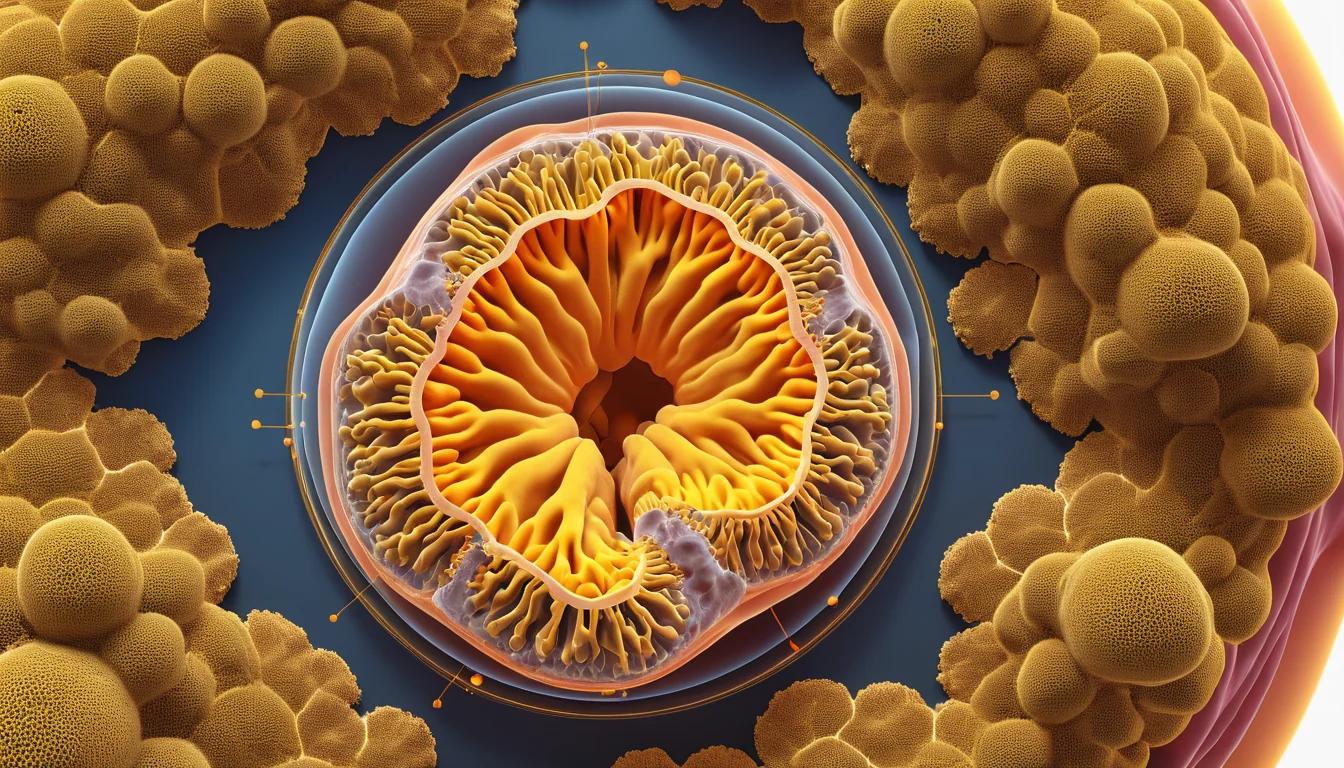
The adrenal glands are two small, hormone-producing glands located just above each kidney. They release important hormones and steroids — including adrenaline and cortisol — that your body uses every day.
These hormones help keep many key body functions in balance. For example, they regulate your heart rate, blood pressure, metabolism, blood sugar, and your response to stress. They also play a role in how your immune system responds to illness or injury.
When the adrenal glands do not work properly, it can affect many systems in the body at once. This is why adrenal disorders — including pheochromocytoma — can cause such a wide range of symptoms.
What Is Pheochromocytoma?
Pheochromocytoma is a rare tumour that forms inside the adrenal glands. Most of these tumours are benign, meaning they are not cancerous. In most cases, only one adrenal gland is affected, though both glands can sometimes be involved.
In rare cases, pheochromocytoma can be cancerous (malignant). When this happens, the cancer cells can spread to other parts of the body and cause serious complications. However, malignant pheochromocytoma is uncommon.
This tumour causes the adrenal glands to overproduce adrenaline and noradrenaline. Both hormones help control your heart rate, blood pressure, and stress response. When levels of these hormones are too high, your body behaves as though it is under constant extreme stress.
Pheochromocytoma always forms inside the adrenal glands. However, it is sometimes linked to similar tumours called paragangliomas, which grow outside the adrenal glands. Both types of tumour affect how the adrenal glands work, but they are considered separate conditions.
You can learn more about adrenal gland conditions from Mayo Clinic’s pheochromocytoma overview.
Pheochromocytoma Symptoms
Symptoms of pheochromocytoma can vary greatly from person to person. Some people have consistently high blood pressure, while others experience blood pressure that rises and falls unpredictably. In fact, some people discover the tumour by accident during tests for another condition.
Symptoms often come in episodes — meaning they appear suddenly, last for a period of time, and then ease off. As the tumour grows, these episodes tend to become more frequent and more severe.
Common Symptoms
During an episode, a person with pheochromocytoma may experience one or more of the following:
- Severe headaches
- High blood pressure (hypertension)
- Rapid or irregular heartbeat (palpitations or arrhythmia)
- Heavy sweating
- Nausea or stomach pain
- Constipation
- Unexplained weight loss
- Paleness (pallor)
- Anxiety, irritability, or a sense of unease
- Depression
Episodes can last anywhere from a few seconds to several hours. Therefore, keeping a record of when symptoms occur can help your doctor identify a pattern.
What Can Trigger an Episode?
Certain situations or substances can trigger a pheochromocytoma episode. Heavy physical activity and even the process of childbirth can bring on symptoms. In addition, a compound called tyramine — found in fermented or aged foods like red wine and some cheeses — may trigger an episode in some people.
Certain medications can also cause symptoms. These include monoamine oxidase inhibitors (MAOIs) and stimulant drugs such as cocaine or amphetamines. Always tell your doctor about all medications and supplements you are taking.
Risk of an Adrenal Crisis
Pheochromocytoma can raise the risk of an adrenal crisis — a sudden, life-threatening surge in hormone levels. During a crisis, blood pressure can spike to dangerously high levels and the heart can race out of control. This can lead to a heart attack, stroke, or even death. As a result, getting an early diagnosis and proper treatment is critical.
Causes of Pheochromocytoma
The exact cause of pheochromocytoma is not fully understood. It can occur at any age, but it most commonly affects adults between the ages of 20 and 50.
Genetics appear to play an important role. In some people, pheochromocytoma is linked to inherited gene mutations. If your tumour has a genetic cause, you may also be at risk for other inherited conditions.
Genetic Syndromes Linked to Pheochromocytoma
There are three classic genetic syndromes associated with pheochromocytoma:
- Von Hippel-Lindau syndrome
- Multiple endocrine neoplasia type 2 (MEN2)
- Neurofibromatosis type 1 (NF1)
Furthermore, researchers have identified at least eight different genetic mutations that can increase the risk of developing pheochromocytoma. If you are diagnosed, your doctor may recommend genetic testing for you and close family members. For more information on rare endocrine conditions, visit Health Canada’s health information resources.
How Is Pheochromocytoma Diagnosed?
Diagnosing pheochromocytoma can be challenging. Because symptoms come and go in episodes, they can mimic many other conditions. However, doctors have several reliable tools to help confirm the diagnosis.
Blood and Urine Tests
The first step is usually a blood or urine test. These tests measure the levels of certain hormones — specifically adrenaline and noradrenaline — and their breakdown products. Abnormal levels can indicate that a pheochromocytoma may be present.
Imaging Tests
If hormone levels are abnormal, your doctor will likely order a CT scan or MRI. These imaging tests create detailed pictures of the adrenal glands and help locate any tumour that may be present. In some cases, additional nuclear medicine scans may also be used.
Genetic Testing
If a tumour is confirmed, your doctor may recommend genetic testing. This helps determine whether the pheochromocytoma has a hereditary cause. It can also show whether you are at risk for related genetic disorders, which is important information for your family members as well.
For a deeper look at how rare tumours like this are studied and tracked globally, see the World Health Organization’s cancer resources.
Pheochromocytoma Treatment Options
The most effective treatment for pheochromocytoma is surgical removal of the tumour. In most cases, surgeons use a minimally invasive method called laparoscopic surgery. This approach requires only small incisions, which means a shorter recovery time and a lower risk of complications compared to traditional open surgery.
In most cases, pheochromocytoma affects only one adrenal gland. When this is the case, surgeons typically remove the entire affected gland. The remaining gland is fully capable of producing enough hormones to keep the body functioning normally.
Preparing for Surgery
Before surgery, your care team will work to stabilise your blood pressure. This usually involves a course of medication taken for one to two weeks before the procedure. Controlling hormone levels before surgery helps reduce the risk of dangerous blood pressure changes during the operation.
When the Tumour Is Cancerous
If the pheochromocytoma is malignant, treatment becomes more complex. Your specialist may recommend a combination of surgery, radiation therapy, chemotherapy, or targeted drug therapy. The right approach depends on how far the cancer has spread and your overall health.
After Treatment
After surgery, most people with benign pheochromocytoma experience significant improvement. However, long-term follow-up is important. Your doctor will monitor your hormone levels and watch for any signs that the tumour has returned. Regular check-ups are a key part of managing this condition over time.
When to See a Doctor
If you experience recurring episodes of severe headache, sudden high blood pressure, rapid heartbeat, or heavy sweating for no clear reason, speak with a healthcare provider as soon as possible. These symptoms can have many causes, but it is important to rule out serious conditions like pheochromocytoma.
Start by contacting your family doctor or visiting a walk-in clinic. Your provincial health plan covers many of the diagnostic tests used to investigate adrenal disorders, including blood work and imaging. Your family doctor can refer you to an endocrinologist — a specialist in hormone-related conditions — if needed.
Do not ignore episodes that seem to get worse over time or happen more often. Early diagnosis leads to better outcomes. As always, this article is for informational purposes only — please consult your doctor for personal medical advice and a proper diagnosis.
Frequently Asked Questions About Pheochromocytoma
What is pheochromocytoma and how serious is it?
Pheochromocytoma is a rare tumour of the adrenal glands that causes the body to produce too much adrenaline and noradrenaline. Most cases are benign (non-cancerous), but the condition can still be serious because it causes dangerous spikes in blood pressure. With proper treatment, most people recover well after surgery.
What are the warning signs of pheochromocytoma?
The most common warning signs of pheochromocytoma include sudden, severe headaches, high blood pressure, rapid heartbeat, and heavy sweating — often occurring in episodes. Anxiety, paleness, and unexplained weight loss are also possible symptoms. If these episodes happen repeatedly, see your family doctor or visit a walk-in clinic.
Is pheochromocytoma hereditary?
Yes, pheochromocytoma can be hereditary in some cases. It is linked to genetic syndromes such as Von Hippel-Lindau syndrome, Multiple Endocrine Neoplasia type 2, and Neurofibromatosis type 1. If you are diagnosed, your doctor may recommend genetic testing for you and your close relatives.
How is pheochromocytoma diagnosed in Canada?
Doctors typically diagnose pheochromocytoma using blood and urine tests to check hormone levels, followed by a CT scan or MRI to locate the tumour. These tests are generally covered under provincial health plans when ordered by a physician. Your family doctor can refer you to a specialist if pheochromocytoma is suspected.
Can pheochromocytoma be cured?
In most cases, pheochromocytoma can be effectively treated through surgical removal of the tumour. When the tumour is benign and caught early, surgery is often curative. However, long-term follow-up with your doctor is important to monitor for recurrence.
What foods or medications should people with pheochromocytoma avoid?
According to Mayo Clinic’s overview of pheochromocytoma, this information is supported by current medical research.
For more information, read our guide on pituitary tumours and other hormone-related conditions in Canada.
People with pheochromocytoma are often advised to avoid foods high in tyramine, such as aged cheeses, red wine, and certain fermented foods, as these can trigger symptom episodes. Certain medications — including monoamine oxidase inhibitors (MAOIs) and stimulants — can also provoke symptoms. Always discuss your diet and medications with your doctor or specialist.
Key Takeaways
- Pheochromocytoma is a rare, usually benign tumour that forms in the adrenal glands.
- It causes the body to overproduce adrenaline and noradrenaline, leading to episodes of high blood pressure, rapid heartbeat, headaches, and sweating.
- Symptoms come in episodes and tend to worsen over time as the tumour grows.
- Genetics can play a role — the condition is linked to several inherited syndromes.
- Diagnosis involves blood and urine tests, CT or MRI scans, and sometimes genetic testing.
- Surgery is the most effective treatment, and most people do well after the tumour is removed.
- If you experience recurring episodes of these symptoms, speak with your family doctor or visit a walk-in clinic. Early diagnosis saves lives.
Frequently Asked Questions
What is a pheochromocytoma?
A pheochromocytoma is a rare, usually benign tumour that develops in the adrenal glands, located above the kidneys. It produces excess adrenaline and noradrenaline, causing dangerous spikes in blood pressure. In Canada, it affects roughly 2–8 people per million annually and is most commonly diagnosed between ages 30 and 50.
What are the most common pheochromocytoma symptoms?
The most common pheochromocytoma symptoms include sudden, severe headaches, excessive sweating, rapid or irregular heartbeat, and episodes of high blood pressure. Other symptoms include anxiety, pale skin, tremors, and nausea. These symptoms often occur in unpredictable attacks lasting minutes to hours and can be triggered by stress, certain foods, or medications.
How is pheochromocytoma treated in Canada?
The primary treatment for pheochromocytoma is surgical removal of the tumour, typically performed laparoscopically. Before surgery, Canadian doctors prescribe alpha-blockers and sometimes beta-blockers to stabilize blood pressure. Most patients experience full recovery after successful surgery. If the tumour is malignant or inoperable, chemotherapy, radiation, or targeted drug therapy may be recommended.
Can pheochromocytoma be prevented?
Pheochromocytoma cannot be prevented, as most cases develop sporadically without a known cause. However, up to 40% are linked to inherited genetic mutations such as MEN2, VHL, or NF1. Canadians with a family history of these conditions should undergo regular genetic screening and monitoring to enable early detection and timely treatment.
When should you see a doctor about pheochromocytoma symptoms?
See a doctor immediately if you experience recurring episodes of severe headaches, heavy sweating, and rapid heartbeat accompanied by dangerously high blood pressure. These classic pheochromocytoma symptoms require urgent medical evaluation. In Canada, visit your family physician or an emergency department promptly, as untreated pheochromocytoma can cause stroke, heart attack, or organ damage.

About the Author
Dr. Sarah Mitchell, MDDr. Sarah Mitchell is a board-certified family physician with over 15 years of clinical experience. She completed her MD at the University of Toronto and her residency at Toronto General Hospital. Dr. Mitchell specializes in preventive medicine and chronic disease management. She is a member of the College of Family Physicians of Canada (CFPC) and has published over 30 peer-reviewed articles on preventive health care.
View all articles →