Thyroid Nodules: Causes, Symptoms & Treatment Canada

Share
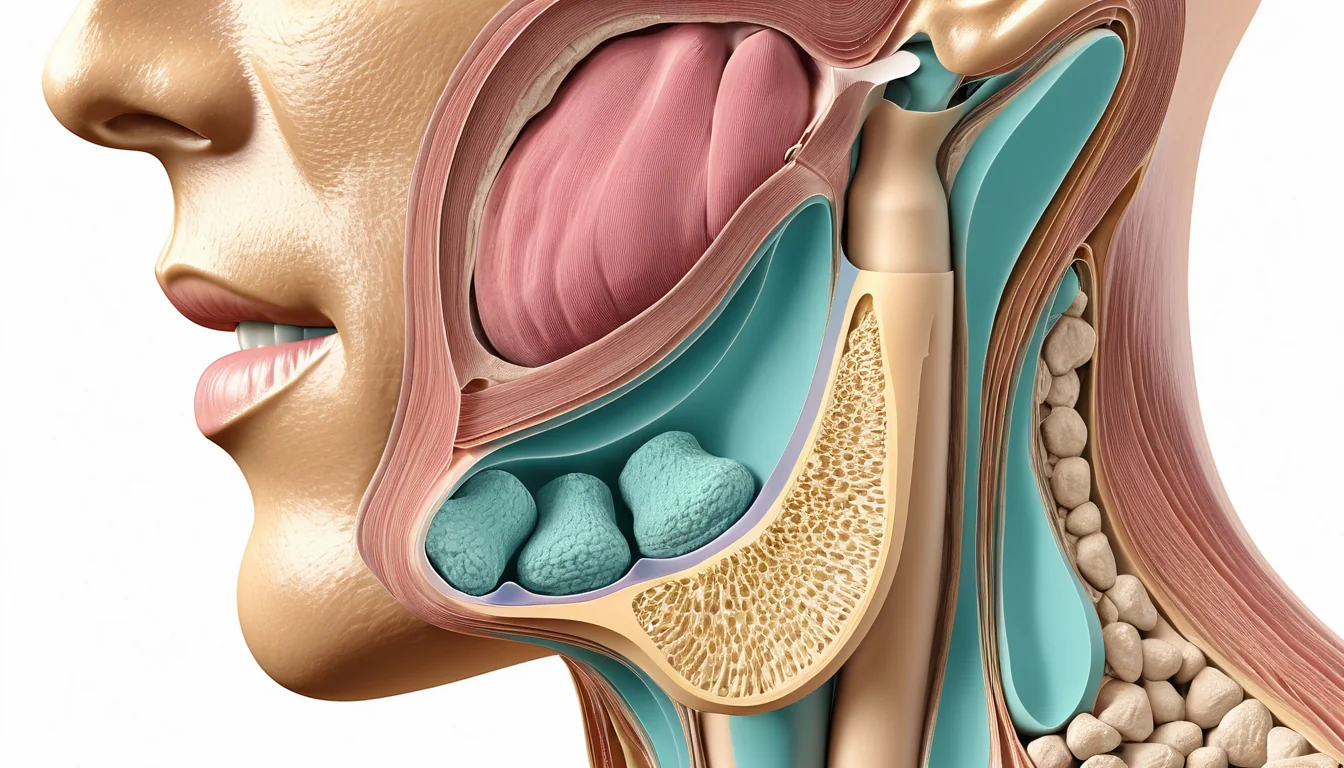
Thyroid nodules are small lumps that develop inside or on the surface of the thyroid gland, a butterfly-shaped organ located at the base of your neck. They are extremely common among Canadians, and in most cases, they are completely benign — fewer than 5% of all thyroid nodules are cancerous. Despite how frequently they occur, many people are unaware they have one until it is discovered during a routine examination or an unrelated imaging test.
What Causes Thyroid Nodules and Who Is at Risk?
Understanding the causes of thyroid nodules, recognizing thyroid nodule symptoms early, and knowing what treatment options are available through the Canadian healthcare system can help you take the right steps for your health. This guide covers everything Canadians need to know — from risk factors and diagnosis to when you should see a doctor about a thyroid lump in your neck.
What Are Thyroid Nodules?
| Type of Thyroid Nodule | Characteristics | Cancer Risk | Typical Management |
|---|---|---|---|
| Colloid (Adenomatous) Nodule | Benign, fluid-filled or solid; most common type; may enlarge over time | Very Low (<1%) | Monitoring with ultrasound every 1–2 years; no treatment usually required |
| Thyroid Cyst | Fluid-filled sac; often benign; can cause discomfort if large | Low (1–3%) | Aspiration if symptomatic; follow-up ultrasound to monitor for recurrence |
| Inflammatory Nodule | Associated with Hashimoto’s thyroiditis or subacute thyroiditis; tender to touch | Low (1–3%) | Treat underlying thyroid condition; anti-inflammatory medication if needed |
| Hyperfunctioning (Toxic) Nodule | Produces excess thyroid hormone; may cause hyperthyroidism symptoms | Very Low (<1%) | Radioactive iodine therapy, antithyroid medications, or surgery |
| Multinodular Goitre | Multiple nodules within an enlarged thyroid gland; may affect swallowing or breathing | Low to Moderate (5–10%) | Regular ultrasound monitoring; surgery or radioactive iodine if symptomatic |
| Malignant Nodule | Firm, irregular borders; may involve lymph nodes; often detected via fine-needle biopsy | High (confirmed cancer) | Surgical removal (thyroidectomy); radioactive iodine; ongoing follow-up with endocrinologist |
A thyroid nodule is an abnormal growth of thyroid tissue that forms a lump in the gland. These nodules can be solid, filled with fluid (cystic), or a mix of both. You may have just one nodule, or you may develop several — a condition called a multinodular goitre.
Most thyroid nodules grow slowly and cause no symptoms at all. Many people only find out they have one when a doctor spots it during a routine check-up, or when a CT scan or ultrasound is done for another reason. However, some nodules can affect how your thyroid works or press on nearby structures in your neck.
Types of Thyroid Nodules
There are three main types of thyroid nodules. Solid nodules are made up entirely of tissue and tend to grow slowly. Cystic nodules are filled with fluid. In rare cases, a cystic nodule can bleed internally, causing a sudden increase in size and pain. Mixed nodules contain both solid tissue and fluid.
It is also possible to have both solid and cystic nodules at the same time. In most cases, none of these types interfere with thyroid function. According to Health Canada, thyroid conditions are among the most common endocrine disorders in the country.
What Causes Thyroid Nodules?
Doctors do not always know exactly why thyroid nodules form. However, research points to several known contributing factors. Understanding these factors can help you assess your own risk.
One well-established cause is radiation exposure. People who received radiation therapy to the head, neck, or chest — especially during childhood — have a higher risk of developing thyroid nodules. Environmental radiation exposure also raises this risk, sometimes appearing decades after the original exposure.
Genetics play a role as well. If a parent had thyroid nodules, their children are more likely to develop them too. In addition, having an existing thyroid condition — such as a goitre or Hashimoto’s thyroiditis — increases the likelihood of nodule formation.
The Role of Iodine Deficiency
A lack of iodine in the diet can lead to goitre, sometimes with nodules. Iodine deficiency is less common in Canada because iodine is added to table salt. However, it can still occur in people with very restricted diets. If you are concerned about your iodine intake, speak with your family doctor or a registered dietitian.
Thyroid Nodule Symptoms to Watch For
Most thyroid nodules cause no symptoms at all. They are often too small to feel and do not interfere with daily life. However, larger nodules or those that affect thyroid hormone levels can cause noticeable problems.
If a nodule grows large enough, you or your doctor may be able to feel or see a lump in your neck. In rare cases, a large thyroid nodule can press on the windpipe (trachea) or food pipe (oesophagus), causing discomfort.
Symptoms Related to Thyroid Hormone Imbalance
Some thyroid nodules produce too much thyroid hormone, leading to hyperthyroidism (an overactive thyroid). This happens in fewer than 1 in 100 people with thyroid nodules. Symptoms of hyperthyroidism include rapid heartbeat, unexplained weight loss, nervousness, and excessive sweating.
On the other hand, some nodules — particularly those linked to Hashimoto’s thyroiditis — are associated with hypothyroidism (an underactive thyroid). Symptoms include fatigue, depression, memory problems, constipation, dry skin, and feeling cold all the time. For a detailed overview, see this resource from the Mayo Clinic on thyroid nodules.
Rare Symptoms That Need Prompt Attention
In uncommon cases, thyroid nodules can cause the following symptoms:
- Pain or a feeling of fullness in the neck
- Difficulty swallowing
- Difficulty breathing
- A hoarse voice that lasts more than a few weeks
These symptoms do not always mean the nodule is cancerous. However, they do mean you should see a doctor promptly to find out what is going on.
Risk Factors for Thyroid Nodules
Certain factors make a person more likely to develop thyroid nodules. Knowing your risk factors helps you and your doctor stay alert. The most common risk factors include:
- Age: Thyroid nodules become more common as people get older.
- Sex: Women develop thyroid nodules more often than men.
- Radiation exposure: Past radiation therapy or significant environmental exposure raises the risk.
- Iodine deficiency: A diet low in iodine can trigger nodule formation.
- Family history: A parent or sibling with thyroid nodules or thyroid cancer increases your personal risk.
- Hashimoto’s thyroiditis: This autoimmune condition that causes hypothyroidism is linked to a higher rate of nodule development.
Furthermore, a nodule is more likely to be malignant (cancerous) if it appears in someone under 20 or over 60, if it grows rapidly over weeks or months, or if the person has a personal or family history of thyroid cancer or other endocrine cancers.
How Are Thyroid Nodules Diagnosed?
The first step in diagnosing thyroid nodules is a physical exam and a review of your medical history. Your family doctor will feel your neck for any unusual lumps or swelling. Many thyroid nodules are found by chance during a CT scan or ultrasound ordered for a completely different reason.
If your doctor finds a nodule, they will likely refer you to an endocrinologist — a specialist in hormone-related conditions. Your provincial health plan typically covers this type of referral. Here is what to expect from common diagnostic tests:
Common Tests for Thyroid Nodules
- TSH blood test: This measures thyroid-stimulating hormone and tells your doctor how well your thyroid is functioning.
- Thyroid ultrasound: This imaging test shows the size, shape, and structure of a nodule. It helps determine whether further testing is needed, though it cannot confirm cancer on its own.
- Thyroid biopsy (fine needle aspiration): A small sample of tissue is taken from the nodule, usually right in the clinic or doctor’s office. This test is the most reliable way to find out whether a nodule is cancerous.
- Thyroid hormone blood tests: These check whether a nodule is producing excess hormones.
- Thyroid scan (scintigraphy): A small amount of radioactive material is used to create images of the thyroid. This is especially useful when hyperthyroidism is suspected.
- Calcitonin test: In some cases, this blood test helps detect a rare type called medullary thyroid cancer.
According to Healthline’s guide to thyroid nodules, most nodules that require a biopsy turn out to be benign.
Treatment Options for Thyroid Nodules
Treatment depends on the type of nodule, its size, and whether it is causing problems. Many thyroid nodules do not need any treatment at all. Your doctor will simply monitor them over time with regular ultrasounds and check-ups.
When Treatment Is Needed
If a nodule is causing hyperthyroidism, treatment may include anti-thyroid medications or radioactive iodine therapy. In some cases, surgery is recommended. Your endocrinologist will discuss the best approach based on your specific situation.
If a nodule is pressing on your airway or oesophagus and making it hard to breathe or swallow, surgery is usually the recommended treatment. A surgeon will remove the nodule or part of the thyroid gland in a procedure called a thyroidectomy.
For the roughly 5% of nodules that turn out to be cancerous, surgical removal is necessary. The good news is that most thyroid cancers are highly treatable, especially when caught early. Your care team may include a surgeon, an endocrinologist, and possibly a nuclear medicine specialist.
When to See a Doctor About Thyroid Nodules
You should make an appointment with your family doctor or visit a walk-in clinic if you notice any of the following:
- A lump or swelling in your neck that does not go away within two weeks
- A hoarse voice that has lasted more than a month and is not due to a cold or throat infection
- Difficulty swallowing or breathing
- Signs of a thyroid problem, such as unusual fatigue, sudden weight changes, or a racing heart
Your family doctor is a great first point of contact. They can order initial blood tests and imaging, and then refer you to an endocrinologist if needed. All of these services are covered under provincial health plans across Canada. Do not wait — catching thyroid issues early leads to much better outcomes.
Always consult your family doctor or a qualified healthcare provider before making any decisions about your health. This article is for informational purposes only and does not replace professional medical advice.
Frequently Asked Questions About Thyroid Nodules
Are thyroid nodules dangerous?
Most thyroid nodules are not dangerous. In fact, fewer than 5% of thyroid nodules turn out to be cancerous. The majority are benign and may never cause any symptoms or require treatment.
What are the warning signs of a cancerous thyroid nodule?
Warning signs that a thyroid nodule may be cancerous include rapid growth over weeks or months, a very hard or fixed lump, hoarseness, and difficulty swallowing. A thyroid nodule that appears in someone under 20 or over 60 also warrants closer examination. See your doctor promptly if you notice any of these signs.
Can thyroid nodules go away on their own?
Some thyroid nodules, particularly small cystic ones, can shrink or disappear on their own over time. However, most nodules remain stable or grow slowly. Your doctor will monitor your thyroid nodules with regular ultrasounds to track any changes.
Do thyroid nodules cause weight gain or weight loss?
Thyroid nodules themselves do not directly cause weight changes. However, if a nodule disrupts thyroid hormone production, it can lead to weight gain (in hypothyroidism) or unexplained weight loss (in hyperthyroidism). A simple blood test can check your thyroid hormone levels.
How are thyroid nodules treated in Canada?
Treatment for thyroid nodules in Canada depends on the type and size of the nodule and whether it is causing symptoms. Options include active monitoring, medication, radioactive iodine therapy, or surgery. Most care is covered under provincial health plans, and your family doctor can refer you to an endocrinologist for specialist assessment.
Can I feel a thyroid nodule myself?
According to Mayo Clinic’s overview of thyroid nodules, this information is supported by current medical research.
For more information, read our guide on thyroid disorders and their causes in Canada.
Most thyroid nodules are too small to feel. Larger nodules may appear as a visible lump at the base of the neck or be felt when swallowing. Because most thyroid nodules are not noticeable, they are often discovered during a routine physical exam or an imaging test done for another reason.
Key Takeaways
- Thyroid nodules are common and found in people of all ages, though they are more frequent in women and older adults.
- Most are benign. Fewer than 5% of thyroid nodules are cancerous.
- Many cause no symptoms and are discovered by chance during a physical exam or imaging test.
- Risk factors include radiation exposure, family history, iodine deficiency, and Hashimoto’s thyroiditis.
- Diagnosis involves blood tests, ultrasound, and sometimes a biopsy.
- Treatment varies from watchful waiting to medication or surgery, depending on the nodule’s nature.
- See your family doctor or a walk-in clinic if you notice a lump in your neck, voice changes, or signs of a thyroid imbalance.
Frequently Asked Questions
What are thyroid nodules?
Thyroid nodules are abnormal lumps or growths that form within the thyroid gland, located at the base of your neck. They are extremely common, affecting up to 50% of adults. Most thyroid nodules are benign and cause no symptoms, though a small percentage may be cancerous and require further evaluation.
What are the symptoms of thyroid nodules?
Most thyroid nodules cause no noticeable symptoms and are discovered incidentally. When symptoms do occur, they may include a visible lump in the neck, difficulty swallowing, hoarseness, neck pain, or shortness of breath. Nodules that produce excess hormones can also cause hyperthyroidism symptoms like rapid heartbeat and unexplained weight loss.
How are thyroid nodules treated in Canada?
Treatment for thyroid nodules in Canada depends on the type, size, and whether cancer is present. Options include active monitoring with ultrasound, thyroid hormone suppression therapy, radioactive iodine, or surgical removal. Benign nodules often require only regular observation, while suspicious or cancerous nodules typically require surgery performed by an endocrinologist or thyroid surgeon.
Can thyroid nodules be prevented?
There is no guaranteed way to prevent thyroid nodules. However, ensuring adequate iodine intake through a balanced diet or iodized salt helps reduce the risk of iodine-deficiency-related nodules. Avoiding unnecessary radiation exposure to the neck area is also recommended. Regular check-ups can help detect nodules early before complications develop.
When should I see a doctor about a thyroid nodule?
See a doctor promptly if you notice a lump in your neck, experience difficulty swallowing or breathing, develop a hoarse voice, or have unexplained weight changes. In Canada, your family doctor can refer you for a thyroid ultrasound and blood tests. Early evaluation is important to rule out thyroid cancer or other serious conditions.

About the Author
Dr. Sarah Mitchell, MDDr. Sarah Mitchell is a board-certified family physician with over 15 years of clinical experience. She completed her MD at the University of Toronto and her residency at Toronto General Hospital. Dr. Mitchell specializes in preventive medicine and chronic disease management. She is a member of the College of Family Physicians of Canada (CFPC) and has published over 30 peer-reviewed articles on preventive health care.
View all articles →