Multiple Endocrine Neoplasia: Types, Signs & Diagnosis

Share
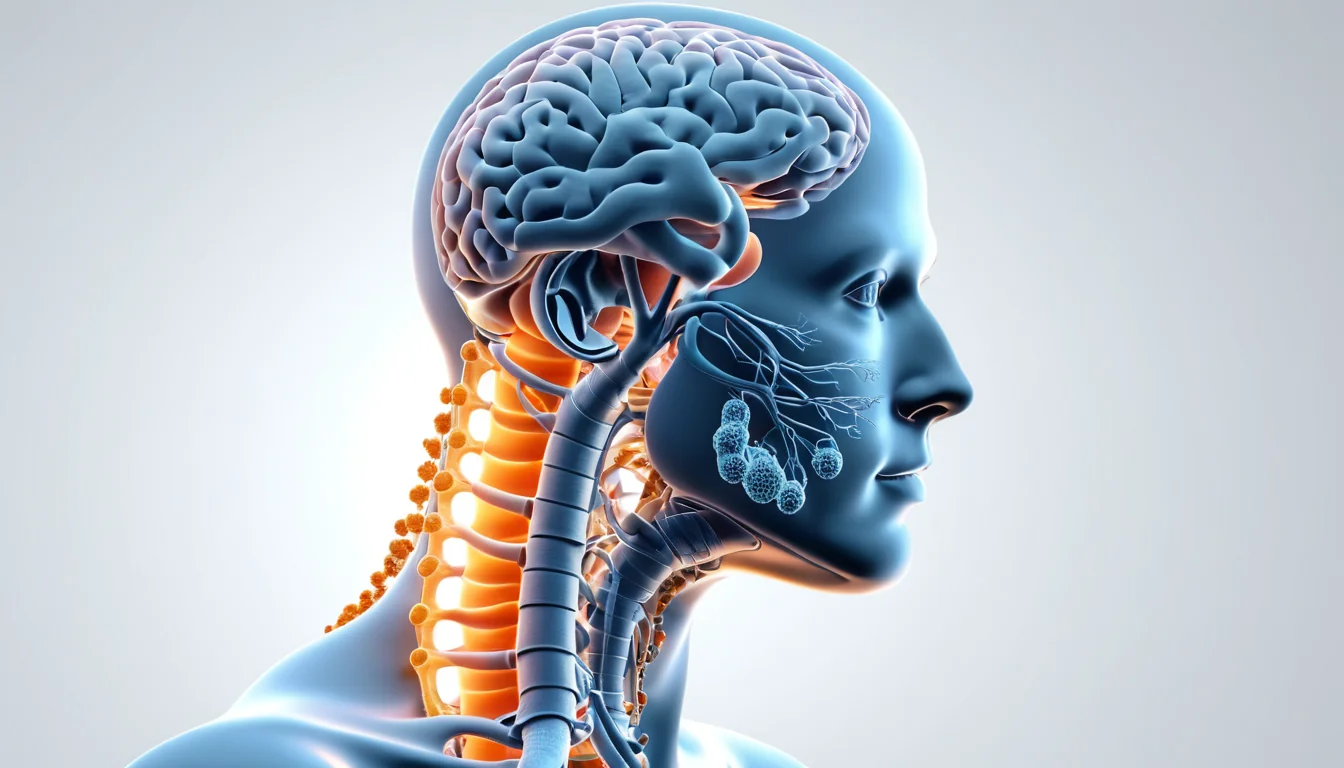
Multiple endocrine neoplasia (MEN) is a rare genetic condition that causes tumours to develop in two or more hormone-producing glands simultaneously. These endocrine glands regulate many of your body’s most critical functions, from metabolism to blood pressure. Because MEN affects multiple glands at once, the symptoms it produces can be wide-ranging and difficult to connect without proper medical evaluation.
How Is Multiple Endocrine Neoplasia Diagnosed in Canada?
For Canadians with a family history of endocrine tumours, understanding MEN syndrome types is especially important. The condition follows an autosomal dominant inheritance pattern, meaning a child has a 50% chance of inheriting the gene mutation if one parent carries it. Both men and women are equally affected, and diagnoses have been made in patients ranging from young children to adults over 80. Early awareness and genetic screening can make a significant difference in outcomes for Canadian families affected by this condition.
What Is Multiple Endocrine Neoplasia?
| MEN Type | Affected Glands & Tumours | Key Signs & Symptoms | Management Approach |
|---|---|---|---|
| MEN1 (Wermer Syndrome) | Parathyroid glands, pancreatic islet cells, pituitary gland | Kidney stones, hypoglycemia, headaches, vision changes, irregular menstruation | Surgical removal of parathyroid tumours; medications to control hormone levels; regular monitoring with imaging |
| MEN2A (Sipple Syndrome) | Thyroid (medullary carcinoma), adrenal glands (pheochromocytoma), parathyroid glands | Neck lump, high blood pressure, palpitations, elevated calcium levels | Prophylactic thyroidectomy recommended; adrenal surgery if pheochromocytoma present; calcium management |
| MEN2B | Thyroid (medullary carcinoma), adrenal glands, mucosal neuromas, marfanoid features | Bumps on lips and tongue, tall thin build, intestinal issues, high blood pressure | Early thyroidectomy (often in infancy); lifelong hormone replacement therapy; regular endocrine follow-up |
| MEN4 | Parathyroid glands, pituitary gland; occasionally pancreas and reproductive organs | Similar to MEN1: kidney stones, headaches, hormonal imbalances | Individualized surgical and medical management; genetic testing for CDKN1B mutation; annual biochemical screening |
Multiple endocrine neoplasia is caused by a genetic mutation. This means a change in your DNA causes certain glands to grow tumours. The condition can be inherited from a parent, or it can appear on its own through a new mutation that occurs before birth.
If one parent carries the MEN gene mutation, their child has a 50% chance of inheriting it. Both men and women are equally affected. The condition has been diagnosed in children as well as adults up to 80 years old.
MEN is considered a rare condition. According to the Mayo Clinic’s overview of multiple endocrine neoplasia, MEN type 1 affects about 1 in 30,000 people, while MEN type 2 affects about 1 in 35,000 people.
Types of Multiple Endocrine Neoplasia
There are two main types of MEN syndrome. Each type affects different glands and carries different health risks. Understanding which type you have is essential for proper treatment.
MEN Type 1
MEN type 1 mainly affects three areas of the endocrine system. These are the parathyroid glands, the gastrointestinal tract (including the pancreas, stomach, and duodenum), and the pituitary gland.
Most tumours in MEN type 1 are benign, meaning they are not cancerous. However, some can become malignant and spread to other parts of the body. Even benign tumours cause problems because they make the affected glands release too many hormones into the blood.
MEN type 1 is caused by a mutation in the MEN1 gene. This gene normally acts as a tumour suppressor — it stops cells from dividing out of control. When this gene mutates, that protection is lost, and tumours can form.
MEN Type 2
MEN type 2 almost always involves medullary thyroid cancer. This is a type of thyroid cancer that starts in the C cells of the thyroid gland. C cells do not make thyroid hormones. Instead, they produce calcitonin, a hormone that helps control calcium levels in the blood.
Medullary thyroid cancer makes up about 2% of all thyroid cancers. It can spread to other parts of the body, so surgical treatment is usually needed. MEN type 2 is caused by a mutation in the RET gene, which normally helps control how cells divide and when old cells die.
In addition to medullary thyroid cancer, MEN type 2 is also linked to two other conditions. These are phaeochromocytoma (a tumour of the adrenal glands) and hyperparathyroidism (overactive parathyroid glands).
Signs and Symptoms of Multiple Endocrine Neoplasia
Symptoms of multiple endocrine neoplasia vary widely depending on which glands are affected. Because several glands can be involved at once, a person may experience a confusing mix of health problems. Here is a breakdown by type and affected gland.
Symptoms Related to MEN Type 1
In MEN type 1, tumours cause the affected glands to release too much hormone. The most common hormone-related conditions are hyperparathyroidism, gastrinomas, insulinomas, and prolactinomas.
Too much parathyroid hormone raises calcium levels in the blood. This can cause:
- Joint pain and bone pain
- Muscle weakness
- Fatigue
- Depression
- Difficulty concentrating
- Loss of appetite
- Nausea and vomiting
Too much gastrin (from gastrinomas) increases stomach acid. Gastrinomas are found in about 40% of people with MEN type 1. As a result, you may experience:
- Abdominal pain
- Heartburn or acid reflux
- Diarrhoea
- Peptic ulcers
Too much insulin (from insulinomas) causes low blood sugar. Therefore, symptoms can include:
- Confusion
- Trembling
- Sweating
- Heart palpitations
- Anxiety
- Unusual hunger
Too much prolactin (from prolactinomas) affects reproductive health. Prolactinomas are the most common pituitary tumours. Symptoms include:
- Irregular menstrual cycles
- Infertility
- Abnormal breast milk production
- Reduced sex drive
- Erectile dysfunction in men
Symptoms Related to MEN Type 2
In MEN type 2, symptoms come mainly from medullary thyroid cancer. Not everyone will experience all symptoms, and severity varies between people in the same family.
Thyroid cancer symptoms may include:
- A lump or swelling at the front of the neck
- Local pain or tenderness
- Hoarseness or voice changes
- A persistent cough
- Trouble swallowing
- Difficulty breathing
Furthermore, about 50% of people with MEN type 2 will also develop a phaeochromocytoma. This is a tumour on the adrenal glands that releases adrenaline and noradrenaline. Symptoms of phaeochromocytoma include:
- High blood pressure
- Severe headaches
- Excessive sweating
- Rapid heartbeat or palpitations
- Trembling and feelings of panic
Causes and Genetic Risk
Both types of multiple endocrine neoplasia are caused by inherited or new genetic mutations. A mutation is a change in the DNA code that causes cells to behave abnormally.
MEN type 1 results from a mutation in the MEN1 gene. This gene is a tumour suppressor. When it works properly, it stops abnormal cell growth. When it is mutated, cells can multiply uncontrollably and form tumours in the endocrine glands.
MEN type 2 results from a mutation in the RET gene. This gene normally helps regulate cell division and programmed cell death. However, when mutated, it causes cells to grow too quickly, leading to malignant gland formation.
Because these conditions are genetic, family history plays a major role. If you have a close relative with MEN syndrome, speak with your family doctor about genetic counselling. Health Canada supports access to genetic testing through provincial health programmes in many parts of the country.
How Is Multiple Endocrine Neoplasia Diagnosed?
Diagnosing multiple endocrine neoplasia often involves a combination of blood tests, imaging, and genetic testing. Doctors begin to suspect MEN when a person develops two or more endocrine tumours, especially at a young age.
For MEN type 1, diagnosis is considered when two or more of the classic tumour types appear — parathyroid, pancreatic, or pituitary. A family history of MEN type 1 may prompt earlier testing even before symptoms begin.
For MEN type 2, the key marker is elevated calcitonin in the blood, which signals medullary thyroid cancer. Genetic testing for the RET gene mutation confirms the diagnosis. In addition, imaging tests such as ultrasound or CT scans help locate tumours and check for spreading.
According to Healthline’s guide on multiple endocrine neoplasia, genetic testing is especially important for family members of a confirmed MEN patient, even if they show no symptoms yet. Early detection leads to much better outcomes.
When to See a Doctor
You should see your family doctor if you notice any unexplained lumps in your neck, persistent digestive problems, unusual hormonal symptoms, or a combination of health issues affecting different body systems. These can be easy to dismiss one by one, but together they may point to a condition like multiple endocrine neoplasia.
If you do not have a family doctor, a walk-in clinic is a good first step. Ask your provincial health plan about coverage for specialist referrals and genetic testing. In Canada, your family doctor can refer you to an endocrinologist — a specialist in hormone disorders — who can guide further investigation.
If you have a known family history of MEN syndrome, do not wait for symptoms to appear. Proactive screening through your provincial health programme can catch tumours early, when they are easiest to treat. Always speak with a qualified healthcare provider before drawing any conclusions about your own health.
Frequently Asked Questions About Multiple Endocrine Neoplasia
What is multiple endocrine neoplasia in simple terms?
Multiple endocrine neoplasia is a rare genetic condition where tumours grow in two or more hormone-producing glands. It is caused by an inherited or spontaneous gene mutation. There are two main types, MEN1 and MEN2, each affecting different glands.
Is multiple endocrine neoplasia hereditary?
Yes, multiple endocrine neoplasia is most often inherited from a parent who carries the gene mutation. If one parent has MEN, each child has a 50% chance of inheriting it. However, the mutation can also appear for the first time without any family history.
What are the early signs of MEN syndrome?
Early signs of MEN syndrome depend on which glands are affected and can include fatigue, bone pain, digestive problems, or a lump in the neck. Because symptoms vary so much, MEN is sometimes missed until multiple issues appear together. Genetic testing is the most reliable way to detect it early.
How is multiple endocrine neoplasia treated?
Treatment for multiple endocrine neoplasia depends on which tumours are present and whether they are cancerous. Surgery is often required, particularly for medullary thyroid cancer in MEN type 2. Hormone-related symptoms may also be managed with medication under the guidance of an endocrinologist.
Can multiple endocrine neoplasia be cured?
There is currently no cure for multiple endocrine neoplasia itself, since it is a genetic condition. However, individual tumours can often be treated or removed, and regular monitoring can catch new tumours early. Many people with MEN live full lives with proper medical care and surveillance.
Should I get tested if a family member has MEN syndrome?
According to Mayo Clinic’s overview of multiple endocrine neoplasia, this information is supported by current medical research.
For more information, read our guide on thyroid cancer symptoms and causes in Canada.
Yes, if a close family member has been diagnosed with multiple endocrine neoplasia, you should speak with your family doctor about genetic testing. Early testing allows for proactive monitoring even before symptoms develop. Your provincial health plan may cover genetic counselling and testing as part of a referral programme.
Key Takeaways
- Multiple endocrine neoplasia is a rare genetic condition causing tumours in two or more endocrine glands.
- There are two main types: MEN type 1 (affecting parathyroid, pancreas, and pituitary glands) and MEN type 2 (almost always involving medullary thyroid cancer).
- Both types are caused by gene mutations — MEN1 or RET — and can be inherited or arise spontaneously.
- Symptoms vary widely but may include neck lumps, bone pain, digestive issues, hormonal imbalances, and high blood pressure.
- Diagnosis involves blood tests, imaging, and genetic testing. Early detection significantly improves outcomes.
- If you have a family history of MEN, talk to your family doctor or visit a walk-in clinic to discuss screening through your provincial health programme.
- Always consult a qualified healthcare provider for a proper diagnosis and personalised treatment plan.
Frequently Asked Questions
What is multiple endocrine neoplasia?
Multiple endocrine neoplasia (MEN) is a rare inherited disorder causing tumours to develop in two or more endocrine glands, such as the parathyroid, pituitary, and pancreas. These tumours can be benign or malignant. MEN is caused by genetic mutations and is classified into three main types: MEN1, MEN2A, and MEN2B.
What are the symptoms of multiple endocrine neoplasia?
Symptoms vary by type but commonly include kidney stones, fatigue, and high calcium levels in MEN1. MEN2 often causes a lump in the throat, high blood pressure, and flushing due to thyroid or adrenal tumours. Some people have no symptoms and are only diagnosed through genetic testing after a family member is identified.
How is multiple endocrine neoplasia treated in Canada?
Treatment depends on which glands are affected and may include surgery to remove tumours, medication to manage hormone levels, and regular monitoring. In Canada, care is typically coordinated through endocrinology specialists. Genetic counselling is also recommended for affected individuals and their first-degree relatives to guide screening and preventive management.
Can multiple endocrine neoplasia be prevented?
MEN cannot be prevented since it is caused by inherited genetic mutations. However, early identification through genetic testing allows for proactive monitoring and timely treatment before complications develop. Individuals with a family history of MEN should speak with a genetic counsellor to assess their risk and establish an appropriate surveillance plan.
When should you see a doctor about endocrine tumour symptoms?
See a doctor promptly if you experience recurring kidney stones, unexplained high blood pressure, a neck lump, persistent fatigue, or abnormal calcium levels. You should also consult a physician if a close family member has been diagnosed with MEN, as early genetic screening can detect the condition before serious symptoms appear.

About the Author
Dr. Sarah Mitchell, MDDr. Sarah Mitchell is a board-certified family physician with over 15 years of clinical experience. She completed her MD at the University of Toronto and her residency at Toronto General Hospital. Dr. Mitchell specializes in preventive medicine and chronic disease management. She is a member of the College of Family Physicians of Canada (CFPC) and has published over 30 peer-reviewed articles on preventive health care.
View all articles →