Alcohol and Your Health: Risks Canadians Must Know

Share
Alcohol and your health is a topic every Canadian should understand — especially when social drinking is so deeply woven into our culture. Whether it is a cold beer at a hockey game or wine over the holidays, most of us enjoy a drink now and then. But how much do you really know about what alcohol does inside your body?
How Alcohol and Your Health Are Connected: What the Science Says
The truth is, the effects of alcohol on the body go far beyond a morning hangover. While many people think of alcohol as a harmless social ritual, science paints a very different picture. From liver damage and weight gain to mental health struggles, regular drinking carries real risks that Canadians often underestimate. In this evidence-based guide, we break down exactly how alcohol impacts your organs, your waistline, and your mind — so you can make truly informed choices.
Is Alcohol Actually a Food?
| Risk Factor | Health Impact | Level of Risk | Prevention/Action |
|---|---|---|---|
| Heavy Daily Drinking (more than 3 drinks/day) | Increased risk of liver disease, heart disease, and certain cancers including breast and colorectal cancer | High | Reduce intake to within Canada’s Guidance on Alcohol and Health limits (2 drinks or fewer per week) |
| Binge Drinking (4+ drinks on one occasion) | Elevated blood pressure, risk of alcohol poisoning, impaired judgment, and injury | High | Alternate alcoholic drinks with water, set a limit before socializing, seek support from a healthcare provider |
| Drinking During Pregnancy | Fetal Alcohol Spectrum Disorder (FASD), low birth weight, developmental delays | Very High | No safe level of alcohol exists during pregnancy; abstain completely and consult your OB or midwife |
| Family History of Alcohol Use Disorder | Genetic predisposition increases likelihood of dependency and related mental health conditions | Moderate to High | Be aware of personal risk, limit consumption, and speak with a physician or connect with CAMH resources |
| Mixing Alcohol with Medications | Dangerous interactions with sedatives, blood thinners, antidepressants, and pain relievers | Moderate to High | Consult your pharmacist or doctor before drinking if taking any prescription or over-the-counter medications |
| Long-Term Moderate Drinking (3–6 drinks/week) | Increased risk of cancer, liver inflammation, and cardiovascular complications over time | Moderate | Reduce intake significantly; even small reductions lower health risks according to Health Canada guidelines |
Some people argue that alcohol is a food because your body breaks it down and releases energy — about 7 calories per gram. However, that does not make it nutritious. A true food supports your body’s cells, repairs tissue, and fuels healthy metabolism.
Alcohol fails that test. For example, four litres of beer contain far fewer nutrients than just 100 to 200 grams of whole grains. Furthermore, alcohol actively destroys vitamins — especially vitamin B1 — and damages organs as it moves through your body.
What Alcohol Does to Your Organs
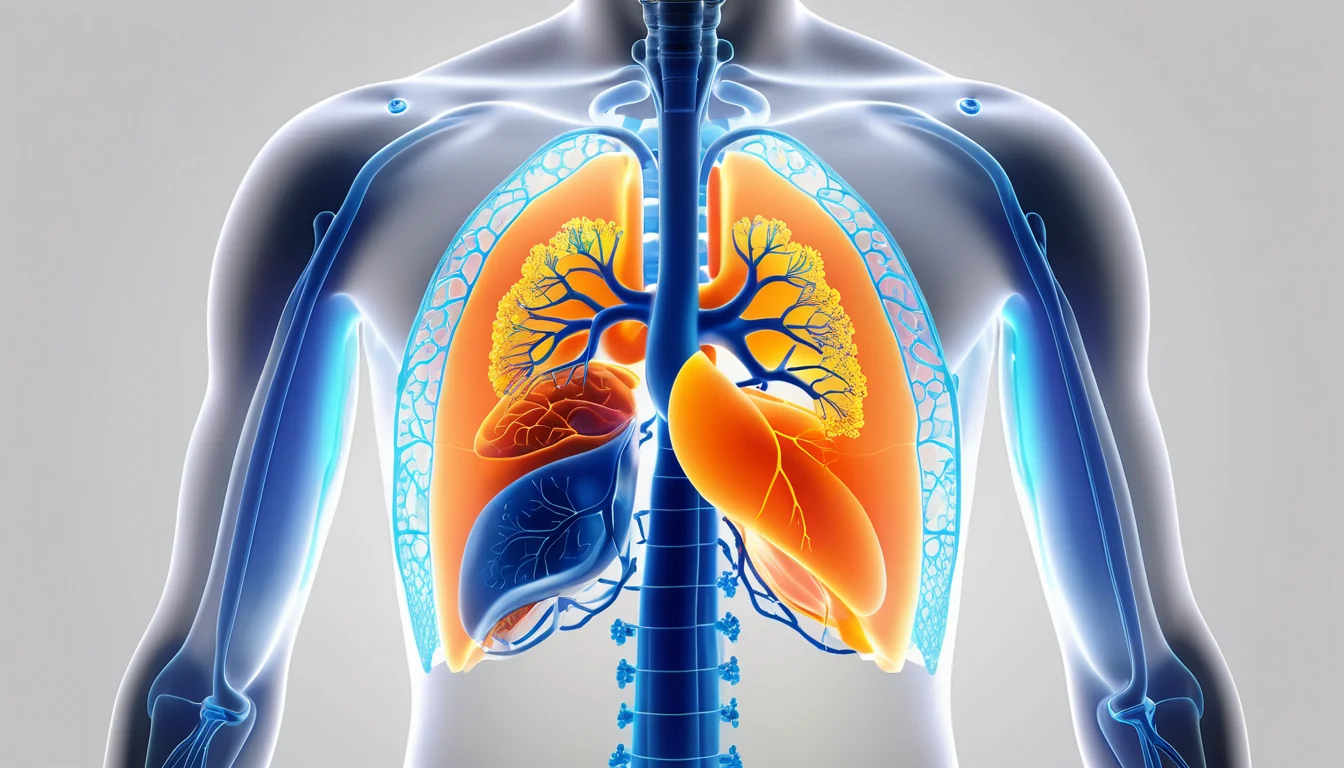
The effects of alcohol and your health reach nearly every system in your body. Regular or heavy drinking is linked to serious conditions, including:
- Stomach: gastritis and ulcers
- Liver: cirrhosis and liver cancer
- Pancreas: pancreatitis
- Nervous system: alcoholic neuropathy, dementia, memory loss, and behaviour changes
- Other cancers: increased risk of cancers of the rectum, breast, throat, larynx, and esophagus
- Kidneys: increased risk of kidney failure
In addition, chronic heavy drinking leads to malnutrition over time. Your body uses up its vitamin stores just to process the alcohol. According to Health Canada, there is no truly safe level of alcohol consumption.
Does Alcohol Really Keep You Warm?
This is one of the most common myths about alcohol and your health — especially here in Canada. Many people believe a drink warms them up on a cold winter night. In reality, the opposite is true.
When you drink alcohol, blood vessels near your skin expand. This creates a warm, flushed feeling. However, this actually pushes heat away from your core and out through your skin. As a result, your body loses heat faster than it produces it.
The Danger of Feeling Warm
The warmth you feel after a drink is misleading. Your body temperature is actually dropping while your skin feels hot. In cold Canadian winters, this effect can be dangerous — especially outdoors. Over time, what starts as a warm sensation turns into chills as your body loses more heat than it can make.
The problem is that alcohol also impairs the brain centre that regulates body temperature. So your body cannot respond properly to the cold. This makes drinking outdoors in winter genuinely risky.
Alcohol and Courage: What Is Really Happening
Alcohol is a psychoactive substance. It acts as a depressant on your central nervous system — not a stimulant, despite how it might feel at first. After a few drinks, many people feel more talkative, confident, and energetic. This is called the excitation phase.
However, this phase is actually caused by alcohol weakening your brain’s inhibition signals. In other words, your brain’s brakes stop working properly. You feel bold, but your judgment and awareness are already impaired.
How Alcohol Affects Work and Safety
Research shows that people under the influence of alcohol become fatigued twice as quickly as those who are sober — even if they appear to be working hard. Furthermore, tasks get done carelessly. Safety rules get ignored. Warning signs go unnoticed.
This is a serious concern in many workplaces across Canada. It is also a major factor in accidents on the road and at home. The World Health Organization (WHO) identifies alcohol as a leading risk factor for injury and disability worldwide.
Alcohol, Calories, and Weight Gain
The link between alcohol and your health also includes your waistline. Alcohol is calorie-dense — 7 calories per gram — but those calories offer zero nutritional value. They are often called “empty calories.”
Interestingly, only about 5% of alcohol calories convert directly into body fat. However, alcohol still contributes to weight gain in other ways. It reduces the amount of fat your body burns for energy, increases your appetite, and lowers testosterone levels for up to 24 hours after drinking.
Why Alcohol Makes It Harder to Lose Weight
People who drink regularly tend to lose weight much more slowly than those who do not. This is especially true for men, who may notice reduced muscle mass over time. In addition, alcohol is often consumed alongside high-calorie foods — snacks, appetizers, and late-night meals — which adds even more calories to the mix.
Therefore, if you are working toward a healthier weight, reducing alcohol intake is one of the most effective steps you can take. Even cutting back — not just cutting out — can make a meaningful difference.
Long-Term Effects of Regular Drinking
Short-term effects of alcohol get a lot of attention, but the long-term picture is even more concerning. Chronic alcohol use changes how your brain works, how your liver functions, and how your body handles nutrients. Over years, these changes can become permanent.
Alcoholic neuropathy — nerve damage caused by long-term drinking — can cause pain, tingling, and weakness in the limbs. Alcoholic dementia is a real condition that affects memory and cognitive function. These are not rare outcomes. They affect Canadians in every province and territory.
Alcohol and Mental Health
Many people drink to manage stress, anxiety, or low mood. However, alcohol worsens mental health over time. It disrupts sleep, increases anxiety, and can deepen depression. According to Mayo Clinic, alcohol use disorder and mental health conditions are closely connected and often need to be treated together.
If you or someone you know is using alcohol to cope with difficult emotions, that is an important sign to seek support.
When to See a Doctor
If you are concerned about how alcohol is affecting your health, talk to your family doctor. They can review your drinking habits, run blood tests to check your liver and nutrient levels, and connect you with local support programmes. Most provincial health plans in Canada cover these visits at no direct cost to you.
Do not have a family doctor? A walk-in clinic is a great first step. Nurses and physicians at walk-in clinics can assess your situation and refer you to addiction support services available in your province. You do not need to be in crisis to ask for help — catching problems early leads to much better outcomes.
Always speak with a qualified healthcare provider before making major changes to your health habits. This article is for general information only and does not replace medical advice.
Frequently Asked Questions About Alcohol and Your Health
How does alcohol affect your health long-term?
Long-term alcohol use damages the liver, nervous system, pancreas, and stomach. It increases your risk of several cancers and can lead to permanent cognitive decline. Understanding the link between alcohol and your health is the first step toward making safer choices.
Is alcohol really bad for your liver?
Yes. Regular heavy drinking can cause fatty liver, hepatitis, cirrhosis, and liver cancer. The liver is the main organ that processes alcohol, so it takes on a heavy toxic load with each drink. Even moderate drinking over many years can cause measurable liver damage.
Does alcohol cause weight gain?
Alcohol is high in empty calories and reduces the amount of fat your body burns for energy. It also increases appetite and is often paired with high-calorie foods. As a result, regular drinkers typically find it much harder to lose or maintain a healthy weight.
Can alcohol keep you warm in cold weather?
No — this is a common myth, especially in Canada. Alcohol makes your skin feel warm by pushing blood to the surface, but this actually causes your body to lose heat faster. Drinking in cold weather increases your risk of hypothermia.
How much alcohol is safe to drink?
Health Canada’s updated guidance states there is no completely safe level of alcohol consumption. Even small amounts carry some health risk. If you drink, keeping to the lowest amount possible reduces your risk of harm.
Where can I get help for alcohol use in Canada?
According to Health Canada’s low-risk alcohol drinking guidelines, this information is supported by current medical research.
For more information, read our guide on thyroid and weight gain in Canada.
Start by speaking with your family doctor or visiting a walk-in clinic — most provincial health plans cover these visits. You can also contact your provincial addiction services or call the national helpline for substance use support. Help is available across Canada at no cost.
Key Takeaways
- Alcohol is not a food. It provides calories but destroys nutrients and harms your organs.
- Alcohol does not warm you up. It causes your body to lose heat faster, which is dangerous in cold weather.
- The “courage” from alcohol is a sign of impaired judgment — not increased ability.
- Alcohol makes weight management harder by reducing fat burning and increasing appetite.
- Long-term drinking causes serious disease — including liver damage, nerve damage, cancer, and dementia.
- Help is available. Talk to your family doctor or visit a walk-in clinic to discuss your options under your provincial health plan.
Frequently Asked Questions
What does alcohol do to your health long-term?
Long-term alcohol use damages the liver, heart, brain, and immune system. It increases the risk of several cancers, high blood pressure, depression, and liver disease including cirrhosis. Alcohol and your health are deeply connected — even moderate drinking carries measurable risks that accumulate over time with regular consumption.
What are the early warning signs of alcohol-related health problems?
Early warning signs include persistent fatigue, yellowing of the skin or eyes (jaundice), frequent digestive issues, memory lapses, mood changes, and disrupted sleep. You may also notice increased tolerance, meaning you need more alcohol to feel the same effect — a key indicator of developing dependency.
How does alcohol and your health relate to cancer risk in Canada?
Health Canada confirms alcohol is a Group 1 carcinogen linked to at least seven cancers, including breast, colon, liver, esophageal, and oral cancers. Risk increases with the amount consumed. There is no completely safe drinking level when it comes to cancer — even light drinking raises risk slightly.
Can you reverse the health effects of alcohol by quitting drinking?
Yes, many alcohol-related health effects are partially or fully reversible after quitting. Liver inflammation can improve within weeks, blood pressure may normalize, and brain function often recovers over months. However, advanced liver cirrhosis and some nerve damage may be permanent, making early intervention critically important.
When should you see a doctor about your drinking habits in Canada?
See a doctor if you drink more than Canada’s Low-Risk Alcohol Drinking Guidelines recommend, feel unable to cut back, experience withdrawal symptoms, or notice physical or mental health changes. Canadian physicians can provide confidential support, referrals, and treatment options including therapy and medically supervised withdrawal programs.

About the Author
Dr. Sarah Mitchell, MDDr. Sarah Mitchell is a board-certified family physician with over 15 years of clinical experience. She completed her MD at the University of Toronto and her residency at Toronto General Hospital. Dr. Mitchell specializes in preventive medicine and chronic disease management. She is a member of the College of Family Physicians of Canada (CFPC) and has published over 30 peer-reviewed articles on preventive health care.
View all articles →