Food Allergies: Symptoms, Causes & Treatment in Canada

Share
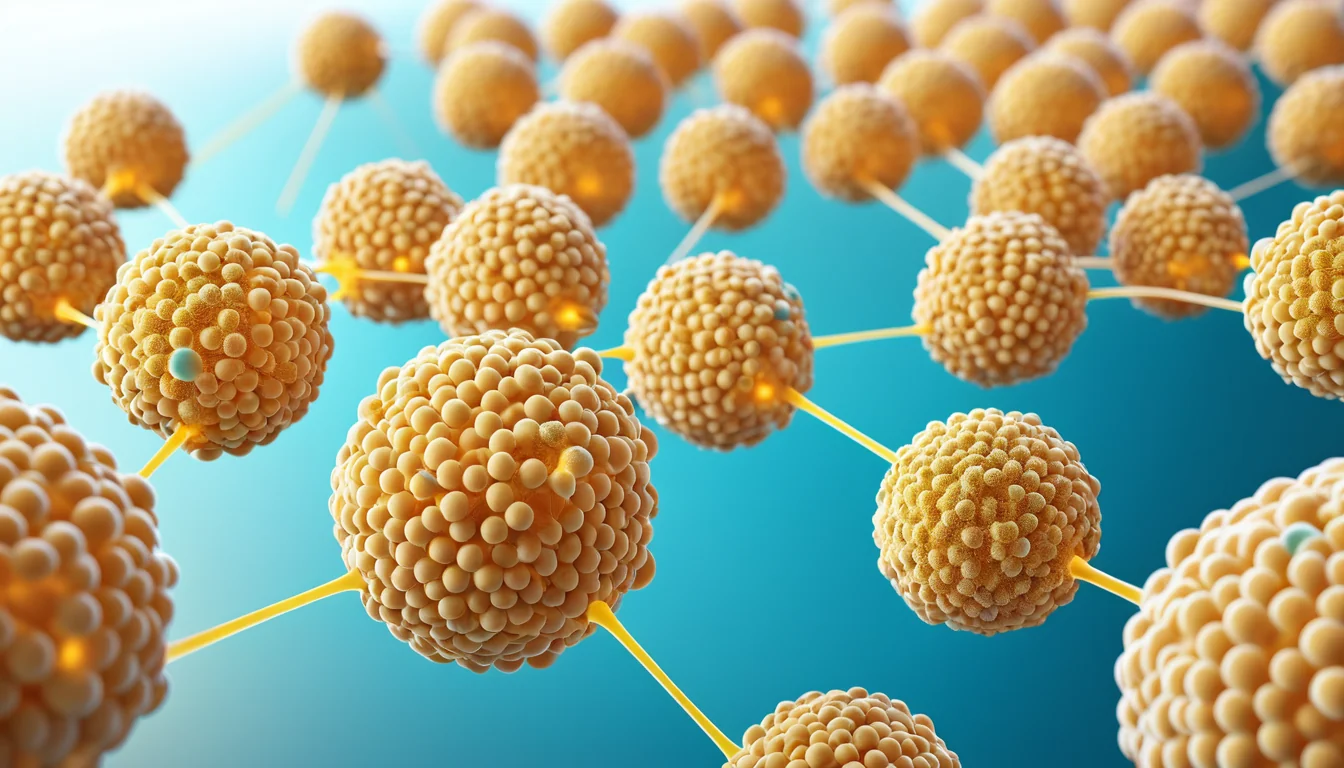
Food allergies occur when your immune system overreacts to a protein found in certain foods, and they affect millions of Canadians of all ages. These reactions can range from mild skin irritation to a life-threatening emergency called anaphylaxis. Whether you are a parent managing your child’s dietary needs or an adult who has recently developed a reaction, understanding the causes, triggers, and available treatments is essential for staying safe.
How Food Allergies Are Diagnosed and Treated in Canada
Recognizing food allergy symptoms early can make the difference between a minor incident and a medical crisis. In Canada, nine priority allergens — including peanuts, tree nuts, milk, eggs, wheat, soy, sesame, fish, and shellfish — account for the vast majority of severe allergic reactions. In this comprehensive guide, you will learn how food allergies are diagnosed, what treatments your family doctor or allergist may recommend, and exactly what to do during an allergic emergency. If you ever experience throat swelling or difficulty breathing after eating, call 911 immediately.
What Are Food Allergies?
| Symptom | Description | Severity Level | Recommended Action |
|---|---|---|---|
| Hives or Skin Rash | Red, itchy, raised welts or widespread flushing appearing on the skin shortly after eating a trigger food | Mild to Moderate | Take an antihistamine; contact your doctor or allergist if recurring |
| Swelling (Angioedema) | Swelling of the lips, tongue, face, or throat that can develop rapidly after exposure to a food allergen | Moderate to Severe | Seek immediate medical attention; use epinephrine auto-injector if prescribed |
| Gastrointestinal Distress | Nausea, vomiting, stomach cramps, or diarrhea occurring within minutes to hours of consuming the allergen | Mild to Moderate | Avoid trigger foods; consult a physician if symptoms are persistent or severe |
| Respiratory Symptoms | Wheezing, shortness of breath, nasal congestion, or coughing triggered by food allergies, sometimes indicating asthma involvement | Moderate to Severe | Use prescribed inhaler if available; seek emergency care if breathing is compromised |
| Anaphylaxis | A life-threatening, whole-body allergic reaction involving a sudden drop in blood pressure, loss of consciousness, and severe airway constriction — a medical emergency recognized across Canada | Severe / Life-Threatening | Administer epinephrine (EpiPen) immediately and call 9-1-1 without delay |
Your immune system normally protects you by fighting off harmful bacteria and viruses. However, when you have food allergies, your immune system mistakenly treats a harmless food protein as a threat. This triggers an allergic reaction that can affect your skin, gut, breathing, and more.
Food allergies are not the same as food intolerance. Food intolerance causes a digestive reaction — for example, bloating or stomach pain — but it does not involve your immune system. Food intolerance is usually uncomfortable, but it is rarely dangerous. Food allergies, on the other hand, can be life-threatening.
The Most Common Food Allergy Triggers
You can develop a food allergy to almost any food. However, eight foods cause about 90% of all food allergies. In Canada, food manufacturers are legally required to clearly label these allergens on packaging.
- Eggs
- Fish
- Milk
- Peanuts
- Shellfish
- Soy
- Tree nuts
- Wheat
Peanut allergy and milk allergy are among the most common in Canadian children. Furthermore, sesame was recently added as a priority allergen under Health Canada’s food allergen labelling rules, so always check ingredient labels carefully.
What Causes Food Allergies?
Doctors do not fully understand why some people develop food allergies and others do not. However, certain factors raise your risk.
- Family history: Food allergies tend to run in families. If a parent or sibling has a food allergy, your risk is higher.
- Other allergic conditions: If you have eczema, hay fever, or asthma, you are more likely to also have food allergies.
- Age: Children are more commonly affected, though many outgrow certain allergies — such as milk or egg allergy — by adulthood.
As a result, your family doctor may refer you to an allergist if you have a strong personal or family history of allergic conditions.
Symptoms of Food Allergies
Symptoms of food allergies usually appear within two hours of eating a trigger food. They can range from mild to very severe. Knowing the signs can help you act quickly.
Mild to Moderate Symptoms
- Hives or a skin rash
- Swelling of the lips or eyelids
- Itching in the mouth or throat
- Swelling of the tongue
- Stomach pain, vomiting, or diarrhoea
- A runny nose or sneezing
Severe Symptoms — Anaphylaxis
The most severe allergic reaction is called anaphylaxis. It is a fast-moving reaction that can send the body into shock. Without immediate treatment, anaphylaxis can be fatal.
Signs of anaphylaxis include:
- Throat swelling or tightness that makes it hard to breathe
- Hoarse voice or difficulty swallowing
- Wheezing or severe shortness of breath
- A sudden drop in blood pressure
- Dizziness or loss of consciousness
If you or someone near you shows signs of anaphylaxis, call 911 right away. Use an epinephrine auto-injector (EpiPen®) immediately if one is available. Do not wait to see if the symptoms improve on their own. For more information on recognizing anaphylaxis, visit the Mayo Clinic’s guide to anaphylaxis.
How Are Food Allergies Diagnosed?
If you think you have food allergies, start by speaking with your family doctor or visiting a walk-in clinic. They will ask you about your symptoms, what you ate, and how long it took for the reaction to appear. They may then refer you to an allergist for testing.
Skin Prick Test
An allergist places small amounts of different allergens on your forearm or back. They then make tiny pricks through each allergen. After about 15 minutes, the allergist checks for redness or swelling. A raised, itchy bump at a test site suggests an allergy to that substance.
Blood Test (RAST or Specific IgE Test)
Your allergist may also order a blood test. This test measures the level of allergy antibodies (called IgE antibodies) in your blood. Higher levels of specific antibodies can point to a food allergy. Your allergist will combine the results with your medical history to make a diagnosis.
It is important to remember that testing should always be guided by a healthcare professional. According to Healthline’s overview of food allergy testing, self-diagnosing based on online tests or unproven kits is not recommended.
How Are Food Allergies Treated?
The most effective way to manage food allergies is to strictly avoid your trigger foods. However, accidental exposure can happen, so it is essential to be prepared.
Emergency Medication — Epinephrine
If you have been diagnosed with a serious food allergy, your doctor will likely prescribe an epinephrine auto-injector, such as an EpiPen® or Auvi-Q®. This device delivers a life-saving dose of epinephrine that quickly reverses the symptoms of anaphylaxis. You should carry it with you at all times.
It is critical to seek emergency care immediately after using your auto-injector — even if your symptoms improve. Reactions can return hours later in what doctors call a biphasic reaction.
Other Medications
- Antihistamines: These can reduce mild symptoms such as itching, hives, or a runny nose. However, they are not a substitute for epinephrine during a severe reaction.
- Corticosteroids: A doctor may prescribe these to reduce swelling during or after a severe allergic reaction.
Medical Alert Identification
Consider wearing a medical alert bracelet or carrying a card that lists your food allergies. This helps emergency responders give you the right care quickly if you cannot speak for yourself.
How to Avoid Food Allergy Triggers
Avoiding trigger foods takes careful daily habits, especially when eating outside your home.
- Read labels every time: Ingredients can change without notice. Always read packaging, even for products you have bought before.
- Watch for precautionary statements: Labels may say “may contain” or “processed in a facility that also handles” a known allergen. Speak with your doctor about whether these foods are safe for you.
- Ask questions at restaurants: Tell restaurant staff about your allergy. Ask how food is prepared and whether cross-contamination is a risk in the kitchen.
- Plan ahead for travel: Research food labelling laws in other countries, as they may differ from Canadian rules.
Can Food Allergies Be Prevented?
There is currently no known way to prevent food allergies in adults. However, research suggests that certain early-life steps may help reduce the risk in babies.
Breastfeeding for at least the first six months may help protect against milk allergy. In addition, introducing highly allergenic foods — such as peanut protein and egg — early in infancy (around four to six months) may lower the risk of developing an allergy to those foods. Always speak with your child’s doctor before introducing new foods, especially if your baby has eczema or an existing food allergy.
When to See a Doctor
You should speak with a healthcare provider if you suspect you or your child has a food allergy. Your family doctor or a walk-in clinic is a great first step. They can review your symptoms, rule out food intolerance, and refer you to an allergist covered under most provincial health plans.
Seek emergency care — call 911 or go to the nearest emergency department — if you experience any signs of anaphylaxis, such as throat swelling, severe breathing difficulty, or loss of consciousness. Do not drive yourself. Always consult a qualified healthcare professional before making any changes to your diet or treatment plan based on information you read online.
What are the most common food allergies in Canada?
The most common food allergies in Canada include peanuts, tree nuts, milk, eggs, fish, shellfish, soy, wheat, and sesame. Health Canada recognizes these as priority allergens and requires food manufacturers to clearly list them on product labels. If you suspect a food allergy, speak with your family doctor or a walk-in clinic for a referral to an allergist.
What is the difference between a food allergy and food intolerance?
A food allergy involves your immune system and can cause life-threatening reactions, including anaphylaxis. Food intolerance, however, affects your digestive system and causes symptoms like bloating or stomach pain but is rarely dangerous. If you are unsure which condition you have, a doctor can help you tell the difference through proper testing.
How quickly do food allergy symptoms appear?
Symptoms of food allergies usually develop within minutes to two hours after eating a trigger food. In some cases, a delayed reaction can occur several hours later. If symptoms appear suddenly and seem severe, treat it as a medical emergency and call 911.
Can food allergies go away on their own?
Some food allergies — such as milk, egg, and soy allergies — are outgrown by children as they get older. However, allergies to peanuts, tree nuts, fish, and shellfish tend to be lifelong. Your allergist can monitor your allergy over time and advise whether you can safely reintroduce certain foods.
Is an EpiPen covered by provincial health plans in Canada?
Coverage for epinephrine auto-injectors like the EpiPen® varies by province and territory. Many provincial drug benefit programmes cover EpiPens for eligible residents, and some provinces offer coverage specifically for children. Ask your family doctor or pharmacist about the drug coverage options available in your province.
What should I do if I accidentally eat a food I am allergic to?
According to Health Canada’s guide to food allergies and intolerances, this information is supported by current medical research.
For more information, read our guide on alcohol intolerance symptoms and causes for Canadians.
If you accidentally eat a trigger food and have a known severe food allergy, use your epinephrine auto-injector right away and call 911 — even if you feel okay at first. For mild symptoms, antihistamines may help, but always follow the emergency plan your doctor has given you. Never rely on antihistamines alone during a potentially serious allergic reaction.
Key Takeaways
- Food allergies happen when the immune system overreacts to a food protein — they are not the same as food intolerance.
- The eight most common allergens in Canada are peanuts, tree nuts, milk, eggs, fish, shellfish, soy, and wheat.
- Symptoms can range from mild hives to life-threatening anaphylaxis — always take reactions seriously.
- Call 911 immediately if you notice throat swelling, breathing difficulty, or loss of consciousness.
- Always carry your EpiPen® if prescribed, and use it at the first sign of a severe reaction.
- The best treatment is strict avoidance of trigger foods — always read labels carefully.
- Talk to your family doctor or walk-in clinic if you suspect a food allergy. A referral to an allergist is available through most provincial health plans.
- Early introduction of allergenic foods in infancy may help reduce the risk of developing food allergies — always consult your child’s doctor first.
Frequently Asked Questions
What are food allergies?
Food allergies are immune system reactions that occur after eating certain foods. Your body mistakenly identifies a food protein as harmful and releases chemicals causing allergic symptoms. In Canada, the most common triggers include peanuts, tree nuts, milk, eggs, wheat, soy, fish, shellfish, sesame, and mustard — all considered priority allergens.
What are the symptoms of food allergies?
Food allergy symptoms typically appear within minutes to two hours of eating a trigger food. Common symptoms include hives, swelling, itching, vomiting, stomach cramps, and difficulty breathing. Severe reactions cause anaphylaxis — a life-threatening emergency involving throat swelling, a sudden drop in blood pressure, and loss of consciousness requiring immediate epinephrine treatment.
How are food allergies treated?
The primary treatment for food allergies is strict avoidance of trigger foods. For mild reactions, antihistamines can relieve symptoms. For severe reactions, epinephrine auto-injectors (EpiPens) are the first-line emergency treatment. Canadians diagnosed with food allergies should carry an epinephrine auto-injector at all times and wear medical alert identification.
Can food allergies be prevented?
Current Canadian health guidelines suggest early introduction of allergenic foods — like peanuts and eggs — to infants around 6 months may reduce allergy risk. Breastfeeding is also encouraged. However, food allergies cannot always be prevented. Emerging treatments like oral immunotherapy are helping some patients build tolerance under medical supervision.
When should you see a doctor for food allergies?
See a doctor if you suspect a food allergy after noticing recurring symptoms following specific foods. Seek emergency care immediately if symptoms of anaphylaxis occur, including throat tightening, severe breathing difficulty, or fainting. A Canadian allergist can confirm diagnoses through skin-prick tests or blood tests and create a personalized management plan.

About the Author
Dr. James Okafor, MD, PhDDr. James Okafor holds an MD and PhD in Neurological Sciences from McGill University. With 12 years of experience in clinical neurology and mental health research, he has contributed to landmark studies on depression, anxiety, and cognitive health. Dr. Okafor is a Fellow of the Royal College of Physicians and Surgeons of Canada and serves on the editorial board of two peer-reviewed journals.
View all articles →